The Voice: Your Most Accessible Instrument for Holistic Wellness
Key Insights
Discover the scientific power of your voice as a free, innate tool for sound wellness, stress relief, and deep connection at Soul Art Dubai with Larissa Steinbach.
Have you ever considered that the most profound instrument for your well-being isn't found in a music store, but rather resides within you? It's your own voice – an often-overlooked, yet incredibly powerful, tool for relaxation, stress management, and self-discovery. This inherent capacity for vocal expression offers immediate, free, and deeply personal access to sound wellness.
At Soul Art, Dubai's premier sound wellness studio founded by Larissa Steinbach, we explore the remarkable potential of this innate instrument. We delve into how simply using your voice can profoundly impact your nervous system, fostering a sense of calm and connection. This article will unveil the compelling science behind vocal sound, illustrate its practical applications, and illuminate how Larissa Steinbach integrates these principles into the unique Soul Art experience. Prepare to redefine your understanding of personal harmony.
The Science Behind Your Innate Instrument
The human voice, often taken for granted, is a marvel of biological engineering and a cornerstone of our well-being. From a scientific perspective, its accessibility and profound physiological impacts make it a truly unique instrument. Understanding these mechanisms helps us appreciate its central role in holistic wellness practices.
The Accessibility Advantage
Unlike many traditional musical instruments that require significant financial investment, lessons, and dedicated practice space, the voice is universally available. Research highlights its unparalleled affordability and accessibility, a fact often overlooked in conventional music education. Kodály (2007) eloquently states that "it is only the human voice that is accessible and free of charge, yet the most beautiful of all instruments and the fertile soil of all Musical culture, extending to all human." This sentiment is echoed in studies showing that even in schools with limited resources, the human voice remains the most reliable and common musical instrument for education and development (Ofili, Nturem & Simeon, n.d.).
Our brains are even wired to prioritize vocal sounds. Neuroscientific evidence suggests that perception of the human voice is privileged, activating specific brain regions not necessarily stimulated by other auditory stimuli, including many musical instruments (Levy, Granot, & Bentin, 2001, 2003). This "mental privilege" is partly attributed to our frequent exposure to human voices throughout our lives, making us highly expert at processing these sounds (Chartrand & Belin, 2006). This inherent wiring means our bodies and minds are naturally predisposed to respond to vocal input, whether from ourselves or others.
The Physiological Impact of Vocalization
The voice is far more than just a sound generator; it’s an intricate acoustic instrument that is remarkably sensitive to physiological changes within the body (Patel, n.d.). The delicate vocal cords, nestled in your larynx, vibrate to produce sound, and their function can reveal subtle shifts in your health. For instance, fluid retention, a symptom of conditions such as heart disease, can increase the mass of the vocal cords, causing them to vibrate more slowly and thus lowering vocal pitch. Similarly, conditions affecting breath control, like heart disease, can lead to breathlessness, making it harder to sustain vocalization (Patel, n.d.).
This sensitivity makes the voice a potential "biomarker of health," an area of burgeoning research. Projects like the "Voice as a Biomarker of Health," funded by the US National Institutes of Health, aim to collect vast amounts of voice data to train AI to detect early warnings of various conditions, from Alzheimer’s disease to COVID-19 (Nature, n.d.). The consistent stability of speaker cues in the human voice, signalling traits like sex, age, and body size, is also remarkable, largely impermeable to variations in speech complexity (Scientific Reports, 2023). This robust nature of vocal cues underlies its potential as a reliable indicator for wellness and physiological states.
The act of vocalizing itself triggers a cascade of beneficial physiological responses. When we hum, chant, or sing, we engage the vagus nerve, a critical component of the parasympathetic nervous system responsible for the "rest and digest" response. This engagement helps to lower heart rate, reduce blood pressure, and decrease the production of stress hormones like cortisol. The gentle vibrations created by vocalization also massage the internal organs and stimulate lymphatic flow, further supporting the body's natural detoxification and relaxation processes.
Voice as a Social and Emotional Connector
Beyond its individual physiological benefits, the voice plays a profound role in fostering social bonds and emotional well-being. Singing, particularly in a group setting, has been widely associated with enhanced empathy and a stronger sense of social connection (Wilson, BBC Future, n.d.). This communal aspect is evident in shared experiences like football chants or congregational singing in places of worship, where a collective voice unites individuals. This collective resonance can transcend individual differences, creating a powerful feeling of belonging and shared purpose.
A key neurochemical player in this bonding effect is oxytocin, often referred to as the "love hormone." While famously linked to maternal bonding and intimate relationships, oxytocin is also released during singing, enhancing feelings of connectedness and trust among people (Mukherjee, BBC Future, n.d.). Although some nuances of oxytocin's role in trust are still being explored, recent research suggests it can influence how much value we place on information from others, underscoring its role in social interaction. This neurobiological response makes vocalization a powerful tool for building community and reducing feelings of isolation, especially relevant in today's increasingly remote and virtual world.
Moreover, our voices convey a wealth of social and affective information. Listeners can make judgments about traits such as attractiveness, trustworthiness, dominance, and likeability based heavily on vocal cues (Scientific Reports, 2023). This highlights the deep evolutionary and social significance of the human voice in communication and interaction. Engaging with our voice, therefore, not only affects our internal state but also shapes our connection with the world around us.
Activating Your Inner Resonator: From Theory to Experience
Translating the science of vocalization into practical, felt experience is at the heart of sound wellness. Activating your voice isn't about hitting perfect notes or performing for an audience; it's about engaging with the raw, resonant power within you. This connection between vocal theory and lived experience forms a bridge to profound self-regulation and inner peace.
When you vocalize, even with a simple hum, you initiate a cascade of sensory feedback. You feel the vibrations not just in your throat, but resonating through your chest, skull, and sinuses. This internal massage stimulates nerve endings, sending calming signals to your brain. Many people report an immediate sense of release and relaxation, as if tension is physically vibrating out of their body.
Consider the gentle, sustained tone of a simple "Om" or a long, drawn-out "Ah." As you produce these sounds, pay attention to the breath that supports them. Deep, diaphragmatic breathing is intrinsically linked to vocal production, and consciously engaging this breathwork amplifies the calming effect. The sustained exhalation involved in vocalizing signals to your nervous system that you are safe, allowing it to shift away from a "fight or flight" response.
This practice is inherently accessible to everyone, regardless of their perceived "singing ability." The beauty of using the voice as an instrument for wellness is that it requires no prior skill or talent. It’s about expression, not perfection. The sound you make is uniquely yours, and its therapeutic value comes from the intention and presence you bring to it, not from any external standard of musicality. This non-judgmental exploration of your vocal range can be incredibly liberating.
Group vocalization, such as collective chanting or shared toning, further amplifies these benefits. The synchronicity of voices, even if imperfect, creates a resonant field that enhances feelings of unity and connection. The release of oxytocin, as some research suggests, fosters empathy and strengthens social bonds, turning a simple vocal exercise into a powerful community-building activity. Anecdotal evidence strongly suggests that this shared experience can reduce feelings of isolation and foster a sense of belonging.
"The human voice is the original sound bath. It doesn't just create sound; it creates internal resonance that can shift your entire state of being, a frequency of wellbeing waiting to be tuned into."
The process of vocalizing, even for a few minutes, becomes a mindfulness practice. It grounds you in the present moment, drawing your attention away from external stressors and inward to your body's subtle vibrations. This mindful engagement with your own sound can be a profoundly centering experience, offering a simple yet effective tool for emotional regulation and stress reduction in your daily life.
Harmonizing Within: The Soul Art Method with Larissa Steinbach
At Soul Art, Larissa Steinbach intuitively understands the profound potential of the voice as a wellness instrument. Her approach is rooted in the scientific principles of sound and vibration, yet delivered with a deep reverence for individual expression and holistic well-being. Larissa guides clients to unlock their innate vocal power, creating a unique pathway to inner harmony.
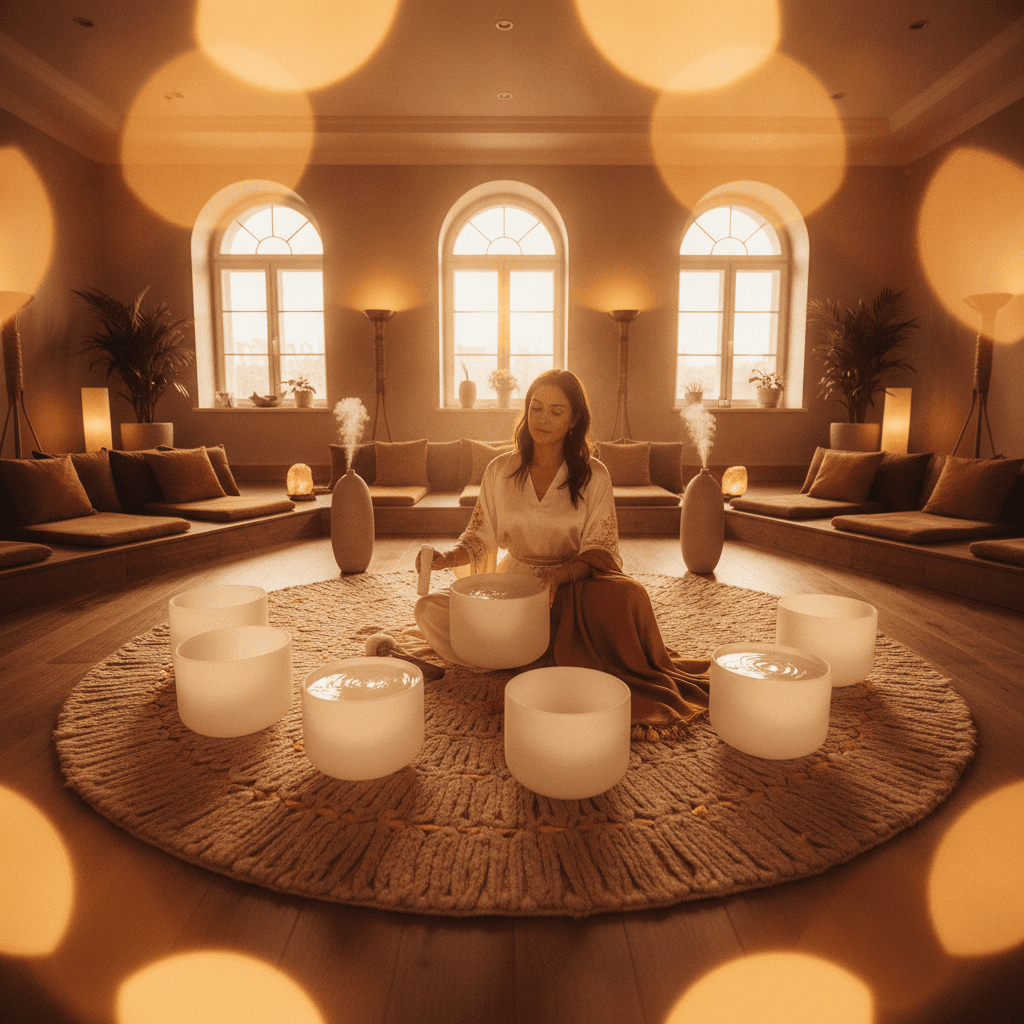
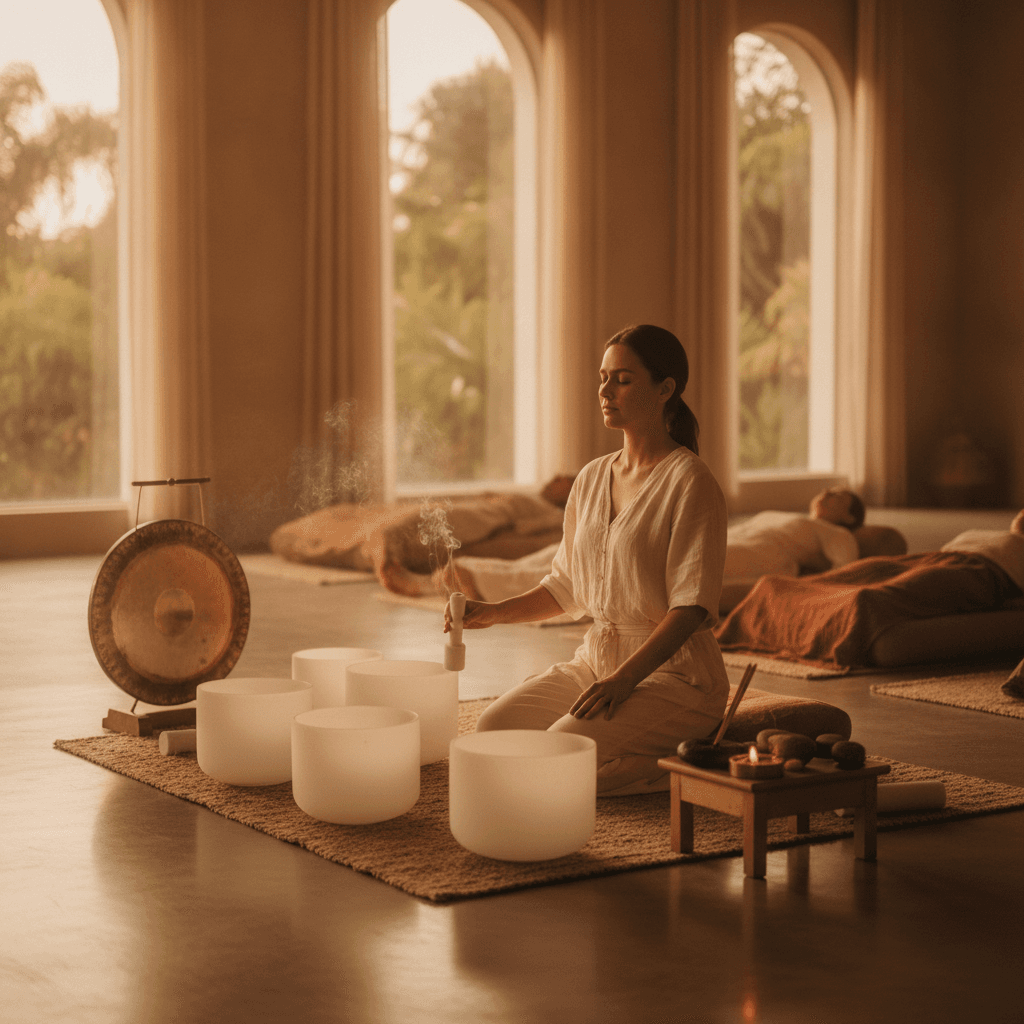
Larissa Steinbach integrates guided vocal toning and breathwork into Soul Art sessions, often combining it with other resonant instruments like gongs and singing bowls. The focus is not on producing aesthetically pleasing music, but on using sustained vocal sounds to create internal vibrations that resonate with and balance the body's energy centers. This may support a release of emotional blockages and a deeper connection to the self.
What makes the Soul Art method unique is its emphasis on non-performance and self-discovery. Larissa creates a safe, non-judgmental space where clients feel empowered to explore the full range of their voice, from soft hums to resonant chants, without fear of critique. This exploration is seen as a personal journey of sound, where the voice becomes a vehicle for expressing and processing emotions, and for cultivating a deeper sense of self-awareness.
Specific techniques might include:
- Vowel Toning: Sustaining open vowel sounds (like "Ah," "Om," "Ee") to target different areas of the body and energy centers. Preliminary studies indicate that different vowel sounds can create distinct vibrational patterns, potentially influencing various physiological responses.
- Breath-Synchronized Vocalization: Coupling deep, rhythmic breathing with vocal release to maximize vagal nerve stimulation and promote profound relaxation. This practice helps regulate the nervous system, encouraging a state of calm.
- Intention-Setting Through Sound: Using the voice to vocalize personal intentions or affirmations, amplifying their energetic resonance within the body and consciousness. Many people report that this enhances focus and manifestation.
- Resonance Exploration: Guiding clients to notice and direct the vibrations of their voice to specific parts of their body, fostering awareness of their internal landscape and promoting gentle healing. This direct sensory feedback enhances the mind-body connection.
Larissa's expertise lies in facilitating this deeply personal experience, allowing individuals to discover their unique vocal signature and its power to soothe, energize, and balance. The voice, in the Soul Art context, becomes a self-care practice, a complementary approach to stress management, and a tool for enhancing overall vitality. It's a testament to the idea that true harmony begins from within, using the instrument you've always possessed.
Cultivating Your Vocal Wellness: Simple Steps for Daily Harmony
Integrating vocal wellness into your daily routine doesn't require complex training or dedicated equipment. Your voice is always with you, ready to be utilized for immediate benefit. By taking simple, intentional steps, you can harness its power to manage stress, enhance relaxation, and cultivate a deeper sense of well-being. These practices are designed to be accessible, allowing you to experience the calming effects of your own sound.
Here are some practical steps you can implement today:
- Mindful Humming: Start your day or take a short break with 2-5 minutes of mindful humming. Close your lips gently and hum a continuous, comfortable tone. Feel the vibrations in your lips, nose, and skull. This simple act may support nervous system regulation and can be incredibly grounding.
- Deep Breathing with Vocal Release: Practice diaphragmatic breathing, inhaling deeply through your nose and allowing your abdomen to expand. As you exhale slowly through your mouth, allow a gentle "sigh" or a soft, sustained "ahhhh" sound to escape. This helps to release tension and activate the vagus nerve.
- Sing Along to Your Favorite Songs (Uninhibitedly!): Don't worry about pitch or tone. Sing loudly and freely to music that uplifts you. The joy of expression combined with the physical act of vocalizing can be a powerful mood booster and stress reliever, enhancing the release of feel-good endorphins.
- Vocal Journaling or Toning: In a private space, allow yourself to make whatever sounds feel natural – sighs, groans, hums, or even spontaneous melodies. Treat your voice as a tool for emotional release, allowing sounds to express what words might not capture. Many people report a sense of emotional catharsis through this practice.
- Explore Guided Vocalization: Seek out guided meditations or sound wellness practices that incorporate vocal toning. These structured experiences can help you discover new ways to use your voice for relaxation and self-connection, often providing a supportive framework for exploration.
By consistently engaging with your voice in these simple ways, you are building a powerful self-care practice. It's a way to tune into your body's subtle rhythms, release accumulated stress, and reconnect with your inner peace. The transformative potential of your voice is always available, waiting to be rediscovered.
In Summary: Embrace Your Natural Resonance
The human voice stands as the ultimate accessible instrument, a truly remarkable tool for our holistic well-being that is always at our disposal. Scientific research illuminates its unique physiological and neurochemical impacts, from its innate accessibility and brain-privileging perception to its role in releasing oxytocin and reducing stress. Activating your voice through humming, toning, or singing is not about musical perfection; it’s about engaging in a profound practice of self-regulation and connection.
Larissa Steinbach and Soul Art invite you to explore this incredible innate power. Through guided vocal toning and breathwork, Larissa helps you unlock your voice's potential as a pathway to deep relaxation, emotional release, and enhanced self-awareness. It's a gentle yet powerful complementary approach to managing the demands of modern life, offering a return to your natural state of harmony. Embrace your unique vocal resonance and discover the profound wellness it brings.
Bookings Coming Soon
Soul Art is still in preparation. Session details and booking will be published here after launch.
Coming Soon
Wellness Disclaimer: This article is for educational and informational purposes only. It does not constitute medical advice, diagnosis, or treatment. Soul Art Dubai provides non-medical wellness experiences focused on relaxation, stress management, and general wellbeing. Sound wellness is a complementary practice and should not replace professional medical care.
Related Articles
The Science of Connection: Call and Response Chanting for Wellness
Deepen Your Bond: Couples Breath & Tone Practice at Soul Art
Harmonize Your Voice: Humming for Public Speaking Nerves