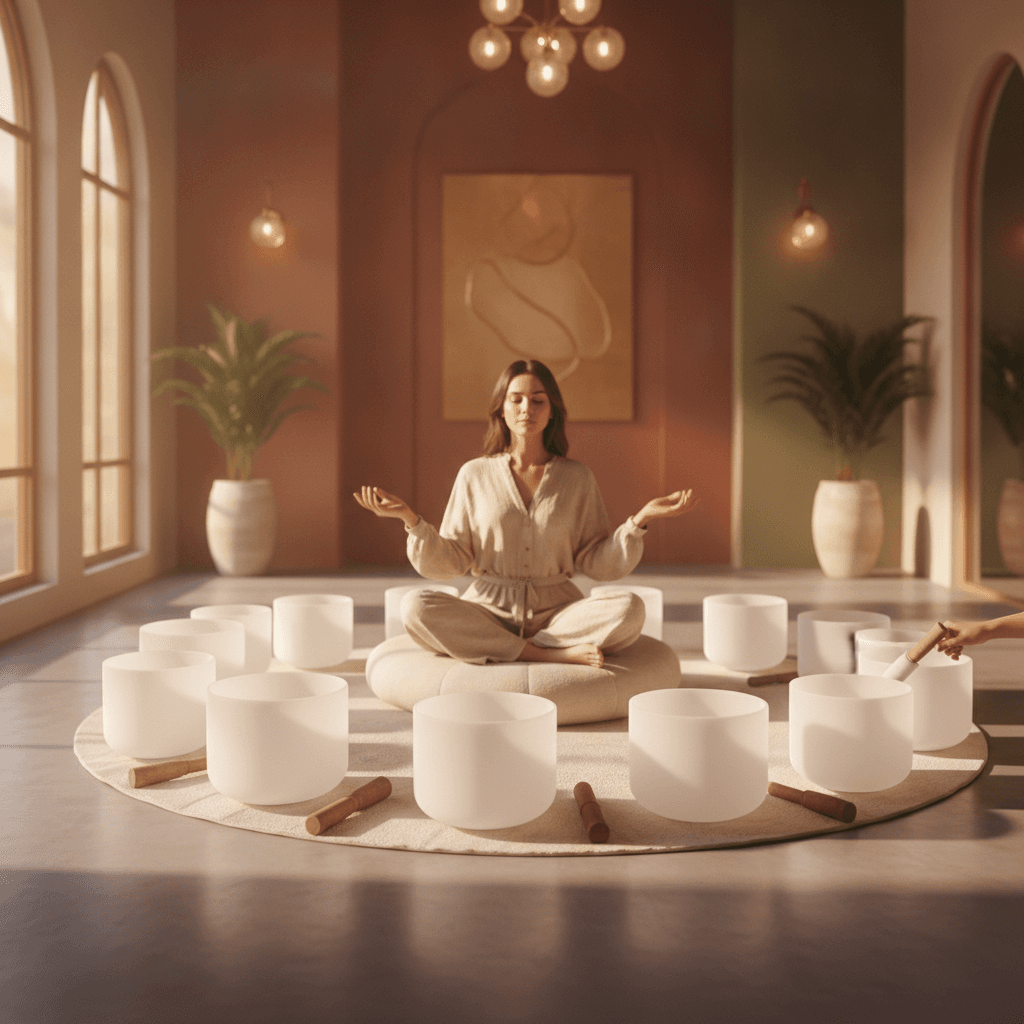
The Body Keeps the Tempo: Rhythm, Regulation, & Sound Wellness
Key Insights
Explore how rhythms shape our well-being, from internal clocks to sound's therapeutic power. Discover holistic regulation at Soul Art Dubai.
Have you ever noticed how the steady beat of a drum can instantly calm your racing heart, or how a soothing melody can gently lull you into a state of relaxation? It's not just a coincidence; our bodies are intricately wired for rhythm. From the microscopic dance of our cells to the grand orchestration of our sleep-wake cycles, rhythm is the fundamental language of life and a profound key to our well-being.
In a world increasingly prone to stress and dysregulation, understanding this innate connection to rhythm offers a powerful pathway to reclaiming balance. This article delves into the scientific underpinnings of how rhythm impacts our nervous system, drawing insights from groundbreaking research in neuroscience and chronobiology. We will explore how sound, in particular, acts as a potent tool for regulation, offering practical avenues for holistic self-care.
Join us as we uncover why "The Body Keeps the Tempo," and how embracing intentional rhythms can support profound shifts in your mental, emotional, and physical health. You'll discover how the curated sound experiences at Soul Art Dubai, led by Larissa Steinbach, offer a unique opportunity to harmonize your inner world.
The Science Explained: Our Innate Rhythmic Architecture
Our existence is a symphony of rhythms. From the heartbeat that keeps time within us to the planetary rotations that dictate day and night, rhythm is an organizing principle. Modern science increasingly reveals how crucial these rhythms are for our health, especially in the context of stress and trauma.
Trauma, Dysregulation, and the Body's Story
Dr. Bessel van der Kolk, in his seminal work "The Body Keeps the Score," eloquently illustrates how overwhelming experiences deeply impact the brain, mind, and body. Trauma, he explains, can derail our innate capacity for self-regulation, leaving individuals disconnected from their present experience and struggling to feel what they feel. Traditional therapeutic approaches, focused solely on symptoms or medication, often fall short because they overlook the body’s central role in processing and storing traumatic memories.
The core challenge in recovering from trauma is relearning to regulate oneself. Dr. van der Kolk emphasizes that we can activate this innate capacity through embodied practices. Breath, touch, movement, and rhythmical engagement with others, such as yoga, tai chi, and dancing, are powerful, yet often underutilized, methods for healing. These practices leverage the brain's natural neuroplasticity, allowing it to "rewire" disturbed functioning and rebuild the ability to authentically engage with the present.
The Power of Rhythmic Engagement
Research highlights the profound impact of rhythmic movement and expression on our inner state. A study by James Pennebaker and Anne Krantz compared expressive body movements to writing for processing trauma. Participants who engaged in expressive movement and then wrote about their trauma showed improved physical health and academic performance over three months, a more objective improvement than groups who only danced or engaged in routine exercise. This suggests a powerful interplay between physical rhythm, somatic processing, and cognitive integration.
Rhythmical engagement offers a direct pathway to the nervous system, bypassing cognitive resistance that can sometimes hinder traditional talk therapy. When we engage in rhythmic activities, our brains receive predictable, organizing input. This predictability can be incredibly soothing for a nervous system that has been overwhelmed by chaos or a lack of safety. It's a fundamental way our bodies seek to restore equilibrium.
Circadian Rhythms: Our Internal Master Clock
Beyond external movements, our bodies house a sophisticated internal timekeeping system known as circadian rhythms. These are physical, mental, and behavioral changes that follow a roughly 24-hour cycle. Almost all physiological and biochemical processes, from hormone release to cell regeneration, adhere to a circadian rhythm.
The master biological clock, or central circadian pacemaker, resides in the suprachiasmatic nucleus (SCN) of the hypothalamus in the brain. The SCN is responsible for regulating most circadian rhythms throughout the body, acting as a conductor for a vast internal orchestra of cellular processes. It entrains downstream peripheral oscillators found in nearly every tissue and organ, ensuring they all keep time together.
At a molecular level, these rhythms are generated by intricate positive and negative feedback loops involving specific "clock genes" such as BMAL1, CLOCK, PER (Period), and CRY (Cryptochrome). For example, the proteins PER and TIM (identified by Nobel Prize winners Jeffrey C. Hall, Michael Rosbash, and Michael W. Young) interact to regulate their own production over a 24-hour cycle. This cell-autonomous program of gene expression underpins our body's ability to tell time.
Zeitgebers: Synchronizing Our Internal Tempo
While our internal clocks can run independently, they are normally synchronized by external environmental cues, known as "zeitgebers" (German for "time giver"). Light is the most powerful zeitgeber, signaling day and night. However, other factors like food intake, social interaction, and even temperature fluctuations also play a role in entraining our rhythms.
Disruptions to these rhythms can have significant health consequences. Modern lifestyles, characterized by artificial light exposure at night, inconsistent sleep schedules, and shift work, can throw our internal clocks out of sync. This desynchronization has been associated with mood regulation disorders like seasonal affective disorder, symptoms of depression, and even an increased risk of certain cancers, as highlighted by studies on night-shift workers. Maintaining proper circadian alignment is a fundamental aspect of holistic well-being.
How It Works in Practice: Resonating with Regulation
The profound connection between rhythm and regulation isnates in our very being. When our internal rhythms become chaotic or dysregulated, whether due to chronic stress, trauma, or modern lifestyle factors, we often experience anxiety, fatigue, difficulty focusing, or an overall sense of unease. Introducing external, predictable rhythms can serve as a gentle yet powerful guide to help the body recalibrate its internal tempo.
Think of it like tuning an instrument. When a string is out of tune, it creates dissonance. Similarly, a dysregulated nervous system vibrates at an unharmonious frequency. Controlled rhythmic input, such as consistent sound vibrations, offers a resonant frequency that the body can "tune into." This process is often subconscious, bypassing the busy analytical mind and directly engaging the ancient, more receptive parts of the brain responsible for safety and survival.
Clients often report a deep sense of peace and groundedness during and after sound sessions. The consistent, enveloping rhythm of sound creates a container of safety, allowing the nervous system to gradually release tension and move from a state of hyperarousal (fight/flight) or hypoarousal (freeze) towards a more balanced, regulated state. The gentle undulations and predictable patterns of sound facilitate what is known as vagal toning, activating the parasympathetic nervous system – our "rest and digest" response. This encourages the release of regulating hormones and neurotransmitters.
The experience is not merely auditory; it is profoundly sensory. The vibrations generated by specialized instruments are felt throughout the body, a gentle internal massage that reaches deep into tissues and cells. This direct somatic experience cultivates greater body awareness, helping individuals to "know what they know and feel what they feel," a critical step in healing as noted by Dr. van der Kolk. It offers a counter-narrative to the helplessness often associated with dysregulation, providing an experience of being held, supported, and gently guided back to harmony.
The Soul Art Approach: Larissa Steinbach's Symphony of Healing
At Soul Art, Dubai's premier sound wellness studio, Larissa Steinbach intuitively and scientifically applies these profound principles of rhythm and regulation. Larissa understands that sound is more than just audible waves; it is a powerful zeitgeber, a "time giver" that can gently yet effectively guide the body's internal rhythms back into alignment. Her approach is rooted in a deep respect for the body’s innate wisdom and its capacity for self-healing.
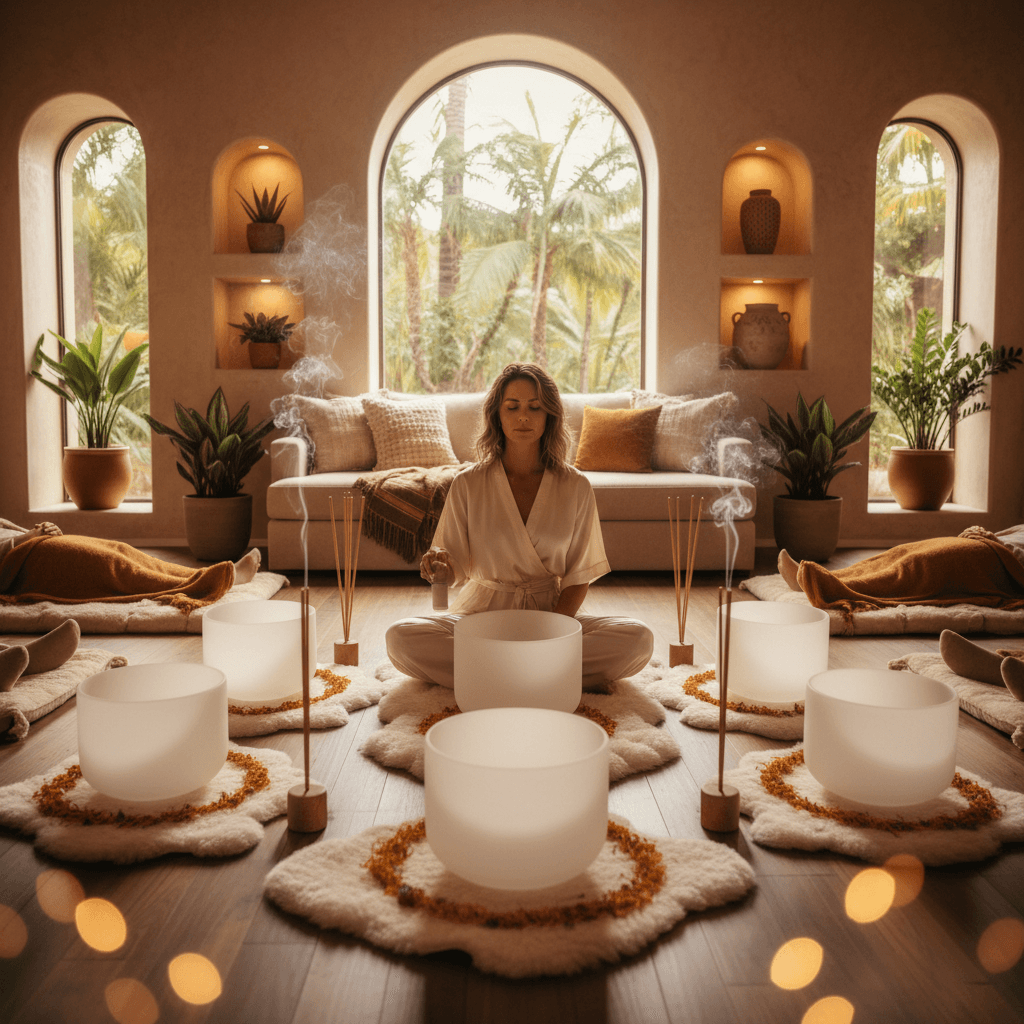
Larissa Steinbach’s method is unique in its intentional layering of specific frequencies and rhythms to create immersive soundscapes. She curates each session with a deep understanding of how different sounds impact the nervous system, drawing from both ancient wisdom traditions and modern scientific insights into psychoacoustics. The environment at Soul Art is meticulously designed to enhance this sensory experience, creating a sanctuary where every detail contributes to a sense of calm and safety.
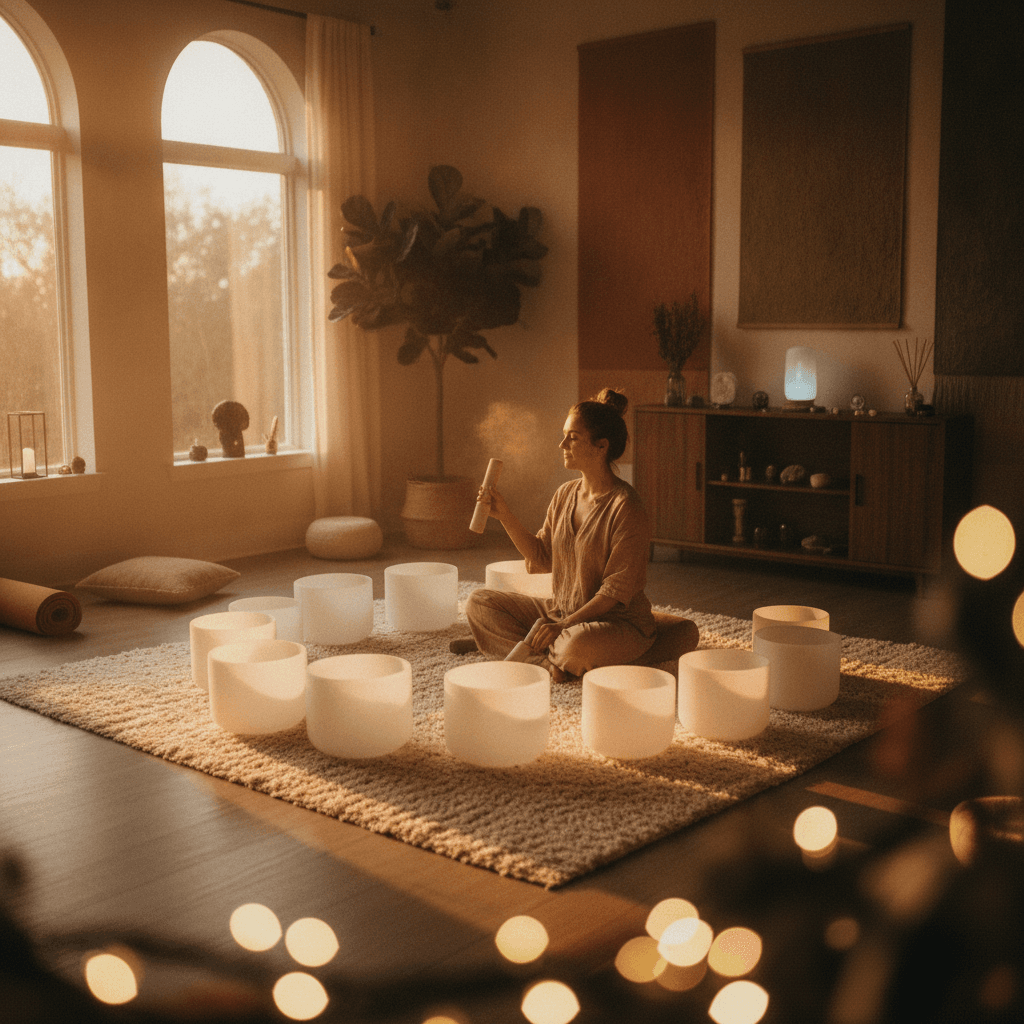
The instruments used at Soul Art are carefully selected for their unique vibrational qualities. This includes a diverse array of authentic Himalayan singing bowls, precision-tuned gongs, crystal bowls, chimes, and other resonant tools. Each instrument contributes a distinct layer to the sound tapestry, creating a rich, harmonic field. The consistent, predictable pulses and fluid sound waves work to soothe the auditory cortex and gently influence brainwave states, encouraging a shift towards slower, more relaxed frequencies associated with meditation and deep rest.
Through these meticulously crafted sound journeys, Larissa Steinbach helps clients foster enhanced body awareness and emotional regulation. It is a complementary approach that supports neuroplasticity, offering the brain and body new, deeply calming experiences. This gentle guidance helps individuals reclaim ownership of their bodies and lives, step by step, much like the path to recovery described by leading trauma researchers. Soul Art provides a space for profound integration and renewal, where the body's natural tempo can be gracefully restored.
Your Next Steps: Embracing Rhythm in Your Daily Life
Understanding the profound impact of rhythm on your well-being is the first step towards a more regulated and peaceful existence. While the complex systems of our body are constantly working to maintain balance, we can consciously support them through intentional practices. Integrating rhythmic self-care into your daily routine may support a stronger sense of calm and resilience.
Here are a few actionable steps you can take today to harness the power of rhythm and regulation:
- Conscious Rhythmic Breathing: Dedicate a few minutes each day to rhythmic breathing exercises. Inhale for a count of four, hold for a count of four, exhale for a count of six, and hold for a count of two. This simple practice can quickly influence your heart rate variability and calm your nervous system. Many people report an immediate sense of relaxation from this controlled, predictable rhythm.
- Mindful Movement: Incorporate practices like walking, gentle stretching, or dancing into your day. Focus on the repetitive, rhythmic nature of these movements. Even a short walk where you pay attention to the rhythm of your steps can be a powerful regulatory tool. Some research suggests that expressive movement can aid in emotional processing.
- Establish a Consistent Sleep Schedule: Respect your body's natural circadian rhythms by going to bed and waking up at similar times each day, even on weekends. Exposure to natural light in the morning and reducing screen time in the evening can help reinforce these vital internal clocks. A stable sleep-wake schedule has been associated with improved mood regulation.
- Curate Your Sound Environment: Pay attention to the sounds you expose yourself to. Create playlists of regulating music or nature sounds (like ocean waves or gentle rain) for focus or relaxation. Conversely, minimize exposure to jarring or chaotic noises that may contribute to sensory overload.
- Explore Sound Wellness: Experience the deeply restorative benefits of professional sound healing. Sound baths and vibrational therapies offer a structured, immersive rhythmic experience designed to guide your body into deep states of relaxation and balance.
By consciously engaging with rhythm, you offer your body and mind a powerful pathway to regulation and holistic wellness.
Bookings Coming Soon
Soul Art is still in preparation. Session details and booking will be published here after launch.
Coming Soon
In Summary
The intricate connection between rhythm and regulation is a cornerstone of our well-being. From the foundational insights of Dr. Bessel van der Kolk on trauma and body awareness to the complex mechanisms of our internal circadian clocks, science illuminates how profoundly our bodies respond to rhythmic input. These rhythms are not just external phenomena but are deeply woven into our physiological and psychological fabric, offering powerful avenues for self-regulation and healing.
"Our innate capacity for self-regulation can be activated by utilizing breath, touch, movement, and rhythmical engagement."
By consciously engaging with predictable rhythms, through practices like mindful breathing, movement, and especially sound, we can gently guide our nervous system toward balance and foster neuroplasticity. At Soul Art, Larissa Steinbach expertly harnesses these principles, creating unique sound wellness experiences that empower you to reconnect with your inner tempo. Discover the transformative power of rhythm and allow your body to keep the tempo of peace and harmony.
Related Articles
Beyond Hearing: Sound Waves & Your Body's Inner Boundaries at Soul Art
Breath Holding & Sound: Releasing Guarded Patterns at Soul Art Dubai
Reclaim Vitality: Soft Sound Practices for Fatigue & Collapse