TBI Recovery: Sound Wellness for Brain Trauma in Dubai

Key Insights
Discover how sound wellness, offered by Larissa Steinbach at Soul Art Dubai, may support cognitive and emotional recovery after brain trauma. Explore the science behind neuroplasticity and the potential of sound.
Traumatic Brain Injury (TBI) can dramatically alter a person's life, affecting everything from physical movement to cognitive abilities and emotional well-being. The path to recovery is often challenging, requiring multifaceted approaches to address complex neurological and behavioral changes. While traditional rehabilitation methods are vital, there is growing interest in complementary wellness practices that may offer additional support.
Imagine a practice that gently guides the brain towards restoration, fostering new neural pathways and soothing the nervous system without invasive procedures or pharmaceuticals. This is the promising frontier of sound wellness, a practice increasingly recognized for its potential in TBI recovery. At Soul Art Dubai, led by Larissa Steinbach, we explore how the profound vibrations and frequencies of sound can offer a unique avenue for holistic support, assisting individuals in navigating the complexities of brain trauma recovery.
This article delves into the scientific underpinnings of why sound, often perceived simply as background noise, may hold significant potential for brain trauma survivors. We will explore the mechanisms through which sound-based interventions might influence brain function, emotional regulation, and cognitive resilience. Join us as we uncover the compelling evidence and practical applications of sound wellness as a complementary approach to TBI recovery, offering hope and tangible strategies for enhanced well-being.
The Science Explained
The human brain is an intricate and dynamic organ, capable of remarkable adaptation, a phenomenon known as neuroplasticity. After a TBI, this inherent capacity for change becomes crucial for recovery, as the brain seeks to reorganize and repair damaged pathways. Emerging research suggests that music-based interventions (MBIs) and broader sound wellness practices may tap into this neuroplasticity, offering a unique avenue for supporting the brain's healing process.
Unlocking the Brain's Potential: Neuroplasticity and Sound
Music and structured sound have a profound ability to engage multiple brain regions simultaneously, including those involved in emotion, memory, motor control, and cognitive processing. When the brain processes sound, it can stimulate neural networks, potentially encouraging the formation of new connections and strengthening existing ones. This stimulation is particularly beneficial for individuals recovering from TBI, where certain neural pathways may be damaged or disrupted.
Preliminary studies indicate that MBIs can improve cognitive functioning and neurobehavior following TBI. For instance, in controlled settings with normal, uninjured rats, specific MBIs have been associated with increased expression of brain-derived neurotrophic factor (BDNF) in the hippocampus. BDNF is a vital protein that supports the survival of existing neurons and encourages the growth and differentiation of new neurons and synapses, making it a key player in neuroplasticity and brain repair. The observed reduction in anxiety-like behavior and improved cognitive benefits in these studies highlight the potential for sound to influence both mental and emotional states.
The Biochemical Symphony: BDNF and Microglia
Beyond observed behavioral changes, research is beginning to uncover the underlying biological mechanisms through which sound may exert its effects. A recently published manuscript evaluating the efficacy of a music-based therapy for TBI patients showed significant benefits across various domains. These benefits included improvements in motor, cognitive, and affective (emotional) outcomes. Intriguingly, the study also reported protection of cortical regions, evidenced by decreased lesion volumes, suggesting a direct impact on brain tissue health.
Furthermore, this research provided insight into potential mechanisms, noting increases in both BDNF and resting microglia. Microglia are the primary immune cells of the central nervous system, playing a crucial role in maintaining brain health, clearing cellular debris, and supporting neural repair. An increase in resting microglia, often a sign of a brain gearing up for repair and maintenance without being in an overactive inflammatory state, coupled with elevated BDNF, paints a promising picture for the brain's restorative capacities.
Cognitive and Behavioral Pathways
One of the most persistent challenges after TBI involves deficits in executive function (EF), which encompasses skills like planning, problem-solving, attention, and working memory. Musical training and music-based neurological rehabilitation (MBNR) have been shown to enhance EF and neuroplasticity in various populations. A cross-over randomized controlled trial (RCT) involving 40 patients with moderate-to-severe TBI demonstrated that a 10-week MBNR protocol significantly improved executive function. This robust finding provides compelling evidence for the potential rehabilitative effects of sound on complex cognitive processes.
Beyond cognition, sound-based interventions may also support behavioral and emotional regulation. Studies have reported positive intervention effects in the early stages of TBI recovery, supporting awareness, arousal, and decreasing agitation. Qualitative feedback from TBI patients and their caregivers often emphasizes the profound meaningfulness of engaging with music and sound, highlighting its impact on emotional adjustment and social functioning. This suggests a holistic benefit that extends beyond purely cognitive metrics, touching upon the deeply human aspects of recovery.
Bridging the Gap: Research and Future Directions
While the findings are encouraging, many researchers emphasize the need for further empirical investigation. Much of the existing evidence, though positive, comes from studies with small or heterogeneous samples, often including other neurological conditions alongside TBI. There is a recognized need for larger randomized controlled trials (RCTs) focusing specifically on TBI patients, designed to provide robust, translatable evidence regarding the optimal "dose," timing, specific benefits, and safety of sound-based interventions.
Despite these limitations, the collective body of work strongly supports the view that sound and music can play a central role as a complementary wellness practice in recovery after TBI. Ongoing research into these areas will continue to inform how sound wellness practices can be best integrated into comprehensive rehabilitation plans, providing powerful, non-invasive tools to support brain health and overall well-being.
How It Works in Practice
At Soul Art Dubai, the scientific principles underpinning sound's impact on the brain are translated into a tangible, sensory experience designed to foster deep relaxation and encourage holistic wellness. The approach is rooted in creating an environment where the nervous system can reset, allowing the brain to enter a state conducive to repair and integration. Clients embarking on this journey experience a meticulously curated sound bath, where various instruments are played to create a tapestry of therapeutic frequencies and vibrations.
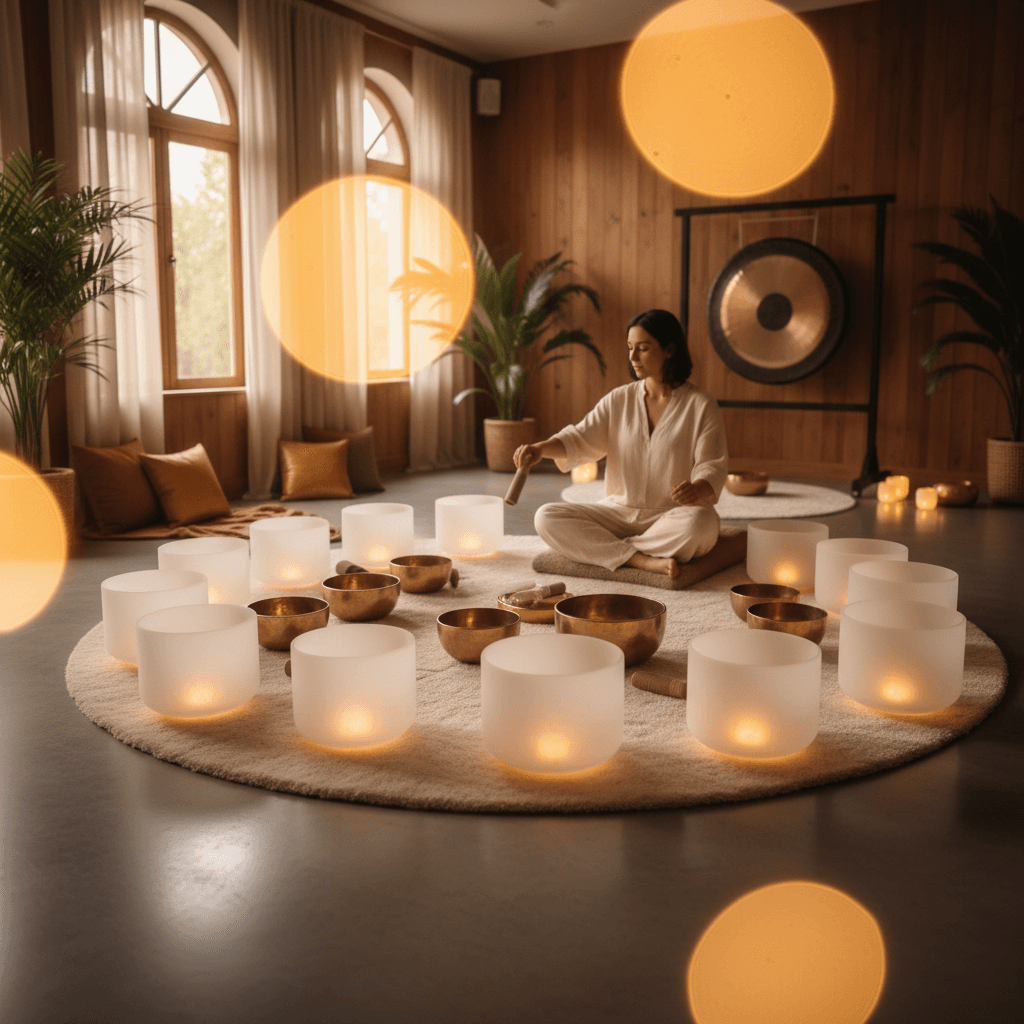
The experience begins with gentle guidance into a state of comfortable receptivity, often lying down in a serene setting. As the session unfolds, Larissa Steinbach skillfully introduces an array of instruments, each carefully selected for its unique vibrational quality. These may include the resonant tones of Himalayan singing bowls, the deep, pervasive waves of gongs, the delicate chimes of Koshi, and other sacred sound tools. The sounds are not merely listened to; they are felt, reverberating through the body and mind.
The deep vibrations penetrate the cellular level, gently massaging the body and inducing a profound state of relaxation. This physiological response can shift brainwave states from active beta waves to more relaxed alpha and theta waves, associated with meditation, creativity, and deep rest. In this state, the sympathetic "fight or flight" nervous system calms, and the parasympathetic "rest and digest" system activates, promoting healing and regeneration. This sustained period of deep relaxation may support improved sleep quality, which is critical for brain recovery, and reduce stress-related symptoms, often exacerbated after TBI.
Clients often report a sense of profound peace, mental clarity, and emotional release during and after sessions. The coherent sound frequencies may help to "tune" brainwave patterns, potentially aiding in improved focus and cognitive processing. For individuals navigating the emotional aftermath of TBI, the non-verbal nature of sound can provide an accessible avenue for processing emotions and finding inner equilibrium, fostering a greater sense of emotional balance and well-being.
"The subtle power of sound extends beyond mere auditory perception; it offers a direct pathway to the nervous system, potentially guiding the brain towards its innate capacity for balance and healing."
This complementary approach focuses on creating an optimal internal environment, where the brain and body can naturally lean into their self-repair mechanisms. It is a holistic wellness practice that prioritizes soothing the nervous system, reducing mental agitation, and fostering a deep sense of inner calm, all of which are invaluable in the intricate process of TBI recovery.
The Soul Art Approach
At Soul Art Dubai, Larissa Steinbach has meticulously crafted a unique sound wellness experience that harmonizes ancient wisdom with contemporary scientific understanding. Her approach goes beyond simply playing instruments; it is an intentional facilitation of healing frequencies designed to create an immersive environment for optimal brain and body relaxation. The Soul Art method is distinctive in its personalized care and the profound intention woven into every session, aiming to support each individual's unique journey of well-being.
Larissa's philosophy centers on the belief that purposeful sound can act as a powerful catalyst for internal shifts, gently guiding the mind and body toward equilibrium. She draws upon a rich array of sacred sound instruments, each chosen for its specific vibrational signature and therapeutic qualities. These include:
- Himalayan Singing Bowls: Known for their rich, sustained overtones that resonate deeply within the body.
- Gongs: Generating expansive, complex sound waves that can induce profound states of relaxation and altered consciousness.
- Koshi Chimes: Producing delicate, melodic tones that soothe the mind and uplift the spirit.
- Crystal Bowls: Emitting pure, clear tones that align with energy centers, promoting harmony.
What makes the Soul Art method particularly unique is Larissa's intuitive ability to attune the soundscape to the specific needs of her clients. She understands that individuals recovering from TBI may experience heightened sensitivities or unique challenges, and she tailors the intensity, duration, and sequence of sounds accordingly. This careful calibration ensures a safe, supportive, and deeply impactful experience.
The studio environment itself is thoughtfully designed to enhance the sound journey, creating a sanctuary away from the stresses of daily life. This serene atmosphere, combined with Larissa's expertise, allows participants to fully surrender to the healing vibrations. Through this holistic wellness practice, Soul Art aims to complement traditional recovery pathways, offering a space where the brain can unwind, rebalance, and potentially reactivate its inherent capacity for self-regulation and repair.
Larissa Steinbach's dedication to providing a nurturing space for stress management and relaxation techniques makes Soul Art a premier destination for those seeking innovative avenues to support their overall well-being, including those on a journey of TBI recovery. Her commitment to gentle yet powerful sound experiences exemplifies the "quiet luxury" of profound internal transformation.
Your Next Steps
Embarking on a journey of wellness after TBI requires patience, diligence, and an openness to diverse supportive practices. Integrating sound wellness into your routine can be a gentle yet powerful step towards fostering cognitive resilience and emotional balance. If you or a loved one are navigating the path of TBI recovery, consider these actionable steps to explore the potential benefits of sound:
- Consult with Your Healthcare Team: Always discuss any complementary wellness practices with your medical professionals. Sound wellness is a complementary approach and should be integrated alongside, not as a replacement for, professional medical care and prescribed rehabilitation plans.
- Mindful Listening Practice: Begin by intentionally listening to calming music or natural soundscapes (e.g., ocean waves, gentle rain) for short periods each day. Focus on how the sounds make you feel, observing any shifts in your mood or mental state. This simple self-care practice can help train your brain for deeper relaxation.
- Explore Guided Sound Meditations: Many online resources offer guided sound meditations specifically designed for relaxation and stress reduction. These can introduce you to different frequencies and instruments in a controlled, accessible way, helping you discover what resonates most with you.
- Create a Calming Home Environment: Use ambient sounds or soft, instrumental music to cultivate a peaceful atmosphere in your living space. This consistent exposure to gentle frequencies can aid in reducing daily stressors and promoting a sense of well-being, which is beneficial for the nervous system.
- Experience a Professional Sound Bath: To truly understand the immersive power of sound wellness, consider attending a session with a qualified practitioner. A session with Larissa Steinbach at Soul Art Dubai offers a carefully curated environment where you can experience the full spectrum of therapeutic vibrations in a supportive setting. This direct experience can provide profound relaxation and insights into its potential benefits for your personal wellness journey.
Taking these steps can help you gently integrate the potential benefits of sound into your life, fostering a more harmonious and supportive environment for your continued well-being.
In Summary
The journey of recovery from Traumatic Brain Injury is profoundly challenging, yet the emerging field of sound wellness offers a hopeful complementary approach. Research consistently highlights the potential of music-based interventions and sound practices to support neuroplasticity, enhance cognitive function, improve emotional regulation, and even influence crucial biochemical markers like BDNF and microglia. While further robust studies are warranted, the existing evidence suggests that sound may play a meaningful role in fostering the brain's innate capacity for repair and adaptation.
At Soul Art Dubai, Larissa Steinbach champions this innovative path, providing a serene sanctuary where individuals can experience the transformative power of sound. Through expertly guided sound baths, clients may find deep relaxation, reduced stress, and enhanced overall well-being, all crucial elements in navigating the complexities of TBI recovery. We invite you to explore this profound journey and discover how sound can become a harmonious partner in your pursuit of holistic wellness.
Bookings Coming Soon
Soul Art is still in preparation. Session details and booking will be published here after launch.
Coming Soon
Wellness Disclaimer: This article is for educational and informational purposes only. It does not constitute medical advice, diagnosis, or treatment. Soul Art Dubai provides non-medical wellness experiences focused on relaxation, stress management, and general wellbeing. Sound wellness is a complementary practice and should not replace professional medical care.