Sweet Surrender: How Sound Wellness Breaks Sugar's Hold

Key Insights
Explore the neuroscience of sugar addiction and discover how Larissa Steinbach's Soul Art sound wellness offers a unique path to reclaiming control.
Can a seemingly innocuous sweet treat truly be compared to addictive substances? For many, the answer lies in a frustrating cycle of intense cravings, temporary relief, and subsequent guilt. Far from a simple lack of willpower, the pervasive challenge of sugar addiction is deeply rooted in our biology, influencing our brain chemistry and hormonal balance.
At Soul Art, Dubai's premier sound wellness studio, founder Larissa Steinbach understands that true transformation begins with understanding the intricate dance between our minds and bodies. This article will delve into the compelling science behind sugar cravings, exploring how it hijacks our reward systems and disrupts essential hormones. We will then reveal how the profound power of sound wellness, through carefully curated experiences at Soul Art, may support individuals in breaking free from sugar's grasp, fostering a sense of balance and well-being.
The Neurobiology of Sweet Obsession: Unpacking Sugar's Brain Impact
The journey to understanding sugar's powerful pull begins in the intricate networks of our brain. Recent scientific attention has highlighted striking parallels between excessive sugar consumption and the neurochemical changes observed with drugs of abuse. This isn't merely anecdotal; research indicates that sugar can indeed trigger a cascade of responses that deeply influence our behavior and choices.
The Brain's Reward System: A Double-Edged Sweetener
Our brains are hardwired to seek out rewards, a system designed to encourage survival by reinforcing behaviors like eating and procreation. When we consume sugar, particularly highly processed forms, it activates these reward circuits by triggering a rapid release of dopamine, a neurotransmitter associated with pleasure and motivation. This initial surge creates a pleasurable "high" that the brain quickly learns to associate with sugar.
Over time, chronic exposure to high-sugar foods can alter these delicate reward circuits. Studies using brain imaging have shown that consuming highly processed carbohydrates can activate brain regions involved in reward and cravings, similar to what is seen with addictive substances. This constant overstimulation can lead to a desensitization of dopamine receptors, meaning more sugar is needed to achieve the same pleasurable effect, potentially leading to heightened cravings and a dependence on sugar, as noted by research from Prevention Clinics.
While some researchers argue that sugar does not meet all strict clinical criteria for addiction in the same way as substances like alcohol or opioids, there is compelling evidence for "addiction-like behaviours." Animal studies, for instance, have demonstrated that rats can develop dependency-like patterns, exhibiting bingeing, withdrawal symptoms (such as anxiety and tremor), and conditioned place preference for sugar, according to studies published in PMC. This suggests a significant physiological component to sugar cravings that extends beyond mere enjoyment.
Hormonal Havoc: Ghrelin, Leptin, and the Insulin Rollercoaster
The brain's response to sugar is also heavily influenced by a complex interplay of hormones that regulate hunger, satiety, and energy balance. These hormones, primarily ghrelin, leptin, and insulin, play critical roles in signaling to our brain whether we are hungry, full, or need an energy boost. When sugar enters the picture, this delicate balance can be significantly disrupted.
Ghrelin, often dubbed the "hunger hormone," signals to the brain when it's time to eat. Conversely, leptin is the "satiety hormone," informing the brain when we have had enough. Chronic high sugar intake, particularly of fructose, has been suggested to interfere with these signals, potentially dulling leptin's effectiveness and keeping ghrelin levels higher, leading to persistent feelings of hunger even when the body has sufficient energy stores. Research in The Journal of the American Medical Association indicated that fructose, but not glucose, altered blood flow in brain areas that stimulate appetite, suggesting it directly encourages us to eat more.
Perhaps the most significant player in the sugar-craving cycle is insulin. When we consume sugar, our pancreas releases insulin to transport glucose from the bloodstream into cells for energy. A rapid influx of sugar, common with highly processed foods, leads to a sharp spike in insulin. This can cause blood sugar levels to drop quickly afterward, resulting in an "insulin-induced crash," as explained by UCLA Health. This sudden dip in energy prompts the brain to send urgent messages demanding more sugar, as it perceives this as the fastest way to regain energy, perpetuating a relentless cycle of craving and consumption.
The Vicious Cycle: Craving, Withdrawal, and Relapse
Understanding the neurophysiological underpinnings of sugar cravings empowers us to develop more effective strategies. The experience of "sugar addiction" is often characterized by a predictable, distressing cycle: craving, followed by consumption, and then potentially withdrawal symptoms upon deprivation, which can trigger relapse. This isn't simply a matter of willpower; it’s a complex interaction with your brain's reward systems, hormones, and cognitive functions.
Craving is defined as an intense desire for a substance, often magnified after a period of abstinence. For individuals battling sugar, this craving can feel overwhelming, driving impulsive eating behaviors. Clinical accounts describe people experiencing symptoms akin to withdrawal when they attempt to deprive themselves of sugar-rich foods, including irritability, anxiety, and even physical discomfort. These experiences can lead to a self-medication cycle, where sweet foods are used to alleviate negative feelings, potentially resulting in adverse health outcomes or disordered eating patterns.
"The battle against sugar cravings isn't simply a matter of willpower; it's a complex interaction with your brain's reward systems, hormones, and cognitive functions."
Chronic exposure to high-sugar foods can alter these reward circuits, potentially leading to heightened cravings and a dependence on sugar. The system that evolved to encourage us to seek out high-energy foods, once scarce, is now overstimulated in a world of abundant, hyper-palatable sugary options. This ancient mechanism, combined with modern dietary habits, can easily become a vicious cycle of craving, consumption, and the subsequent struggle to break free.
Beyond Willpower: Reclaiming Control Over Your Cravings
Breaking free from the grip of sugar requires more than just sheer determination; it demands a strategic, holistic approach that addresses the physiological and psychological dimensions of cravings. While "going cold turkey" can be effective for some, particularly when successful in the initial two to three days, others may find it leads to a pattern of deprivation and relapse. The key is to work with your brain and body, rather than against them, fostering resilience and balance.
When caught in the throes of a sugar craving, the experience is often visceral. One might feel a sudden, intense urge, a gnawing sensation, or a mental preoccupation with specific sweet treats. This isn't a moral failing; it's a powerful signal from a brain that has been conditioned to seek out a rapid dopamine hit or a quick energy fix. Understanding this physiological basis can shift the narrative from self-blame to empowered self-management.
Chronic stress, anxiety, and emotional imbalances significantly exacerbate sugar cravings. When we are stressed, our bodies release cortisol, a hormone that can increase appetite and specifically prompt cravings for high-sugar, high-fat comfort foods. These foods provide a temporary sense of solace, creating a detrimental feedback loop where stress drives sugar consumption, which in turn can disrupt mood and energy further, creating more stress.
This is where a multi-faceted approach, incorporating mindful dietary choices, stress management techniques, and supportive wellness practices, becomes crucial. By addressing the underlying triggers and fostering internal calm, individuals can gradually reduce the intensity and frequency of cravings. Strategies might include identifying and avoiding high-fructose corn syrup, focusing on nutrient-rich whole foods, and exploring alternative non-food rewards. The aim is to cultivate lifestyle habits that support a balanced, resilient brain, ultimately leading to a healthier, more controlled relationship with sugar.
Soul Art's Resonance: Harmonizing the Body and Mind Through Sound
At Soul Art, Larissa Steinbach and her team offer a unique and profound pathway to support individuals in navigating and ultimately breaking the cycle of sugar cravings. Our approach centers on the transformative power of sound wellness, a complementary practice designed to harmonize the nervous system and cultivate deep inner peace. This isn't a direct treatment for addiction, but a powerful supportive tool for stress management and self-regulation that may indirectly lessen the physiological and psychological drives behind sugar cravings.
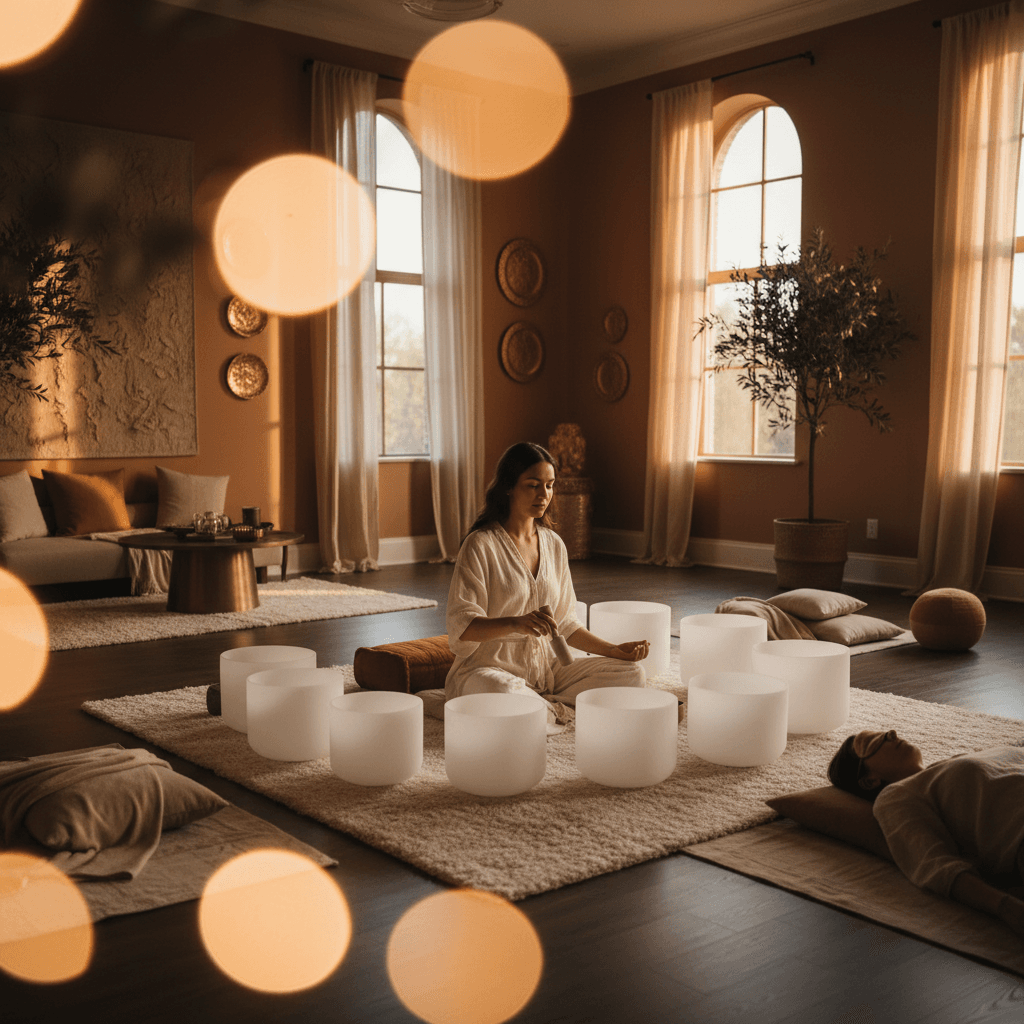
Larissa Steinbach's philosophy at Soul Art is rooted in creating a sanctuary where the body and mind can find resonance and restoration. Through immersive sound experiences, utilizing instruments like Himalayan singing bowls, crystal bowls, gongs, and chimes, clients are guided into states of deep relaxation. The specific frequencies and vibrations generated during a sound bath can gently shift brainwave states from active beta waves to more relaxed alpha and theta waves. This shift is crucial for de-stressing the nervous system.
When the body enters a state of deep relaxation, the parasympathetic nervous system is activated, counteracting the "fight or flight" response often associated with chronic stress and heightened cravings. This activation may support the reduction of stress hormones like cortisol, which, as discussed, can fuel the desire for sugary foods. Many people report that regular sound wellness sessions help them feel more grounded, less anxious, and more emotionally balanced – states that naturally diminish the urge to seek external comforts like sugar.
The Soul Art method focuses on creating a space for profound internal calm and self-awareness. By regularly engaging in these relaxation practices, individuals may develop a greater capacity to observe their cravings without immediately reacting to them. This enhanced self-regulation is a cornerstone of breaking any habitual cycle. Larissa Steinbach curates each session to provide not just auditory pleasure, but a holistic experience that promotes mental clarity and emotional resilience, empowering clients to make more conscious, healthier choices. The gentle yet powerful vibrations are believed to help release tension, quiet the incessant mental chatter, and foster an environment where the body's natural healing and balancing mechanisms may flourish.
Cultivating a Balanced Life: Actionable Steps Towards Sugar Freedom
Reclaiming control over your relationship with sugar is a journey, not a destination, and it involves consistent, mindful effort. While the physiological aspects of sugar cravings can be challenging, integrating practical steps into your daily life, complemented by wellness practices like those at Soul Art, can significantly support your progress.
Here are some actionable steps you can implement today to start cultivating a balanced life and fostering sugar freedom:
- Become a Label Detective: Begin by reading food labels diligently. Many hidden sugars, often disguised as high-fructose corn syrup, maltodextrin, or dextrose, lurk in unexpected places like sauces, dressings, and bread. Making informed choices about what you consume is a powerful first step. Focus on whole, unprocessed foods that naturally have less added sugar.
- Mindful Eating and Trigger Identification: Pay close attention to when and why cravings arise. Are you bored, stressed, tired, or genuinely hungry? Identifying these emotional or situational triggers can help you develop alternative coping mechanisms that don't involve sugar. Practice eating slowly and savoring your food, allowing your body to register fullness.
- Prioritize Sleep and Stress Management: Chronic sleep deprivation and high stress levels are major contributors to increased sugar cravings. Aim for 7-9 hours of quality sleep per night and incorporate daily stress-reduction techniques. This could be meditation, gentle exercise, deep breathing, or, significantly, sound wellness sessions. A well-rested and less-stressed body is less likely to demand quick energy fixes from sugar.
- Explore Alternative Rewards and Pleasures: Shift your focus from food-based rewards to experiences that truly nourish you. This might involve spending time in nature, engaging in a creative hobby, connecting with loved ones, or immersing yourself in a relaxing sound bath. Finding joy and satisfaction outside of sugary treats can gradually diminish their allure.
- Hydrate Adequately: Sometimes, what feels like a sugar craving is actually a signal of dehydration. Ensure you are drinking enough water throughout the day. Keeping a water bottle handy and sipping regularly can sometimes curb unnecessary cravings.
Embracing these steps, alongside the profound support of practices like sound wellness at Soul Art, can empower you to gradually release sugar's hold. If you're ready to explore a deeper state of calm and resilience, consider taking the next step with Soul Art.
Embracing Sweet Freedom: A Holistic Path with Soul Art
The journey to breaking free from sugar's pervasive influence is a testament to resilience and self-awareness. We've explored how sugar impacts our brain's reward systems, creates hormonal imbalances, and perpetuates a cycle of craving and consumption. It's clear that this challenge goes far beyond mere willpower, deeply intertwining with our physiology and emotional states.
Soul Art, founded by Larissa Steinbach, offers a supportive, complementary pathway to navigate this complex landscape. By harmonizing the nervous system and fostering deep relaxation through immersive sound wellness experiences, Soul Art provides a unique tool for stress management and enhanced self-regulation. This approach may support individuals in reducing the physiological and psychological drivers of sugar cravings, empowering them to reclaim control and cultivate a healthier, more balanced relationship with food. Discover how deep relaxation can unlock a new sense of freedom and well-being.
Bookings Coming Soon
Soul Art is still in preparation. Session details and booking will be published here after launch.
Coming Soon
Wellness Disclaimer: This article is for educational and informational purposes only. It does not constitute medical advice, diagnosis, or treatment. Soul Art Dubai provides non-medical wellness experiences focused on relaxation, stress management, and general wellbeing. Sound wellness is a complementary practice and should not replace professional medical care.
Related Articles

LGBTQ+ Recovery: Sound Wellness for Inclusive Healing & Regulation
Relationship Recovery: The Science of Sound for Intimacy

Soulful Connections: The Science of Shared Sound Practices and Well-being Sponsorship