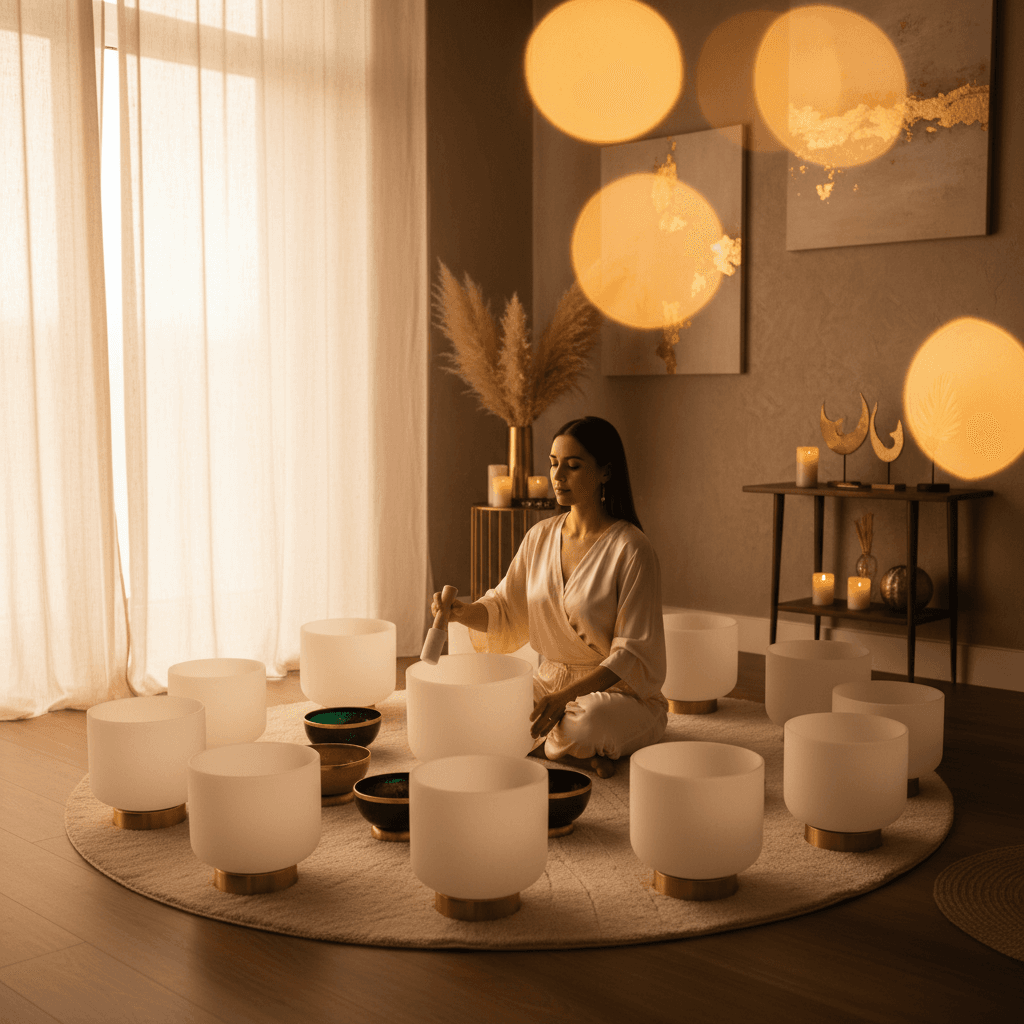
Crafting Calm: The Science of Healing Studio Design for Wellness
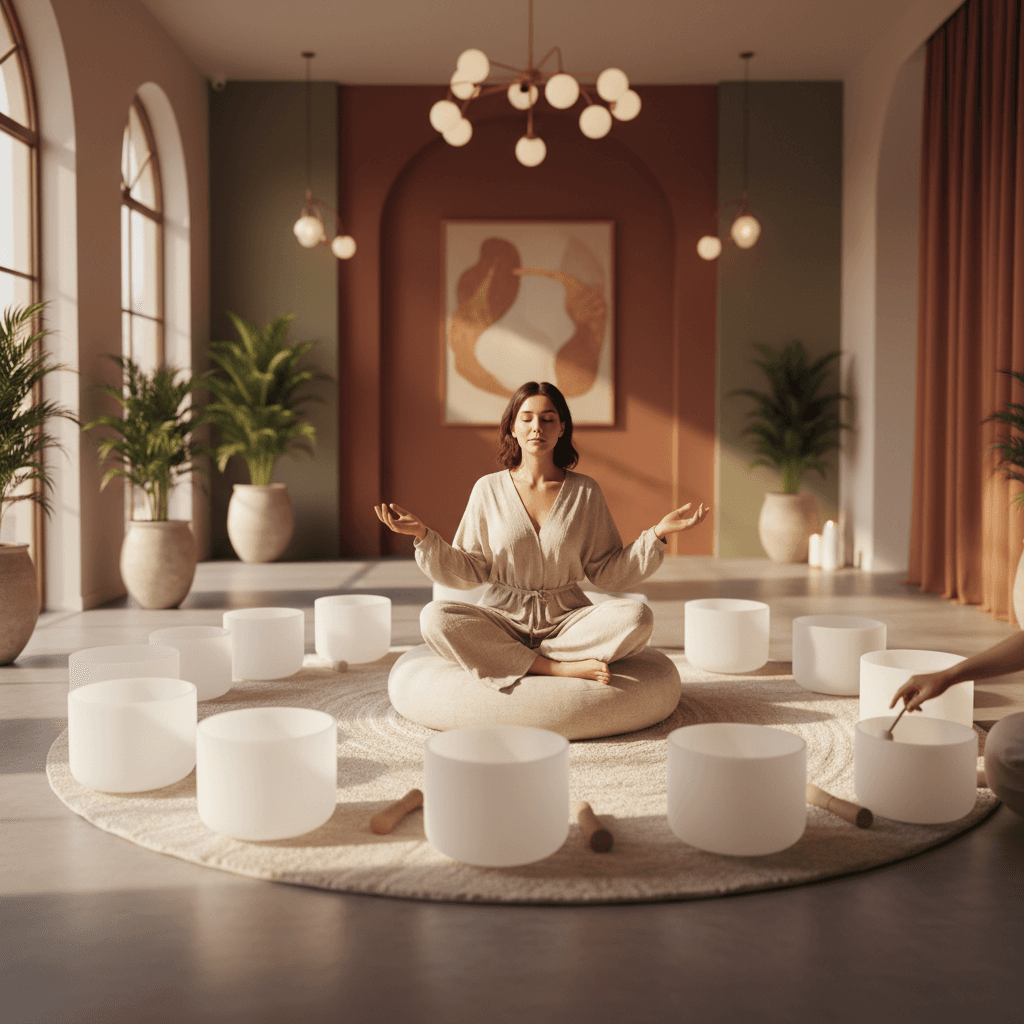
Key Insights
Discover how Evidence-Based Design transforms spaces into sanctuaries of well-being, leveraging science to create healing environments for mind and body at Soul Art Dubai.
Crafting Calm: The Science of Healing Studio Design for Wellness
Could the very walls around you be actively participating in your healing journey? It's not just a poetic notion, but a scientifically validated principle known as Evidence-Based Design (EBD). Far from mere aesthetics, the thoughtful construction and adornment of our environments hold profound power to influence our physiological and psychological states. This understanding is revolutionizing how spaces are conceived, especially within the rapidly evolving landscape of wellness.
At Soul Art, Dubai's premier sound wellness studio, we recognize that true rejuvenation extends beyond the session itself. It begins the moment you step into our space, where every element has been meticulously curated to support your inherent capacity for well-being. This article delves into the fascinating science behind creating environments that foster calm, reduce stress, and promote deep relaxation, unveiling the principles that guide our unique approach.
Prepare to explore how intentional design can transform an ordinary room into a sanctuary, illustrating why where you heal is just as crucial as how you heal. This knowledge empowers you to understand the subtle yet powerful forces shaping your experience, not only at Soul Art but in every space you inhabit.
The Science Explained: Architecting Serenity
The notion that our surroundings impact our health is intuitively understood, yet modern science provides robust evidence for this profound connection. A new report from the ASLA Conference on Landscape Architecture, "The Power of Sacred Places," highlights decades of research proving nature's remarkable therapeutic benefits. This isn't just anecdotal; it's a testament to how our designed environments profoundly shape our mental and physical states, contributing to or detracting from our overall well-being.
What is Evidence-Based Design (EBD)?
Evidence-Based Design (EBD) is a multidisciplinary approach that uses credible research to inform and guide the design process, particularly in environments intended for healing and well-being. It bridges the gap between scientific inquiry and architectural practice, ensuring that design choices are not arbitrary but are rooted in data about human responses. As researchers like Alvaro Valera Sosa suggest, EBD aims to create spaces that evoke feelings of serenity, calm, and relaxation, thereby facilitating natural restorative processes. This approach moves beyond simple aesthetics to create measurable positive impacts on occupants.
EBD considers various factors identified through extensive studies, including functional design, sensory elements, and the psychological impact of space configuration. It acknowledges that health, as defined by the World Health Organization, is a state of complete physical, mental, and social well-being, which can be disrupted by stress. Thoughtful design, therefore, acts as a crucial parameter in supporting holistic health, even in non-clinical settings.
The Biophilic Imperative: Nature's Healing Touch
One of the most compelling pillars of EBD is biophilic design – the integration of natural elements into built environments. The scientific evidence for the nature-health connection is overwhelming, demonstrating that exposure to nature may support significant therapeutic benefits. This can range from direct interactions, like spending time in green spaces, to indirect exposure, such as looking out a window onto a natural scene. Studies have shown that patients exposed to nature scenes experience less anxiety, fewer pain medication requests, and quicker post-operative recovery.
Visual elements are fundamental in therapeutic environments. Research indicates that visual stimuli, especially environments characterized by high plant diversity, play a crucial role in promoting psychological recovery and mitigating mental fatigue. The deliberate use of natural light, color palettes inspired by nature, and organic forms generates visual configurations that foster positive emotional states. Even the presence of natural materials like wood has been shown to attract attention and elicit higher comfort scores across various age groups, demonstrating its universal appeal and calming effect.
"The deliberate use of color, form, and lighting generates visual configurations that mitigate mental fatigue and foster positive emotional states."
Incorporating plants directly into healing spaces is another powerful biophilic strategy. A 2003 study revealed that patients prefer natural lighting and a window in their rooms, which not only improves satisfaction but has also been associated with decreased delirium rates. These elements contribute to a sense of vitality and connection, reminding us of the dynamic, restorative power of the natural world.
The Neuroscience of Calm: Shaping Perception
Our brains are constantly interpreting environmental cues, and these interpretations directly influence our nervous system. A thoughtfully designed space can trigger a "progressive stress reduction" response, gently guiding the mind away from busy, overstimulating environments towards calm. This process is not merely subjective; it involves quantifiable physiological changes such as reduced cortisol levels, lowered heart rate, and improved parasympathetic nervous system activity, which is responsible for "rest and digest" functions.
The sensory dimensions of a space—what we see, hear, and even feel—are primary drivers of psychological outcomes. Visual variety and complexity can counteract the monotony that contributes to mental fatigue, while graduated visual transitions can guide focus and promote contemplation. Beyond the visual, the acoustic environment is equally vital. While not extensively detailed in the provided architectural studies, the principles of EBD extend to sound, recognizing that a harmonious soundscape or the absence of jarring noise can profoundly impact brainwave states and overall relaxation.
Empowering Choice and Personalization
Crucially, effective healing spaces offer users a sense of control and autonomy. This means providing the ability to select environments that best suit their mental and emotional conditions, whether through access to communal spaces or private, secluded areas. Empirical research has found that a high level of voluntary choice significantly increases a person's sense of control, which in turn may support the healing process. This personalization acknowledges that healing is a highly individual phenomenon, deeply influenced by personal characteristics.
A holistic approach also considers the diverse needs of different users, including age and individual preferences. Studies exploring biophilic design elements have revealed age-related differences in visual exploration and comfort ratings, underscoring the need for adaptable designs. By recognizing that various design elements of the interior environment are perceived simultaneously and uniquely, EBD strives to provide more personalized demands, shifting towards an interdisciplinary and integrated strategy for well-being.
How It Works in Practice: Crafting a Sensory Journey
Translating the scientific principles of Evidence-Based Design into a tangible wellness experience involves a meticulous focus on every sensory detail. At Soul Art, we understand that a healing space must engage all senses, creating a cohesive environment that supports profound relaxation and inner harmony. This intentionality ensures that clients are enveloped in a cocoon of calm from the moment they arrive.
The Sensory Journey: From Arrival to Release
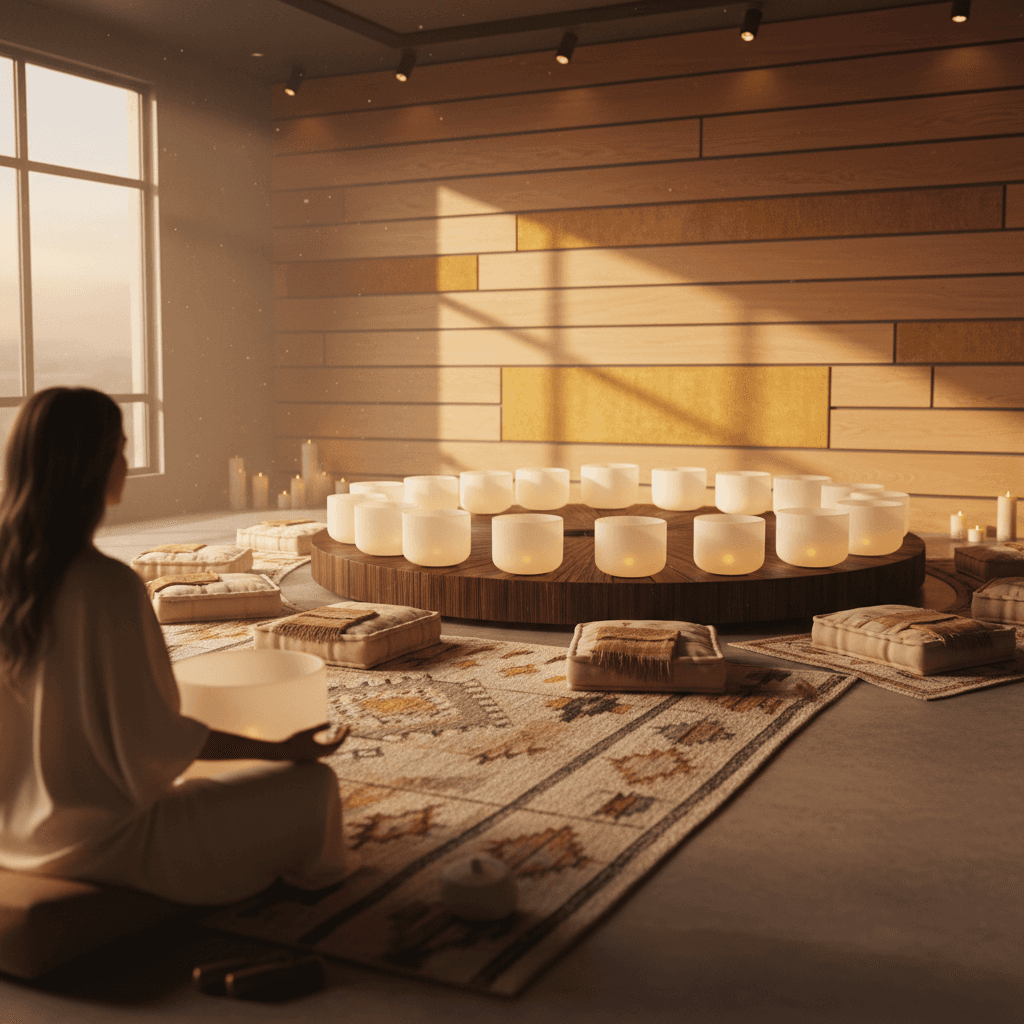
The journey begins before a session even starts, as clients transition from the bustling energy of Dubai into our tranquil haven. Our studio design prioritizes a "progressive stress reduction" route, subtly diverting attention from external stressors to an internal state of readiness for relaxation. Soft, diffused lighting replaces harsh overheads, guiding the eye and calming the nervous system. The deliberate use of natural materials, such as polished wood surfaces and tactile fabrics, invites a gentle physical engagement with the space, fostering a sense of grounding and comfort.
Visual elements are carefully curated to promote psychological recovery. High plant diversity, even if through living walls or thoughtfully placed botanical arrangements, introduces the calming patterns of nature. The deliberate use of soothing color palettes—deep blues, muted greens, and warm earth tones—mitigates mental fatigue and cultivates positive emotional states. These visual configurations are designed to be both aesthetically pleasing and neurologically calming, setting the stage for deep inner work.
Empowering Choice and Personal Sanctuary
Understanding that individual comfort is paramount, our studio design integrates opportunities for personal choice. While communal sound journeys foster a sense of shared experience, we also provide elements that allow clients to find their unique sense of peace. This might include adjustable seating options, subtle dividers that create a feeling of enclosure, or areas that offer a sense of visual privacy. This empowerment contributes to a higher sense of control and autonomy, key factors in facilitating the healing process.
Clients are subtly encouraged to find their ideal spot, whether nestled in a corner or more centrally located, ensuring that their personal preferences are honored. This conscious provision of choice ensures that the environment serves the individual, rather than dictating their experience. It is this nuanced understanding of human psychology that elevates a simple room into a true healing sanctuary, one that adapts to the user's needs.
Beyond the Visual: The Power of Auditory Design
While architectural EBD often emphasizes visual and spatial elements, at Soul Art, the auditory dimension is equally, if not more, critical. Our sound wellness studio is designed with an acute awareness of acoustics, recognizing that sound is a fundamental sensory input with profound effects on psychological and physiological states. The choice of materials, room dimensions, and strategic soundproofing all contribute to an environment where external noise is minimized, allowing the deep resonant frequencies of sound healing instruments to truly penetrate.
The goal is to create an immersive soundscape where therapeutic frequencies can unfold without interference, inducing states of deep relaxation and meditation. This intentional auditory design complements the visual and tactile elements, creating a holistic sensory experience that gently guides the nervous system into a state of rest and repair. The architecture itself becomes an instrument, amplifying the studio's purpose and enriching every session.
The Soul Art Approach: Larissa Steinbach's Vision for Immersive Wellness
At Soul Art, Larissa Steinbach’s vision transcends the conventional understanding of a wellness studio. It embodies a commitment to fusing ancient sound healing traditions with cutting-edge scientific principles of healing architecture. Her approach is rooted in the belief that true well-being is a multifaceted experience, profoundly influenced by both internal practices and external environments. This philosophy forms the bedrock of Soul Art's unique methodology, distinguishing it as Dubai's premier destination for immersive sound wellness.
Larissa Steinbach meticulously applies Evidence-Based Design principles to every aspect of the Soul Art studio. This means that every material, every light source, and every spatial arrangement is deliberately chosen for its proven capacity to promote calm and support physiological balance. The goal is to create a 'sacred space' that prepares the body and mind for the profound journey of sound. The environment itself becomes an active participant in the wellness process, reducing external distractions and enhancing internal focus.
What makes the Soul Art method unique is its holistic integration of visual, tactile, and especially auditory design into a seamless healing experience. While many spaces focus solely on aesthetics, Soul Art prioritizes the neurological and energetic impact of its design choices. The studio is more than just a room; it is a finely tuned instrument, carefully calibrated to enhance the resonance of the sound healing instruments and facilitate deep meditative states.
Specific instruments, such as Himalayan singing bowls, crystal singing bowls, gongs, and chimes, are carefully selected not only for their vibrational frequencies but also for how their sounds interact with the studio's acoustics. The architectural design of the space—its ceiling height, wall textures, and floor materials—are chosen to optimize sound diffusion and resonance, creating an enveloping soundscape. This thoughtful engineering ensures that the therapeutic frequencies are experienced uniformly and deeply, allowing for profound nervous system regulation and stress reduction.
Furthermore, Larissa Steinbach ensures that biophilic elements are thoughtfully woven into the studio's fabric. Subtle hints of nature, diffused natural light where possible, and organic textures contribute to a serene ambiance that echoes the proven healing effects of the natural world. This careful blend of biophilic principles with advanced acoustic design creates an unparalleled environment where clients can truly disconnect from the demands of urban life and reconnect with their inner calm.
Your Next Steps: Cultivating Healing in Your Own Space
The principles of Evidence-Based Design aren't exclusive to dedicated wellness studios. You can consciously apply many of these insights to enhance well-being and reduce stress in your own daily environments, transforming your home or workspace into a more supportive sanctuary. Small, intentional changes can yield significant positive impacts on your mental and physical state.
Here are actionable steps you can implement today to start cultivating your own healing spaces:
- Embrace Biophilia: Introduce more natural elements into your living or working areas. This could be as simple as adding houseplants, displaying natural artworks, or ensuring you have clear views of nature from your windows. The mere presence of greenery has been associated with reduced stress.
- Optimize Lighting: Prioritize natural light whenever possible. Position your workspace near a window and use warm, diffused artificial lighting in the evenings to mimic natural light cycles. Avoid harsh, overhead fluorescent lights, which can contribute to eye strain and mental fatigue.
- Curate Your Soundscape: Pay attention to the sounds in your environment. Use noise-canceling headphones if needed, or introduce calming sounds like gentle instrumental music or nature sounds. Consider a white noise machine to mask disruptive background noise, creating a more peaceful auditory environment.
- Declutter and Simplify: A cluttered space can lead to a cluttered mind. Regularly declutter and organize your surroundings to create visual calm and reduce mental overload. This sense of order contributes to a feeling of control and tranquility.
- Create a "Choice" Corner: Designate a specific area in your home where you feel most comfortable and relaxed. Equip it with items that bring you joy and calm – a cozy blanket, your favorite book, or a comfortable cushion. This personal sanctuary offers a space of autonomy and escape.
By applying these principles, you begin to consciously design your surroundings to support your well-being. And when you're ready to experience a space meticulously crafted for profound sound wellness, we invite you to explore the unique environment Larissa Steinbach has created at Soul Art.
In Summary: Design for Deeper Well-being
The profound impact of our physical environments on our mental and physical health is a scientifically substantiated truth. Evidence-Based Design provides a powerful framework for creating spaces that actively promote healing, reduce stress, and cultivate a sense of profound well-being. By integrating elements like biophilic design, intentional sensory experiences, and empowering user choice, we can transform ordinary spaces into sanctuaries.
Larissa Steinbach's vision for Soul Art exemplifies this philosophy, offering a meticulously designed studio where every detail contributes to an immersive sound wellness journey. Our commitment to creating an environment that nurtures the nervous system and supports deep relaxation ensures an unparalleled experience. We invite you to discover the harmonizing power of truly healing design, and the transformative potential that awaits you at Soul Art.
Bookings Coming Soon
Soul Art is still in preparation. Session details and booking will be published here after launch.
Coming Soon
Wellness Disclaimer: This article is for educational and informational purposes only. It does not constitute medical advice, diagnosis, or treatment. Soul Art Dubai provides non-medical wellness experiences focused on relaxation, stress management, and general wellbeing. Sound wellness is a complementary practice and should not replace professional medical care.
Related Articles
Mastering Your Craft: The Lifelong Journey of Continuing Education
Niche Specialization: The Science of Finding Your Focus
Scaling Your Soul: Growth Strategies for Wellness Practices