Neuroplasticity & Sound: Stroke Recovery through Wellness
Key Insights
Explore how the brain's neuroplasticity, supported by sound wellness, offers a complementary path for stroke rehabilitation. Discover Soul Art's unique approach in Dubai.
Imagine the brain, an intricate universe within us, possessing an extraordinary power: the ability to rewire itself. This incredible capacity, known as neuroplasticity, offers a profound beacon of hope, particularly for individuals navigating the aftermath of a stroke. When a stroke occurs, it can disrupt vital brain functions, yet the brain often retains an inherent ability to adapt and reorganize its neural networks.
For decades, the focus of stroke rehabilitation has been on restoring lost functions, often through intensive physical and cognitive therapies. However, emerging research now sheds light on how innovative, complementary approaches, such as sound wellness, may support and even enhance these natural recovery processes. The integration of sound offers a gentle yet powerful pathway to potentially engage the brain in new ways.
At Soul Art, Dubai's premier sound wellness studio, founded by Larissa Steinbach, we explore how harmonious frequencies and resonant vibrations may foster an environment conducive to the brain's remarkable capacity for change. This article delves into the science of neuroplasticity, explains how sound may play a supportive role, and outlines a holistic approach to wellbeing after a stroke, emphasizing relaxation and stress reduction. You are about to discover the profound connection between your brain’s adaptability and the ancient wisdom of sound.
The Remarkable Science of Neuroplasticity in Brain Recovery
The human brain is not a static organ; it is a dynamic, ever-changing landscape. This adaptability is termed neuroplasticity, a fundamental biological process that allows the brain to reorganize its neural networks, form new connections, and even shift functions from damaged areas to healthy ones. This phenomenon is profoundly significant in the context of neurological injury, such as a stroke.
When a stroke damages parts of the brain, leading to impairments in movement, speech, or cognition, neuroplasticity becomes the brain's inherent mechanism for recovery. Research over the past two decades consistently highlights neuroplasticity's pivotal role in facilitating this reorganization around affected regions. It represents the brain's internal drive to find new ways to accomplish tasks that were once disrupted.
Principles Driving Neuroplasticity
Harnessing neuroplasticity is central to modern stroke rehabilitation. Studies indicate that several core principles are crucial for optimizing brain recovery:
- Specificity: The brain reorganizes in response to specific demands. Practicing a particular skill, like moving a limb or speaking, stimulates the neural pathways relevant to that task.
- Repetition: Consistent and frequent engagement in rehabilitation tasks is vital. Just as learning to play a musical instrument requires countless hours of practice, regaining function after a stroke demands repeated, meaningful movements and cognitive exercises. More practice often leads to stronger neural pathways.
- Intensity Matters: Research suggests that early and intensive physical therapy can significantly reduce disability and improve motor outcomes for individuals after a neurological event. Higher intensity, within safe limits, may drive greater neuroplastic changes.
- Salience: The training must be meaningful and relevant to the individual. Engaging tasks that hold personal importance or offer a sense of achievement can enhance motivation and brain engagement.
- Time: There may be a "window of enhanced plasticity" in the human motor cortex following an ischemic stroke, suggesting that early intervention can be particularly effective.
Sound's Potential Role in Neurological Wellness
Beyond traditional therapies, emerging evidence suggests that sound, rhythm, and music may offer a unique pathway to support neuroplasticity and overall neurological wellness. Music is a multi-domain stimulus that can increase activity-dependent neuroplasticity in the brain, providing a fertile environment for recovery. It engages various brain regions simultaneously, including the auditory cortex, motor areas, and emotional centers.
For individuals experiencing aphasia—a language impairment resulting from stroke—music-based interventions have shown promise. Therapeutic singing and melodic intonation therapy, which use musical tones or rhythm to induce speech, have been associated with improvements in language skills. Preliminary studies suggest that group singing interventions may even lead to significant brain activation changes within the singing network, particularly in the right hemisphere.
Furthermore, vocal music listening has been linked to enhanced structural connectivity in the brain's language network, which may support improved language skills. Even patient-led daily music listening for about one hour has been suggested as enough to produce behavioral and neuroplasticity gains. For motor function, music-supported therapy has been explored, with studies indicating positive impacts on movement abilities and motor plasticity in individuals with chronic stroke.
The integration of rhythmic auditory stimulation in rehabilitation is a developing field. While the exact mechanisms are still being explored, the ability of sound to engage multiple brain areas, promote relaxation, and provide a structured, repetitive stimulus aligns well with the principles of neuroplasticity. It offers a complementary, low-cost approach that may enhance engagement and motivation in the recovery journey.
Experiencing Sound Wellness: Connecting Science to Sensation
Understanding neuroplasticity and the brain's response to sound on a scientific level is one thing; experiencing its potential benefits in practice is another. At Soul Art, we bridge this gap by offering carefully curated sound wellness sessions designed to create an environment where the brain can feel supported in its natural processes of adaptation and reorganization. Our approach is complementary, focusing on deep relaxation, stress reduction, and fostering a sense of calm.
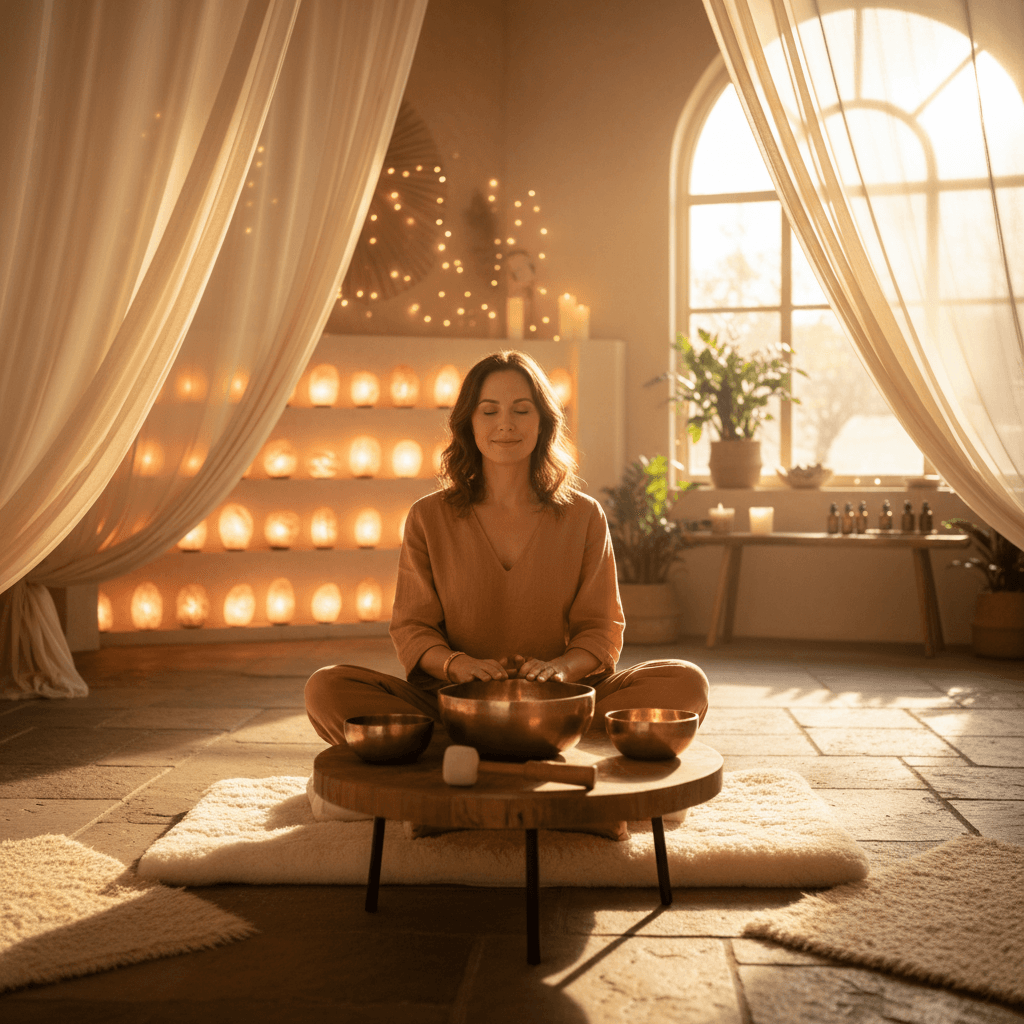
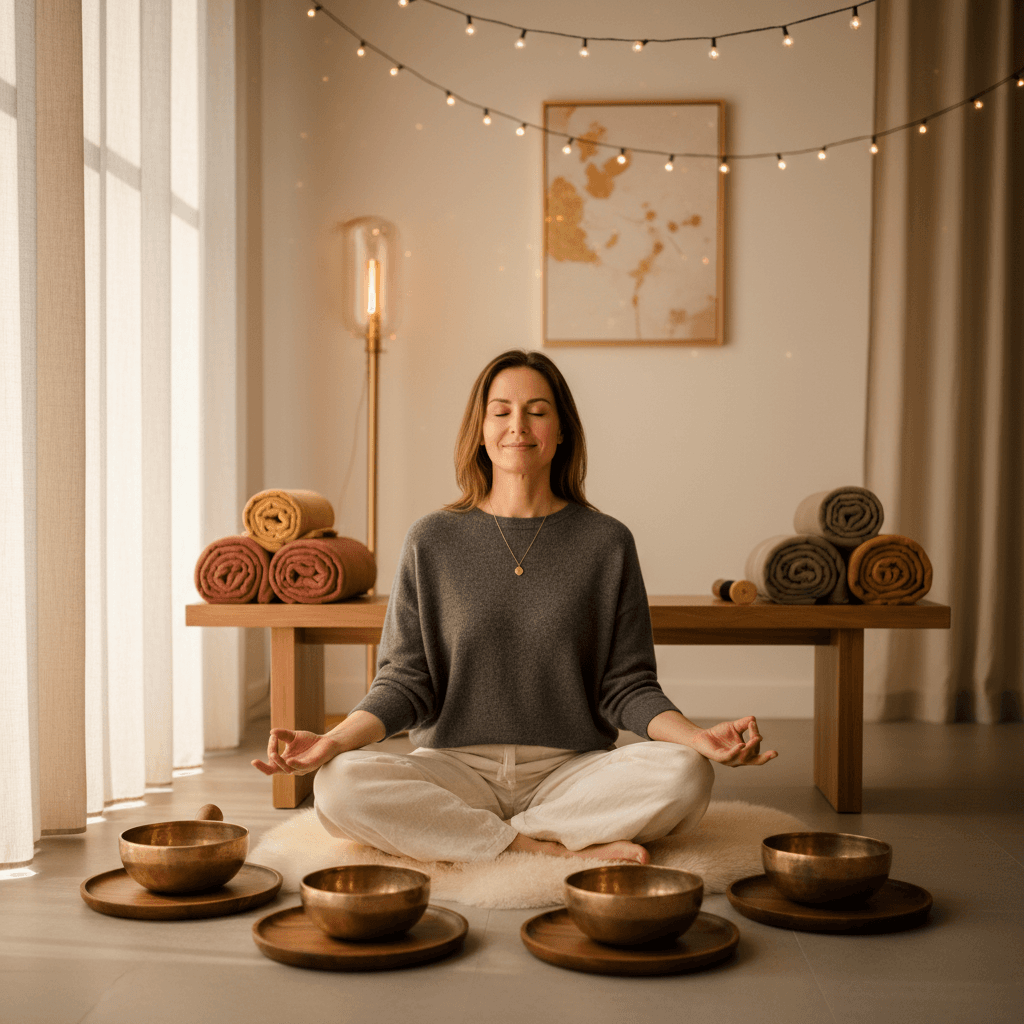
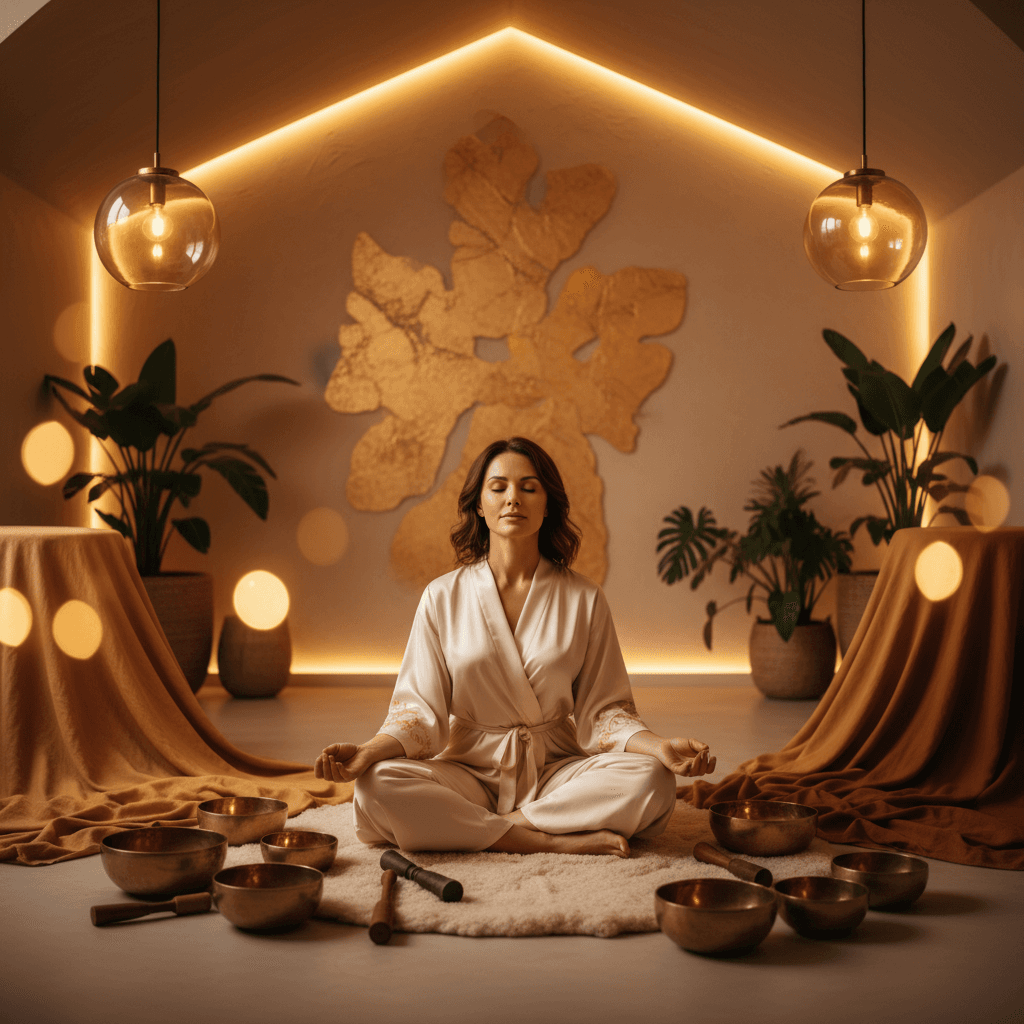
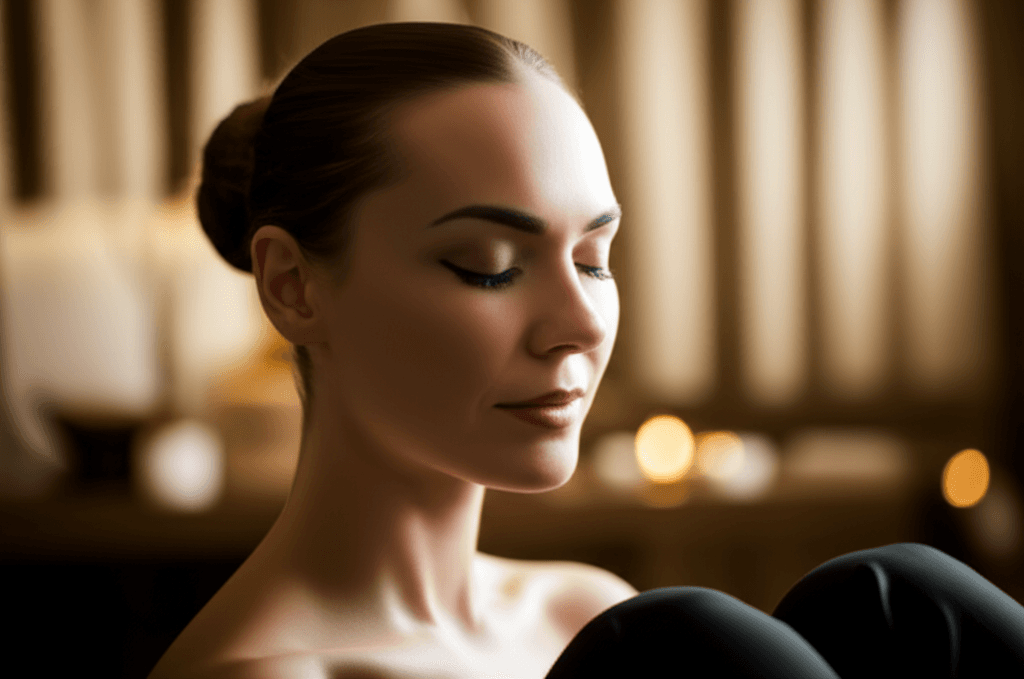
Imagine entering a tranquil space, softly lit and infused with a gentle aroma. You lie comfortably, perhaps enveloped in a warm blanket, as the session begins. Larissa Steinbach, or one of her trained practitioners, introduces a symphony of carefully selected instruments. The deep, resonant tones of Tibetan singing bowls begin to fill the air, their vibrations gently permeating the space and potentially resonating within the body.
Then, the profound sound of gongs washes over you. These complex soundscapes are not merely auditory; many people report experiencing them as tactile, a gentle wave moving through their physical being. The rhythmic pulses and sustained overtones may help to quiet the mental chatter, guiding the brain into more relaxed states, similar to those associated with deep meditation or restorative rest. This state of profound relaxation is often considered optimal for the body's natural healing and restorative functions.
The session may also incorporate tuning forks, applied gently near the body, offering precise vibrational frequencies. These subtle inputs are believed to gently engage the nervous system, potentially promoting a sense of balance and harmony. The focused listening required to follow the nuances of the sounds provides a form of gentle mental engagement, which, like other task-specific activities, may indirectly support neural pathways related to attention and auditory processing.
"The subtle power of sound lies in its ability to bypass the conscious mind, reaching deeper layers of our being and inviting the brain into a state of openness, ready for new possibilities."
This immersive experience is about creating a rich, sensory environment that may support the brain's inherent capacity for change. It is not about forcing specific outcomes but rather nurturing a conducive internal state. By reducing stress, promoting relaxation, and offering a unique form of auditory engagement, sound wellness provides a gentle, holistic path that may complement traditional rehabilitation strategies, encouraging the brain to feel safe and supported as it navigates its journey of reorganization.
The Soul Art Method: Harmonizing Healing and Hope
At Soul Art, Dubai's premier sound wellness studio, Larissa Steinbach has meticulously developed an approach that blends ancient wisdom with a contemporary understanding of brain science. The Soul Art method recognizes the intrinsic connection between mind, body, and spirit, offering an environment where individuals can explore enhanced wellbeing, particularly as a complementary practice alongside traditional medical care.
Larissa's philosophy centers on the idea that carefully curated sound frequencies can create a deeply relaxing and restorative experience. This experience may, in turn, support the nervous system, potentially fostering an internal environment conducive to the brain's natural neuroplastic processes. It is a holistic wellness practice designed to reduce stress, manage anxiety, and promote profound states of calm.
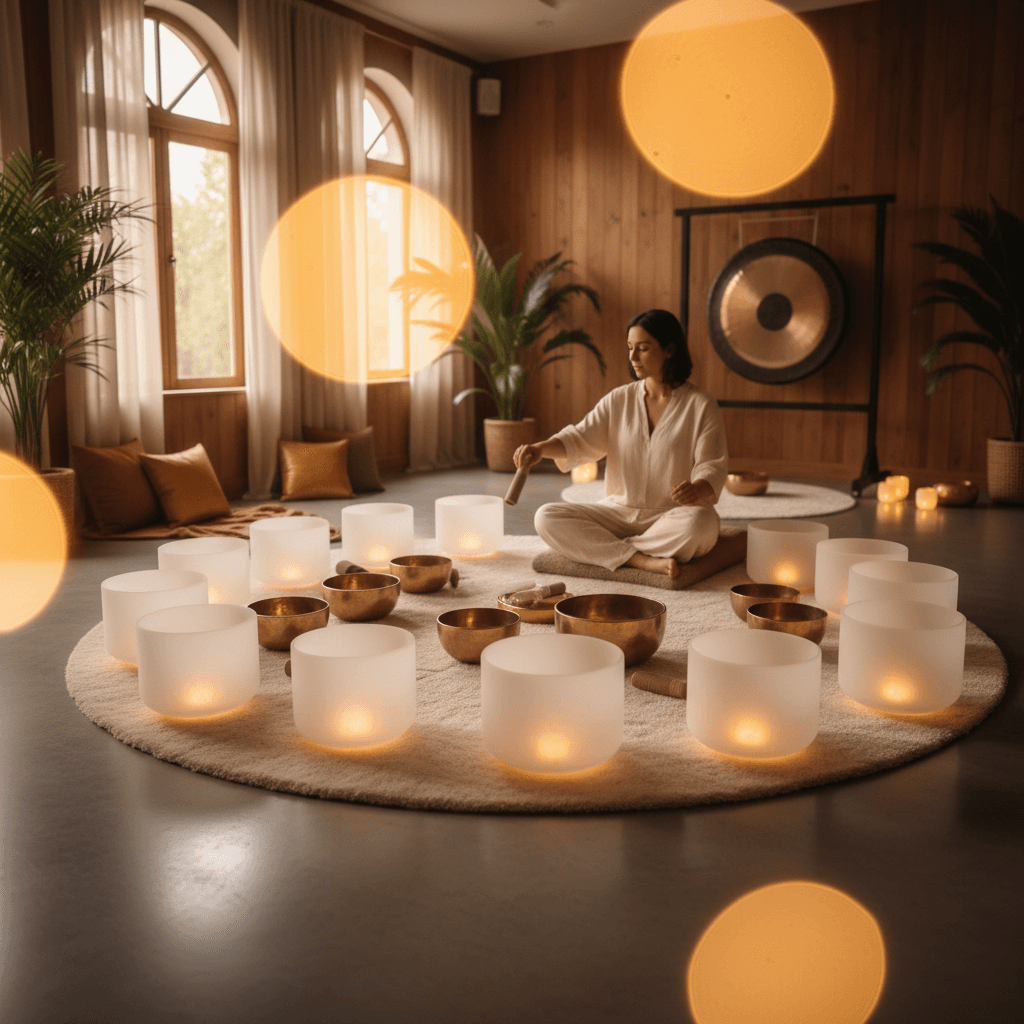
Our unique sessions often feature a rich tapestry of instruments, each chosen for its distinct vibrational quality and potential effect on the human system. These include:
- Tibetan Singing Bowls: Their earthy, sustained tones and palpable vibrations are believed to encourage deep relaxation and a sense of grounding.
- Gongs: The complex overtones and expansive soundscapes of gongs can induce profound meditative states, often described as a 'sound bath' that washes away tension.
- Tuning Forks: Applied with precision, these instruments deliver specific frequencies that may gently interact with the body's energetic fields, promoting balance and harmony.
Larissa Steinbach and her team utilize these instruments not as medical tools, but as conduits for a transformative wellness journey. The intention is to guide participants into states where their own innate capacity for self-regulation and restorative rest can flourish. While not a medical treatment for stroke, the Soul Art approach offers a supportive space where individuals can engage in self-care, potentially enhancing their overall quality of life and sense of wellbeing during a rehabilitation journey.
Empowering Your Journey: Practical Steps for Wellbeing
Navigating life after a stroke is a profound journey, and embracing practices that support your holistic wellbeing is paramount. While sound wellness is a complementary approach, there are many daily actions you can take to nurture neuroplasticity and promote a sense of calm. Integrating these steps into your routine, alongside professional medical guidance, may foster a more supportive environment for your recovery.
Here are a few actionable steps to consider for enhancing your overall wellness:
- Engage in Mindful Activities: Simple, repetitive tasks, whether it's gentle movement, focused breathing, or listening to soothing music, can help keep the brain engaged and promote a sense of presence.
- Prioritize Rest and Sleep: Adequate, restorative sleep is crucial for brain health and the consolidation of new neural pathways. Establish a consistent sleep routine to optimize your body’s natural healing processes.
- Seek Complementary Wellness Practices: Explore options like meditation, gentle yoga, or sound wellness, which may assist in stress management and nervous system regulation. Remember, these are not substitutes for medical care.
- Maintain Social Connections: Positive social interactions can stimulate cognitive function and provide emotional support, both vital components of a holistic recovery journey.
- Explore Sound Immersion: Consider experiencing the profound relaxation offered by a professional sound wellness session. Soul Art offers a tranquil space to experience the potential benefits of harmonic frequencies.
Ready to explore how sound can be a soothing, supportive part of your wellness journey? We invite you to experience the unique tranquility offered by Soul Art.
In Summary: Embracing Neuroplasticity with Sound
The brain’s incredible capacity for neuroplasticity offers profound hope and potential for recovery after a stroke. This ability to reorganize and form new neural connections is central to rehabilitation efforts, driven by focused, repetitive, and meaningful activities. Emerging research also highlights the promising role of sound, rhythm, and music as powerful, complementary tools that may support this process by engaging the brain in unique ways.
From enhancing language skills to supporting motor function, sound wellness offers a gentle, non-invasive avenue to promote relaxation and nervous system regulation. At Soul Art, Larissa Steinbach’s visionary approach provides a serene sanctuary in Dubai, where individuals can experience carefully crafted sound journeys. These sessions aim to reduce stress and foster an environment conducive to holistic wellbeing, supporting the brain’s innate restorative powers.
By embracing both scientific understanding and the profound wisdom of sound, we can explore new dimensions of self-care and support for those on a path of stroke recovery, always alongside professional medical guidance.
Bookings Coming Soon
Soul Art is still in preparation. Session details and booking will be published here after launch.
Coming Soon
Wellness Disclaimer: This article is for educational and informational purposes only. It does not constitute medical advice, diagnosis, or treatment. Soul Art Dubai provides non-medical wellness experiences focused on relaxation, stress management, and general wellbeing. Sound wellness is a complementary practice and should not replace professional medical care.