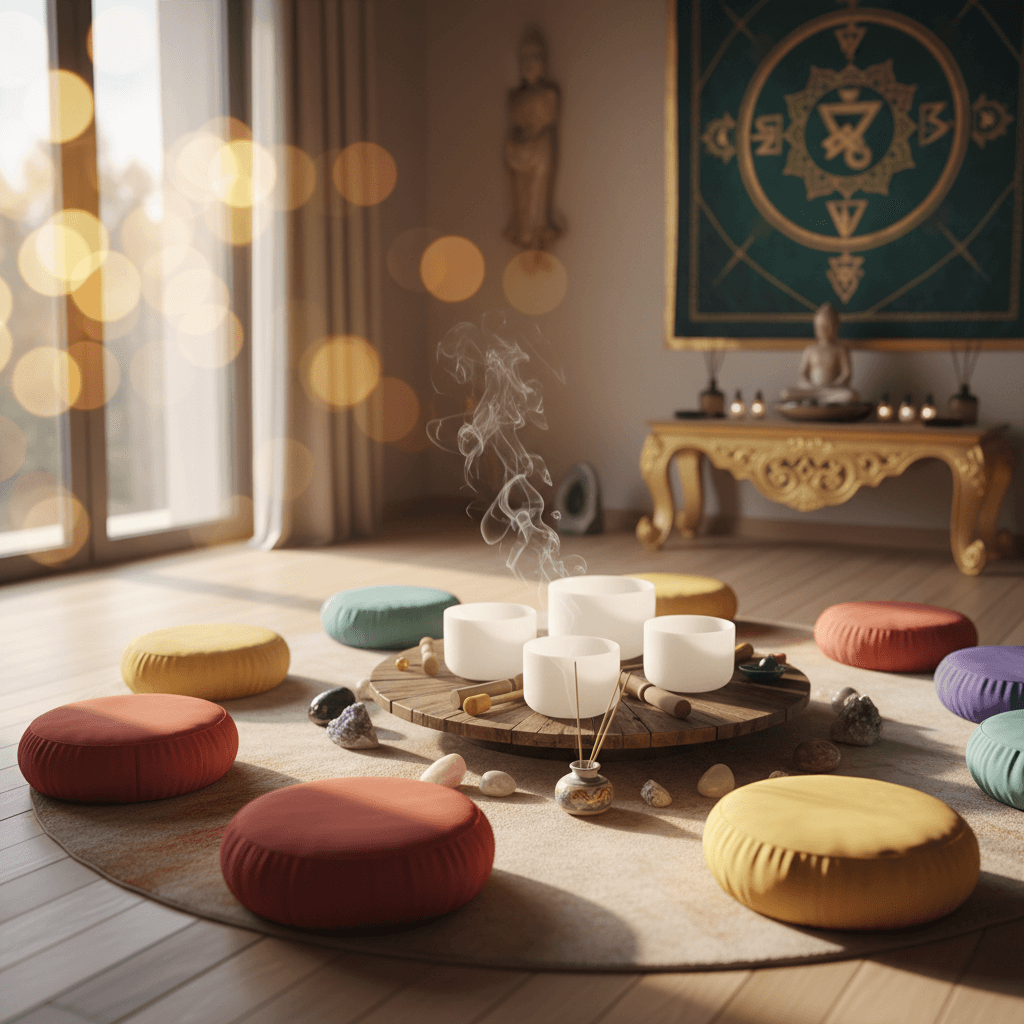
Harmonizing Resilience: Sound for Stress-Triggered Relapse Prevention
Key Insights
Explore how sound wellness, offered by Soul Art Dubai, helps manage stress triggers and supports relapse prevention for healthier coping mechanisms.
Can sound truly reshape our response to stress and prevent a return to old, unhelpful habits? In a world where 74% of adults feel overwhelmed by stress, according to the American Psychological Association, the pervasive impact on our mental health is undeniable. Financial worries, work pressures, and family problems top the list of stressors, fueling increasing cases of anxiety and depression. The global landscape shifted dramatically during the COVID-19 pandemic, with the World Health Organization reporting a 25% increase in anxiety and depression, amplifying the need for effective stress management.
For many, chronic stress acts as a potent trigger, leading to a "relapse" into unhealthy coping mechanisms—be it emotional eating, procrastination, or reverting to past addictive behaviors. Understanding these stress triggers and building resilience is paramount for sustained well-being. This article delves into the profound scientific connections between stress, our physiological responses, and how the ancient yet modern practice of sound wellness, championed by Larissa Steinbach at Soul Art in Dubai, may offer a powerful, holistic path to deeper relaxation and enhanced emotional regulation. Discover how harmonizing frequencies can transform your approach to stress, cultivating a more resilient and balanced self.
The Neuroscience of Stress and the Promise of Sound
Our modern lives are often a relentless symphony of demands, placing immense pressure on our nervous systems. While stress is a natural biological response, chronic exposure can significantly impair our mental and physical health, often leading us back to old, unhelpful patterns when under duress.
The Body's Stress Response: A Deeper Dive
When faced with a perceived threat, our body activates the hypothalamic-pituitary-adrenal (HPA) axis, initiating the "fight or flight" response. This cascade releases cortisol, often called the stress hormone, which prepares us for immediate action. While beneficial in acute situations, prolonged cortisol elevation can have detrimental effects. Research highlighted in the International Journal of Social Science and Human Research indicates that chronic stress significantly influences neurobiological mechanisms, particularly through the HPA axis, impacting cortisol and dopamine release. Stressful experiences can trigger an increase in dopamine in the brain's reward circuitry, which, in turn, can contribute to cravings and seeking behaviors, effectively linking stress to potential "relapses" into undesirable actions or substances.
Furthermore, persistent stress can impair cognitive processes crucial for self-control and decision-making. Studies referenced in Mind training, stress and behaviour—A randomised experiment reveal that chronic stress may lead to impaired behavioral flexibility and attentional control, making individuals more prone to falling back on automatized reactions rather than conscious, adaptive choices. The EMCDDA MONOGRAPHS emphasize that stress is a potent trigger, as neuroadaptations from chronic exposure can give memories of certain behaviors or substances a heightened salience, leading to intense cravings even after long periods of abstinence. Recognizing these physiological and neurological underpinnings is the first step toward building effective preventive strategies.
How Sound Gently Re-tunes the Nervous System
Sound wellness, at its core, is an alternative healing technique that uses musical sounds, instruments, and vibrations to promote relaxation and restore balance. Its practice spans ancient healing traditions and is now supported by modern psychological research. The profound impact of sound is largely attributable to its influence on the autonomic nervous system and neuroendocrine responses, shifting the body from a state of sympathetic dominance (stress) to parasympathetic activation (rest and repair).
A groundbreaking study published in the Journal of Evidence-Based Complementary & Alternative Medicine by Dr. Sarah Johnson and her team found that sound-based interventions can reduce anxiety levels by up to 45% in participants experiencing chronic stress. This significant reduction underscores sound’s potential to calm an overactive nervous system. Complementing these findings, the International Sound Therapy Association (ISTA) revealed remarkable results from regular sound therapy sessions, including reduced cortisol levels, improved sleep quality, enhanced emotional regulation, and decreased symptoms of depression. These physiological and psychological shifts are vital for building resilience against stress-induced vulnerability.
The University of Texas Health Science Center at Houston also reported in a 2025 study on gong sound therapy, validating its positive impact on both physical and emotional well-being. The study noted significant reductions in stress, anxiety, physical pain, and sadness, suggesting its influence on the autonomic nervous system and neuroendocrine responses. Further research, such as that by Goldsby et al. in MDPI - Sound Healing: Mood, Emotional, and Spiritual Well-Being, consistently points to the benefits of singing bowl sound meditation on mood, tension, and overall well-being. By engaging the auditory system and the body's vibratory response, sound wellness gently guides the brain into deeper states of relaxation, such as alpha and theta brainwave states, which are conducive to healing and introspection.
Sound as a Complementary Strategy for Relapse Prevention
Given the intricate link between stress and the propensity to revert to unhealthy patterns, sound wellness emerges as a powerful complementary tool for stress management and, by extension, for supporting relapse prevention. It does not replace medical treatment but works alongside it to foster inner equilibrium. The MDPI - Novel Insights into Addiction Management journal highlights that non-pharmacological approaches to relapse prevention, such as mindfulness-based relapse prevention (MBRP) and holistic therapies like yoga, acupuncture, and sound therapy, are being thoroughly researched. Preliminary hypotheses and early randomized controlled trials (RCTs) suggest that sound-based auditory stimulation may support a reduction in relapse risk by addressing underlying stress and emotional dysregulation.
"By cultivating a more balanced physiological and emotional state, sound wellness may empower individuals to navigate the complexities of stress with greater clarity and conscious choice, rather than falling back on reactive, ingrained patterns."
By mitigating the physiological markers of stress, such as elevated cortisol, and enhancing emotional regulation, sound wellness may help individuals develop greater resilience against stress triggers. This increased resilience can translate into a stronger capacity to pause, reflect, and choose healthier coping mechanisms when confronted with challenging situations, thus reducing vulnerability to reverting to less desirable behaviors. It is a profound self-care practice that supports the individual in building a robust internal toolkit for sustained well-being.
Experiencing the Harmonizing Power of Sound
The theoretical understanding of how sound affects the body and mind comes alive in the immersive experience of a sound wellness session. It’s a journey into sensory perception that transcends mere auditory input.
The Journey of Immersion
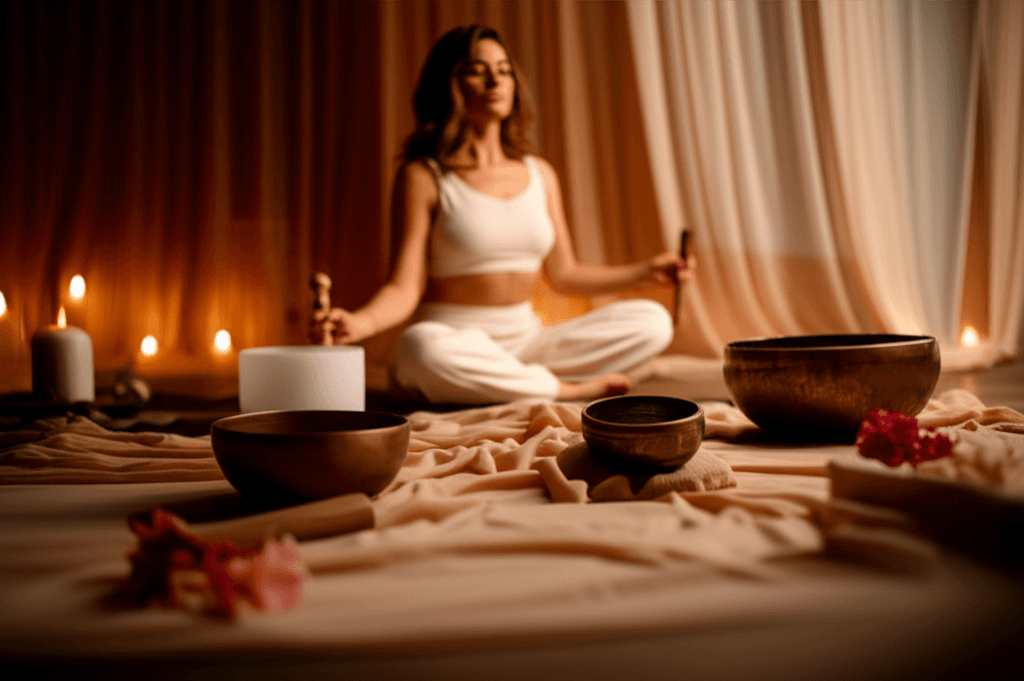
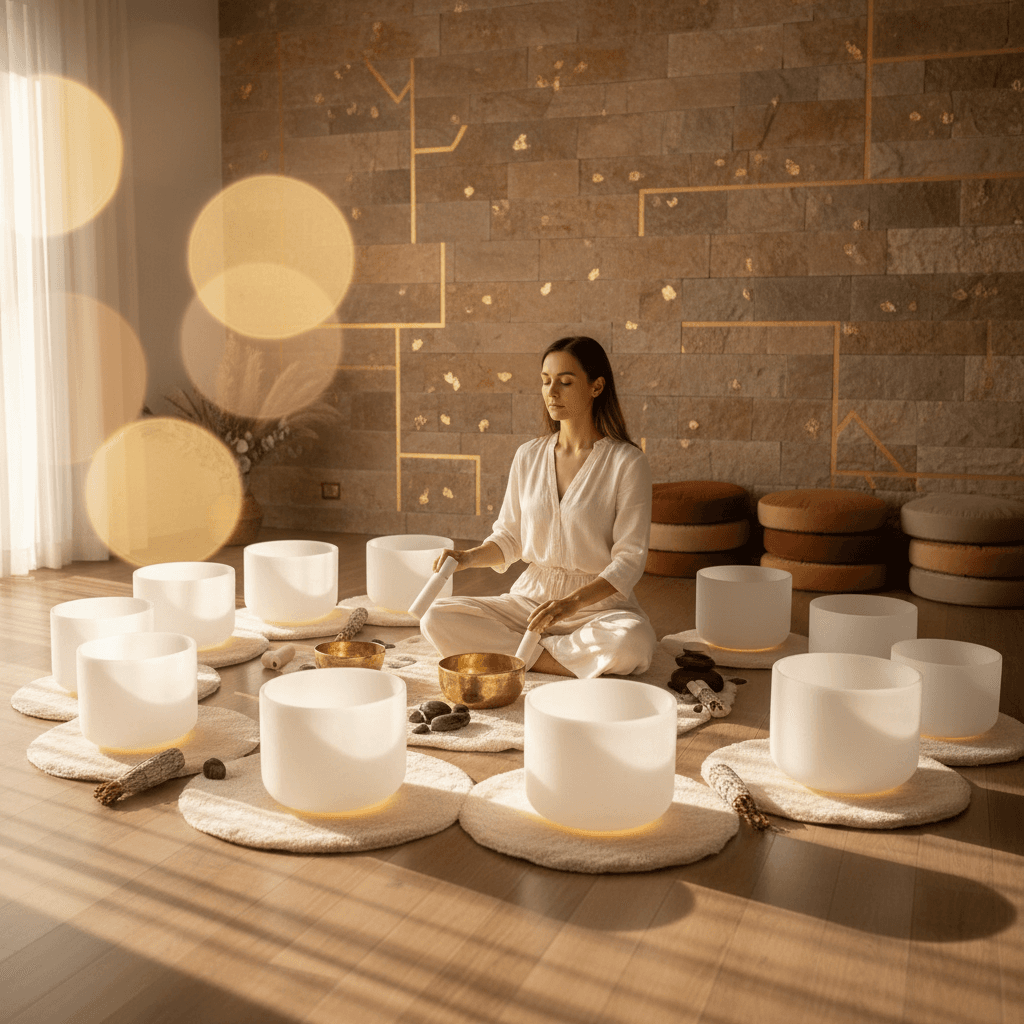
A sound wellness session at Soul Art, whether individual or group, typically begins with clients finding a comfortable position, often lying down, allowing the body to relax fully. The environment is curated for tranquility, with soft lighting and an atmosphere of peaceful anticipation. As the session commences, the air fills with a tapestry of harmonizing frequencies emanating from various instruments. These are not merely sounds; they are palpable vibrations that resonate through the body, initiating a profound internal shift.
Clients often describe feeling these vibrations gently wash over them, inducing a deep state of relaxation. The focus naturally shifts to the breath, deepening and slowing, which further activates the parasympathetic nervous system—the body's natural state of rest and repair. The rich, resonant tones of gongs, the clear, sustained hum of crystal alchemy bowls, and the intricate melodies of chimes work together to quiet the incessant chatter of the mind. This sensory immersion creates a safe space for introspection, allowing for the release of accumulated tension, both physical and emotional, without the need for conscious effort or analysis. It is an invitation to simply be, to receive, and to allow the sound to facilitate its inherent balancing work.
Beyond Relaxation: Building Resilience
While the immediate sensation of deep relaxation is a significant benefit, the true power of consistent sound wellness lies in its potential to build sustained resilience. Regular engagement with sound practices may cultivate enhanced self-awareness, making individuals more attuned to their emotional landscape and physical sensations. This heightened awareness can be instrumental in identifying nascent stress triggers before they escalate into overwhelming states.
Over time, clients often report improved emotional processing. They may find themselves less reactive to daily stressors, more capable of observing challenging emotions without being consumed by them, and better equipped to choose a thoughtful response rather than an automatic reaction. This enhanced capacity for emotional regulation is crucial for preventing a "relapse" into past coping mechanisms that might have served short-term relief but ultimately hindered long-term well-being. The sustained presence of calming frequencies can reinforce neural pathways associated with peace and clarity, providing a reliable internal anchor. It's a journey of re-education for the nervous system, learning to respond to stress with greater equanimity and conscious choice.
The Soul Art Difference: A Bespoke Path to Well-being
At Soul Art in Dubai, Larissa Steinbach has meticulously crafted a unique sanctuary where the ancient wisdom of sound meets contemporary well-being principles. Her vision is to offer a deeply personalized and transformative experience that empowers individuals to reconnect with their inner harmony.
Larissa's approach at Soul Art is distinguished by its blend of scientific understanding and intuitive artistry. She carefully curates each soundscape, considering the specific needs and intentions of her clients. This bespoke methodology ensures that every session is not just a passive listening experience but an active journey toward profound self-discovery and healing. The studio utilizes a selection of high-quality instruments, each chosen for its unique vibrational properties and resonant frequencies. These include exquisite Tibetan singing bowls, renowned for their grounding and meditative qualities; ethereal crystal alchemy bowls, whose pure tones are believed to balance energy centers; powerful gongs, which can induce deep states of cellular regeneration; and delicate chimes and tuning forks, used for precise energetic recalibration.
Larissa Steinbach's philosophy centers on creating a sacred and safe space where clients can feel completely supported to release, recalibrate, and restore. She guides participants with gentle expertise, inviting them to surrender to the sound and allow its intelligence to facilitate their innate healing capacity. The Soul Art method emphasizes that true well-being comes from within, and sound serves as a potent catalyst to awaken that inner resource. This commitment to precision, intention, and a deeply compassionate environment makes Soul Art a premier destination for those seeking a sophisticated and effective path to stress management and emotional resilience in Dubai.
Cultivating Resilience: Practical Steps Forward
Integrating sound wellness into your life can be a powerful step toward managing stress triggers and preventing a "relapse" into old habits. Here are some actionable steps you can take today to cultivate greater resilience and inner peace:
- 1. Embrace Mindful Listening: Dedicate time each day to truly listen to sounds around you, or to a piece of calming music, without distraction. Notice the textures, frequencies, and how these sounds make you feel. This simple practice can enhance your auditory awareness and ground you in the present moment.
- 2. Establish a Sound Ritual: Begin or end your day with a short sound bath using personal instruments like a small singing bowl, or by listening to a guided sound meditation online. Consistency is key; even five minutes can significantly impact your nervous system over time.
- 3. Identify and Acknowledge Your Triggers: Pay attention to what situations, emotions, or thoughts consistently lead you to feel stressed or overwhelmed. Increased self-awareness of these triggers is the first step toward developing new, healthier responses.
- 4. Prioritize Holistic Self-Care: Recognize that sound wellness is part of a larger ecosystem of well-being. Combine your sound practices with other self-care activities such as mindful movement, nutritious eating, adequate sleep, and connecting with nature.
- 5. Explore Professional Sound Wellness: For a deeper and more profound experience, consider engaging with experienced practitioners. A session at Soul Art with Larissa Steinbach can provide a guided, immersive journey tailored to your specific needs, helping you unlock profound relaxation and resilience.
Soul Art is still in preparation. Session details and booking will be published here after launch. If you're seeking a sophisticated and scientifically-grounded approach to managing stress triggers and fostering lasting well-being, exploring the transformative power of sound at Soul Art may be your next significant step.
Embracing Sound for a Resilient Future
In an era defined by pervasive stress, understanding its triggers and cultivating robust resilience is essential for maintaining mental and emotional well-being. We've explored how chronic stress impacts our neurobiology, potentially leading to a "relapse" into unhealthy coping mechanisms. Scientific research consistently demonstrates that sound wellness, with its ability to reduce cortisol, enhance emotional regulation, and shift nervous system states, offers a powerful complementary approach to navigating these challenges.
By engaging with harmonizing frequencies, individuals may experience profound relaxation, increased self-awareness, and a strengthened capacity to respond to stressors with conscious choice rather than automatic reaction. Larissa Steinbach’s Soul Art in Dubai stands as a beacon for this transformative practice, offering bespoke sound journeys that integrate ancient wisdom with modern scientific understanding. Embrace the profound potential of sound to re-tune your inner landscape and empower yourself with a resilient, balanced approach to life's inevitable stresses.
Bookings Coming Soon
Soul Art is still in preparation. Session details and booking will be published here after launch.
Coming Soon
Wellness Disclaimer: This article is for educational and informational purposes only. It does not constitute medical advice, diagnosis, or treatment. Soul Art Dubai provides non-medical wellness experiences focused on relaxation, stress management, and general wellbeing. Sound wellness is a complementary practice and should not replace professional medical care.
Related Articles
LGBTQ+ Recovery: Sound Wellness for Inclusive Healing & Regulation
Relationship Recovery: The Science of Sound for Intimacy
Soulful Connections: The Science of Shared Sound Practices and Well-being Sponsorship