Sound for SCI Rehabilitation: A Holistic Path to Wellness

Key Insights
Explore how sound wellness, championed by Soul Art's Larissa Steinbach, may support rehabilitation for spinal cord injury by fostering relaxation.
Unlocking New Pathways: The Potential of Sound in Spinal Cord Injury Wellness
Imagine a world where vibrations could gently guide the body towards deeper relaxation, ease discomfort, and support the intricate processes of recovery. For individuals navigating the profound challenges of a spinal cord injury (SCI), the journey towards rehabilitation is often complex, multifaceted, and deeply personal. While conventional medical and physical therapies are paramount, many are increasingly seeking complementary approaches that nourish the whole person.
This article delves into the emerging understanding of how sound wellness, a practice gaining recognition for its profound calming effects, may offer a unique avenue of support for those with SCI. From addressing specific secondary complications like voice difficulties to fostering overall mental and emotional wellbeing, we will explore the scientific underpinnings and practical applications championed by Soul Art, Dubai's premier sound wellness studio founded by Larissa Steinbach. We invite you to discover how targeted sound experiences may serve as a gentle yet powerful ally on the path to holistic wellness and enhanced quality of life.
The Science Explained: How Sound Interacts with the Body and Mind
Spinal cord injuries present a myriad of challenges that extend far beyond physical mobility. The nervous system, a complex network of communication, is deeply impacted, leading to a spectrum of potential secondary conditions that can significantly affect daily life and overall wellbeing. Understanding how sound interacts with this intricate system is key to appreciating its potential role as a complementary wellness tool.
Addressing Vocal Challenges After Spinal Cord Injury
One area where research has specifically highlighted the potential of sound-based interventions is in addressing dysphonia, or voice impairment, following cervical SCI. The American Speech-Language-Hearing Association (ASHA) includes Spinal Cord Injury in its evidence maps, acknowledging the broad scope of speech and language pathology concerns that can arise. A systematic review published in PubMed noted that dysphonia is a common, though often underexplored, complication in individuals with SCI, particularly those with cervical injuries. This review included 18 studies, analyzing data from over 300 individuals, and found that many experienced challenges with lung volumes, pressures, and flows, which directly impact vocal quality and endurance.
Assessment often involves instrumental evaluations such as spirometry (measuring lung function), acoustic analyses (like maximum phonation time and sound pressure level), and perceptual measures. Importantly, the review highlighted that among various rehabilitation approaches, neurologic music therapy and abdominal binding showed the most consistent benefits for improving voice outcomes. This suggests a direct, scientifically observed connection between structured sound and music interventions and improved physiological functions related to speech and communication after SCI. While the field still requires more high-quality, large-scale studies, these preliminary findings are promising for integrating sound practices into comprehensive wellness plans.
The Nervous System: A Symphony of Frequencies
Beyond specific vocal rehabilitation, the broader impact of sound on the central nervous system is where its potential as a holistic wellness tool truly shines for those with SCI. Our bodies are constantly receiving and interpreting sensory information, and sound, as a form of vibration, directly influences our physiological state. The human body is receptive to frequencies that can shift brainwave patterns, impacting everything from stress levels to states of deep relaxation.
The autonomic nervous system (ANS), which controls involuntary bodily functions like heart rate, breathing, and digestion, plays a critical role in our overall wellbeing. It comprises two main branches: the sympathetic nervous system (responsible for "fight or flight" responses) and the parasympathetic nervous system ("rest and digest"). Chronic stress, often heightened by the challenges of SCI, can lead to an overactive sympathetic response. Sound wellness practices, through specific frequencies and resonant vibrations, are thought to gently stimulate the vagus nerve, a key component of the parasympathetic nervous system. This stimulation may help to calm the nervous system, reduce the production of stress hormones like cortisol, and encourage a shift towards a more relaxed and restorative state. This physiological shift is crucial for fostering an environment conducive to overall healing and adaptation.
"The subtle art of sound wellness lies in its capacity to bypass cognitive barriers, reaching the deepest layers of our being to initiate a profound sense of calm and re-regulation within the nervous system."
Furthermore, the concept of neuroplasticity – the brain's remarkable ability to reorganize itself by forming new neural connections – is a cornerstone of SCI rehabilitation. While direct evidence linking sound therapy to specific neural regeneration in SCI is still nascent and requires extensive research (as highlighted by general research into central nervous system regeneration, such as the work of neurologists like Jean Schoenen), sensory input, including sound, is known to influence brain activity and connectivity. By promoting states of deep relaxation and reducing mental stress, sound wellness may indirectly support the brain's capacity for adaptation and learning, optimizing the internal environment for other rehabilitation efforts.
Complementary Support for Pain and Anxiety
Managing chronic pain and anxiety are significant concerns for many individuals with SCI. The constant physical and emotional demands can be overwhelming, making effective coping strategies essential. A pilot study published in PMC, titled "Music Therapy for Anxiety and Pain After Spinal Cord Injury," explored the effects of music therapy on these symptoms in inpatient rehabilitation settings. Although a small-scale study with a convenience sample and no control arm, it indicated that music therapy sessions, even in a limited number, were associated with patient satisfaction and a perceived reduction in anxiety and pain.
While the study acknowledged its limitations, including the short length of stay of participants, it aligns with a broader body of anecdotal evidence and preliminary research suggesting that sound and music can be effective stress management tools and complementary approaches for pain modulation. Sound frequencies, especially those delivered through resonant instruments, are believed to interact with the body's energetic pathways, potentially helping to disrupt pain signals and promote a sense of physical ease. This non-pharmacological approach offers a gentle way to potentially enhance comfort and emotional resilience, which are invaluable aspects of living with SCI.
How It Works in Practice: The Sensory Journey of Sound Wellness
Transitioning from scientific theory to practical application, a sound wellness session offers a unique and immersive experience designed to bring the body and mind into a state of profound relaxation and harmony. For individuals with Spinal Cord Injury, this experience can be particularly impactful, offering a gentle, non-invasive avenue for comfort and recalibration.
A typical session at Soul Art, curated by Larissa Steinbach, begins in a serene environment, designed to be accessible and comfortable for all participants. Clients usually recline or lie in a comfortable position, often on a yoga mat or supported by bolsters, allowing the body to relax deeply. The practitioner then introduces a carefully selected array of instruments, each chosen for its unique vibrational quality and frequency.
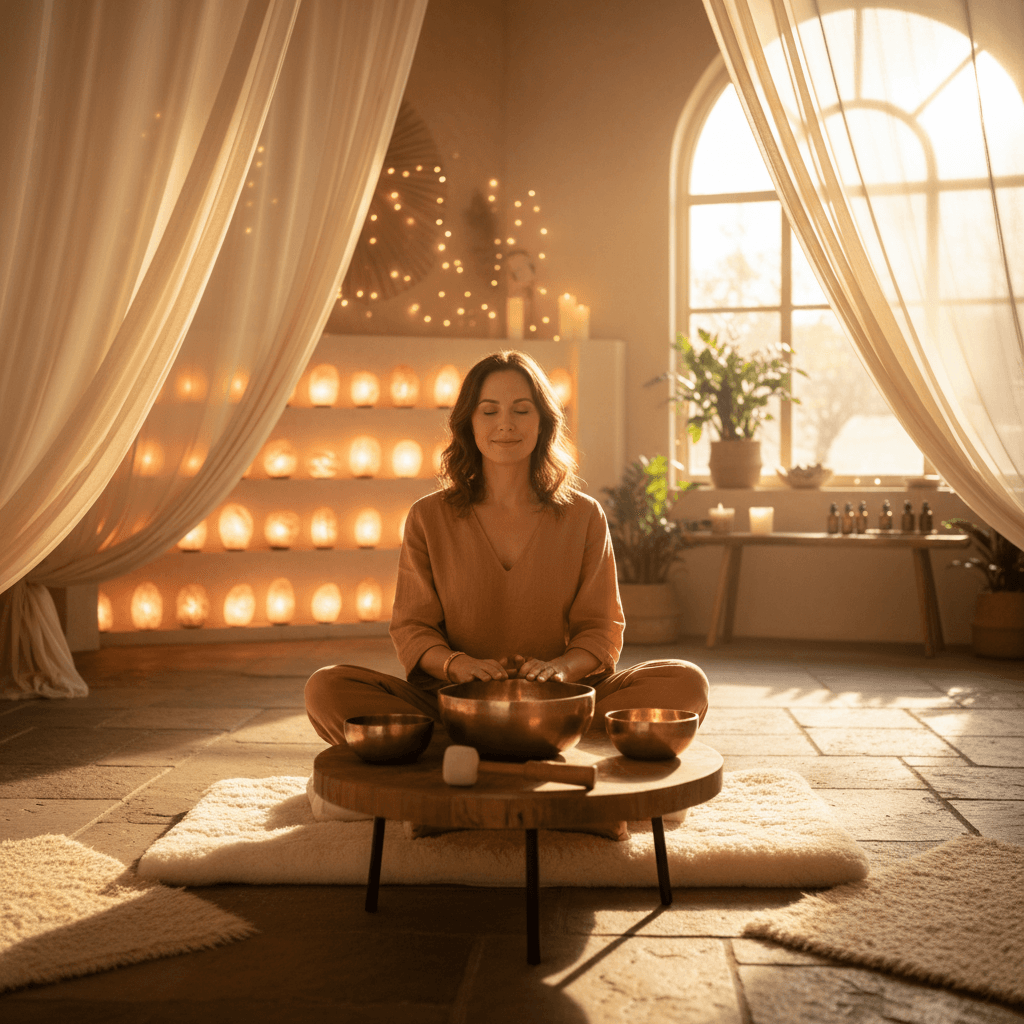
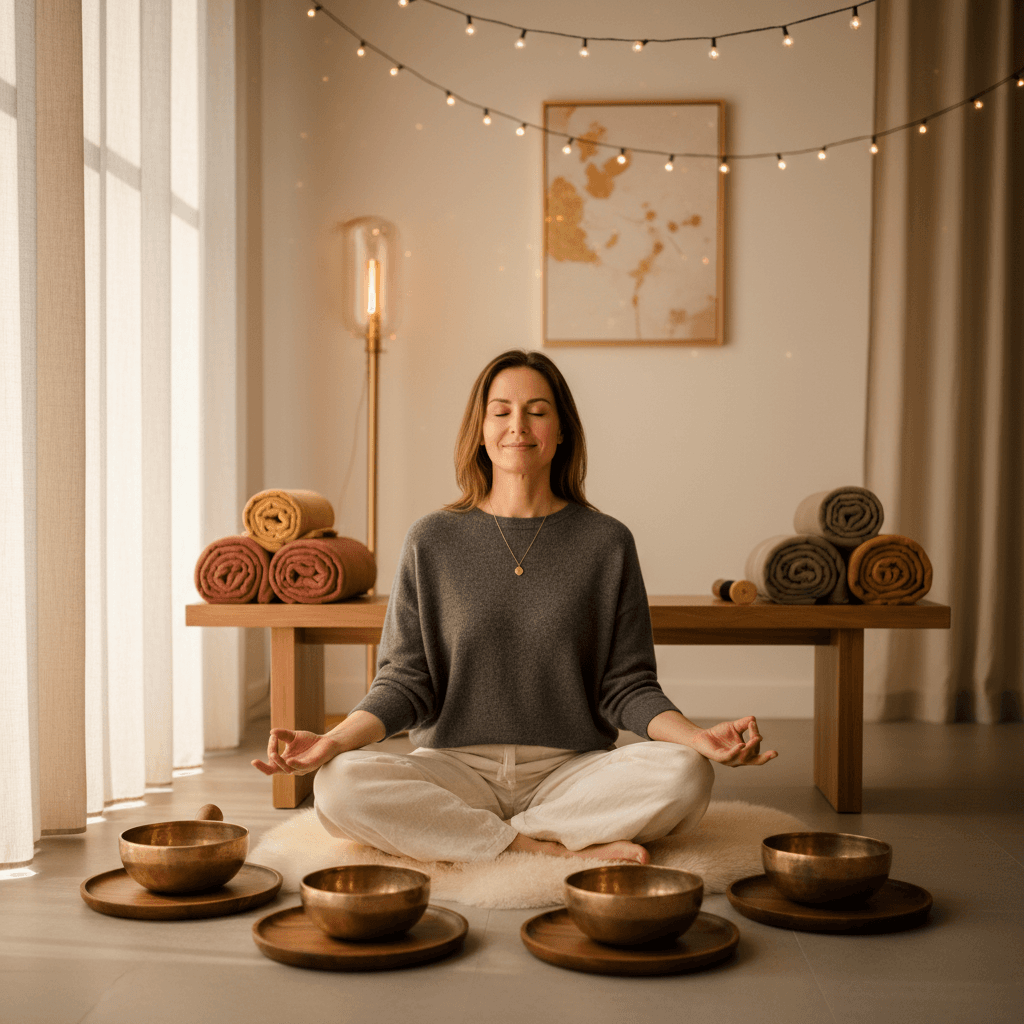
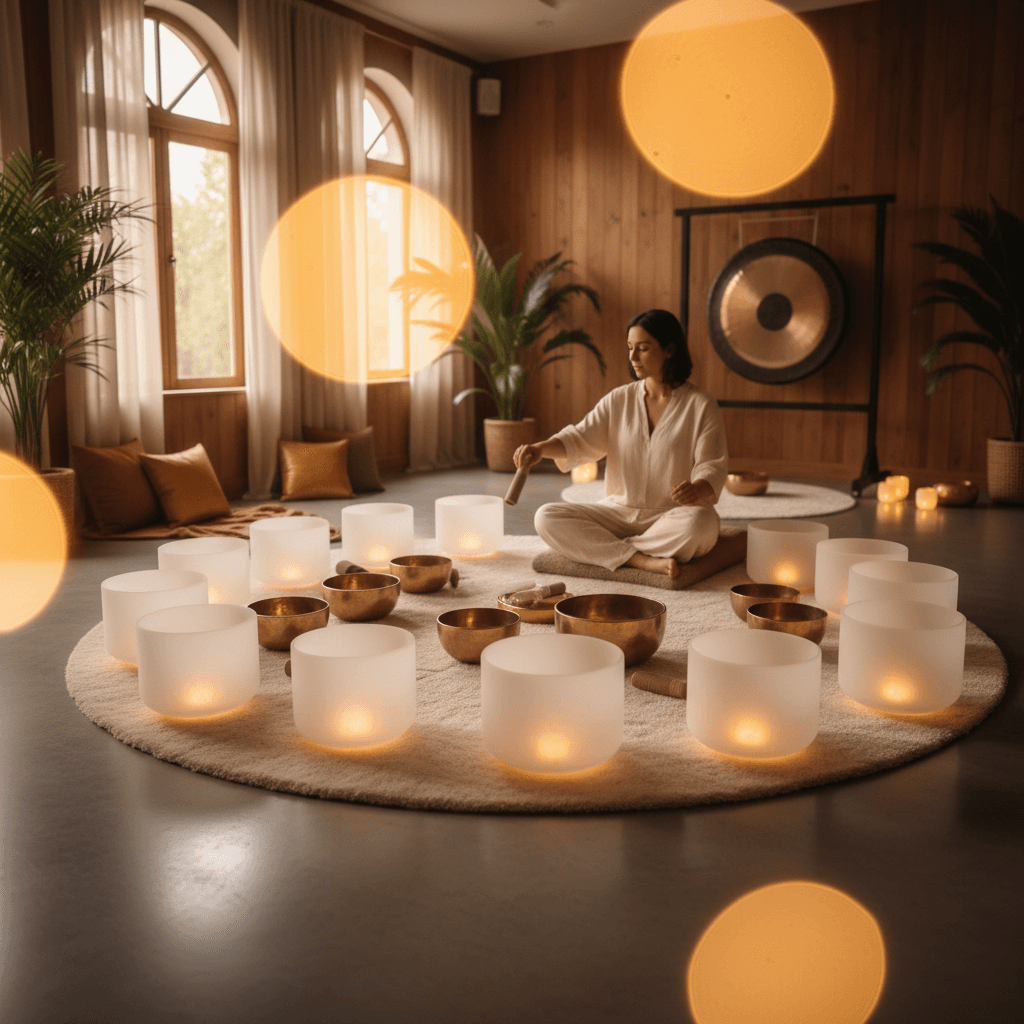
The experience is deeply sensory. You might feel the subtle vibrations of a Tibetan singing bowl resonating through your body as it's placed gently near or on parts of the body (with careful consideration for individual sensitivities and injury sites). The deep, enveloping tones of a gong wash over the space, creating complex soundscapes that can quiet the mental chatter and induce a meditative state. Crystal singing bowls, with their pure, sustained tones, are often used to promote emotional release and energetic balance.
What clients often describe is a sense of being completely immersed in sound. The vibrations are not just heard; they are felt on a cellular level. This physical sensation can be particularly beneficial for individuals with SCI, potentially offering a different form of sensory input and body awareness, even in areas with altered sensation. The rhythmic and harmonious nature of the sounds encourages the brain to shift into slower brainwave states, such as alpha (relaxed alertness) and theta (deep relaxation, meditation), which are associated with reduced stress, enhanced creativity, and deeper emotional processing.
The intention is never to "treat" or "cure" a medical condition, but rather to facilitate a profound state of relaxation. In this relaxed state, the body's innate capacity for self-regulation is thought to be optimized. Many people report a reduction in perceived pain, decreased muscle tension, and a significant alleviation of anxiety. The gentle, consistent rhythm of the sound acts like an anchor, allowing the mind to let go of worries and focus on the present moment. This holistic sensory engagement can become a vital self-care practice, supporting mental fortitude and emotional balance alongside conventional rehabilitation.
The Soul Art Approach: Larissa Steinbach's Vision for Vibrational Harmony
At Soul Art, Dubai, founder Larissa Steinbach has cultivated a unique and deeply personalized approach to sound wellness, grounded in both ancient wisdom and a modern understanding of the body's energetic systems. Her vision extends beyond mere relaxation, aiming to empower individuals to tap into their innate capacity for balance and wellbeing through vibrational harmony.
Larissa's method is distinct in its careful curation of the sound environment and the intention behind each session. Recognizing the varied and specific needs of individuals, especially those navigating the complexities of a spinal cord injury, she tailors experiences to promote deep comfort and subtle energetic shifts. This personalized approach ensures that each participant receives support that is gentle, respectful, and attuned to their unique journey.
Central to the Soul Art experience are a variety of instruments chosen for their specific frequencies and resonant qualities. These include:
- Gongs: Revered for their powerful, enveloping vibrations, gongs create a rich tapestry of sound that can induce profound states of relaxation, encouraging the release of tension and emotional blockages. The resonant frequencies may help to quiet the mind and foster a sense of being suspended in a tranquil space.
- Tibetan Singing Bowls: Crafted from various metals, these bowls produce complex, multi-harmonic tones. When played or placed strategically, their vibrations are felt directly by the body, offering a gentle massage at a cellular level. This somatic sensation can be particularly grounding and may support improved body awareness and circulation.
- Crystal Singing Bowls: Made from pure quartz crystal, these bowls produce clear, sustained tones that are believed to resonate with the body's energy centers. Their pristine frequencies are often associated with emotional clearing and the promotion of inner peace, contributing to a sense of clarity and calm.
- Tuning Forks: These precise instruments emit specific frequencies that can be used to target specific areas of the body or energy points. Applied gently, their subtle vibrations may help to balance the nervous system and promote localized relaxation, offering a nuanced approach to energetic alignment.
Larissa Steinbach's expertise lies in her ability to weave these elements together into a cohesive and deeply immersive experience. The Soul Art method emphasizes creating a safe and supportive space where individuals can surrender to the power of sound. It is not about grand gestures but about subtle, consistent vibrations that encourage the body to remember its natural state of equilibrium. The focus is always on complementing existing care by providing a powerful holistic wellness experience that supports relaxation, stress reduction, and an enhanced sense of overall wellbeing, which are invaluable for anyone on a rehabilitation journey.
Your Next Steps: Integrating Sound into Your Wellness Journey
Exploring complementary approaches like sound wellness can be a powerful step in enhancing your overall wellbeing, especially when navigating the unique challenges of a spinal cord injury. While sound wellness does not replace medical care, it offers a gentle, non-invasive method to support your nervous system, manage stress, and foster deep relaxation.
Here are a few actionable steps you can consider to integrate the potential benefits of sound into your life:
- Explore Guided Sound Meditations: Start with accessible home practices. Many apps and online platforms offer guided sound meditations featuring singing bowls, gongs, or binaural beats. Even 10-15 minutes daily may support a shift towards relaxation and improved focus.
- Listen to Calming Frequencies: Curate a playlist of music with specific calming frequencies, such as those associated with theta waves (4-8 Hz) or alpha waves (8-12 Hz), which are known to promote relaxation. Listen to this music during moments of rest or before sleep.
- Practice Intentional Breathing with Sound: Combine deep, diaphragmatic breathing with listening to resonant sounds. Focus on the inhale and exhale as you absorb the sound, allowing it to anchor your attention and calm your mind. This can be a potent stress management tool.
- Consider a Professional Sound Wellness Session: For a deeper, more immersive experience, seek out a certified sound practitioner. Soul Art, founded by Larissa Steinbach in Dubai, offers expertly guided sessions that can be tailored to individual needs, providing a serene and supportive environment for profound relaxation.
- Discuss with Your Healthcare Team: Always keep your medical professionals informed about any complementary practices you wish to pursue. While sound wellness is a relaxation technique, open communication ensures a coordinated and comprehensive approach to your health.
Taking these steps may empower you to cultivate moments of peace and healing, fostering resilience as part of your holistic wellness plan.
In Summary: Embracing Vibrational Wellness for SCI Support
The journey through spinal cord injury rehabilitation is profoundly personal and requires a comprehensive approach to wellbeing. While medical and physical therapies remain foundational, the growing body of anecdotal and preliminary scientific evidence suggests that sound wellness offers a powerful, complementary pathway. From potentially supporting vocal rehabilitation post-cervical SCI by calming the nervous system to managing common challenges like chronic pain and anxiety, sound practices hold a promising role.
At Soul Art, Larissa Steinbach champions a sophisticated and empathetic approach to sound wellness, utilizing instruments like gongs, singing bowls, and tuning forks to create deeply immersive experiences. These sessions are designed not to treat, but to foster profound relaxation, recalibrate the nervous system, and encourage the body's innate capacity for balance. By embracing the gentle yet potent power of vibration, individuals with SCI may discover enhanced comfort, reduced stress, and an enriched sense of overall wellbeing. Soul Art invites you to explore this unique dimension of self-care, harmonizing mind, body, and spirit on your path to holistic wellness.
Bookings Coming Soon
Soul Art is still in preparation. Session details and booking will be published here after launch.
Coming Soon