Soundscape Ecology: Unearthing Earth's Restorative Symphony at Soul Art

Key Insights
Explore soundscape ecology, Earth's natural acoustic fabric, and how its biophony, geophony, and anthropophony impact well-being. Discover Soul Art's approach to holistic sound wellness.
Compelling Introduction
Imagine a world where the rustle of leaves, the distant roar of ocean waves, and the harmonious chorus of birds weren't just background noise, but vital communications, a complex orchestra playing the very score of life. What if this intricate symphony held profound keys to our own relaxation, focus, and overall well-being? This is the fascinating realm of soundscape ecology, a burgeoning scientific discipline that invites us to listen to Earth's natural music with renewed appreciation and understanding.
At Soul Art, Dubai's premier sound wellness studio, we believe in the power of sound to transform. Founded by Larissa Steinbach, our philosophy is deeply interwoven with the subtle yet potent frequencies that surround us. This article will delve into the science behind Earth's natural soundscapes, exploring how the intricate acoustic relationships within our environment shape both ecosystems and our inner selves. You will learn about the distinct components of natural sound and how reclaiming these auditory connections may support a deeper sense of peace and presence in your daily life.
The Science Explained
Soundscape ecology is the dedicated study of the acoustic relationships between living organisms – human and other – and their surrounding environments, whether these exist in marine or terrestrial realms. This interdisciplinary field, which first gained academic prominence with its appearance in Barry Truax's Handbook for Acoustic Ecology in 1978, has evolved to offer a profound new lens through which to understand our planet. It provides a distinct perspective compared to other sound-related fields like acoustic ecology, which primarily focuses on human perception, or bioacoustics, which tends to narrow its interest to individual species' communication mechanisms. Soundscape ecology, in contrast, seeks a broader understanding of how sound affects entire communities of organisms and the intricate interactions within an acoustic environment.
The Three Pillars of a Soundscape: Biophony, Geophony, and Anthropophony
To systematically study these complex auditory landscapes, soundscape ecologists classify sounds into three fundamental categories:
- Biophony: These are the sounds generated directly by living organisms. Think of the dawn chorus of birds, the chirping of insects, the croaking of frogs, or the pulsed vocalizations of whales beneath the ocean surface. These sounds are not random; they form a delicate acoustic fabric, often resembling an orchestra where different species occupy distinct sonic zones, ensuring their voices can be heard and communication thrives. In healthy habitats, creatures vocalize in relationship to one another, much like instruments in a finely tuned ensemble, demonstrating sophisticated acoustic partitioning to avoid competition.
- Geophony: This category encompasses sounds originating from non-biological natural sources. Examples include the rush of wind through trees, the gentle pitter-patter of raindrops, the crash of ocean waves, the rumble of thunder, or the gurgle of a flowing stream. These geophysical signals are the result of natural movements of wind, water, and earth, contributing a foundational layer to Earth's natural symphony.
- Anthropophony: These are the sounds produced by humans and our activities. This includes the ceaseless hum of roadways, the clamor of construction projects, the drone of airplane traffic, or the various mechanical noises of urban and industrial landscapes. While natural soundscapes are often communicative networks buzzing with information, anthropophony, by its nature, tends to be just noise, frequently lacking meaning or intentional communication in an ecological sense.
Soundscapes as Ecological Indicators and "Acoustic Fossils"
Soundscape ecology employs sophisticated tools like recording devices, advanced audio analyses, and elements of traditional ecological methods to study the structure of soundscapes. Scientists like Bryan Pijanowski, a professor at Purdue University and leader of the Purdue Center for Global Soundscapes, are pioneering efforts to understand how the environment changes by studying the sounds within it. His work, recognized by PBS's NOVA, highlights the critical role of sound as an indicator of ecological health.
"Natural sound could be the 'canary in the coal mine,'" says Pijanowski. "Sound might be the critical first indicator of changes in climate and weather patterns, or the presence of pollution."
Changes in the intensity or frequency of natural melodies, such as the dawn and dusk choruses of birds, can signal underlying environmental shifts. Ecologists have largely overlooked how sound can help determine what is happening to an ecosystem. By recording continuously in various habitats, researchers are building vast datasets. These recordings can be used to construct "soundtopes"—three-dimensional maps of acoustics plotted across landscapes—revealing seasonal and other ecological changes previously unseen. Pijanowski suggests that recordings made today might become "acoustic fossils," preserving evidence of ecosystems that could vanish in the future, safeguarding the heritage of our planet's acoustic biodiversity. The preservation of natural soundscapes is now a recognized conservation goal, underscoring their immense ecological value.
The Human Connection: From Auditory Link to Inner Calm
Our bodies and minds are intrinsically linked to the acoustic environment. Studies show that natural soundscapes can profoundly impact human physiology, supporting our well-being in measurable ways. Listening to serene natural sounds, such as whale songs or the rustling of leaves, has been associated with stimulating the parasympathetic nervous system. This vital system is responsible for the body's "rest and digest" response, helping to regulate emotions, alleviate physical tension, and promote a state of deep relaxation. This profound appreciation of nature’s orchestra is a relatively recent development, but its effects are undeniable.
However, the increasing presence of anthropophony, often described as noise pollution, poses a significant threat. This human-generated din disrupts ecosystems by drowning out Earth's natural songs, making it harder for wildlife to engage in fundamental behaviors reliant on sound, such as navigation, mating, and predator avoidance. For humans, this constant background noise may contribute to chronic stress and a disconnection from the natural world, exacerbating what is often termed "nature deficit disorder." Soundscape ecology, by deepening our understanding of Earth's acoustic fabric, offers a pathway to reconnect with this essential auditory link and restore our natural rhythms.
How It Works in Practice
The theory of soundscape ecology translates directly into tangible benefits for human well-being, influencing everything from stress levels to our emotional connection with the natural world. While our visual sense often dominates our perception of the environment, the power of sound to deepen our connection with nature's magic is undeniable, whether we are consciously aware of it or not.
Reconnecting Through Earth's Natural Symphony
In our modern, often overstimulated lives, the subtle harmonies of nature are frequently overshadowed by the clamor of urban existence. Yet, our bodies inherently recognize and respond to the organic patterns of biophony and geophony. This is why sound machines and relaxation apps frequently feature natural soundscapes: the rhythmic ebb and flow of ocean tides, the gentle coo of a dove, the steady pitter-patter of raindrops, or the soothing whisper of wind through trees. These sounds are not merely pleasant; they evoke a sense of calm and safety, deeply rooted in our evolutionary history.
Many people report that immersing themselves in these sounds supports reduced anxiety and improved sleep quality. Preliminary studies indicate that exposure to natural soundscapes may lower cortisol levels, the body's primary stress hormone, and promote a more balanced physiological state. The structured, non-threatening frequencies of nature provide a stark contrast to the often chaotic and unpredictable nature of urban anthropophony, which our nervous systems may interpret as a constant low-level threat.
The Visceral Impact of Natural Sounds
Consider the profound, visceral connection we feel when listening to the "underwater songs" of whales. These pulsed vocalizations can emotionally resonate with humans, forging a soulful link between us and the creatures of the deep. When we surrender to their soothing call, it's more than just an auditory experience; it is a moment of deep communion and relaxation. This connection highlights how specific natural sounds can bypass cognitive processing, directly influencing our emotional and nervous systems.
The rich, complex, and information-dense signals within biophony and geophony provide a different experience than the often monotonous or jarring frequencies of human-generated noise. Natural soundscapes are dynamic, ever-changing, and inherently balanced, reflecting the intricate self-organization of ecosystems. When we listen to these sounds, our brain may interpret the richness of this acoustic information as a sign of a healthy, thriving environment, fostering a sense of security and allowing the body to enter a state of repose. This auditory immersion offers a potent form of self-care, guiding the listener back to an innate sense of harmony and peace.
The Threat of Noise Pollution and the Call to Listen
Unfortunately, nature’s music is increasingly under threat. The constant encroachment of human-generated noise is disrupting ecosystems at an alarming rate, drowning out the very sounds that facilitate life for countless species and offer solace to us. This loss of natural soundscapes not only impacts wildlife communication and survival but also diminishes our human capacity to connect with the planet's wonders through sound.
Recognizing this threat underscores the importance of intentional sound practices. By consciously seeking out and engaging with natural soundscapes, or creating environments that emulate their restorative qualities, we can actively counteract the detrimental effects of noise pollution. This practice may not only support our individual well-being but also foster a deeper sense of environmental awareness and a desire to protect these invaluable acoustic heritages for future generations.
The Soul Art Approach
At Soul Art, Larissa Steinbach has meticulously crafted an immersive sound wellness experience that draws profound inspiration from the principles of soundscape ecology. Our unique approach focuses on creating an internal soundscape within each individual, mirroring the harmony, balance, and restorative qualities found in Earth’s natural symphony. We understand that while direct immersion in untouched natural soundscapes is often a luxury, we can bring the essence of that profound connection into our studio spaces.
Larissa's vision for Soul Art transcends mere relaxation; it aims to facilitate a deep re-tuning of the nervous system, guiding clients toward states of profound peace and inner equilibrium. We don't just play sounds; we curate experiences that acknowledge the intricate ways in which frequencies interact with our physical and energetic bodies. This is where the wisdom of soundscape ecology—understanding how different sounds occupy distinct "acoustic niches" and how they combine to create a cohesive whole—informs our methodology.
Curating a Journey Through Sound
Our sessions at Soul Art, under Larissa Steinbach's guidance, are designed to evoke the serenity and complexity of natural soundscapes, even when utilizing instruments. We use a selection of resonant instruments, such as:
- Himalayan Singing Bowls: Their sustained, overtone-rich tones create a vibrant sound field that may help to balance energy centers and encourage deep meditative states.
- Crystal Singing Bowls: Known for their pure, clear frequencies, these bowls are often associated with profound cellular relaxation and mental clarity.
- Gongs: The expansive, intricate waves of sound generated by gongs can create an immersive auditory experience, allowing the mind to quiet and the body to release tension.
While these are not "natural" sounds in the literal sense of biophony or geophony, their careful layering and harmonic relationships are designed to mimic the integrated, non-jarring qualities of natural soundscapes. We aim for a "quiet luxury" of sound – an experience that is rich, sophisticated, and deeply soothing without being overwhelming. The intention is to create an environment where the "anthropophony" of our modern lives can be temporarily set aside, allowing the body and mind to resonate with frequencies that promote healing and balance.
A Unique Methodology for Inner Harmony
What makes the Soul Art method unique is its holistic integration of ancient sound practices with contemporary understanding of acoustics and wellness. Larissa Steinbach emphasizes that the human body is a highly sensitive receiver, constantly interpreting its acoustic environment. By carefully crafting sound journeys that are rich in beneficial frequencies and devoid of jarring or dissonant elements, Soul Art provides a sanctuary for the senses.
We focus on the quality of resonance, the interplay of frequencies, and the intentional creation of a spacious auditory field. This approach encourages the listener to move beyond passive hearing into active, receptive listening, much like how a soundscape ecologist meticulously discerns the layers within a natural environment. Through this process, clients often report a profound reduction in stress, enhanced emotional regulation, and a renewed sense of connection to their inner wisdom, reflecting the restorative power inherent in Earth's own natural rhythms. Soul Art offers a complementary approach to well-being, providing a powerful stress management tool that honors the deep-seated human need for harmony and quietude.
Your Next Steps
Embracing the wisdom of soundscape ecology doesn't require a trip to a remote wilderness; it begins with a conscious shift in how you listen to the world around you. Integrating the principles of Earth's natural symphony into your daily life can be a simple yet profound self-care practice.
Here are 3-5 actionable steps you can implement today to cultivate a deeper connection with sound and enhance your well-being:
- Mindful Listening Moments: Dedicate a few minutes each day to simply listen to the natural sounds in your immediate environment. Whether it's the gentle hum of an insect, the distant chirping of birds, or the sound of wind through trees, consciously absorb these sounds without judgment. This practice may support a heightened sense of presence and reduce mental chatter.
- Create Your Personal "Sound Sanctuary": Identify moments or spaces where you can minimize anthropophony and invite more biophony or geophony. This might mean closing windows to dampen street noise, or playing high-quality recordings of natural soundscapes (ocean waves, forest ambience) during work breaks or before sleep. Many people report that this practice aids relaxation and focus.
- Become a Citizen Scientist (Optional but Impactful): Engage with initiatives like "Record the Earth," where you can contribute your local "sounds of earth" to a global database. This not only deepens your understanding of your local soundscape but also supports vital research in soundscape ecology.
- Explore Sonic Immersion: Seek out opportunities for immersive sound experiences that intentionally cultivate a harmonious acoustic environment. This could be a sound bath, a guided meditation with natural sound elements, or simply spending time in a quiet park.
- Prioritize Quietude: Actively seek out moments of silence or reduce unnecessary noise in your daily routine. This allows your nervous system a chance to reset and become more attuned to subtle, restorative sounds.
At Soul Art, we invite you to experience firsthand the profound impact of intentionally curated soundscapes on your well-being. Allow Larissa Steinbach and our expert practitioners to guide you on a journey of sonic discovery, offering a space where the restorative power of sound can rebalance and rejuvenate you.
In Summary
Earth’s natural soundscape is far more than just background noise; it is a complex, vital symphony comprising the biophony of living organisms, the geophony of natural phenomena, and the sometimes disruptive anthropophony of human activity. Soundscape ecology reveals how this intricate acoustic fabric is essential for ecosystem health and profoundly influences our own human well-being. By understanding and reconnecting with Earth's inherent rhythms, we may support our nervous systems, regulate emotions, and foster a deeper sense of peace and connection to the world around us. At Soul Art, Larissa Steinbach harnesses these scientific principles to offer transformative sound wellness experiences, providing a sanctuary where you can rediscover your inner harmony through the subtle yet potent power of sound.
Bookings Coming Soon
Soul Art is still in preparation. Session details and booking will be published here after launch.
Coming Soon
Wellness Disclaimer: This article is for educational and informational purposes only. It does not constitute medical advice, diagnosis, or treatment. Soul Art Dubai provides non-medical wellness experiences focused on relaxation, stress management, and general wellbeing. Sound wellness is a complementary practice and should not replace professional medical care.
Related Articles
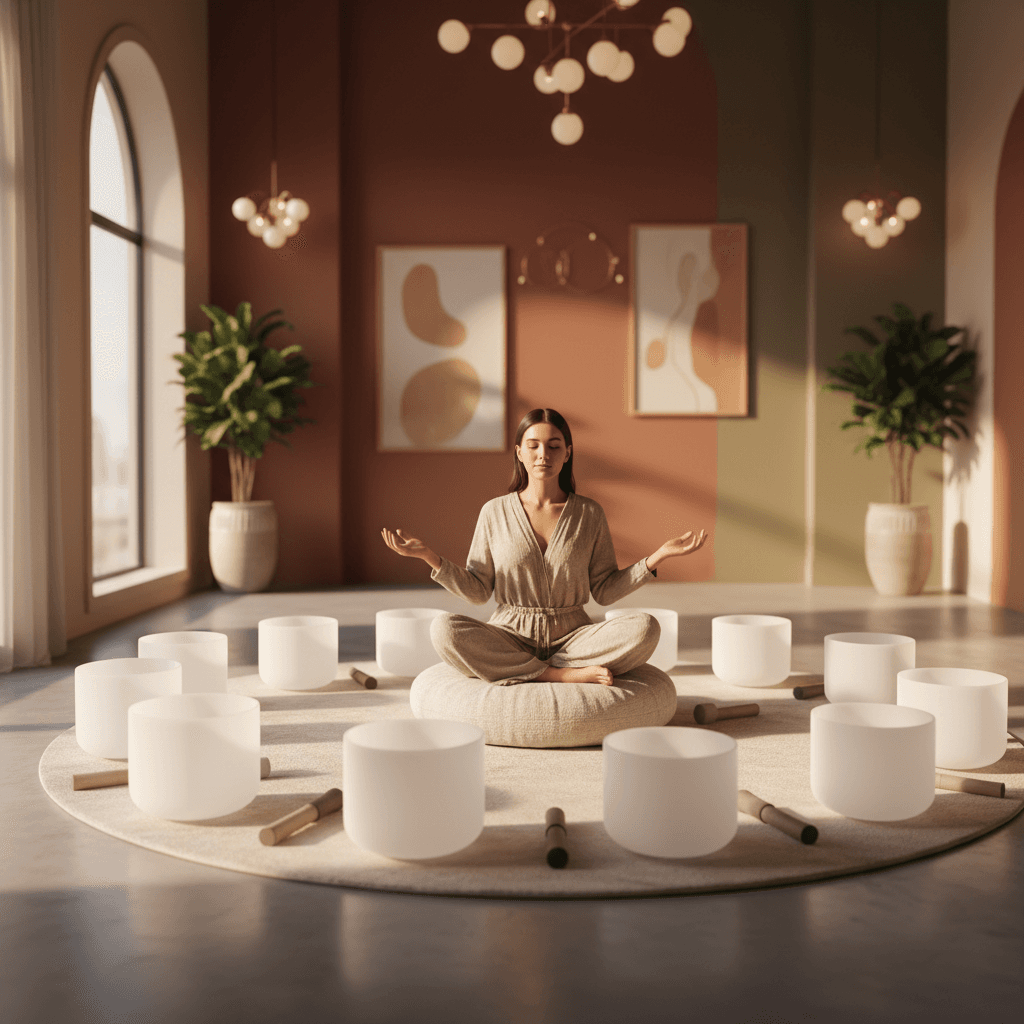
Harmonic Paws: Unveiling Animal-Assisted Sound Therapy at Soul Art Dubai
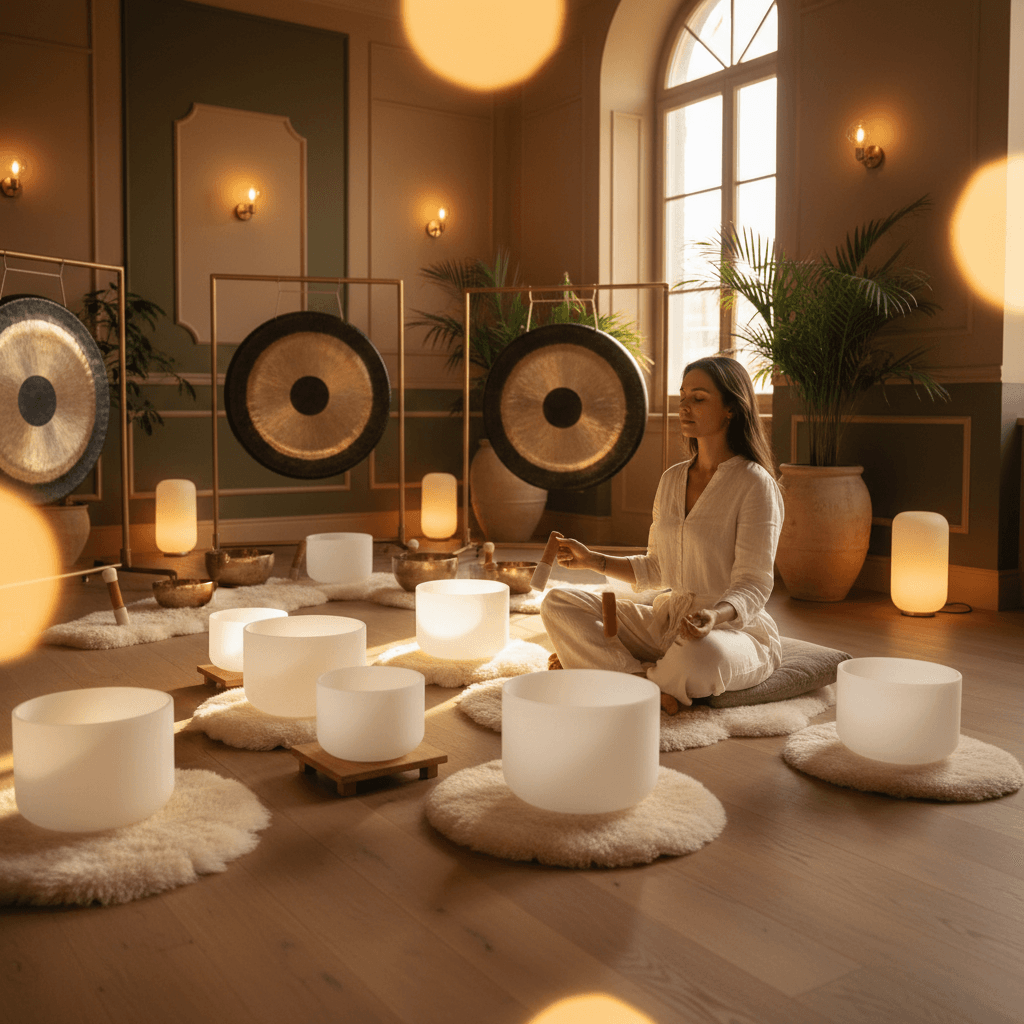
Biophilic Soundscapes: Designing Wellness Through Nature's Acoustics
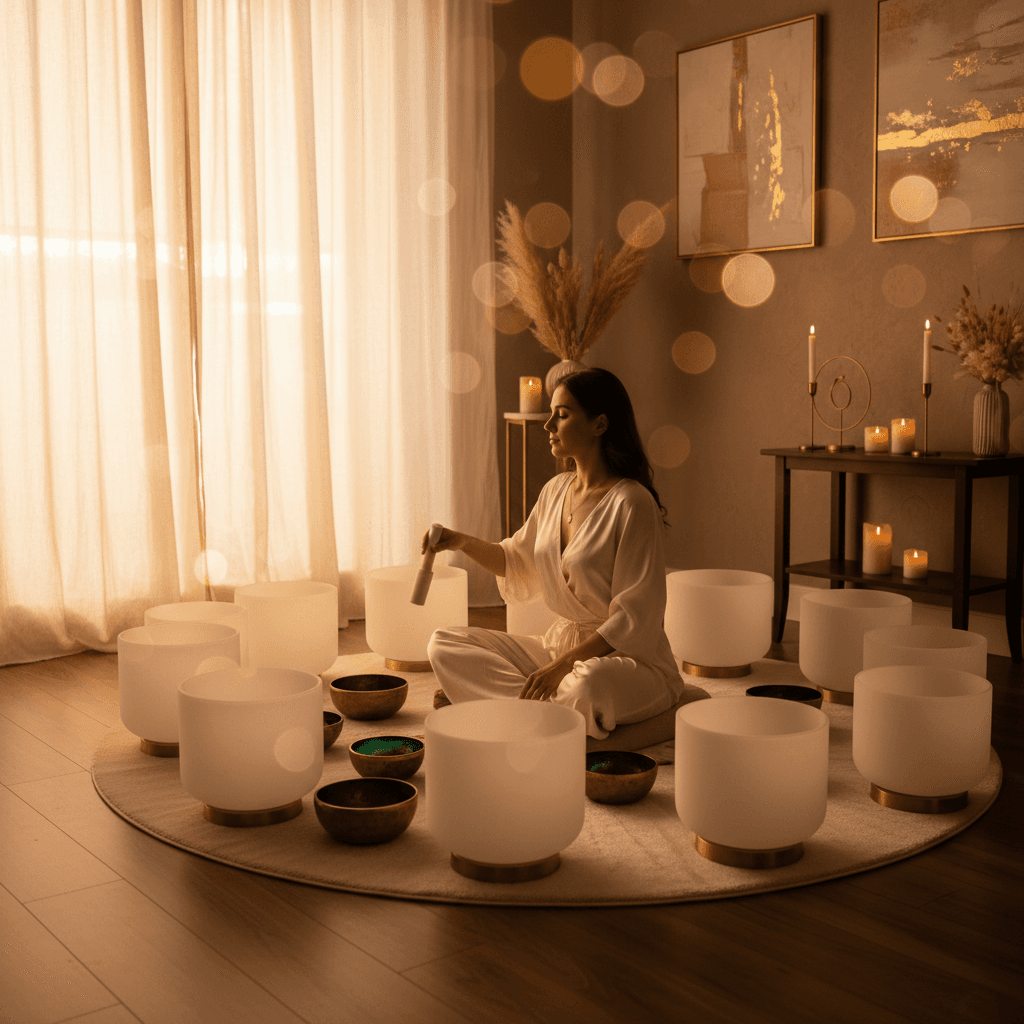
City Noise vs Nature Sound: A Soul Art Path to Serenity