Biophilic Soundscapes: Designing Wellness Through Nature's Acoustics
Key Insights
Explore how biophilic sound design integrates natural sounds into architecture to reduce stress, enhance focus, and elevate well-being. Discover Soul Art Dubai's unique approach.
Imagine a world where the very spaces we inhabit actively reduce our stress, sharpen our focus, and deepen our connection to the natural world, all through the unseen power of sound. While traditional biophilic design has often focused on integrating visual elements like lush greenery and abundant natural light, a quiet revolution is underway, spotlighting the profound impact of auditory biophilia. It proposes that our built environments should not only look natural but also sound natural.
At Soul Art, Dubai's premier sound wellness studio founded by Larissa Steinbach, we intimately understand that sound is a powerful conduit to well-being. This article delves into the scientifically-backed principles of biophilic sound design, exploring how thoughtfully integrated natural soundscapes can transform our physical, mental, and emotional health. We will uncover the neuroscience behind our innate response to sound, examine its practical applications in architectural spaces, and reveal how Soul Art harnesses these profound frequencies to cultivate unparalleled states of relaxation and inner harmony.
The Unseen Architecture of Sound: How Nature's Harmonies Heal
The concept of biophilia, coined by E.O. Wilson, describes humanity's innate tendency to connect with nature and other living systems. Traditionally, biophilic architecture has sought to integrate elements like plants, natural light, and organic materials into the built environment, aiming to foster this connection. However, this visual-centric approach often overlooks a crucial sensory dimension: sound.
The Deep Roots of Sonic Biophilia
Sonic biophilia expands this understanding, recognizing sound as an equally vital component in creating restorative spaces. Research suggests that sound permeates spaces in ways that visual elements cannot, making it an incredibly versatile and effective tool in biophilic design. It acknowledges that just as our eyes crave natural vistas, our ears yearn for natural soundscapes, forming a deep, inherited connection to the acoustic environments of the wild.
This approach moves beyond simply mitigating unwanted noise, instead advocating for the intentional incorporation of beneficial natural sounds. By doing so, architects and designers can create environments that support local biodiversity, indicate environmental quality, and significantly enhance psychophysiological comfort. It's about designing for the whole person, engaging every sense to create a truly immersive and healing experience.
The Physiological Symphony: Sound's Impact on the Body
Our bodies and minds are exquisitely tuned to respond to sound. Scientific research has consistently demonstrated the significant psychological and physiological benefits of exposure to natural sounds. A pivotal study published in Scientific Reports revealed that nature-based sounds actively reduce the body’s "fight-or-flight" (sympathetic) response, simultaneously enhancing the "rest-and-digest" (parasympathetic) state. This shift is critical for promoting deep relaxation, recovery, and overall well-being.
Conversely, the incessant barrage of noise pollution in urban environments poses a serious threat to our health. Studies link excessive noise to elevated blood pressure, impaired concentration, and heightened stress levels. The constant auditory assault from traffic, machinery, and human activity leads to what is known as cognitive fatigue, leaving us feeling drained and overwhelmed.
By prioritizing sound systems and acoustic design that filter harmful noise and introduce calming natural soundscapes, architects can create healthier, more balanced environments. The consistency and specific frequency ranges of natural sounds, particularly water, can effectively mask disruptive urban noises, creating a stable and soothing auditory backdrop. These non-linguistic sounds do not interfere with cognitive processes; instead, they may support a meditative state conducive to creativity and problem-solving.
Cognitive and Emotional Resonance
Beyond mere relaxation, natural soundscapes also profoundly influence our cognitive function and emotional state. Research consistently shows that environments enriched with biophilic elements, including sound, may enhance cognitive function, reduce stress, and improve academic performance. For instance, in learning environments, proper sound control is a crucial factor for fostering focus and engagement.
Certain natural sounds have specific psychological benefits. Birdsong, for example, has been associated with increased perceptions of comfort and safety, evoking a sense of peaceful natural refuge. The concept of "Translocated Sound Memory" suggests that our ancestral connection to these sounds influences our modern responses, allowing us to feel at home and at ease in environments that acoustically mirror natural habitats.
Furthermore, integrating sounds that mimic natural systems, such as circadian soundscapes that subtly change throughout the day, can help regulate our body’s natural rhythms. This mirrors the way natural light cues our sleep-wake cycles, demonstrating how a comprehensive "multisensory sonic inclusion" can redefine biophilia beyond just visual elements, encompassing ecological, cultural, and perceptual dimensions of design.
The Power of Water Sounds
Few sensory experiences are as universally soothing as the gentle trickle of a stream or the rhythmic crash of waves. The sound of water holds a uniquely powerful place in biophilic sound design, celebrated for its profound ability to calm stressed minds and overworked bodies. This pervasive preference is rooted in clear scientific benefits.
Water sounds affect the brain in several distinct ways. They have been shown to decrease stress responses by lowering heart rate and cortisol levels. The consistent, non-linguistic nature of water sounds provides a stable auditory environment, effectively masking disruptive noises without demanding cognitive attention. Many studies suggest that these sounds promote a meditative state, enhancing creativity, restoration, and relaxation. Remarkably, some research even indicates that the sound of water can be more effective for concentration than complete silence. Incorporating varied water acoustics – from gently lapping lake waves to the steady sound of rain – offers a rich palette for designers to craft spaces that invite reflection, focus, and profound serenity.
Crafting Auditory Sanctuaries: Practical Applications
Traditional biophilic architecture, while valuable, often faces limitations, especially in densely populated urban areas where incorporating large natural views or extensive greenery might be impractical. This is where sound design emerges as a game-changer, offering a versatile and deeply impactful solution. By moving beyond a purely visual focus, architects and designers can create truly immersive and restorative environments through sound.
Beyond Visuals: Integrating Sound Systems and Acoustics
The integration of advanced sound systems allows for the intentional introduction of natural soundscapes, transforming any space into a biophilic environment regardless of its immediate outdoor context. This involves not only playing beneficial sounds but also strategically managing the existing acoustic environment. Acoustic analysis is crucial to filter harmful noise and ensure that introduced sounds are clear, natural, and non-intrusive. Enclosed spaces generally offer better sound control, allowing for precise sculpting of the auditory experience.
Architects and designers must consider acoustics from the earliest stages of a project, rather than as an afterthought. This holistic approach ensures that the sound environment contributes positively to the overall well-being of occupants. When acoustics and architectural intent are developed together, the possibilities for enhancing spatial experience are vast and deeply impactful.
Designing for Specific Environments
The application of biophilic sound design is highly adaptable, offering tailored benefits across diverse settings:
- Hospitals and Healthcare Facilities: Introducing soothing nature-based acoustics, such as the sound of rain or a gentle forest ambience, can significantly promote calm, reduce patient stress, and potentially aid in recovery. These soundscapes may support a healing environment, helping to lower anxiety and create a sense of peace in what can often be a stressful setting.
- Offices and Workplaces: In corporate environments, where concentration is paramount, biophilic soundscapes can filter out distracting office chatter and machine noise. Subtly integrated nature sounds may support enhanced focus, reduce cognitive fatigue, and improve overall employee well-being and productivity. Water sounds, in particular, are lauded for improving concentration.
- Educational Buildings: Creating conducive learning environments is critical for student performance. Acoustic solutions that control sound dispersion, combined with calming natural soundscapes, can help students concentrate better, reduce stress, and potentially improve academic engagement.
- Residential Spaces: In homes, biophilic sound design can transform living areas into personal sanctuaries. Gentle soundscapes can promote relaxation, reduce household stress, and foster an environment conducive to restorative sleep, particularly valuable in urban dwellings where external noise can be a constant challenge.
Biophilic Acoustic Design Elements
Implementing biophilic acoustic design involves a range of innovative solutions that blend aesthetics with functionality:
- Nature-Inspired Acoustic Panels: Moving beyond sterile white, designers can utilize acoustic panels in natural shades like forest greens, ocean blues, sandy neutrals, or patterns mimicking leaves, wood grain, or waves. Products like Ecophon Focus™ A panels offer both design flexibility and superior sound absorption, making walls and ceilings active components of the biophilic experience.
- Strategic Use of Natural Light and Views: Rather than blocking daylight, translucent acoustic materials can be employed to allow light to pass through, creating a visual connection to the outdoors even while managing sound. Acoustic baffles can be arranged to mimic the spacing and rhythm of skylights or windows, further reinforcing this natural connection.
- Integrated Water Features: Actual waterfalls, fountains, and other aquatic elements serve a dual purpose. Visually, they connect occupants to nature, but acoustically, their bubbling and flowing sounds provide a natural sound-masking effect. At Longwood Gardens in Pennsylvania, for example, integrated water features create a gentle, natural soundscape that balances the acoustic environment and enhances tranquility.
- Digital Soundscapes: For spaces where physical integration of natural elements is challenging, advanced sound systems can deliver curated digital nature soundscapes. These intelligent, accessible, and scalable solutions can transport people to natural environments, helping them recover quicker, sleep better, feel safer, relax deeper, and focus better. Research even suggests that virtual natural environments can reduce pain perception and lower stress levels, acting as a powerful mental health tool.
Biophilic acoustic design asks teams to consider the whole person – how they see, breathe, orient themselves, and settle into a space. Acoustics is an undeniable part of that same story, deeply influencing how grounded or at ease people feel within a space.
"Our minds and bodies evolved over thousands of years to thrive in nature. If we’re indoors almost all the time, we have to be deliberate about reconnecting with it." – Alexandra Bowen, founder of the Biophilic Design Community
The Soul Art Difference: Larissa Steinbach's Vision for Auditory Wellness
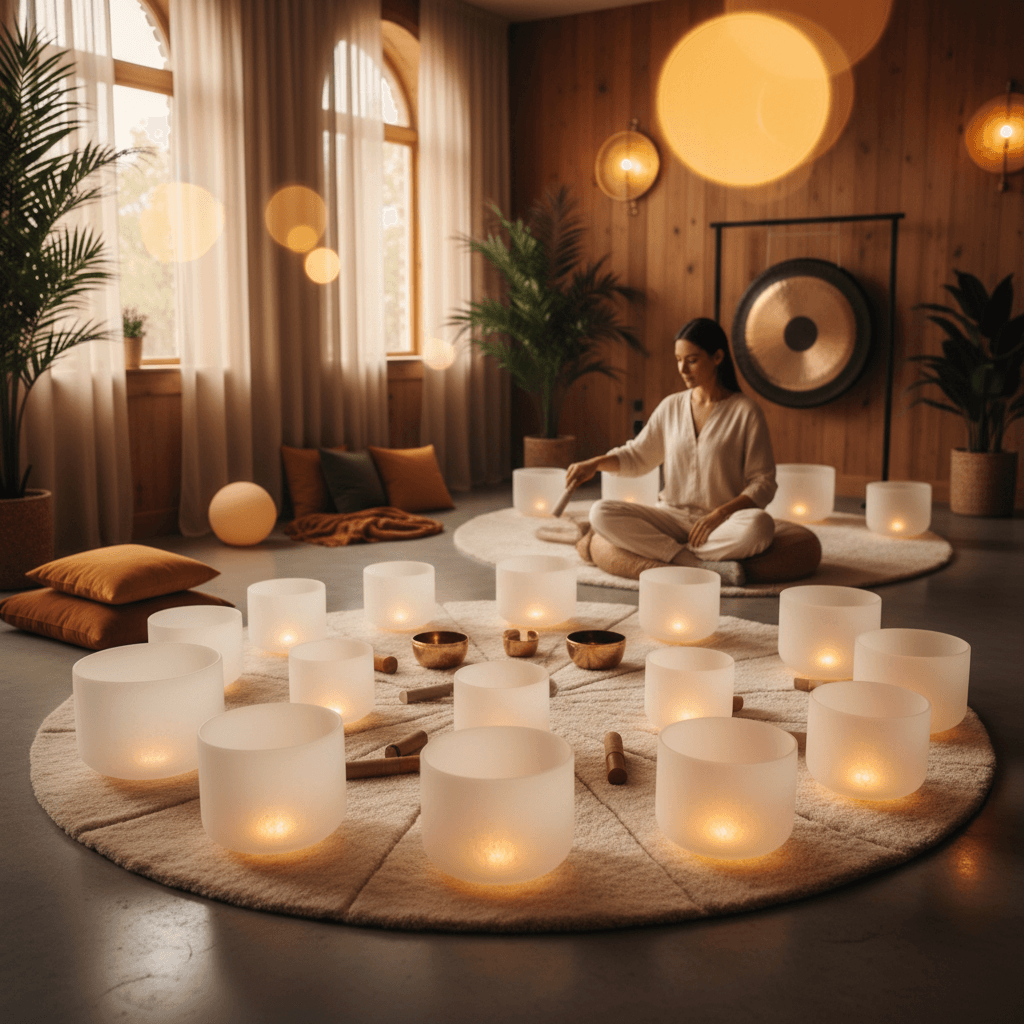
At Soul Art, Dubai, we don't just advocate for biophilic sound design; we embody its deepest principles through transformative sound wellness experiences. Under the expert guidance of Larissa Steinbach, Soul Art transcends the theoretical by providing a sanctuary where individuals can directly experience the profound healing potential of sound. Our approach is deeply rooted in the understanding that pure, resonant frequencies, much like natural soundscapes, can guide the human body and mind into unparalleled states of relaxation and restoration.
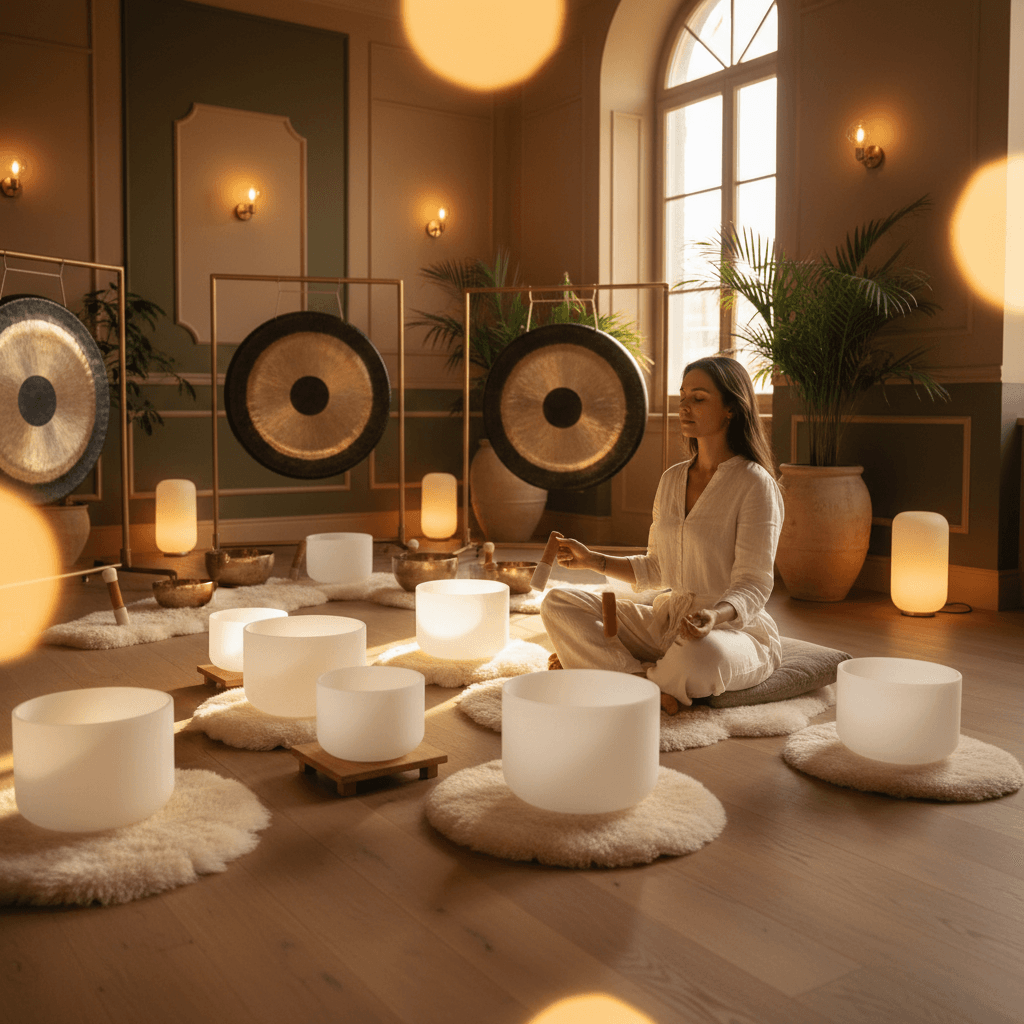
Larissa Steinbach's method integrates the scientific understanding of sound's physiological effects with ancient wisdom traditions. While architectural biophilic sound might incorporate recorded natural ambiences, Soul Art focuses on the direct, live generation of natural harmonic frequencies. We utilize a curated collection of instruments, including Himalayan singing bowls, crystal singing bowls, gongs, chimes, and other resonant tools. Each instrument is carefully selected for its ability to produce specific vibrational frequencies that deeply resonate with the body's energy centers and nervous system.
These immersive sound bath experiences are meticulously crafted to activate the body’s "rest-and-digest" response, systematically calming the nervous system. Participants are enveloped in a symphony of pure tones that encourage brainwave states associated with deep meditation and sleep, offering a profound escape from the mental clutter and stress of daily life. It's a form of "Sonic Biophilia" in action, where the natural, raw vibrations interact directly with our innate biological rhythms, fostering an internal sense of connection to nature's fundamental harmonies.
Soul Art provides a vital antidote to the constant noise pollution of urban living. In a city like Dubai, our studio offers a unique opportunity to detox from auditory overload, allowing the body and mind to re-calibrate. The Soul Art method is more than just listening; it is an active participation in a vibrational field that may support stress reduction, emotional release, enhanced clarity, and a deeper connection to one's inner self. We believe that by attuning ourselves to these natural frequencies, we can unlock a powerful capacity for self-healing and sustained well-being, making Soul Art a true pioneer in the field of auditory wellness.
Cultivating Your Auditory Sanctuary: Practical Steps for Enhanced Well-being
Understanding the profound impact of biophilic sound design is the first step toward reclaiming your auditory environment for well-being. Here are practical, actionable steps you can implement today to integrate more harmonious sounds into your daily life and cultivate your personal sanctuary:
- Mindful Listening in Nature: Make it a regular practice to spend time outdoors, consciously listening to natural soundscapes. Whether it's the rustle of leaves, birdsong, or the sound of water, immerse yourself in these natural frequencies without distraction. This simple act can help re-tune your nervous system.
- Curate Your Home Soundscape: Introduce natural sound elements into your living spaces. This could involve playing high-quality recordings of gentle rain, ocean waves, or forest ambience. Consider small indoor water features, such as tabletop fountains, which provide both soothing sounds and a visual biophilic element.
- Optimize Home Acoustics: Address noise pollution within your home. Use soft furnishings, rugs, curtains, and even acoustic panels to absorb sound and reduce reverberation. Creating a quieter, more controlled indoor sound environment allows beneficial sounds to have a greater impact.
- Limit Noise Pollution Exposure: Be mindful of sources of unwanted noise. Use noise-canceling headphones when needed, choose quieter routes for commutes, and create dedicated quiet zones in your home where you can escape auditory overload. Consciously reducing exposure to harsh, artificial sounds can dramatically improve your stress levels.
- Explore Sound Wellness Practices: Consider engaging in structured sound wellness experiences like those offered by Soul Art. Immersive sound baths can provide a powerful reset for the nervous system, guiding you into deep relaxation and promoting a profound sense of inner peace. These sessions offer a unique opportunity to experience the therapeutic power of pure, resonant frequencies.
By intentionally shaping your auditory environment, you can actively reduce stress, enhance focus, and deepen your connection to the natural world. These simple yet powerful changes may support a more balanced and harmonious life, fostering both mental clarity and emotional resilience.
In Summary: The Future is Heard
Biophilic design is evolving, moving beyond solely visual integration to embrace the profound and pervasive power of sound. As research increasingly highlights the physiological and psychological benefits of natural soundscapes, it becomes clear that sound design is not just an aesthetic choice, but a critical element for enhancing human well-being in our built environments. From reducing stress and improving focus to fostering deeper relaxation and a stronger connection to nature, the intentional use of sound offers a versatile and deeply impactful tool.
Pioneering this movement in Dubai, Larissa Steinbach and Soul Art demonstrate how expertly curated sound experiences can create powerful sanctuaries for restoration and inner harmony. By embracing the principles of biophilic sound design, we can transform our spaces—and our lives—into richer, more resonant experiences. The future of wellness is not just seen; it is profoundly heard.
Bookings Coming Soon
Soul Art is still in preparation. Session details and booking will be published here after launch.
Coming Soon
Wellness Disclaimer: This article is for educational and informational purposes only. It does not constitute medical advice, diagnosis, or treatment. Soul Art Dubai provides non-medical wellness experiences focused on relaxation, stress management, and general wellbeing. Sound wellness is a complementary practice and should not replace professional medical care.
Related Articles
Harmonic Paws: Unveiling Animal-Assisted Sound Therapy at Soul Art Dubai
City Noise vs Nature Sound: A Soul Art Path to Serenity

Conservation Sound: Protecting Nature's Music for Wellbeing