The Resonant Heart: How Your Voice Connects to Your Deepest Being
Key Insights
Explore the profound connection between voice, chest resonance, and heart well-being. Discover the science and practice of sounding your heart space at Soul Art Dubai.
Sounding the Chest: Voice and Heart Space
What if the simple act of using your voice could unlock a deeper connection to your emotional heart space and foster profound well-being? In our bustling lives, the power of our own vocalizations often goes unnoticed, yet ancient wisdom and emerging science are increasingly pointing to a remarkable link between our voice, the resonant chamber of our chest, and the intricate rhythms of our heart.
At Soul Art, Dubai's premier sound wellness studio, we explore this powerful connection, guiding individuals to harness their innate vocal capacity for holistic health. This journey isn't just about making sound; it's about feeling vibration, understanding resonance, and consciously engaging with the very core of your being. It's a gentle yet profound path to stress management, emotional balance, and enhanced self-awareness, complementing your overall wellness journey.
This article delves into the fascinating world where voice meets heart, exploring the scientific underpinnings and practical applications of "sounding the chest." We will uncover how intentional vocalization may offer a unique pathway to internal harmony and a deepened sense of peace, as embraced in the transformative practices led by Larissa Steinbach at Soul Art.
The Science Explained: A Symphony Within
The human body is an extraordinary instrument, a complex system of interconnected parts where breath, voice, and vital organs engage in a constant, intricate dance. Understanding how our voice impacts the chest and heart begins with recognizing the body's capacity to transmit and respond to sound and vibration.
The Chest as a Resonant Chamber
Our chest is not merely a protective cage for our heart and lungs; it is a significant collector and transmitter of sound. Research has shown that the chest wall acts as a conduit, allowing both external ambient noise and internal sounds—like those from the heart—to propagate and be recorded. This physiological characteristic indicates that the chest is highly responsive to vibrational input, whether from outside or, crucially, from within. When we vocalize, the sounds we produce don't just exit our mouths; they resonate throughout our entire being, particularly in the chest cavity.
The Vibrational Nature of the Heart
The heart itself is a source of complex vibrations. Heart sounds are primarily generated by the turbulent flow of blood and the closing of heart valves, creating vibrational waves that transmit through the chest wall. These sounds contain both low and high-frequency oscillatory components. While higher frequencies are discernible with a stethoscope, advanced technologies can now capture the subtle, lower frequency pressure vibrations embedded within the pulse pressure waveform, further underscoring the heart's dynamic vibrational activity.
The Voice-Heart Connection: An Emerging Field
The connection between our vocal characteristics and cardiovascular health is an exciting area of ongoing research. Preliminary studies, such as the Mayo Clinic's "Heart and Voice Study," are exploring the hypothesis that simple voice recordings could potentially alert individuals and doctors to early signs of heart disease. This groundbreaking research is driven by the understanding that our vocal cords have a rich blood supply, a dense nerve supply, and are intrinsically linked to the airflow from our lungs. Consequently, many subtle health conditions, including those affecting the cardiovascular system, may result in imperceptible changes in voice quality.
These subtle vocal shifts, often undetectable to the human ear, could serve as early indicators. The study aims to analyze patient voice signals using advanced AI models to detect associations between voice characteristics and the presence of cardiovascular disease. This scientific exploration highlights the profound physiological interconnectedness between our vocal apparatus and our heart. It suggests that our voice is not merely a tool for communication but a delicate barometer of our internal well-being, intimately linked to the health and rhythm of our heart.
"The human voice is perhaps the most profound sound healing instrument we possess, capable of initiating a ripple effect of self-regulation throughout our entire system, starting from the heart."
The internal vibrations created by our voice, particularly when intentionally directed through practices like toning or humming, are believed to interact with this rich physiological landscape. These self-generated frequencies may influence neural pathways, including those connected to the vagus nerve, which plays a crucial role in regulating heart rate, digestion, and stress responses. By resonating the chest, we are not just making sound; we are potentially engaging in a sophisticated form of self-regulation, sending vibrational signals through tissues and fluids that may support the heart and nervous system.
How It Works in Practice: The Experience of Resonance
Connecting with your voice and heart space is a deeply personal and often profoundly moving experience. It moves beyond abstract scientific concepts into the realm of felt sensation, offering a tangible path to inner calm and emotional release.
Intentional Vocalization and Internal Resonance
When clients engage in sounding practices, such as toning, chanting, or humming, they are guided to produce sounds that encourage a palpable vibration within the chest cavity. This isn't about singing beautifully; it's about feeling the sound. Many people report experiencing a gentle hum or a resonant thrum that spreads through the ribs, sternum, and even into the back. This internal resonance is the physical manifestation of sound waves traveling through the body's tissues and fluids.
The act of consciously directing these vocal vibrations inward can feel like a gentle internal massage. This sensation is particularly potent in the heart space, an area often associated with emotional storage and energy. As the vibrations wash over this region, clients often describe a sense of opening, warmth, or release. It's a direct, non-cognitive way of engaging with an area that holds significant emotional weight for many.
Emotional Release and Relaxation
The practice of sounding the chest is widely recognized as a powerful tool for stress management and emotional well-being. By focusing on the breath and the production of continuous, sustained vocal tones, the nervous system is often encouraged to shift into a more relaxed state. The sustained vibrations, particularly those generated by humming, are sometimes associated with vagal nerve stimulation, which can activate the parasympathetic nervous system, promoting a "rest and digest" response. This physiological shift may lead to a reduction in cortisol levels and an increase in feelings of calm.
Many people report that intentional vocalization helps to dissipate emotional tension held in the body. The act of "giving voice" to internal states, even without words, can be incredibly cathartic. It provides a safe and non-judgmental outlet for feelings that might otherwise remain suppressed. Through consistent practice, clients often experience greater emotional clarity, a lighter heart, and a profound sense of inner peace. It's a unique method for engaging with the body's innate wisdom, fostering a harmonious dialogue between mind, body, and spirit.
The Soul Art Approach: Larissa Steinbach’s Heart-Centered Resonance
At Soul Art, Larissa Steinbach, our founder and lead sound wellness practitioner, has meticulously crafted an approach that integrates the scientific understanding of sound and vibration with ancient wisdom and compassionate guidance. Her method for "sounding the chest" goes beyond mere vocal exercises, transforming it into a holistic wellness experience focused on genuine self-connection.
Larissa's expertise lies in facilitating a safe and nurturing environment where individuals can explore the profound potential of their own voice. She guides clients through intentional breathwork techniques, which are foundational to producing resonant vocalizations. This focus on controlled and conscious breathing ensures that the sound originates from a place of grounded presence, maximizing its internal vibrational impact.
What makes the Soul Art method unique is its heart-centered philosophy. Larissa emphasizes tuning into the body's subtle signals and allowing the voice to emerge authentically, rather than striving for perfect pitch or melody. Clients are encouraged to discover their unique resonant frequencies, whether through gentle humming, sustained toning, or intuitive vocalizations. This personalized approach recognizes that each individual's journey to inner harmony is distinct.
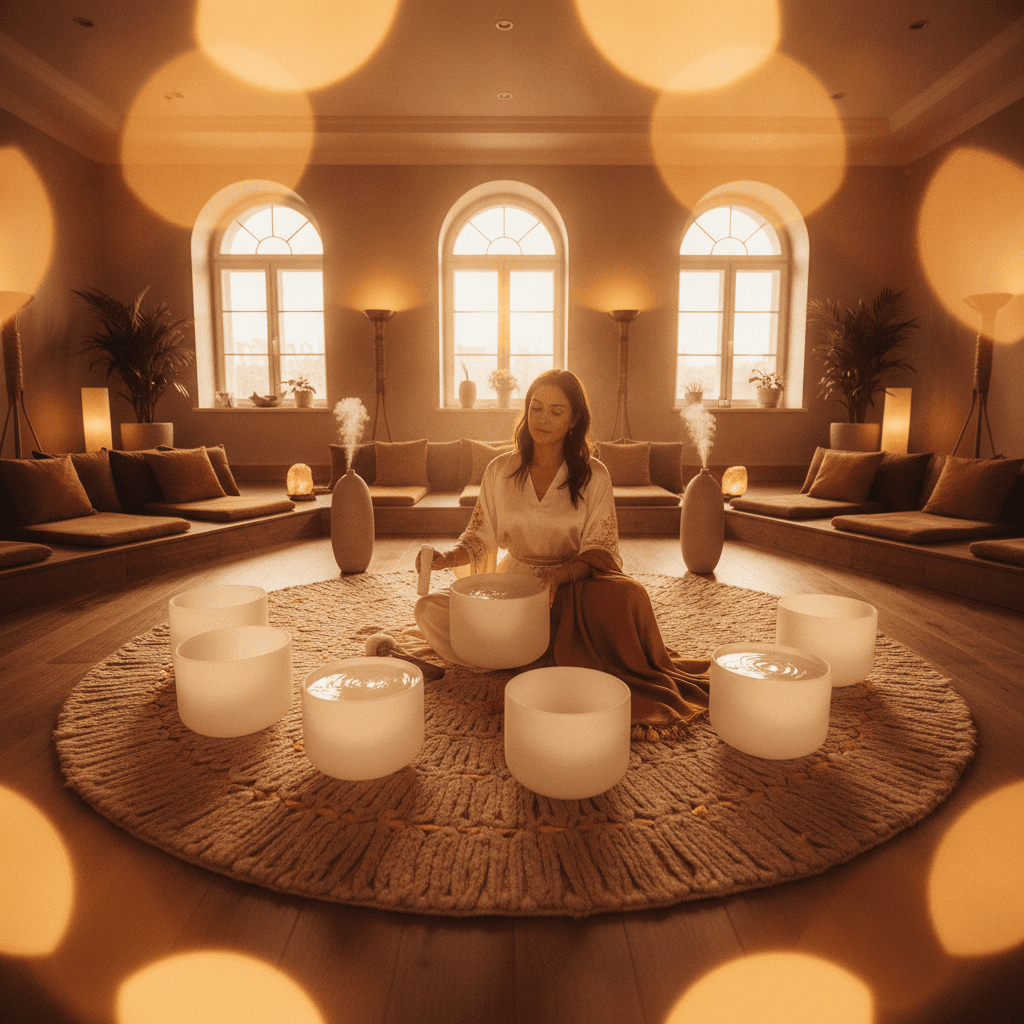
Moreover, Larissa Steinbach often integrates other meticulously selected sound instruments, such as crystal singing bowls, Himalayan singing bowls, and gongs, to amplify the experience. These instruments produce complex overtones and sustained vibrations that beautifully complement and deepen the self-generated vocal resonance. This synergistic approach creates a rich soundscape that envelops the client, potentially enhancing the meditative state and further facilitating the release of tension. By combining personalized vocal guidance with external sound therapy, Soul Art offers a truly immersive and transformative pathway to cultivating a deeper relationship with one's own heart space and overall well-being. It is a complementary approach designed to nourish the soul and calm the nervous system.
Your Next Steps: Connecting with Your Inner Voice
Embarking on a journey to explore the connection between your voice and heart space is a powerful act of self-care. Even without formal training, you can begin to harness the profound potential of your own vocal vibrations for greater well-being. These simple practices can be easily integrated into your daily routine.
Here are a few actionable steps you can take today to start sounding your chest and connecting with your heart space:
- Hum Your Way to Calm: Find a quiet moment, take a deep breath, and hum a sustained, gentle tone. Place your hand on your chest and feel the vibration. Experiment with different pitches to find the one that resonates most comfortably within your chest. Many people report that humming helps to soothe the nervous system.
- Conscious Breath and Soft Toning: Sit comfortably and focus on slow, deep breaths, allowing your belly to rise and fall. As you exhale, gently vocalize a soft "ahh" or "ohh" sound, letting it emerge effortlessly. Feel how the sound vibrates through your chest and heart area. This simple exercise may support relaxation.
- Listen to Your Own Resonance: After vocalizing, pause and silently observe any lingering sensations in your chest. Notice feelings of warmth, spaciousness, or calm. This practice cultivates mindfulness and helps you tune into your body's subtle responses.
- Explore Guided Sound Practices: Consider joining a guided sound wellness session or workshop. A knowledgeable practitioner, such as Larissa Steinbach at Soul Art, can offer expert guidance on vocal toning, breathwork, and using sound to access deeper states of relaxation and self-connection.
- Journal Your Experience: After a vocalization practice, take a few moments to write down any thoughts, feelings, or physical sensations you experienced. This can help you track your progress and deepen your understanding of the voice-heart connection.
These steps are designed to be complementary self-care practices. Engaging with your voice and heart space through sound is a gentle yet profound way to nurture your overall wellness.
In Summary: The Unspoken Language of the Heart
Our exploration into "Sounding the Chest: Voice and Heart Space" reveals a profound and often overlooked aspect of human well-being. The intricate connection between our vocal cords, the resonant chamber of our chest, and the very rhythm of our heart is a testament to the body's integrated wisdom. Emerging scientific insights reinforce what ancient practices have long understood: our voice is a powerful instrument for self-regulation and emotional balance.
By consciously engaging with our vocalizations, we create internal vibrations that may support the nervous system, foster deep relaxation, and facilitate emotional release. This holistic wellness practice, masterfully guided by Larissa Steinbach at Soul Art, invites you to rediscover the unique power of your own voice. It’s an invitation to cultivate inner harmony, reduce stress, and forge a deeper, more resonant connection with your most authentic self.
Bookings Coming Soon
Soul Art is still in preparation. Session details and booking will be published here after launch.
Coming Soon
Wellness Disclaimer: This article is for educational and informational purposes only. It does not constitute medical advice, diagnosis, or treatment. Soul Art Dubai provides non-medical wellness experiences focused on relaxation, stress management, and general wellbeing. Sound wellness is a complementary practice and should not replace professional medical care.
Related Articles

The Science of Connection: Call and Response Chanting for Wellness
Deepen Your Bond: Couples Breath & Tone Practice at Soul Art
Harmonize Your Voice: Humming for Public Speaking Nerves