Navigating Sound Wellness: Evidence-Based Questions for Practitioners
Key Insights
Unlock informed choices in sound wellness with evidence-based questions for practitioners. Learn from Soul Art Dubai's Larissa Steinbach.
The profound impact of sound on human well-being has been recognized across cultures for millennia. From ancient chanting rituals to the deep resonance of Himalayan singing bowls, sound has long been a conduit for healing and transformation. In today's dynamic wellness landscape, practices like sound baths and binaural beat sessions are gaining significant popularity, offering pathways to deep relaxation and stress reduction.
Yet, with the growing interest comes a natural curiosity and a need for discernment. How can one ensure that a sound wellness experience is not only deeply relaxing but also grounded in credible understanding? This article aims to empower you with evidence-based questions, enabling you to confidently navigate the world of sound wellness and make informed choices for your holistic well-being journey, guided by the principles embraced at Soul Art Dubai by Larissa Steinbach.
Understanding the underlying science and integrating it with practitioner expertise is paramount. As we explore the science behind sound, we will equip you with the insights needed to ask the right questions, ensuring your path to tranquility is both profound and trustworthy. This commitment to transparency and informed practice defines the essence of Soul Art.
The Science Explained
The journey into sound wellness begins with understanding its scientific underpinnings. While deeply rooted in ancient wisdom, modern science is increasingly providing fascinating insights into how sound influences our physiology and psychology. This growing body of research helps us bridge the gap between anecdotal experience and verifiable impact on our nervous system.
Brainwave Entrainment and Neurological Pathways
One of the most compelling scientific explanations for sound's effect is brainwave entrainment. This process describes the brain's natural tendency to synchronize its electrical activity with an external, rhythmic stimulus. When exposed to specific sound frequencies, the brain's electrical patterns can shift, moving from states of heightened activity to states of deep relaxation or focused concentration. For example, exposure to alpha waves (8-13 Hz) is associated with calm and relaxed wakefulness, while theta waves (4-7 Hz) are linked to meditative states and creativity.
Studies show that certain frequencies can gently guide the brain into these desired states. Binaural beats, an auditory illusion created by playing two slightly different frequencies into each ear, are often utilized for this purpose. The brain perceives a third "beat" at the difference between the two frequencies, which can encourage brainwave synchronization. While research conclusions on binaural beats are mixed, with some studies showing effects and others finding none, the principle of influencing brain states through auditory input remains a key area of study in sound wellness.
Beyond brainwave entrainment, sound vibrations can exert a tangible impact on the nervous system. Research indicates that specific sound exposures may help lower stress hormones such as cortisol, which is often elevated during periods of chronic stress. This reduction in cortisol can contribute to feelings of reduced anxiety, improved mood, and enhanced sleep quality. The intricate interplay between sound, brain activity, and hormonal responses underscores the potential for sound to support overall well-being.
Vibrational Medicine and Cellular Response
The impact of sound extends beyond auditory perception, resonating throughout the entire body as vibrational medicine. When instruments like singing bowls and gongs are played, they produce vibrations that can be felt physically, not just heard. These sound waves travel through the body's tissues, which are largely composed of water, facilitating a deeper cellular experience. Experts believe that both the sounds heard through the ears and the vibrations received through the skin contribute to potential health benefits.
Cutting-edge research is exploring how precise acoustic stimulation may affect the body at a cellular level. For instance, studies from MIT’s Picower Institute have shown that exposure to 40 Hz light and sound can reduce hallmarks of Alzheimer’s pathology in animal models and early human trials. These mechanisms appear to involve enhanced glymphatic clearance, reduced neuroinflammation, and improved synaptic function. This area of research, termed “gamma entrainment using sensory stimulation” (GENUS), highlights how targeted frequencies might influence fundamental biological processes.
Another robust area of study involves sound therapy's effects on pain perception and management. A comprehensive review found that 40 Hz was a commonly used frequency in vibroacoustic therapy for adult pain. This suggests that specific low-frequency sound vibration may affect the body through physical and neurological pathways, potentially alleviating chronic discomfort. While more data is needed to conclude that sound therapy has reliable health benefits across the board, preliminary studies indicate promising outcomes for enhanced mood, stress reduction, and improved physiological markers.
The Evolving Research Landscape and Evidence-Based Practice
The scientific backing for sound wellness is continually growing, with studies increasingly supporting its benefits as a complementary practice. Institutions like UCLA, Stanford University, and the University of California San Diego are actively researching how ancient sound practices create measurable changes in our brains and bodies using advanced neuroimaging technologies like EEG. This commitment to peer-reviewed research helps validate what many ancient cultures have known for centuries.
However, it is crucial to approach wellness claims with a critical, evidence-based mindset. Not all "healing frequencies" promoted online are backed by strong scientific evidence. Evidence-based practice (EBP) emphasizes the integration of research findings, practitioner expertise, and client preferences. This means critically evaluating the relevance, reliability, and applicability of research. Key aspects of EBP include assessing:
- Generalisability: How widely applicable are the study findings?
- Reliability & Replicability: Can the study results be consistently reproduced over time and by others?
- Validity: Does the study truly measure what it claims to? Is it applicable to your specific situation (external validity)?
- Authority & Peer-review: Has the research come from reputable sources and undergone rigorous scrutiny by fellow experts?
- Bias: Has the study actively looked for and mitigated sources of bias in its design and presentation of results?
Adopting an EBP framework ensures that sound wellness practices are grounded in credible knowledge, rather than relying solely on tradition or anecdotal reports. This holistic perspective, blending ancient wisdom with contemporary scientific validation, is central to offering truly transformative and trustworthy experiences.
How It Works in Practice
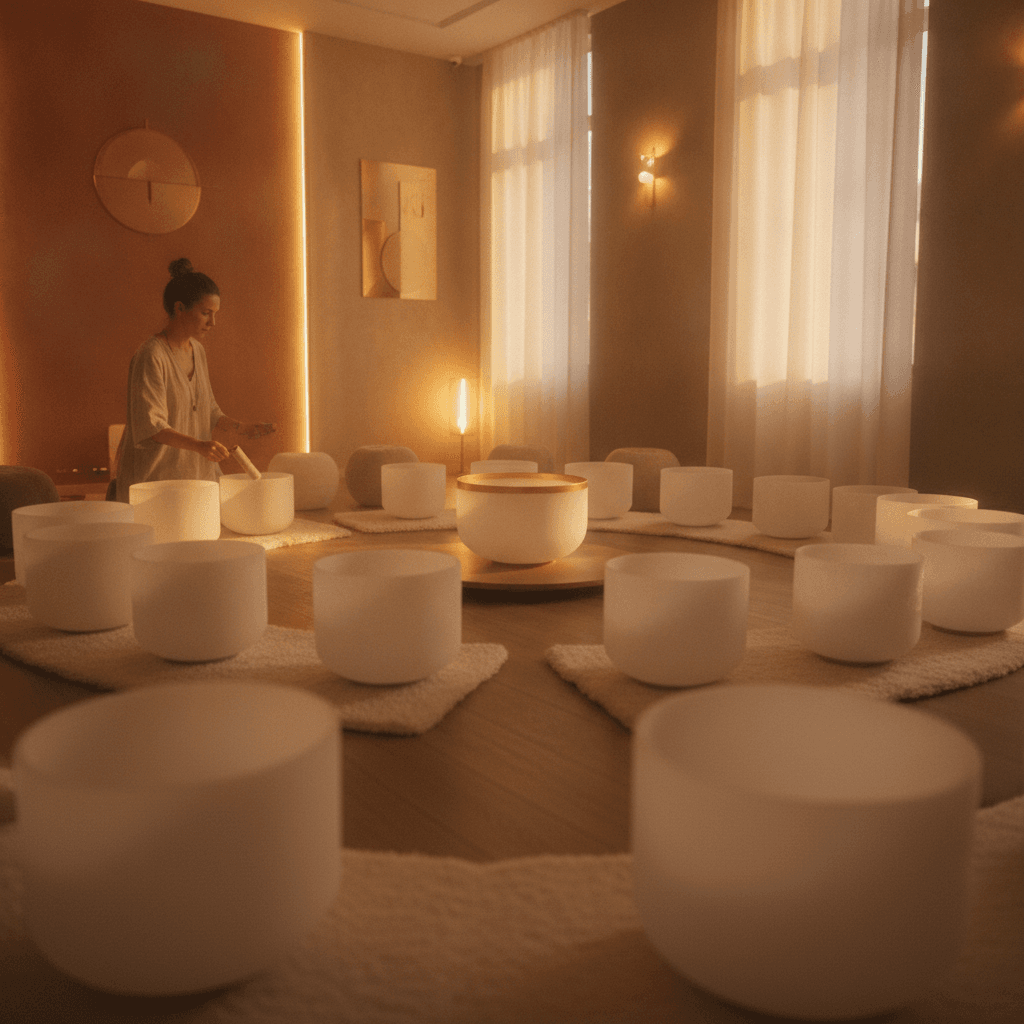
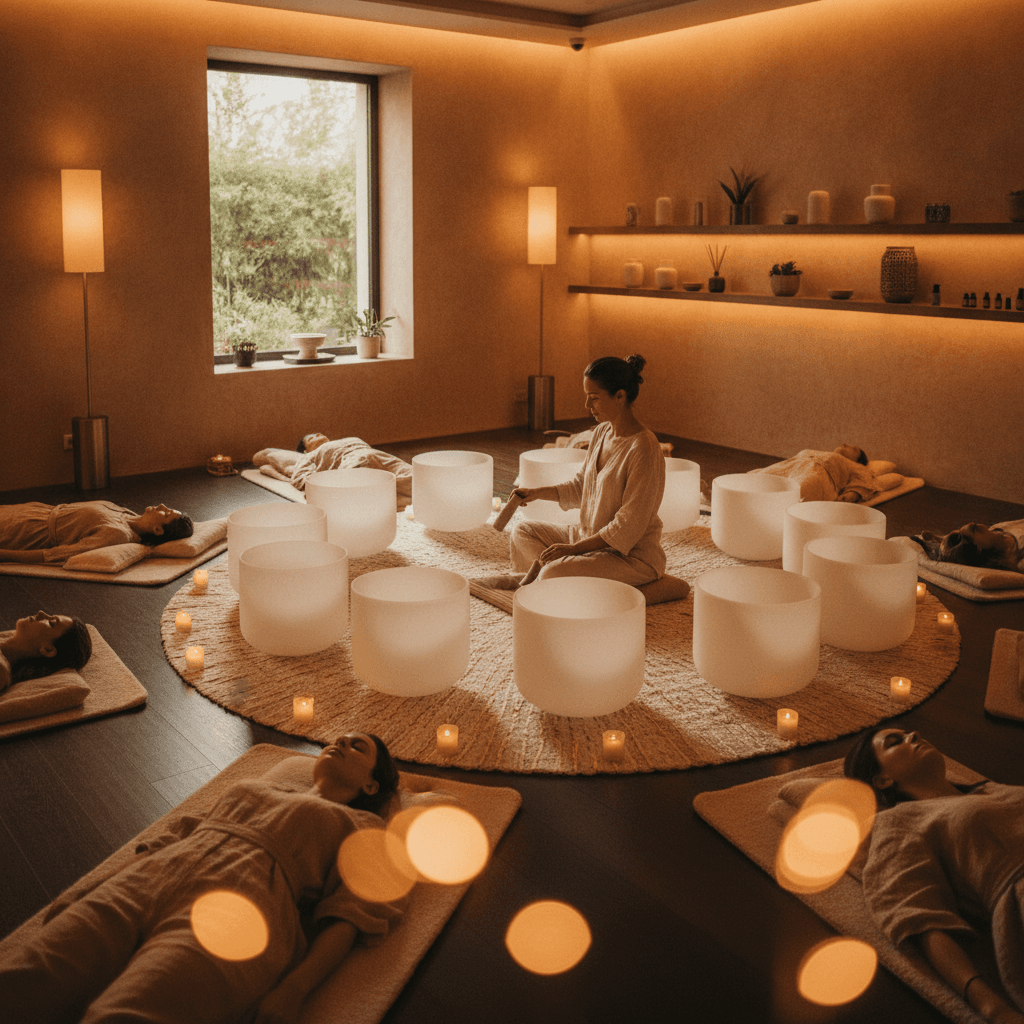
Translating the science of sound into a tangible, beneficial experience is where a skilled practitioner truly shines. A sound wellness session, often referred to as a sound bath, is an immersive meditative practice designed to envelop participants in a serene auditory environment. Clients typically lie down comfortably, allowing the body and mind to fully relax as the practitioner plays various instruments.
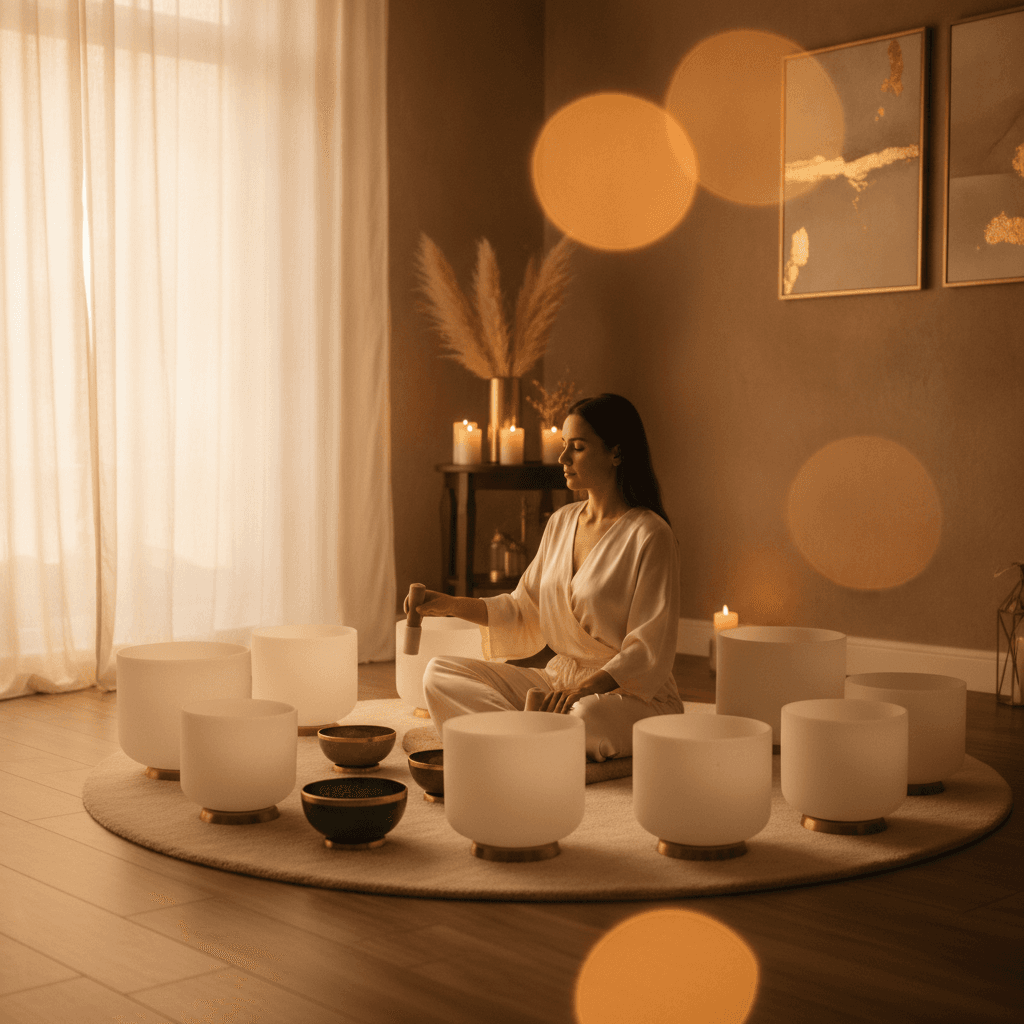
The instruments used are carefully selected for their unique vibrational qualities. Himalayan singing bowls and crystal singing bowls produce rich, sustained tones and profound vibrations that can be felt deeply within the body. Gongs create expansive, complex soundscapes that can facilitate shifts in consciousness, while chimes and other percussive instruments add delicate textures and support a sense of calm. The combination of these sounds creates a multi-layered auditory experience.
The aim is to induce a state of deep relaxation, where the brain shifts from everyday beta wave activity to more relaxed alpha and theta states. Many people report feeling a profound sense of peace and stillness during a sound bath, often describing it as a feeling of "letting go." The passive nature of the practice is one of its most compelling advantages; unlike traditional meditation that requires active focus, the benefits of a sound bath occur simply through listening and allowing the vibrations to wash over you.
Clients often experience a reduction in physical tension, a quieting of the mind, and a noticeable decrease in anxiety. The continuous flow of sound can act as an anchor, helping to quiet incessant thoughts and bring the individual into the present moment. This focused listening can gently lower heart rate and blood pressure, contributing to a sense of calm and well-being. The external vibrations may also gently stimulate the body, encouraging relaxation and a subtle release of muscular tension.
The accessibility of sound wellness is another key aspect. Research confirms that significant effects on tension, anxiety, and depressed mood are often strongest among people new to meditation practices. This means that individuals who find traditional meditation challenging can still access profound benefits through passive listening. A well-facilitated sound bath by an experienced practitioner provides a safe and nurturing space for individuals to explore these states of deep rest and restoration, integrating the scientific principles of brainwave entrainment and vibrational resonance into a powerful experiential journey.
The Soul Art Approach
At Soul Art Dubai, founded by the visionary Larissa Steinbach, the practice of sound wellness is meticulously crafted to be both deeply transformative and ethically grounded. Our approach elegantly fuses the ancient wisdom of sound healing with contemporary scientific understanding, creating an experience that is luxurious, deeply nurturing, and demonstrably beneficial for overall well-being. Larissa's commitment to excellence ensures that every session is not just an experience, but an evidence-informed journey.
Larissa Steinbach's philosophy at Soul Art is centered on holistic well-being, acknowledging that true restoration requires addressing physical, emotional, and spiritual needs. We emphasize the integration of research evidence, our extensive practitioner expertise, and the unique preferences and values of each client. This client-centered methodology is a cornerstone of our practice, ensuring that every session is tailored to support individual journeys.
What makes the Soul Art method unique is our rigorous selection of instruments and the thoughtful curation of frequencies. Larissa Steinbach personally sources high-quality crystal singing bowls, gongs, and chimes, chosen for their purity of tone and vibrational integrity. Our practitioners are trained not just in playing these instruments, but in understanding the specific frequencies they produce and their potential impact on brainwave states and physiological responses, drawing directly from the scientific principles discussed earlier.
"True well-being emerges when ancient practices meet modern understanding. At Soul Art, we believe in empowering our clients with experiences that are not only deeply relaxing but also thoughtfully designed and scientifically informed." – Larissa Steinbach
At Soul Art, we actively engage in critical thinking and reflection, continually evaluating the effectiveness of our sessions and making adjustments based on client feedback and evolving research. This dedication ensures that our practices remain at the forefront of sound wellness, adhering to the highest standards of safety and efficacy. We carefully consider generalisability and external validity, ensuring that the benefits observed in research can reasonably apply to our diverse clientele.
We also prioritize transparent communication regarding what sound wellness may support, focusing on relaxation, stress management, and improved well-being rather than making medical claims. This ethical stance, combined with Larissa Steinbach’s dedication to a truly holistic and informed approach, defines the distinctive quality of Soul Art.
Evidence-Based Questions to Ask a Sound Practitioner
When seeking a sound wellness experience, being an informed participant is key to ensuring a beneficial and safe journey. Asking targeted, evidence-based questions can help you discern the quality and approach of a practitioner. Here are critical questions, rooted in the principles of evidence-based practice, to guide your choice:
1. What is your background and training in sound wellness, and what is the basis for your practice?
This question probes the authority and practitioner expertise of your chosen guide. A well-trained practitioner will be transparent about their certifications, the lineage of their training, and how they stay current with developments in the field. They should be able to articulate whether their approach is purely intuitive, deeply traditional, or informed by contemporary research. Look for those who can discuss both the ancient roots and the modern scientific understanding of sound.
2. Can you explain the specific benefits of this session, and what evidence supports them?
This question addresses the integration of research evidence and validity. A practitioner should be able to clearly outline the intended outcomes of a session – for example, "to promote deep relaxation and reduce stress" – and explain the scientific basis for these claims. They might reference concepts like brainwave entrainment or the impact of vibrations on the nervous system. Be cautious of practitioners making sweeping claims about "curing" or "treating" medical conditions, as sound wellness is a complementary practice focused on overall well-being.
3. How do you ensure the experience is tailored to my individual needs and preferences?
This question emphasizes the importance of client preferences and values and external validity. A good practitioner will engage in a brief intake conversation to understand your goals, current state, and any health considerations. They should be able to explain how they adapt their session, instrument choice, or intensity to suit your comfort and desired outcomes. This indicates a personalized, rather than a one-size-fits-all, approach.
4. What outcomes can I reasonably expect, and how do you assess the effectiveness of your sessions?
This question touches upon reliability, replicability, and critical thinking. A practitioner should manage expectations realistically, explaining that while many people report profound relaxation and stress reduction, individual experiences can vary. They might discuss feedback mechanisms they use (e.g., post-session check-ins, questionnaires) to evaluate the impact of their sessions. This demonstrates a commitment to understanding client experiences and refining their practice.
5. Are there any contraindications or risks I should be aware of for sound wellness?
This is a crucial question for safety and practitioner expertise. While generally safe, sound wellness may not be suitable for everyone. A responsible practitioner will inform you about potential contraindications, such as pregnancy, epilepsy, pacemakers, cochlear implants, or certain mental health conditions. They should advise you to consult with your GP or medical professional if you have any significant health concerns, underscoring that sound wellness is a complementary, non-medical practice.
By asking these questions, you empower yourself to choose a sound practitioner who not only offers a beautiful experience but also operates with transparency, scientific awareness, and a deep commitment to your well-being. This ensures your sound journey is both enriching and responsibly guided.
Your Next Steps
Embarking on a journey into sound wellness is a beautiful commitment to your self-care. To ensure your experience is as enriching and beneficial as possible, consider these practical steps:
- Research Practitioners Thoroughly: Don't hesitate to explore websites, read testimonials, and understand a practitioner's philosophy and background. Look for individuals or studios that align with your personal values and demonstrate a commitment to informed practice.
- Ask Informed Questions: Use the questions outlined above to engage in a meaningful dialogue with potential practitioners. Their answers will provide valuable insight into their expertise and approach.
- Listen to Your Body: During and after a session, pay attention to how you feel. Your body's response is an important indicator of what practices resonate most deeply with you.
- Start with Introductory Sessions: Many studios, including Soul Art Dubai, offer introductory or group sound baths, which are a wonderful way to experience the practice without a significant commitment.
- Integrate Sound Wellness Mindfully: Consider how sound wellness can complement your broader well-being routine, rather than replace other forms of self-care or medical advice. It is a powerful tool for relaxation and stress management.
By taking these thoughtful steps, you are actively participating in creating a holistic wellness path that is uniquely yours.
Bookings Coming Soon
Soul Art is still in preparation. Session details and booking will be published here after launch.
Coming Soon
In Summary
The world of sound wellness offers profound potential for relaxation, stress reduction, and overall well-being. As this ancient practice gains modern scientific validation, it becomes increasingly important to engage with it mindfully and with discernment. By asking evidence-based questions, you empower yourself to choose practitioners whose methods are grounded in both respected tradition and evolving scientific understanding.
This commitment to informed choice ensures your sound journey is not only deeply restorative but also safe and credible. At Soul Art Dubai, Larissa Steinbach and her team are dedicated to providing meticulously crafted, evidence-informed sound experiences that honor your unique path to tranquility. We invite you to explore the transformative power of sound with confidence and clarity.
Wellness Disclaimer: This article is for educational and informational purposes only. It does not constitute medical advice, diagnosis, or treatment. Soul Art Dubai provides non-medical wellness experiences focused on relaxation, stress management, and general wellbeing. Sound wellness is a complementary practice and should not replace professional medical care.
Related Articles
Soul Art: Integrating Science, Ritual, and Safety for Well-being
Sound Baths: Accessible Comfort for Older Adults at Soul Art
Harmonizing Search: Responsible SEO for Sound Healing Insights