Sound Therapy Protocols for Dementia Care: A Wellness Perspective
Key Insights
Explore scientifically-backed sound therapy protocols for dementia care, enhancing cognitive function and wellbeing at Soul Art, Dubai, with Larissa Steinbach.
The landscape of dementia care is rapidly evolving, with a growing recognition of the profound impact non-pharmacological interventions can have on the quality of life for patients and their caregivers. As the global population ages, the prevalence of dementia continues to rise, presenting a significant challenge to healthcare systems and families alike. What if a gentle, accessible, and deeply engaging approach could offer meaningful support, enhancing cognitive function, mood, and overall wellbeing?
Enter sound therapy, a practice rooted in ancient wisdom and increasingly validated by modern science. This article delves into the clinical protocols surrounding sound and music interventions in dementia care units, exploring how meticulously designed sonic experiences may offer a complementary pathway to support those living with cognitive decline. We will uncover the scientific underpinnings, practical applications, and the unique wellness approach championed by Larissa Steinbach at Soul Art, Dubai.
The Science Explained
The human brain is remarkably responsive to auditory stimuli, and this connection remains vibrant even in the presence of cognitive decline. Sound, particularly music, engages multiple brain regions simultaneously, making it a powerful tool for holistic wellness. From the auditory cortex that processes sound to the limbic system that governs emotions and memory, and even motor cortices involved in rhythm, music creates a widespread neural activation.
Gamma Stimulation: A Novel Neuro-Wellness Frontier
Emerging research offers fascinating insights into how specific sound frequencies may influence brain health. Studies from MIT's Picower Institute have documented the potential benefits of 40Hz light and sound stimulation for individuals with Alzheimer’s disease. This specific frequency is designed to increase the power and synchrony of gamma frequency brain waves, which are crucial for learning and memory processes.
Preliminary findings from an open-label extension study involving volunteers with late-onset Alzheimer’s disease suggested that two years of consistent 40Hz light and sound stimulation may help maintain cognitive function at significantly higher levels compared to similar patients in national databases. Furthermore, two volunteers showed significantly decreased levels of Alzheimer’s biomarker tau proteins in plasma samples, indicating a potential impact on disease pathology. This research, while still in its early stages and requiring further extensive trials, highlights a promising avenue for sensory-based wellness support.
Music Therapy's Profound Cognitive and Emotional Impact
Beyond specific frequency stimulation, music therapy has long been recognized for its therapeutic potential. A comprehensive review of 14 randomized controlled trials (RCTs) involving over a thousand participants, registered in IPLASY (INPLASY202430082), meticulously evaluated various music interventions. The findings were compelling, indicating that several forms of music engagement may significantly improve cognitive functions in dementia patients.
Specific interventions showed notable effect sizes:
- Rhythmic Music Therapy (RMT) demonstrated a standardized mean difference (SMD) of 0.76 (95% CI = 0.32–1.21).
- Active Music Therapy with Singing (AMT + Sing) showed an SMD of 0.79 (95% CI = 0.03–1.49).
- Active Music Therapy (AMT), without singing, yielded an SMD of 0.57 (0.18–0.96).
These results suggest that active engagement with music, whether through rhythm or singing, may offer robust cognitive benefits. Importantly, no music therapy type was associated with an increased dropout risk compared to usual care, highlighting its safety and acceptability. This body of evidence underscores the potential of music interventions in enhancing aspects like memory, executive functions, and attention, thereby supporting the overall quality of life for individuals with dementia and their caregivers.
"The symphony of the brain responds not just to information, but to harmony – to the intricate dance of frequencies that can rekindle forgotten melodies within the mind."
Further studies reinforce these findings, noting that music therapy may effectively reduce levels of stress and anxiety, improve emotional stabilization, and foster positive feelings among patients and their families. Research by Sarkamo et al. (2013, 2014) indicated that both listening to music and having caregivers sing provided benefits in orientation, mood, remote memory, and general cognitive status. Interestingly, texts whose contents were sung were found to be easier for Alzheimer’s patients to learn and retain than spoken texts, suggesting a unique cognitive pathway engaged by song.
Addressing Behavioral and Psychological Symptoms
Dementia often presents with challenging behavioral and psychological symptoms (BPSD), including agitation, anxiety, and restlessness. A systematic review focusing on music-based interventions in acute care settings for people living with dementia found that these interventions were associated with a reduction in such symptoms. Out of fifteen studies, eleven reported a reduction in BPSD, with one RCT specifically noting a significant decrease in anxiety. This highlights the potential of sound as a non-pharmacological measure to create a more peaceful and supportive environment, even in challenging acute care settings. While more robust, high-quality trials are still needed, the current evidence strongly supports the effectiveness of music in lowering anxiety and enhancing the care experience.
How It Works in Practice
Translating scientific insights into practical, compassionate care involves creating structured yet flexible protocols for sound therapy within dementia care units. The core principle revolves around individualization, respecting each person's unique history, preferences, and current capabilities. The aim is not to "treat" dementia, but to enhance wellbeing, stimulate cognitive functions, manage mood, and create moments of connection and joy.
Individualized Listening Protocols
One of the simplest yet most effective interventions is passive listening to personalized music. This involves curating playlists based on the individual’s musical preferences from their younger years, as familiar melodies often bypass cognitive impairments to access deep-seated memories and emotions. These sessions can be structured for specific times of the day, such as during morning routines to encourage alertness, or in the evenings to promote relaxation and sleep. The gentle vibrations and harmonic frequencies of carefully selected music can create a soothing auditory environment.
Active Engagement and Participation
Active forms of sound engagement can be particularly beneficial. This includes singing, whether individually with a caregiver or in a group setting. Singing engages memory, language, and motor skills, and the shared experience can foster social connection and reduce feelings of isolation. Rhythmic activities, such as clapping along to music, tapping feet, or using simple percussion instruments like shakers or tambourines, can improve motor coordination and provide a sense of accomplishment. These activities are designed to be accessible, requiring minimal cognitive load while maximizing engagement.
Sensory-Enriched Environments
The physical environment of a dementia care unit plays a crucial role. Integrating sound therapy involves creating sensory-enriched spaces where therapeutic sounds can be introduced without overwhelming residents. This might include dedicated quiet rooms equipped with high-quality sound systems or incorporating background ambient soundscapes (e.g., nature sounds, calming instrumental music) that are subtle and non-intrusive. The goal is to cultivate an atmosphere of tranquility and gentle stimulation, where every sound is intentionally placed to support wellbeing.
Caregivers are integral to the success of these protocols. Training caregivers to facilitate music and sound activities, as demonstrated by the Sarkamo study where caregivers sang to patients, significantly enhances the consistency and impact of the interventions. They learn to observe responses, adapt activities, and create a comforting presence that maximizes the therapeutic potential of sound. The focus is on creating meaningful interactions and positive emotional experiences through the power of sound.
The Soul Art Approach
At Soul Art, Dubai, Larissa Steinbach champions a sophisticated yet deeply compassionate approach to sound wellness, which can be adapted to support individuals in various contexts, including those living with dementia. Our methodology is rooted in the understanding that sound, when intentionally applied, can harmonize the nervous system, reduce stress, and potentially foster improved cognitive and emotional states as a complementary practice. While Soul Art focuses on general wellness and relaxation, the principles align closely with the research demonstrating sound's efficacy in therapeutic settings.
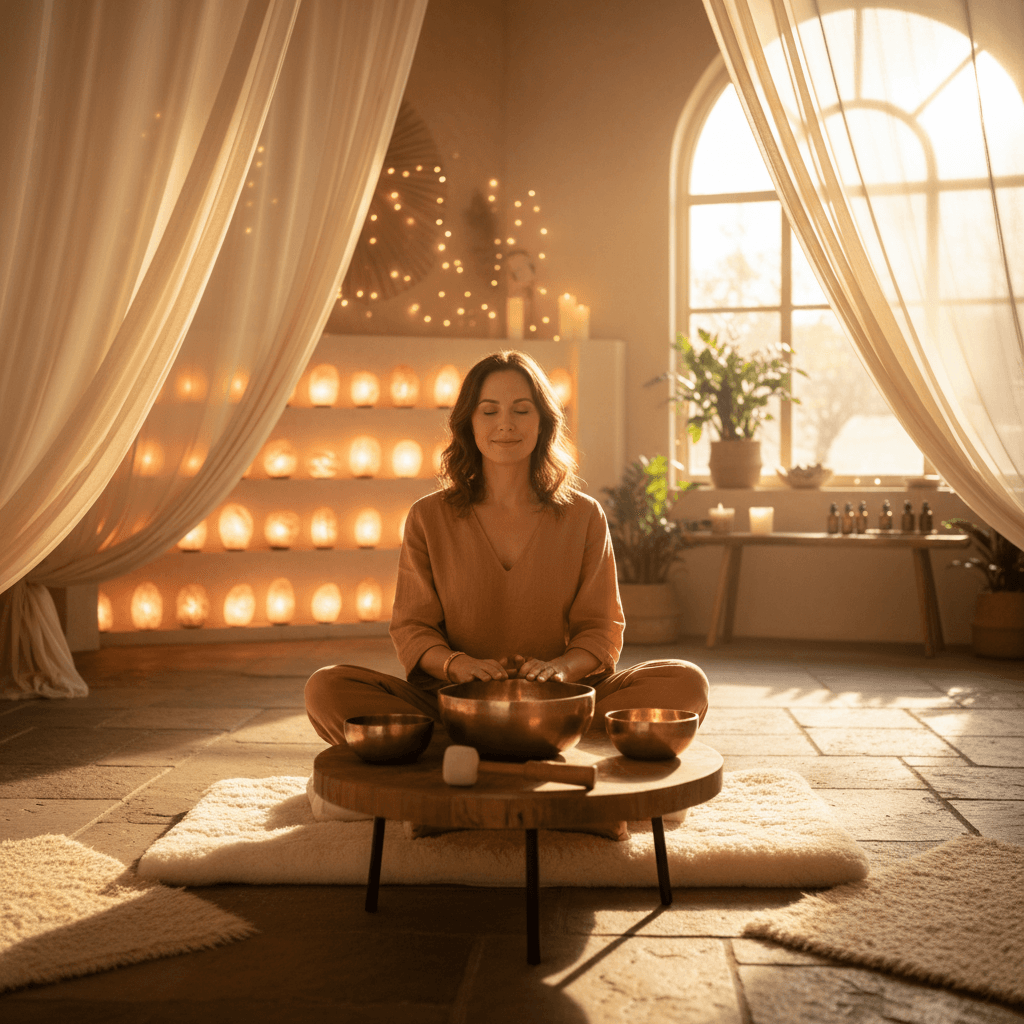
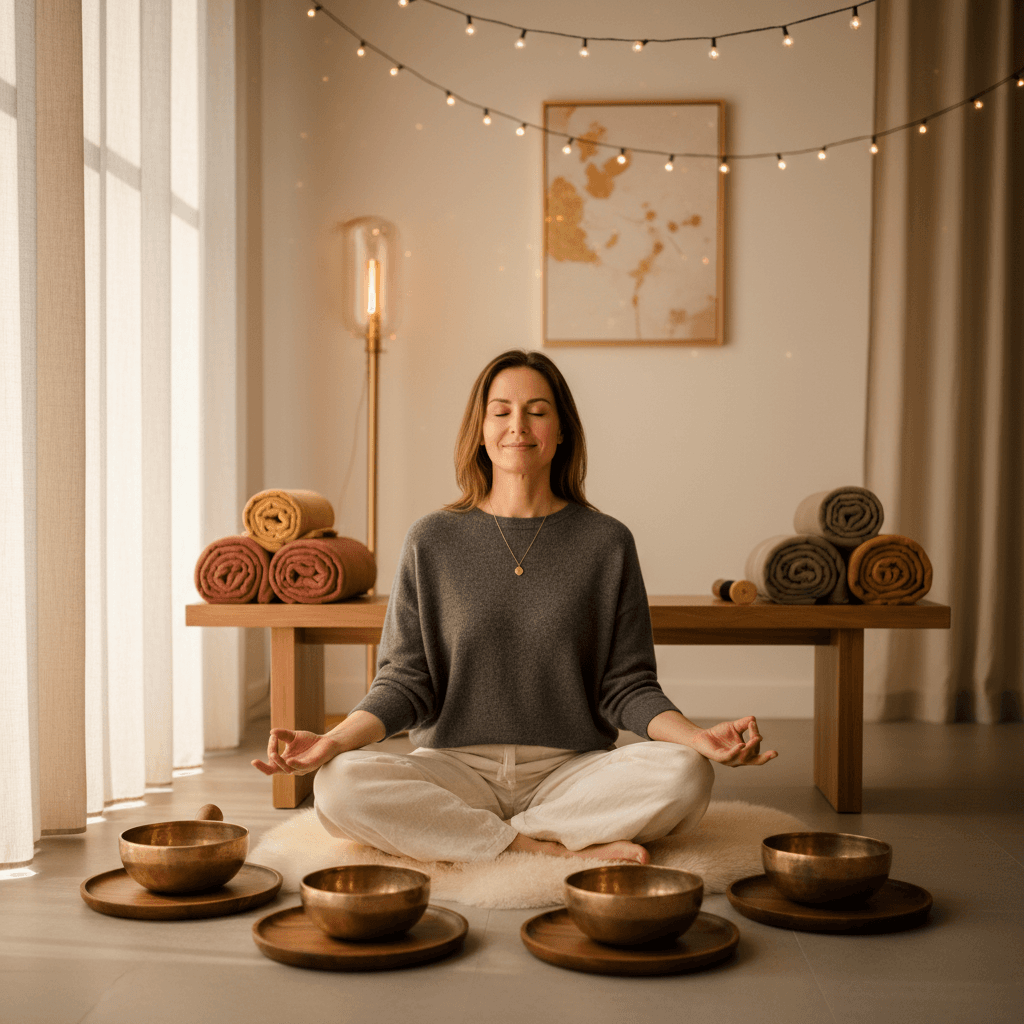
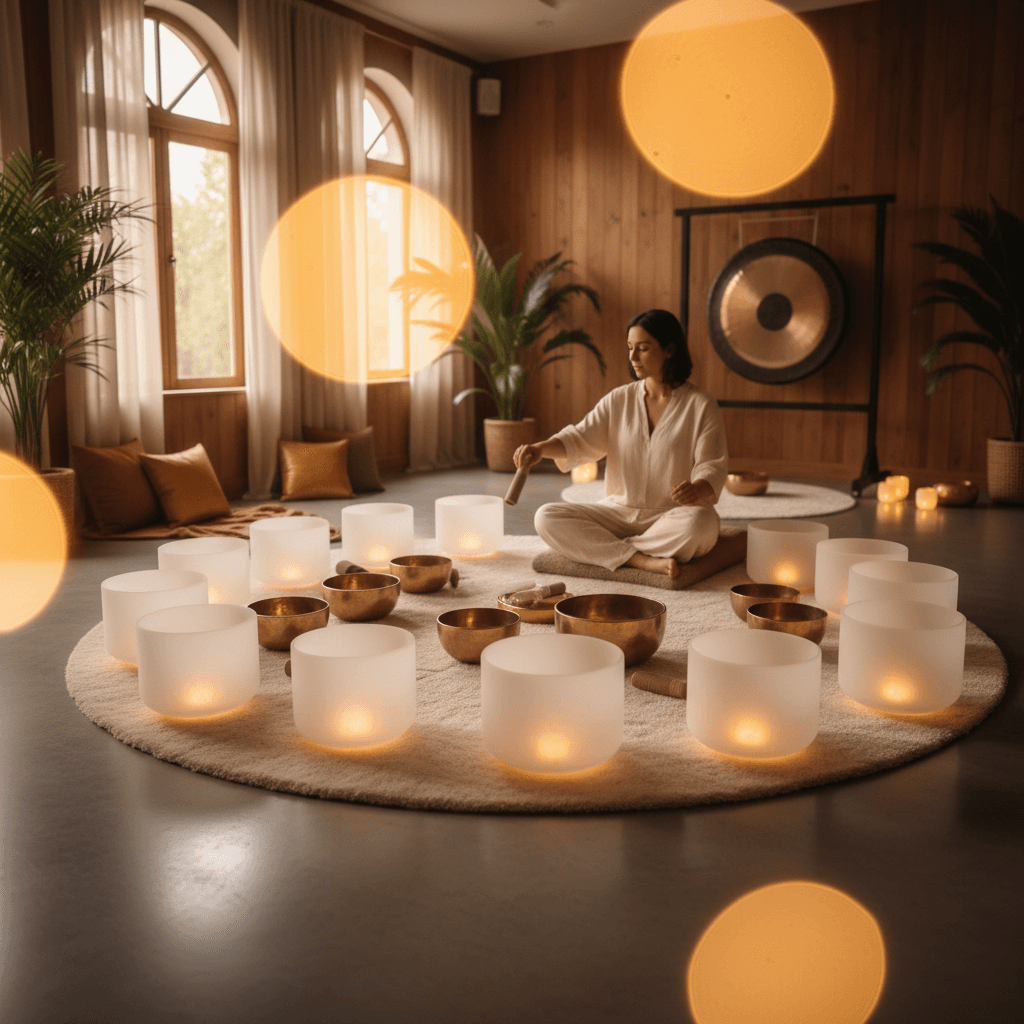
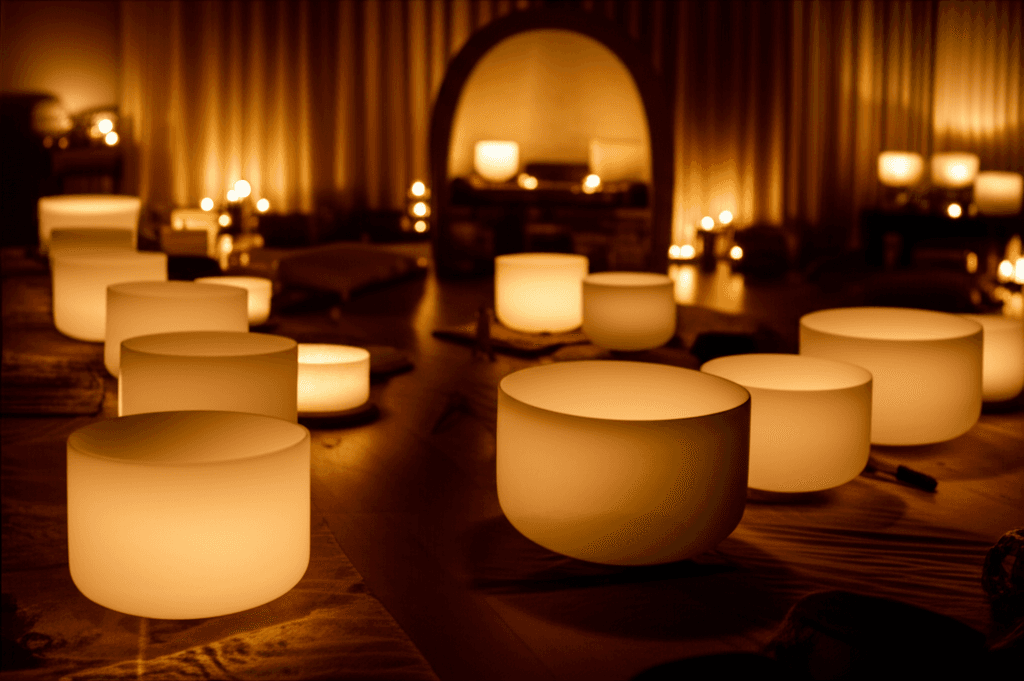
Our approach begins with personalized frequency prescriptions, carefully chosen to resonate with an individual's unique energetic blueprint and specific needs for relaxation and balance. This might involve utilizing a diverse array of instruments, each selected for its unique vibrational quality. We often incorporate the deep, resonant tones of gongs, the pure, sustained vibrations of crystal singing bowls, the precise frequencies of tuning forks, and the ethereal melodies of the crystal harp. These instruments are played with a deliberate intention to create a deeply immersive and restorative auditory experience.
What makes the Soul Art method unique is its blend of ancient wisdom with a modern understanding of bio-acoustics. We create a sanctuary where sound is not just heard, but felt—the gentle vibrations permeating the body, encouraging a profound state of relaxation. This mindful approach, often paired with guided breathing techniques, helps to calm the sympathetic nervous system and activate the parasympathetic "rest and digest" response, which may indirectly support cognitive clarity and emotional regulation. For individuals in dementia care, such an environment could offer invaluable moments of peace and connection.
Larissa Steinbach's philosophy emphasizes the creation of a safe, supportive, and serene environment, recognizing that the setting itself significantly enhances the therapeutic potential of sound. The aesthetics and ambiance of Soul Art are designed to reflect quiet luxury, fostering a sense of dignity and comfort that is paramount for all clients, particularly those who may be more sensitive to their surroundings. We focus on enhancing general wellbeing through vibrational harmony, promoting a sense of inner peace and equilibrium.
Your Next Steps
Incorporating sound wellness practices into a dementia care routine can be a gentle yet powerful step towards enhancing the quality of life for individuals with cognitive decline. It's a journey of discovery that begins with simple, mindful choices.
Here are some actionable steps you can implement today:
- Start with Familiar Melodies: Begin by playing music that was meaningful to the individual in their youth. Familiarity can evoke powerful memories and positive emotional responses, helping to connect with their past.
- Observe and Adapt: Pay close attention to how the individual responds to different types of sound and music. Note preferences, signs of relaxation, or engagement, and adjust playlists or activities accordingly. The goal is comfort and positive interaction.
- Create a Calming Auditory Space: Minimize background noise and create a peaceful environment during sound sessions. Even short periods of focused, gentle sound can make a difference in reducing anxiety and promoting relaxation.
- Engage Actively When Possible: Encourage participation through singing along, tapping rhythms, or simply moving gently to the music. Active engagement can enhance cognitive stimulation and provide a sense of connection.
- Consider Professional Guidance for Wellness: For specialized guidance on integrating sound wellness for relaxation and stress management, exploring sessions at a dedicated studio like Soul Art can be beneficial. While not a medical treatment, our expertly curated sound experiences can provide profound relaxation and a sense of harmony.
By thoughtfully integrating sound into the daily lives of those living with dementia, we can contribute to a more compassionate and enriching care experience.
In Summary
The growing body of scientific evidence strongly suggests that sound and music interventions hold significant promise as complementary, non-pharmacological tools in dementia care. From enhancing cognitive functions and memory through active engagement and specific frequency stimulation, to effectively reducing anxiety and improving emotional regulation, the therapeutic potential of sound is undeniable. These practices aim to improve the overall quality of life for patients and offer valuable support for caregivers.
At Soul Art, Larissa Steinbach and her team harness the profound power of vibrational harmony to foster deep relaxation and holistic wellbeing. We invite you to explore the transformative potential of sound, not as a medical treatment, but as an exquisite journey towards inner peace and enhanced vitality. Discover how the ancient art of sound can enrich modern wellness.
Bookings Coming Soon
Soul Art is still in preparation. Session details and booking will be published here after launch.
Coming Soon
Wellness Disclaimer: This article is for educational and informational purposes only. It does not constitute medical advice, diagnosis, or treatment. Soul Art Dubai provides non-medical wellness experiences focused on relaxation, stress management, and general wellbeing. Sound wellness is a complementary practice and should not replace professional medical care.