Sound Therapy: A Complementary Path in Addiction Recovery
Key Insights
Explore how sound therapy at Soul Art Dubai, led by Larissa Steinbach, supports individuals in addiction recovery through stress reduction and holistic wellness.
Sound Therapy in Addiction Recovery: An Overview
Did you know that the simple act of listening could be a powerful catalyst for profound healing? In the complex landscape of addiction recovery, individuals often seek supportive practices that address not just the physical, but also the emotional and spiritual dimensions of their journey. Modern scientific research is increasingly shedding light on the therapeutic potential of sound, revealing its capacity to foster deep relaxation, emotional processing, and a renewed sense of well-being.
At Soul Art, Dubai's premier sound wellness studio founded by Larissa Steinbach, we understand the profound need for holistic support in transformative journeys. This article explores the growing body of scientific evidence supporting sound therapy as a complementary practice in addiction recovery. We will delve into the physiological mechanisms at play, illustrate how these practices manifest in a studio setting, and share actionable insights for integrating sound into a balanced self-care regimen.
Our aim is to provide an accessible, scientifically-grounded overview that empowers you to explore new avenues for enhancing your personal recovery path. Discover how the subtle yet profound vibrations of sound may offer a unique sanctuary for healing and reflection.
The Science Explained
The journey of addiction recovery is deeply intertwined with neurological and physiological processes. Chronic substance use can alter brain reward circuitry, impair executive functioning, and dysregulate the body's stress response system. Understanding these underlying mechanisms helps us appreciate how holistic practices like sound therapy can offer meaningful support.
The Brain's Response to Sound and Addiction
Addiction is often characterized by a hypodopaminergic trait, meaning a deficiency in the brain's reward circuitry. This can lead to impaired judgment and a propensity for aberrant substance-seeking behaviors. The prefrontal cortex and cingulate gyrus, critical regions for self-control and decision-making, are also significantly impacted during active addiction and in relapse scenarios.
Sound therapy, through its influence on brainwave activity and nervous system regulation, may help restore a sense of balance. Certain frequencies can encourage the brain to shift from a dominant beta (alert, awake) state to alpha (relaxed, meditative) or even theta (deep relaxation, creativity) states. This shift can facilitate deeper relaxation and improve psychological function.
Hormonal Regulation and Stress Reduction
A cornerstone of addiction recovery involves learning to manage stress and its physiological repercussions. Chronic stress elevates cortisol levels, the body's primary stress hormone, which can exacerbate cravings and increase relapse risk. Scientific research has consistently demonstrated the stress-reducing capabilities of sound and music therapy.
Clinical studies show that sound therapy can significantly reduce stress hormones while supporting emotional processing. This creates an environment conducive to healing and self-regulation. By lowering cortisol and calming the nervous system, sound wellness practices may enhance the body's natural capacity for repair and restoration.
Emotional Processing and Non-Chemical Pleasure
Many individuals in recovery seek healthy alternatives to substance use for emotional regulation and pleasure. Sound therapy has been associated with creating non-chemical pleasure responses, offering a constructive avenue for managing difficult emotions. It provides a safe space for emotional expression and release.
A study published in the Journal of Evidence-Based Integrative Medicine found that an hour-long sound meditation helped participants reduce tension, anger, fatigue, anxiety, and depression. Simultaneously, it increased their sense of spiritual well-being. These positive emotional shifts can be crucial in fostering resilience during recovery.
The Role of Vibration and Physical Well-being
Beyond its psychological effects, sound interacts with the body on a deeper, vibrational level. One theory suggests that sound works through vibrational tactile effects on the whole body, stimulating touch fibers that can affect pain perception. This mechanism explains why rhythm in particular, over melody, has been found to provide physical pain relief.
Research has shown that sound-based vibration treatment can help alleviate various forms of pain, including that from arthritis, menstrual pain, and postoperative discomfort. A study on individuals with fibromyalgia found that low-frequency sound stimulation improved sleep and decreased pain, allowing many to reduce their pain medication. These physical benefits contribute to an overall enhanced sense of well-being, which is vital for sustained recovery.
Enhancing Mindfulness and Self-Awareness
Mindfulness-Based Interventions (MBIs) have gained significant traction in addiction treatment due to their ability to foster self-awareness and improve coping skills. The National Center for Complementary and Integrative Health (NCCIH) initially noted promising but small studies in 2012, but subsequent research with larger sample sizes has replicated these findings. MBIs have been shown to reduce the consumption of various substances.
Sound therapy serves as a powerful adjunct to mindfulness practices, deepening the meditative experience and heightening bodily awareness. By focusing on auditory sensations and the physical vibrations of sound, individuals can become more attuned to their internal states. This enhanced awareness supports better stress management and reduces the discomfort associated with cravings or negative affect. Mindfulness-Based Relapse Prevention (MBRP), a structured program, leverages such practices to support long-term outcomes, demonstrating fewer days of drug use and heavy drinking at 12-month follow-up compared to traditional methods.
Holistic Healing and Neuroplasticity
Scientific research increasingly supports the efficacy of holistic healing approaches in successful addiction recovery. By addressing the whole person – body, mind, and spirit – these practices complement traditional treatment and support lasting transformation. Sound wellness, alongside practices like breathwork and nature connection, helps to build an interconnected web of healing.
"Recovery is a deeply personal journey, and holistic practices offer a gentle yet powerful invitation to rediscover inner harmony and resilience."
Preliminary studies suggest that practices like sound therapy may influence neural pathways and even epigenetic mechanisms involved in addiction. While more research is needed, the potential for sound to contribute to neuroplastic changes and support better stress management through holistic means is a promising area of investigation for the future of addiction recovery.
How It Works in Practice
Stepping into a sound wellness session is an immersive experience designed to calm the nervous system and foster profound relaxation. It's an opportunity to disengage from the external world and reconnect with your inner self, offering a sanctuary from the daily stressors that can often trigger cravings or emotional discomfort.
The Immersive Experience
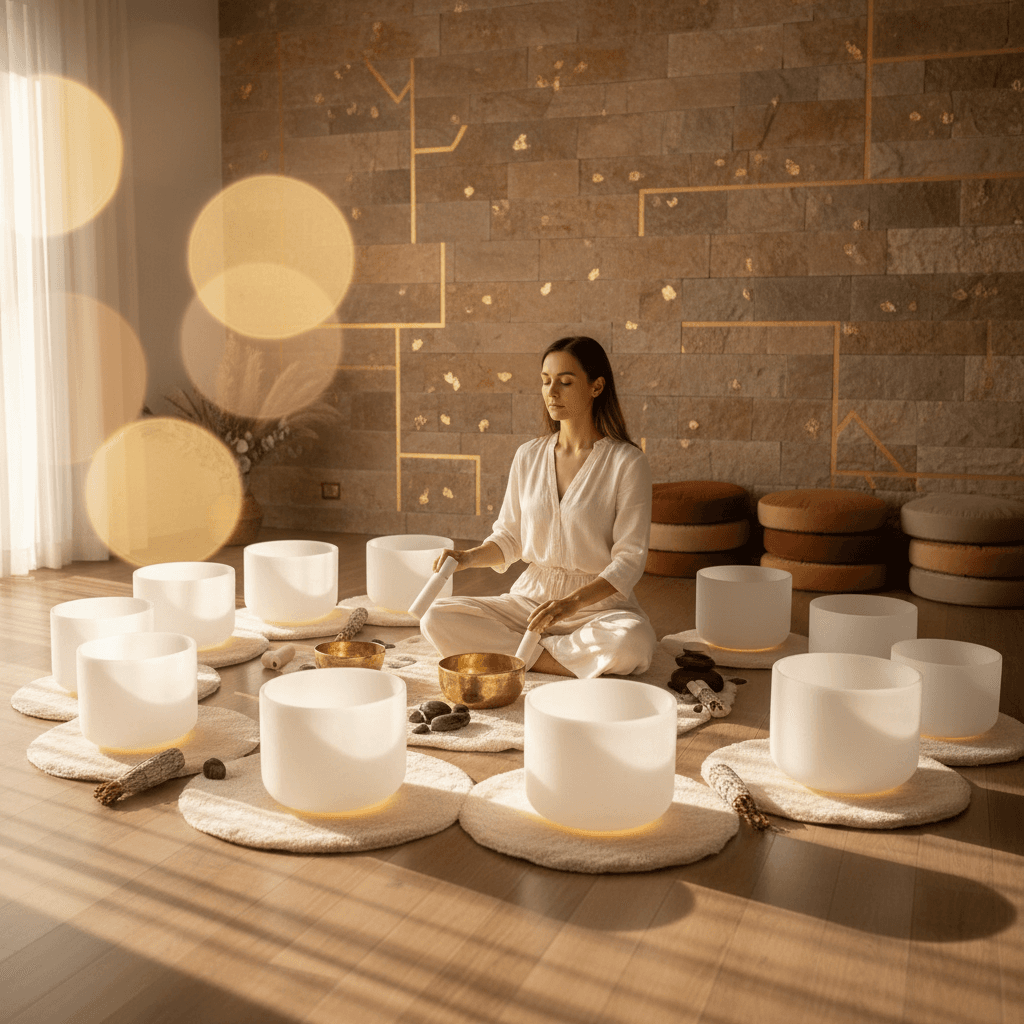
At Soul Art, clients are invited to recline comfortably, often on mats or cushions, in a serene, dimly lit space. The session typically begins with guided breathwork, helping to center the mind and prepare the body for deeper relaxation. As the mind settles, the practitioner introduces a symphony of carefully selected instruments.
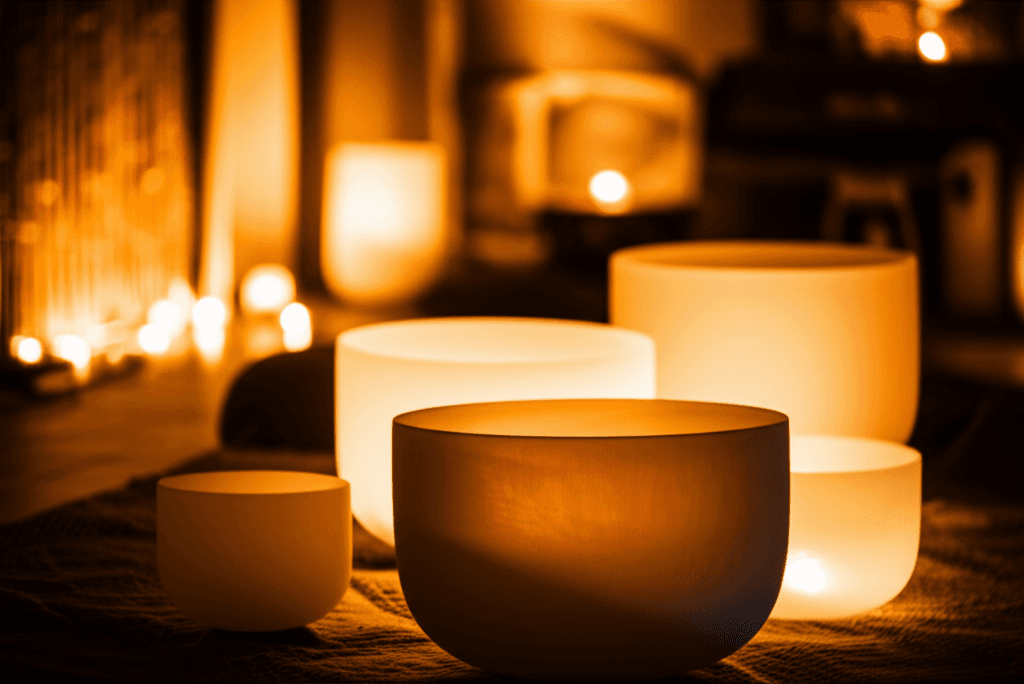
The room fills with the resonant tones of crystal singing bowls, the deep reverberations of gongs, the ethereal chimes of Ting-shas, and other harmonious instruments. Each sound wave carries a unique frequency, washing over the body and creating a vibrational field. Clients often report a feeling of gentle waves moving through their bodies, inducing a sense of weightlessness and peace.
Sensory Engagement and Emotional Release
The beauty of sound therapy lies in its ability to bypass the analytical mind and engage the senses directly. This non-verbal approach can be particularly beneficial for individuals in recovery who may find it challenging to articulate their emotions verbally. The sounds create a safe container for emotions to surface and be processed without judgment.
Many clients experience a range of sensations, from deep physical relaxation and tingling in the extremities to subtle shifts in emotional states. It is common to feel a release of tension, a softening of mental chatter, and a profound sense of inner calm. This unique sensory journey facilitates emotional healing and helps to re-pattern the body's response to stress.
A Path to Self-Regulation and Inner Peace
The consistent practice of sound wellness can cultivate a heightened sense of bodily awareness. This helps individuals recognize and respond to early signs of stress or discomfort before they escalate. It strengthens the ability to monitor and skillfully cope with challenging internal experiences, a core component of relapse prevention.
By creating non-chemical pleasure responses and fostering deep meditative states, sound therapy offers a healthy and empowering tool for self-regulation. It provides a reliable pathway to accessing states of peace and well-being, reinforcing the belief that true sanctuary can be found within. The holistic support offered through sound encourages a deeper connection to self, nurturing the spirit in recovery.
The Soul Art Approach
Larissa Steinbach, founder of Soul Art, envisioned a space where the ancient wisdom of sound could merge with contemporary understanding to offer profound wellness experiences. The Soul Art approach to sound therapy is meticulously crafted, drawing upon a deep understanding of acoustics, vibrational science, and the human energetic system. Our method is designed to be inclusive, accessible, and deeply transformative for individuals at all stages of their wellness journey, including those seeking complementary support in addiction recovery.
Larissa Steinbach's Vision and Expertise
Larissa Steinbach's passion for sound healing stems from a personal journey of discovery and a profound belief in the body's innate capacity for self-healing. Her expertise is not just in playing instruments but in creating a carefully curated soundscape that facilitates optimal states of relaxation and emotional processing. She guides each session with an empathetic presence, ensuring a safe and supportive environment for all participants.
Larissa's dedication to holistic well-being ensures that every session is more than just an auditory experience; it is an invitation to connect with one's inner wisdom. She integrates principles of mindfulness and somatic awareness, empowering clients to harness the healing power of sound for themselves. This thoughtful approach distinguishes Soul Art as a leader in the field of sound wellness.
Unique Modalities and Instruments
At Soul Art, we utilize a rich array of instruments, each selected for its specific tonal qualities and vibrational effects. The foundation of our sessions often involves Tibetan and crystal singing bowls, known for their pure, sustained tones that resonate deeply within the body. Gongs contribute powerful, expansive vibrations that can facilitate profound shifts in consciousness.
Additional instruments like Ting-shas, didgeridoos, and various bells are integrated to create a diverse and enveloping sound experience. These instruments are played intuitively, responding to the energetic needs of the group, fostering a unique and personalized journey for each session. The combination of these sounds guides participants into deeply relaxed and meditative states.
Holistic Integration for Whole-Person Healing
The Soul Art approach is rooted in the philosophy of whole-person healing, acknowledging that true well-being encompasses the body, mind, and spirit. While sound therapy is the core modality, Larissa Steinbach encourages clients to view it as one vital component within a broader integrated treatment plan. This aligns with scientific findings that emphasize the power of combining various evidence-based holistic practices.
We emphasize how sound wellness can complement traditional therapies, enhance mindfulness practices, and support stress management techniques. By fostering an internal environment of peace and resilience, Soul Art aims to empower individuals to navigate their recovery journey with greater ease, clarity, and sustained well-being. Our studio offers a unique blend of ancient healing modalities with modern scientific understanding, providing a luxurious and transformative experience in the heart of Dubai.
Your Next Steps
Embracing sound wellness as a complementary practice in addiction recovery is a proactive step towards profound self-care. It offers a gentle yet powerful tool to support your journey towards lasting well-being. Here are some actionable steps you can take today to integrate the benefits of sound into your life:
- Explore Sound Wellness Sessions: Seek out experienced practitioners or studios like Soul Art in Dubai that offer sound baths or individual sound therapy sessions. Experiencing the deep relaxation firsthand is the best way to understand its potential benefits.
- Integrate Daily Auditory Practices: Start small. Dedicate 5-10 minutes each day to listening to calming music, nature sounds, or guided meditations that incorporate sound. This can help regulate your nervous system and promote relaxation.
- Deepen Your Mindfulness Practice: Use sound as an anchor for your mindfulness meditations. Focus on the subtle sounds around you or play gentle tones to help quiet the mind and remain present.
- Combine with Other Holistic Supports: Remember that sound therapy is most effective when part of a comprehensive wellness plan. Consider pairing it with breathwork, gentle movement like yoga, or time spent in nature to amplify its effects.
- Consult with Professionals: Discuss complementary wellness practices like sound therapy with your healthcare providers or addiction recovery counselors. They can help you integrate these practices safely and effectively into your overall treatment plan.
Embarking on this journey with intention and openness can unlock new dimensions of healing and resilience. The subtle power of sound awaits to guide you towards inner peace.
In Summary
Sound therapy offers a scientifically-backed, complementary pathway for individuals navigating the complexities of addiction recovery. Research highlights its capacity to reduce stress hormones, foster emotional processing, improve sleep, and provide healthy, non-chemical pleasure responses. These benefits contribute to enhanced self-awareness and stronger coping mechanisms, which are crucial for long-term well-being.
At Soul Art, Larissa Steinbach curates immersive sound experiences that harmoniously blend ancient healing traditions with modern insights. Our unique approach utilizes a diverse array of instruments to guide participants into states of deep relaxation and inner peace. By supporting the body, mind, and spirit, sound wellness empowers individuals to cultivate resilience and navigate their recovery journey with renewed clarity.
Discover how the frequencies of well-being can support your path to lasting transformation.
Bookings Coming Soon
Soul Art is still in preparation. Session details and booking will be published here after launch.
Coming Soon
Wellness Disclaimer: This article is for educational and informational purposes only. It does not constitute medical advice, diagnosis, or treatment. Soul Art Dubai provides non-medical wellness experiences focused on relaxation, stress management, and general wellbeing. Sound wellness is a complementary practice and should not replace professional medical care.
Related Articles

LGBTQ+ Recovery: Sound Wellness for Inclusive Healing & Regulation

Relationship Recovery: The Science of Sound for Intimacy
Soulful Connections: The Science of Shared Sound Practices and Well-being Sponsorship