Mastering Sound Healing Room Design & Acoustics for Wellness
Key Insights
Explore the science behind optimal sound healing room design, acoustics, and how carefully curated environments enhance well-being at Soul Art Dubai.
The Unseen Architecture of Well-being: Designing Sound Healing Sanctuaries
Have you ever walked into a space and felt an immediate shift in your state of mind – a sudden calm, a profound sense of peace? While often attributed to visual aesthetics, the unseen architecture of sound and acoustics plays a surprisingly powerful role in shaping our emotional and physiological responses. In our modern, often noisy world, the deliberate design of acoustic environments, especially for practices like sound wellness, is not merely an aesthetic choice but a scientific imperative for deeper relaxation and restorative experiences.
This article delves into the intricate relationship between sound healing and the physical spaces in which it occurs. We will explore the scientific principles underpinning optimal sound healing room design, from the subtle physics of vibration to the profound impact of controlled acoustics on the human nervous system. Discover how carefully curated environments, like those championed by Larissa Steinbach at Soul Art Dubai, are crafted to maximize therapeutic benefits, supporting stress reduction, enhanced clarity, and emotional balance. Prepare to understand why the very fabric of a room can be as vital to your well-being as the sounds created within it.
The Science Explained: How Acoustics Shape Our Inner Landscape
Sound is far more than just what we hear; it is a fundamental force that reverberates throughout our biology. Scientific innovations are increasingly harnessing both audible and inaudible acoustic waves to support healing and well-being, pushing the boundaries of conventional understanding. At the heart of effective sound wellness lies a deep appreciation for how our bodies and brains interpret and respond to specific vibrational inputs.
The Body as a Resonator: Vibrational Medicine
Our bodies are complex systems capable of responding to vibrational input through multiple pathways. Researchers are only beginning to fully understand these intricate interactions. One prominent form of therapeutic sound intervention is Vibroacoustic Therapy (VAT), which often utilizes low-frequency sine wave vibrations, typically between 30-120 Hz.
Mechanoreceptors, specialized sensory cells in our skin and muscles, are key players in this process. Pacinian corpuscles, for instance, can detect vibrations up to 1,000 Hz, translating these physical sensations into neurological signals. Preliminary studies indicate that specific frequency ranges may promote distinct physiological responses. For example, some research suggests that 40 Hz stimulation may activate gamma brain waves, which are associated with cognitive processing, memory consolidation, and neural synchronization. This highlights how precise acoustic stimulation may influence neurological function and overall health, moving beyond traditional approaches toward evidence-based vibrational medicine.
The Critical Role of Room Acoustics
Beyond the direct application of sound, the acoustic properties of a room fundamentally dictate the quality and efficacy of any sound healing practice. Good acoustics are not just about soundproofing; they are about shaping the soundscape to be clear, undistorted, and deeply immersive. The auditory environment is significant to our experience, with acoustic properties warranting equal design consideration alongside visual and physical features.
Several key acoustic parameters are crucial in designing optimal sound healing spaces:
- Reverberation Time (RT60): This measures how long it takes for sound to decay in a room. For therapeutic environments, a controlled reverberation time is paramount. Too short, and the sound can feel dry and lifeless; too long, and it can become muddy and overwhelming, especially for individuals sensitive to their environment. Standards like ISO 3382-2 provide guidelines for ordinary rooms, but specialized healing spaces often require careful tuning to specific needs, sometimes following principles from standards like ISO 23591:2021 which guide acoustic design for particular applications.
- Early Decay Time (EDT): EDT specifically measures the decay rate of the initial sound reflections, offering insight into the perceived spaciousness and clarity of a room. A shorter EDT compared to overall RT60 can point to differences between early and later sound decay, influencing how quickly a listener feels enveloped or focused.
- Clarity (C50): This parameter quantifies the ratio of early to late sound energy, often measured for speech intelligibility. In a sound healing context, high clarity ensures that the nuanced frequencies and overtones of instruments are perceived distinctly, rather than blurring into an undifferentiated wash of sound. A room with higher C50 values, for instance, may be ideal for intricate sound textures.
- Room Gain: This parameter relates to a room’s overall level of voice or sound support. In the context of sound healing, adequate room gain ensures that the gentle sounds of instruments are perceived with appropriate presence and resonance, without needing excessive amplification, which could be jarring.
The auditory environment can profoundly impact well-being. Loud and uncomfortable environments create discomfort and can reduce the benefits of therapeutic experiences, particularly for sensitive individuals. Conversely, an optimally designed acoustic space, one that allows for clear, undistorted healing sounds, can significantly enhance the effectiveness of sound wellness practices, promoting a sense of calm and deep relaxation.
How It Works in Practice: Crafting Immersive Sanctuaries
Connecting the theoretical understanding of acoustics with practical room design is where the art of creating a profound sound healing space truly comes to life. It's about translating scientific principles into a tangible environment that nurtures the mind, body, and spirit. The goal is to create a "soundscape" – a space where distinctive sounds are imbued with social meaning and promote healing, rather than just provide silence or dampen noise.
Thoughtful Material Selection
The choice of materials is foundational to controlling sound within a space. This goes beyond simple aesthetics, impacting how sound waves behave:
- Acoustic Panels: Strategically placed acoustic panels, often made from porous materials like compressed mineral wool or foam, absorb sound reflections, reducing unwanted echo and reverberation. These are not merely functional; they can be artfully integrated as stylish design elements, adding texture and visual interest.
- Heavy Curtains and Fabrics: Thick, heavy curtains are excellent for both sound absorption and diffusion, helping to soften sharp reflections and create a warmer acoustic feel. Similarly, upholstered furniture, rugs, and tapestries contribute to sound absorption, making the room feel more intimate and acoustically balanced.
- Natural Materials: Materials such as cork, wood, and specific types of plaster can have natural acoustic properties, either absorbing or diffusing sound in beneficial ways. Cork, for instance, offers both sound insulation and absorption, while exposed wood surfaces can introduce pleasant natural reflections. Beyond their acoustic benefits, natural materials inherently add warmth and an organic feel, fostering a connection to nature that may further support relaxation.
By thoughtfully combining these elements, designers can meticulously tune the reverberation time and clarity of a room, ensuring that healing sounds are clear, resonant, and undistorted. This careful control creates an environment where every note, every vibration, is delivered with precision and purity.
Designated Healing Zones and Sensory Integration
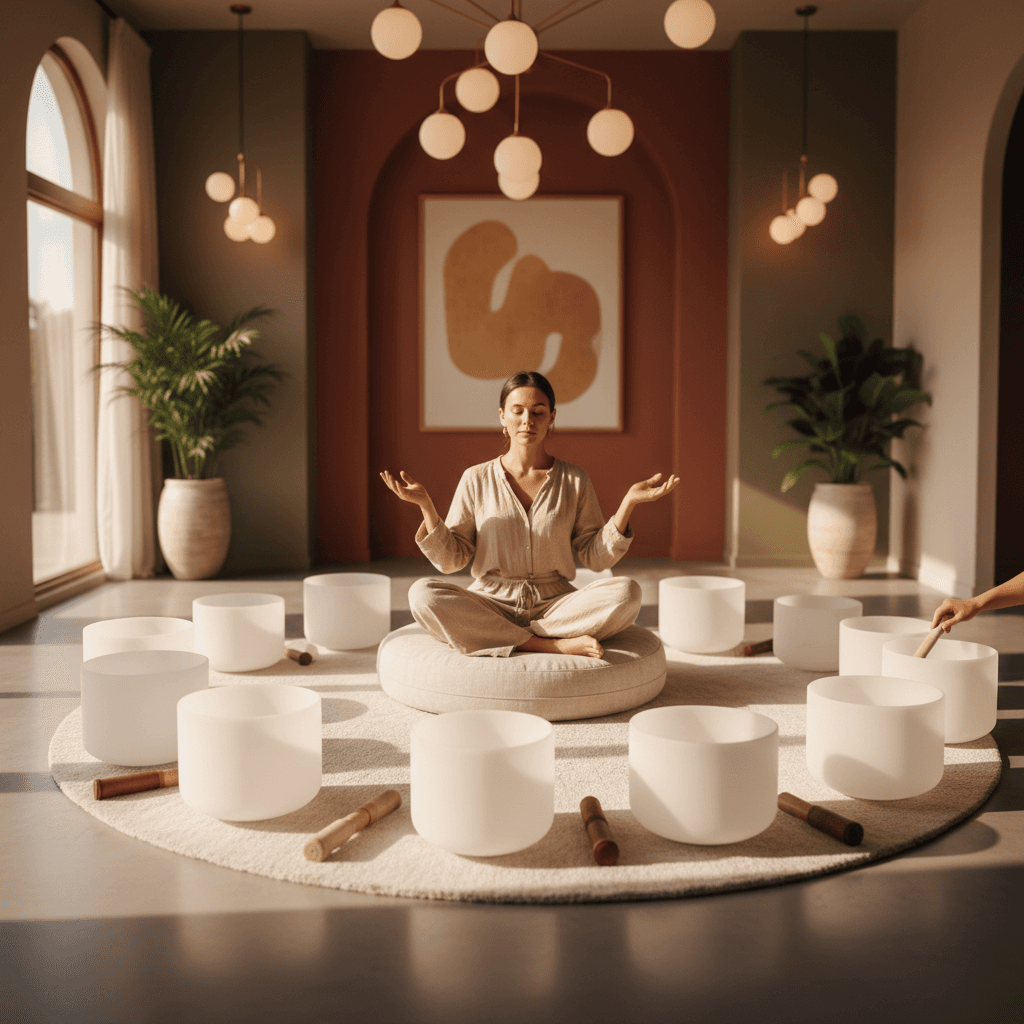
Creating dedicated areas for sound healing is another powerful design strategy. These are not just rooms; they are sanctuaries crafted for deep immersion. A well-designed sound healing room will often feature:
- Comfortable Seating: Options like meditation cushions, floor pillows, or zero-gravity recliners allow participants to fully relax and receive the sound vibrations without physical discomfort.
- Soft, Ambient Lighting: Dimmable lights, salt lamps, or strategically placed indirect lighting create a soothing visual environment that complements the auditory experience. The absence of harsh light helps the nervous system to settle.
- Natural Elements: Incorporating indoor plants, natural stone, or water features (like small, quiet fountains) can enhance the sensory experience, grounding individuals and deepening their connection to the present moment.
- Minimization of Distractions: The space should be meticulously designed to shield participants from external noise pollution and internal visual clutter. Soundproofing external walls and selecting quiet HVAC systems are crucial for maintaining the sanctity of the healing environment.
Clients experiencing a session in such a meticulously designed space often report a profound sense of calm and release. The soothing vibrations, free from acoustic interference, may lower stress levels, promoting a deep sense of relaxation. Many people report enhanced focus and mental clarity as the sounds help to clear mental clutter. The calming effects of a harmonized sound environment can lead to better sleep quality, and some anecdotal evidence suggests that sound healing may help release trapped emotions, fostering emotional balance and overall well-being. These benefits highlight the holistic potential of integrating sound healing into thoughtfully designed spaces.
The Soul Art Approach: Larissa Steinbach's Vision for Immersive Wellness
At Soul Art Dubai, the understanding that the healing environment is an extension of the sound itself is fundamental to our philosophy. Larissa Steinbach, our esteemed founder, envisioned Soul Art not merely as a studio but as a series of meticulously crafted sanctuaries where every detail, especially the acoustics, contributes to an unparalleled wellness journey. Her approach integrates cutting-edge acoustic science with a deep intuitive understanding of how space impacts human energy and consciousness.
Larissa Steinbach’s unique methodology at Soul Art focuses on creating truly immersive and restorative experiences. This begins with the architectural and interior design of each sound healing room, where acoustics are considered from the very first blueprint. The aim is to create environments that facilitate a profound sense of safety, comfort, and deep energetic resonance. This is not just about sound absorption; it is about cultivating a harmonious "soundscape" that actively supports relaxation and inner exploration.
What makes the Soul Art method unique is its dedication to precision and intention. Each sound healing room is individually treated and designed to optimize the specific frequencies and instruments used within it. For instance, rooms designed for crystal singing bowls may feature different acoustic treatments than those for large gongs, ensuring that the unique character and full vibrational spectrum of each instrument are experienced without distortion or overpowering echoes. We utilize a range of bespoke acoustic panels and diffusers, carefully selected for their material composition and placement, ensuring ideal reverberation times and clarity.
"True healing begins when the external environment mirrors the tranquility we seek internally. At Soul Art, we sculpt silence as carefully as we curate sound, creating spaces where every vibration can resonate purely and profoundly within you." – Larissa Steinbach
Our studios incorporate natural materials like untreated wood, rich textiles, and sustainable cork, not only for their aesthetic beauty but also for their inherent acoustic properties that contribute to a warm, inviting, and naturally balanced sound environment. Soft, indirect lighting systems and carefully chosen temperature controls further enhance the sensory experience, reducing external distractions and allowing participants to fully surrender to the healing frequencies. This integrated design philosophy ensures that the physical container for the sound healing is as potent and therapeutic as the sound itself, truly embodying Larissa Steinbach's vision of holistic wellness.
Your Next Steps: Cultivating Your Own Sound Sanctuary
Understanding the profound impact of sound and acoustics on your well-being can empower you to cultivate more supportive environments in your own life. While creating a professional sound healing studio requires specialized expertise, you can begin to integrate these principles into your home or personal spaces. Even small adjustments can make a significant difference in enhancing your relaxation and daily sense of calm.
Here are some actionable steps you can implement today to improve the acoustic and sensory quality of your personal spaces:
- Embrace Soft Furnishings: Introduce rugs, heavy curtains, throw pillows, and upholstered furniture. These materials absorb sound, reducing echo and creating a softer, more intimate acoustic environment, which may support stress reduction.
- Minimize Noise Pollution: Identify sources of unwanted noise – whether from outside your home or within. Consider weather stripping for doors and windows, or use white noise machines or natural soundscapes to mask disruptive sounds, promoting a more peaceful atmosphere.
- Create a Dedicated Corner: Designate a small, comfortable area in your home specifically for relaxation or meditation. Equip it with comfortable seating, soft lighting, and perhaps a small collection of sound healing instruments like chimes or a singing bowl. This personal sanctuary may enhance focus and clarity.
- Integrate Natural Elements: Bring in plants, natural wood elements, or small, quiet water features. These elements can not only soothe visually but also contribute to a sense of calm and connection to nature, supporting emotional balance.
- Experiment with Sound Tools: Start with simple sound healing instruments like a Tibetan singing bowl, tuning forks, or gentle chimes. Even short, intentional sound sessions in your improved acoustic space may contribute to improved sleep and overall well-being.
By thoughtfully curating your environment, you create spaces that not only look beautiful but also actively promote profound healing and well-being. Ready to experience a professionally designed sound healing sanctuary that elevates these principles to an art form?
Bookings Coming Soon
Soul Art is still in preparation. Session details and booking will be published here after launch.
Coming Soon
In Summary: The Symphony of Space and Sound
The journey into sound healing room design and acoustics reveals a fascinating intersection of science, architecture, and well-being. We've explored how targeted frequencies interact with our biology, engaging mechanoreceptors and influencing brainwave states, and why the acoustic properties of a space—from reverberation time to material choice—are fundamental to a truly transformative experience. An optimally designed room, free from acoustic distortions and rich with carefully curated materials, becomes a powerful amplifier for the therapeutic potential of sound.
At Soul Art Dubai, Larissa Steinbach’s vision exemplifies this profound understanding, crafting bespoke sanctuaries where every detail works in harmony to support deep relaxation, stress reduction, and emotional balance. By appreciating and thoughtfully designing our auditory environments, whether at home or in specialized studios, we unlock a powerful avenue for holistic wellness. We invite you to experience the meticulously designed soundscapes at Soul Art, where space and sound unite to create a unique pathway to inner peace and rejuvenation.
Wellness Disclaimer: This article is for educational and informational purposes only. It does not constitute medical advice, diagnosis, or treatment. Soul Art Dubai provides non-medical wellness experiences focused on relaxation, stress management, and general wellbeing. Sound wellness is a complementary practice and should not replace professional medical care.
Related Articles
AI-Generated Healing Music: The Future of Personalized Sound Wellness
Monochord: Unveiling The Transformative Power of Dubai's Sound Healing Bed
Native American Flute: Wind of the Spirit – Deep Healing with Soul Art