Sound Bath Safety: Navigating Your Wellness Journey with Care
Key Insights
Discover who should be cautious with sound baths. Soul Art Dubai guides you through scientific insights, safety precautions, and how to embrace this transformative practice responsibly.
The ethereal hum of singing bowls, the resonant thrum of gongs, and the gentle chime of ting-shas are increasingly drawing individuals into the calming embrace of sound baths. This ancient practice, revitalized in modern wellness circles, promises profound relaxation, stress reduction, and a pathway to inner peace. Yet, as with any potent wellness modality, an essential question arises: Is a sound bath safe for everyone?
At Soul Art, Dubai’s premier sound wellness studio founded by Larissa Steinbach, our commitment extends beyond delivering transformative experiences; it encompasses ensuring every client feels informed, safe, and empowered in their journey. While sound baths are widely celebrated for their profound benefits, understanding who should approach them with caution is crucial for a truly harmonious experience.
This article delves into the science and practical considerations of sound bath safety. We aim to equip you with the knowledge to make informed decisions about your wellness path, exploring the rare instances where extra care, communication, and medical consultation may be advised. Your wellbeing is our utmost priority, and an informed choice is the cornerstone of effective self-care.
The Science Behind Sound Wellness: A Deeper Dive
Sound baths are more than just a pleasant auditory experience; they are a sophisticated wellness practice rooted in the intricate ways sound and vibration interact with the human body and mind. The preliminary scientific understanding, while still in its infancy, points to several fascinating mechanisms that contribute to their reported benefits. These insights help us understand why certain individuals might need to exercise caution.
The Power of Vibrational Resonance
Our bodies are complex systems, composed largely of water, which is highly responsive to vibration. The study of cymatics visually demonstrates how sound frequencies can create intricate patterns in matter, offering a glimpse into how these vibrations might subtly influence our internal physiology. When immersed in a sound bath, the body may absorb these resonant frequencies, potentially facilitating a gentle cellular recalibration.
Different frequencies are anecdotally associated with specific areas of the body. While more research is needed, practitioners often select tones believed to support healing or balance in particular regions. This targeted vibrational input is thought to encourage the body's natural restorative processes.
Brainwave Entrainment and the Relaxation Response
During our waking hours, our brains typically operate in a beta state, characterized by active thought and alertness. A key aspect of sound baths is the concept of brainwave entrainment, where the rhythmic and harmonious sounds encourage the brain to shift into lower frequency states. Participants often transition into:
- Alpha state: A relaxed, meditative state.
- Theta state: A dream-like, deeply relaxed state associated with creativity and introspection.
- Delta state: A state of deep sleep, where the body's restorative processes are most active.
This shift helps to deactivate the "fight-or-flight" response, moving the body into what researcher Herbert Benson termed the "Relaxation Response." In this state, the body's systems slow down, leading to reduced heart rate, slower breathing, and muscle relaxation, returning the body to a pre-stress equilibrium.
The Nervous System Connection
The profound effects of sound on our nervous system have been apparent throughout human evolution. While jarring sounds can trigger our sympathetic nervous system (the "fight or flight" response), the carefully curated tones and frequencies of a sound bath activate the parasympathetic nervous system. This is the "rest and digest" system, responsible for promoting relaxation, supporting digestion, and facilitating repair within the body.
By engaging the parasympathetic nervous nervous system, sound baths may offer a powerful tool for alleviating the chronic stress prevalent in modern life. This deep relaxation supports overall physiological balance and can be particularly beneficial for individuals grappling with stress-related conditions. Many people report significant improvements in sleep quality and a reduction in generalized anxiety following regular sound bath sessions.
Unpacking the Research: What Studies Tell Us
While the popularity of sound baths is soaring, the scientific understanding of their precise mechanisms is still evolving. Preliminary studies and anecdotal reports, however, offer promising insights into their potential wellness benefits.
- A 2016 study, a frequently cited article on the effects of singing bowls, found that participants reported significantly reduced tension, anger, fatigue, and depressed mood, alongside increased feelings of spiritual well-being.
- A 2020 systematic review indicated possible health benefits after listening to singing bowls, including for individuals with metastatic cancer and chronic spinal pain, though it emphasized the need for more evidence-based research.
- Other studies suggest sound immersion can improve physiological markers such as blood pressure, heart rate, and respiratory rate.
- Research also indicates that sound baths may be a helpful intervention for those who occasionally feel anxious, and could potentially assist patients with depression by regulating or elevating mood.
It is important to set realistic expectations. While sound baths are gaining scientific interest, experts advise caution against "overly strong" claims that sound healing can be a cure-all. They are best understood as a complementary approach to well-being, supporting the body's natural healing capabilities rather than replacing conventional medical treatments. The nuanced nature of individual experiences and varied practitioner approaches also make rigorous scientific study a complex endeavor.
From Theory to Experience: Navigating Your Sound Journey
Understanding the science behind sound baths helps demystify their effects. However, the practical experience, especially regarding safety, involves thoughtful preparation and open communication. A well-executed sound bath is designed to create a sanctuary where deep relaxation can unfold, but individual differences mean that what is beneficial for one person may require modification for another.
The Immersive Environment
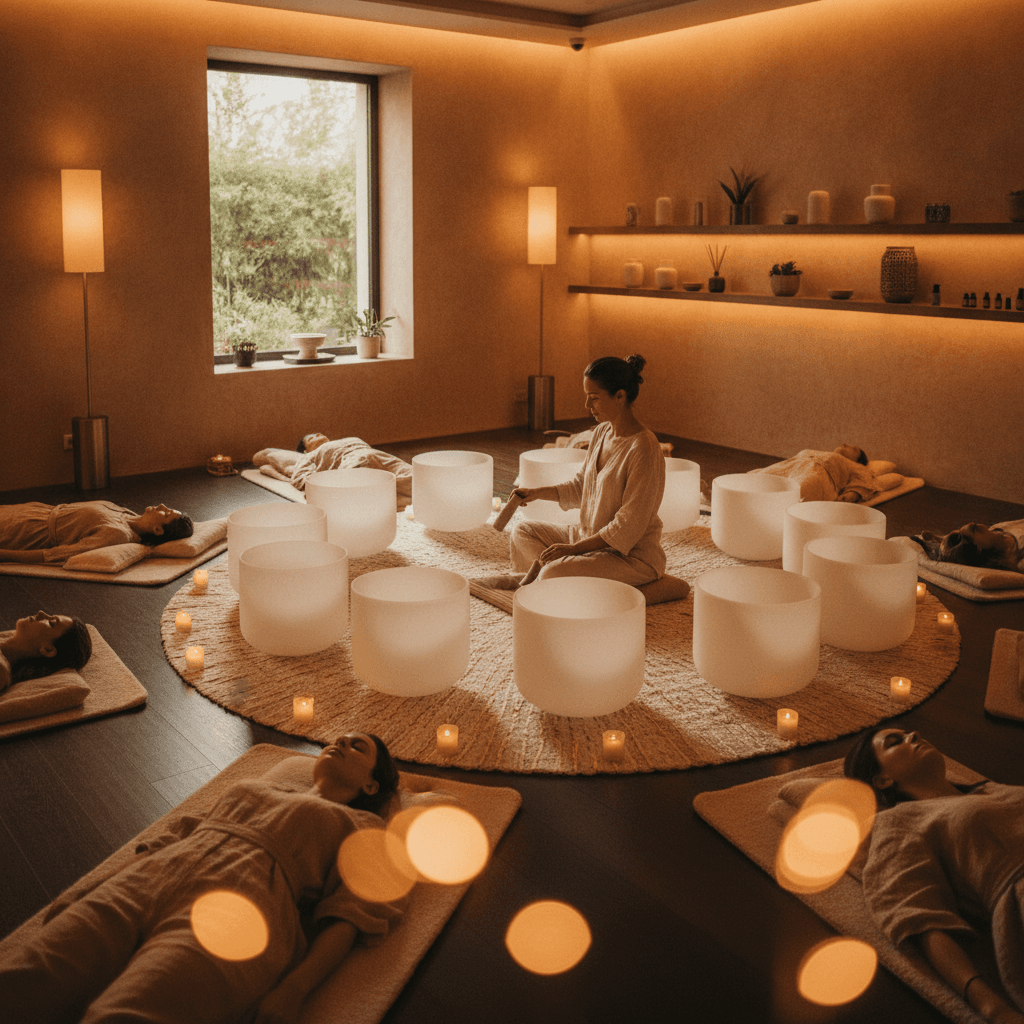
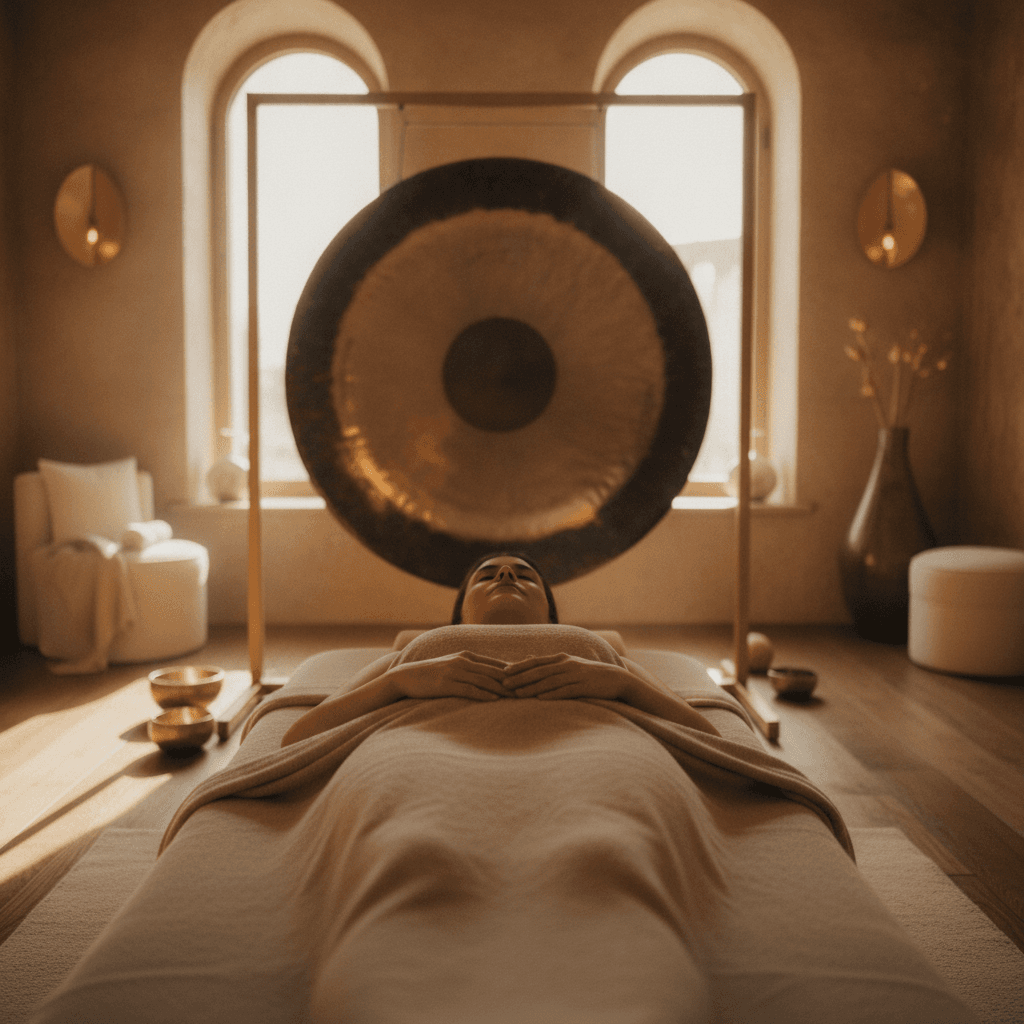
A key element of an effective sound bath is the environment itself. Studios like Soul Art are meticulously designed to foster a sense of safety, comfort, and sensory immersion. This typically involves:
- Comfortable setup: Providing warm blankets, supportive cushioning, and ensuring a peaceful, uninterrupted space where clients can fully "let down their guard."
- Sound insulation: Minimizing external noise intrusions to allow for complete immersion in the soundscape. This makes outdoor or noisy fitness center settings less ideal.
- Controlled acoustics: Optimizing the room's acoustics to enhance the clarity and resonance of the instruments, creating a truly enveloping experience.
Such an environment ensures that the sound frequencies are delivered effectively and that your nervous system can truly settle into the relaxation response without distraction or discomfort.
What to Expect During a Session
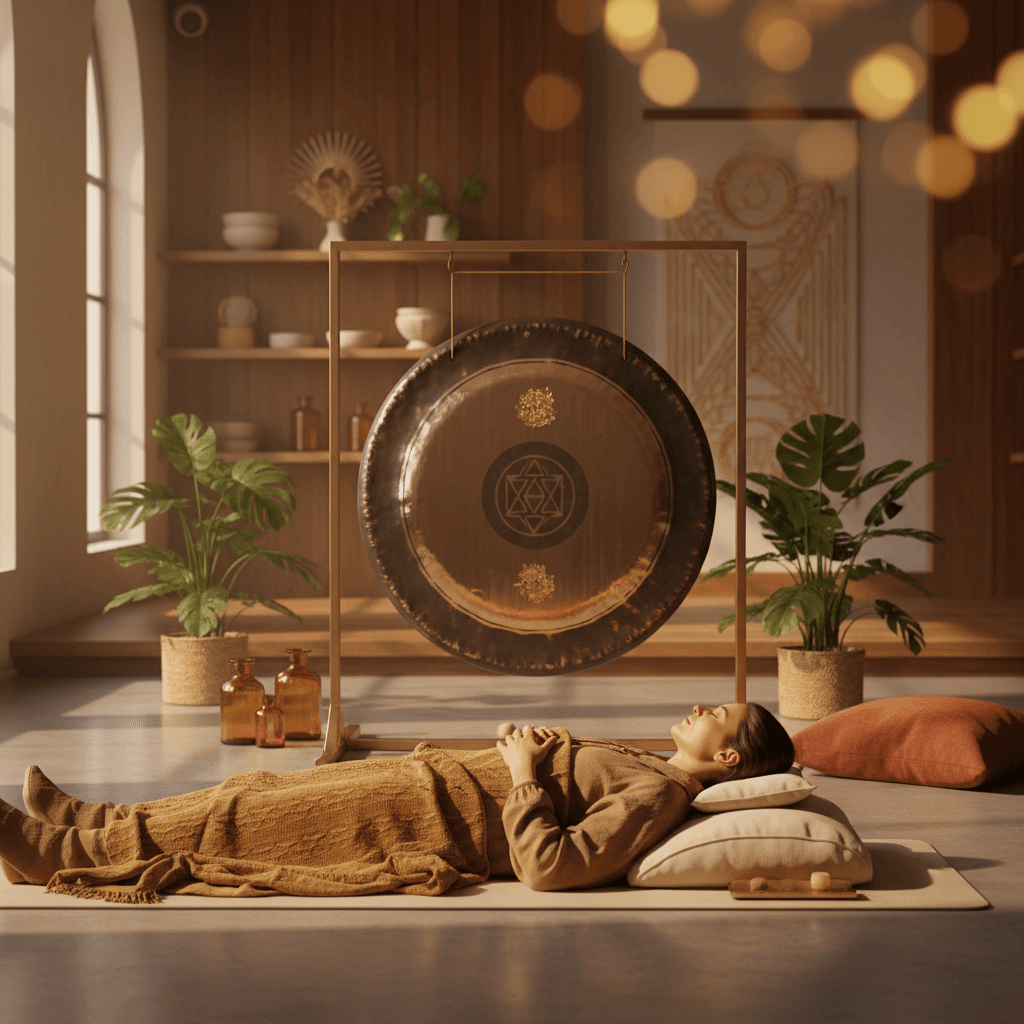
During a sound bath, you typically lie down comfortably, often with eyes closed, and allow the sounds to wash over you. The practitioner plays various instruments like crystal singing bowls, Himalayan bowls, gongs, chimes, and other therapeutic instruments, creating a rich tapestry of vibrations. Many people report entering an "in-between state" or "liminal state"—not fully asleep, but not entirely awake, often described as a dreamlike consciousness.
While often profoundly relaxing, it's worth noting that sound baths can occasionally trigger emotional responses. For some, the deep relaxation and release can lead to a healthy emotional catharsis, allowing suppressed feelings to surface and be processed. However, without professional help, for individuals with certain psychological vulnerabilities, this profound emotional release could be overwhelming. Therefore, it is important to be prepared for the possibility of heightened emotions and to engage in sound therapy with awareness of one's own emotional landscape.
Practitioners also often advise some preparation to enhance the experience. Ensuring you are well-hydrated and have eaten lightly before a session can improve your receptivity to the subtle vibrations. A good night's sleep beforehand can also set a positive foundation for deeper relaxation. These small steps contribute to creating an optimal internal environment for the sound bath to be most effective.
Listening to Your Body's Wisdom
Ultimately, you are the best judge of your own body and its unique needs. While a sound bath offers a guided experience, your personal comfort and intuition are paramount. If at any point during a session you feel uncomfortable, overwhelmed, or distressed, it is perfectly acceptable to:
- Adjust your position.
- Gently signal to your practitioner.
- Take a break or step out if necessary.
A reputable practitioner will always encourage this self-awareness and responsiveness, ensuring the experience is tailored to your comfort level. Communicating your sensitivities or concerns beforehand allows the practitioner to modify the volume, instrument selection, or proximity to best suit your needs.
Who Should Be Careful? Essential Safety Considerations
While sound baths are generally considered a very safe wellness practice for healthy individuals, there are specific circumstances and health conditions that warrant caution and, in some cases, require prior medical consultation. Informed consent and open communication are the cornerstones of a safe and beneficial sound journey.
Individuals with Diagnosed Medical Conditions
If you have any diagnosed medical condition, it is highly recommended to consult your doctor before attending a sound bath. Your doctor possesses your full medical history and can offer the best advice for your unique situation. This is not to suggest sound baths are dangerous, but rather that a personalized medical perspective ensures your complete safety and peace of mind.
This includes, but is not limited to, conditions affecting the cardiovascular system, neurological system, or any chronic illness. Always prioritize your doctor's advice.
Weakened Immune Systems
Individuals with a very weak immune system should exercise strict caution. This includes those:
- Undergoing chemotherapy.
- With any health condition where a doctor has advised avoiding public gatherings until their immune system is stronger.
The concern here is less about the sound bath itself and more about being in a public setting where exposure to illness might be higher, particularly in a relaxed, communal environment. Your immune system's robustness should be a guiding factor in your decision-making.
Psychiatric Disorders
For those living with a psychiatric disorder, particularly severe conditions like schizophrenia, it is crucial to speak with your doctor or mental health professional before engaging in sound baths or any deep meditative practice. In some individuals, meditation or altered states of consciousness can potentially cause or heighten certain symptoms of these disorders.
Sound baths can induce profound emotional experiences and altered states of consciousness. While this can be therapeutic for many, it requires careful consideration and professional guidance for those with pre-existing mental health vulnerabilities. People with PTSD, in particular, should consider engaging in sound therapy only under the supervision of a trained professional who can help navigate any intense emotional releases that may arise.
Heart Conditions and Implants
Individuals with certain heart conditions or those who have metal implants (such as pacemakers, stents, or joint replacements) should also consult their doctor. While clinical evidence is limited, there have been rare recorded instances of powerful vibrations potentially causing pacemakers or other implants to malfunction.
The intense, low-frequency vibrations generated by certain instruments, especially gongs, might interact with electronic devices or resonating metal within the body. While these are rare occurrences, prudence dictates a medical consultation to ensure there are no specific risks relevant to your implant or condition.
Pregnancy
The good news for expectant mothers is that sound baths are generally considered safe. Scientific evidence indicates that sound baths will not cause hearing loss to an unborn baby in the womb, nor are they known to cause early termination of pregnancy due to oxytocin release.
However, communication is still key. If you are pregnant, it is always wise to inform your practitioner. They can then ensure your comfort, adjust volumes or instrument proximity if desired, and provide extra support to make your experience as relaxing and beneficial as possible for both you and your baby. Some pregnant individuals may simply prefer lighter vibrations or modified positions.
Children and Sound Sensitivity
While sound baths are described as "perfectly safe for healthy people of all ages," caution is sometimes advised when it comes to very young children. Some limited clinical evidence suggests potential issues with "damaging the hearing of children" from singing bowls, though this area requires more robust research. For children, it's best to consult with a practitioner who specializes in working with younger age groups and can tailor the session appropriately.
Similarly, individuals who are generally sensitive to sound should inform their practitioner. Volumes can often be adjusted, and instruments can be played with a lighter touch or from a greater distance to ensure a comfortable and soothing experience rather than an overwhelming one.
The Soul Art Difference: Larissa Steinbach's Holistic Vision
At Soul Art, Dubai, Larissa Steinbach and her team understand that a truly transformative wellness journey is built on a foundation of trust, expertise, and personalized care. Our approach to sound wellness integrates scientific understanding with an unwavering commitment to safety and individual needs, embodying a philosophy of "quiet luxury" in every aspect of the experience.
Larissa Steinbach meticulously curates each element of the Soul Art environment to be a sanctuary of peace. This includes selecting premium therapeutic instruments, ensuring optimal acoustics, and providing a plush, comfortable setting that invites deep relaxation. Our practitioners are not only highly skilled in the art of sound facilitation but are also trained to prioritize client well-being and to facilitate a safe emotional space.
Our method emphasizes a client-centric approach, where open communication is encouraged from the moment you step into our studio. Before each session, our practitioners engage in a brief, confidential consultation. This allows us to understand any specific needs, sensitivities, or pre-existing conditions you may have, ensuring that your sound bath experience is not only deeply relaxing but also perfectly tailored and safe.
"True well-being blossoms when we approach self-care with both an open heart and informed awareness. At Soul Art, we believe in empowering our clients with the knowledge to navigate their inner landscapes safely and gracefully." - Larissa Steinbach, Founder of Soul Art
Whether it's adjusting the volume for sound-sensitive individuals, offering extra cushioning for comfort, or providing guidance for those with specific health considerations, the Soul Art team is dedicated to creating an environment where everyone can feel secure and supported. We adhere strictly to wellness compliance guidelines, positioning sound baths as a complementary practice that supports overall health and stress management, rather than a medical treatment.
We believe that the profound rest and self-healing provided by sound wellness is an excellent way to assist with recovery from all stress-related illness and dis-ease. However, because each individual is unique, our general advice is always to consult your doctor for personalized medical guidance when applicable. Soul Art is a space for profound personal rejuvenation, delivered with the highest standards of care and expertise.
Empowering Your Wellness Journey: Practical Steps for Sound Bath Safety
Taking personal responsibility for your wellness journey involves being proactive and informed. While Soul Art provides a safe and expertly guided environment, your active participation in ensuring your own comfort and safety is invaluable. Here are practical steps you can take to make your sound bath experience at Soul Art, or any reputable studio, truly beneficial:
- Consult Your Doctor: If you have any diagnosed medical conditions, a very weak immune system, a psychiatric disorder, a heart condition, or metal implants, always speak with your doctor first. Their professional medical advice is paramount in determining if a sound bath is suitable for you.
- Communicate with Your Practitioner: Before your session begins, clearly inform your Soul Art practitioner about any health conditions, pregnancies, sensitivities to sound, or any concerns you may have. This allows them to make necessary adjustments to ensure your comfort and safety.
- Listen to Your Body: During the sound bath, pay attention to your internal experience. If you feel any discomfort, overwhelming sensations, or need a break, gently signal your practitioner. It is always acceptable to adjust your position or temporarily step away.
- Prepare Your Body and Mind: Enhance your experience by ensuring you are well-hydrated and have eaten lightly before your session. Aim for adequate rest the night before. These simple preparations can deepen your receptivity to the relaxation effects.
- Choose a Reputable Studio: Select a studio that prioritizes client safety, employs rigorously trained practitioners, and provides a clean, comfortable, and acoustically optimized environment. Soul Art upholds these standards as Dubai's premier sound wellness destination.
Embracing these steps ensures that your exploration of sound wellness is not only deeply relaxing but also safe and perfectly aligned with your individual health needs.
In Summary: Embracing Sound Safely for Enhanced Wellbeing
Sound baths offer a beautiful pathway to deep relaxation, stress reduction, and enhanced spiritual well-being, proving to be a safe and effective wellness practice for healthy individuals of all ages. However, informed awareness is key to truly harnessing their transformative power. By understanding who should exercise caution—including those with specific medical conditions, weakened immune systems, psychiatric disorders, or metal implants—we can ensure a mindful and responsible approach to this ancient modality.
Open communication with your healthcare provider and your experienced sound practitioner, especially here at Soul Art with Larissa Steinbach's dedicated team, is crucial. Prioritizing your comfort and listening to your body's wisdom will always guide you toward the most beneficial experience. We invite you to explore the profound potential of sound wellness, assured in the knowledge that your safety and holistic well-being are at the heart of the Soul Art experience.
Bookings Coming Soon
Soul Art is still in preparation. Session details and booking will be published here after launch.
Coming Soon
Wellness Disclaimer: This article is for educational and informational purposes only. It does not constitute medical advice, diagnosis, or treatment. Soul Art Dubai provides non-medical wellness experiences focused on relaxation, stress management, and general wellbeing. Sound wellness is a complementary practice and should not replace professional medical care.
Related Articles
Navigating Sound Wellness: Evidence-Based Questions for Practitioners
Soul Art: Integrating Science, Ritual, and Safety for Well-being
Sound Baths: Accessible Comfort for Older Adults at Soul Art