Harmonizing Within: The Synergy of Sound and Pranayama
Key Insights
Explore how combining ancient breathwork (Pranayama) with modern sound frequencies at Soul Art Dubai elevates well-being.
Imagine a state where every breath you take harmonizes with soothing vibrations, guiding your mind and body into profound tranquility. This isn't just a serene image; it's a scientifically supported path to enhanced well-being that combines two powerful ancient practices: Pranayama and sound. At Soul Art Dubai, we explore the extraordinary synergy of "Sound and Pranayama: Breath and Frequency Combined."
You might wonder how simply breathing and listening can profoundly alter your internal state. Modern research is increasingly uncovering the intricate mechanisms by which controlled breathwork and carefully curated sound frequencies interact with our nervous system and brain. This article will delve into the science behind this powerful combination, illustrating how it can cultivate deep relaxation, mental clarity, and emotional balance. Join us as we uncover the secrets to unlocking a more vibrant and harmonious you.
The Science Explained
The human body is a symphony of interconnected systems, all subtly influenced by the rhythm of our breath and the frequencies we perceive. When we intentionally combine structured breathing techniques (Pranayama) with specific sound vibrations, we tap into a profound feedback loop that can positively reshape our physiological and psychological states. This integrated approach offers a holistic pathway to profound wellness.
The Breath-Brain Connection: Orchestrating Neural Harmonies
Pranayama, meaning "control of life force," is far more than just deep breathing; it's a sophisticated method for modulating both the autonomic nervous system and brain activity. Research highlights that nasal breathing, a cornerstone of many Pranayama techniques, directly influences brain function through specialized receptors in the superior nasal meatus. These receptors are sensitive to both mechanical and chemical stimuli, establishing a direct link between nasal airflow and brain activity.
Studies using electroencephalography (EEG) have shown a remarkable correlation between breathing cycles and neuronal oscillations throughout the brain. This suggests that breathing acts as an organizing principle for brainwave activity, particularly within networks associated with attention and emotion. For instance, specific Pranayama practices like Bhramari (Humming Bee Breath) are associated with significant changes in brainwave patterns. During Bhramari, EEG recordings have revealed a dramatic increase in the power of high frequencies, including "paroxysmal gamma waves" (PGW), especially in the left middle temporal lobe. These high-frequency biphasic ripples represent a state of hypersynchrony in the brain, often described subjectively as a feeling of deep peacefulness, a unique blend of relaxed alertness marked by increases in both alpha and beta power.
The practice of controlled breathing also directly impacts the brain's emotional centers. Attention to breath (ATB) has been shown to decrease activation in the amygdala, the brain's fear center, while simultaneously increasing integration between the amygdala and the prefrontal cortex during challenging emotions. This enhanced connectivity facilitates better emotional regulation, allowing for a more measured and mindful response to stressors. By consciously directing our breath, we gain a powerful tool for reshaping our brain's emotional landscape.
The Power of Sound: Vibrational Resonance
Sound, at its core, is vibration, and our bodies are incredibly receptive to these frequencies. When integrated with Pranayama, sound can amplify the effects of breathwork by providing an external or internal (as with Bhramari's humming) stimulus that resonates with our physiological rhythms. This phenomenon is often referred to as entrainment, where our brainwaves and heart rate begin to synchronize with an external rhythmic stimulus.
The humming produced during Bhramari Pranayama, for example, is not merely auditory. This vocal vibration induces vagal stimulation, which is crucial for regulating stress responses and enhancing parasympathetic tone. Furthermore, the humming sound can stimulate the production of nitric oxide in the paranasal sinuses. Nitric oxide plays a role in vasodilation and could contribute to the feeling of well-being and improved respiratory function observed with consistent practice.
Traditional sound therapy, which often involves instruments like singing bowls or gongs, provides frequencies that can help guide the brain into specific states. When combined with the focused attention and rhythmic control of Pranayama, these external sounds can deepen the meditative experience. They provide an anchor for the mind, helping to quiet internal chatter and foster a state of receptivity, allowing the body to more readily enter into a state of relaxation and repair. The combination of sound therapy and Pranayama has even been investigated for its effectiveness in managing conditions like somatosensory tinnitus, suggesting its potential to alleviate unpleasant symptoms and their consequences.
Autonomic Balance: Shifting from Stress to Serenity
One of the most profound benefits of combining sound and Pranayama lies in its ability to rebalance the autonomic nervous system. Our modern lives often keep us in a state of sympathetic nervous system dominance—the "fight or flight" response—leading to chronic stress, anxiety, and various physical ailments. Pranayama practices are particularly effective in reducing this sympathetic response and increasing parasympathetic activity, leading to increased relaxation and decreased stress levels.
Controlled breathing techniques, especially slow-paced breathing (less than 10 breaths per minute), are known to enhance parasympathetic activity. The focused attention and rhythmic nature of Pranayama directly influence heart rate variability (HRV), a key indicator of nervous system flexibility and stress resilience. Higher HRV is generally associated with better health and emotional regulation.
When sound is introduced, it can further amplify this shift. The calming frequencies and resonant tones act as a gentle nudge for the nervous system, encouraging it to transition from agitation to tranquility. This combined approach facilitates a deep sense of well-being and harmony on physical, mental, and emotional levels. It supports the body’s natural capacity for healing and restoration, offering a powerful complementary approach for stress management and overall holistic wellness.
How It Works in Practice
Bringing together the ancient wisdom of Pranayama with the profound impact of sound is a deeply transformative experience. It’s not just an intellectual understanding; it’s something felt within the core of your being. Clients at Soul Art often describe a heightened sense of presence and an accelerated pathway to tranquility when breath and frequency merge.
The journey typically begins with guiding the breath into a rhythmic, conscious flow. This might involve practices like Nadi Shodhana (Alternate Nostril Breathing), known for its ability to balance the hemispheres of the brain and calm the nervous system, or Bhramari, with its internal humming creating a profound vibrational experience. As the breath becomes steadier, a sense of inner quietude starts to emerge.
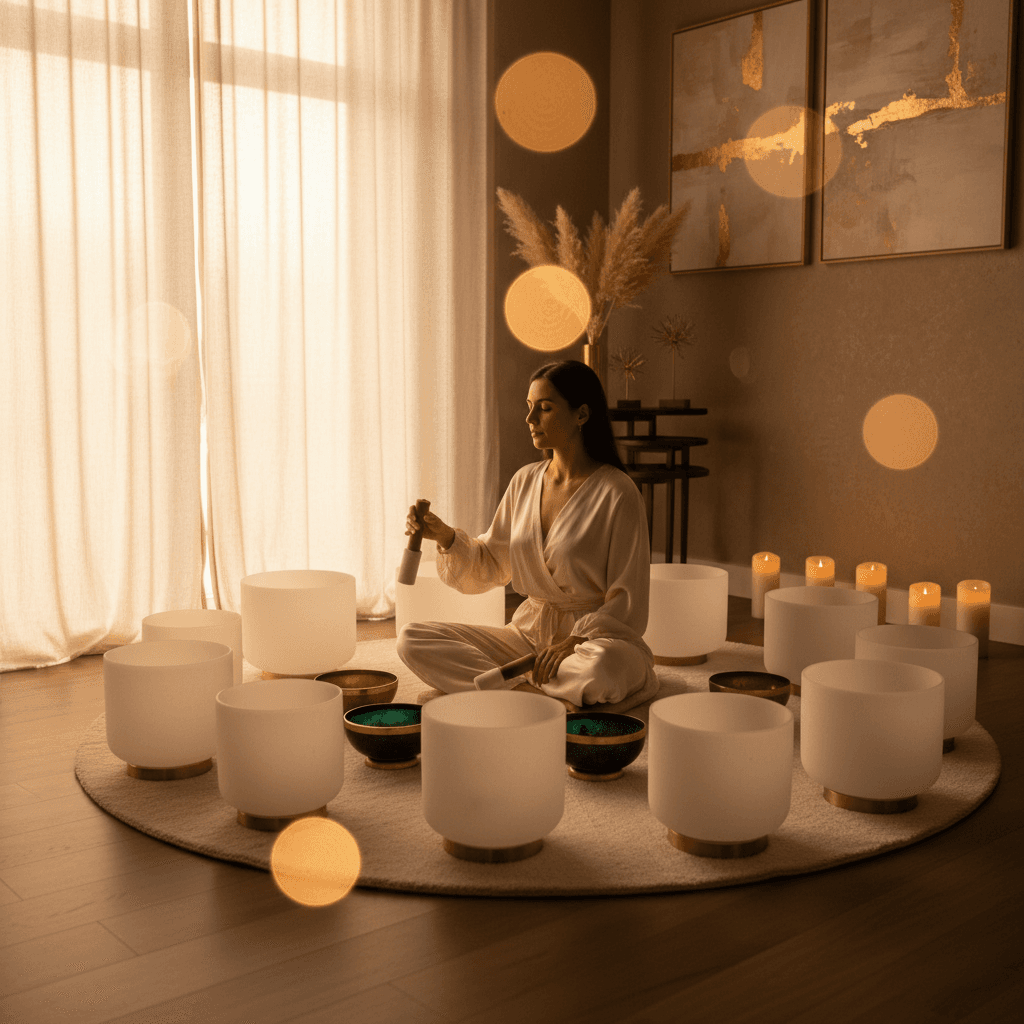
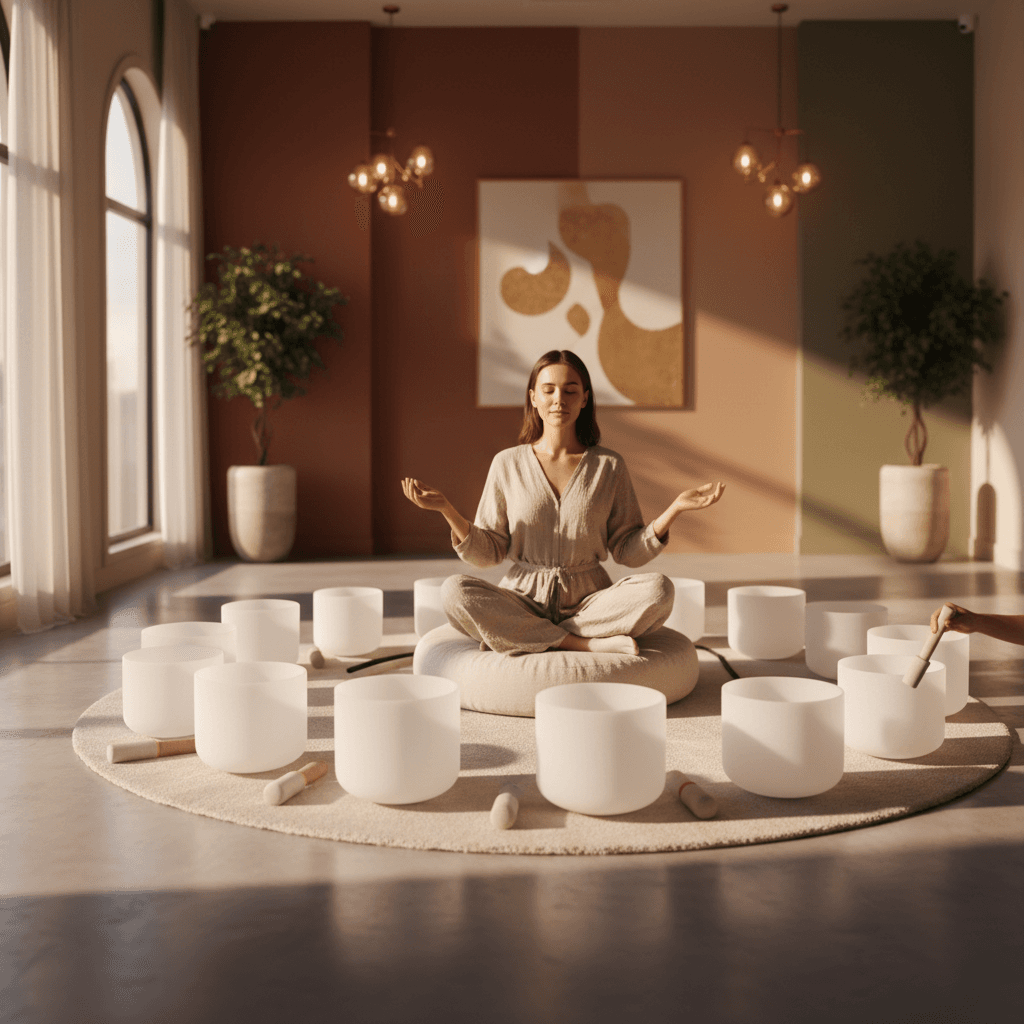
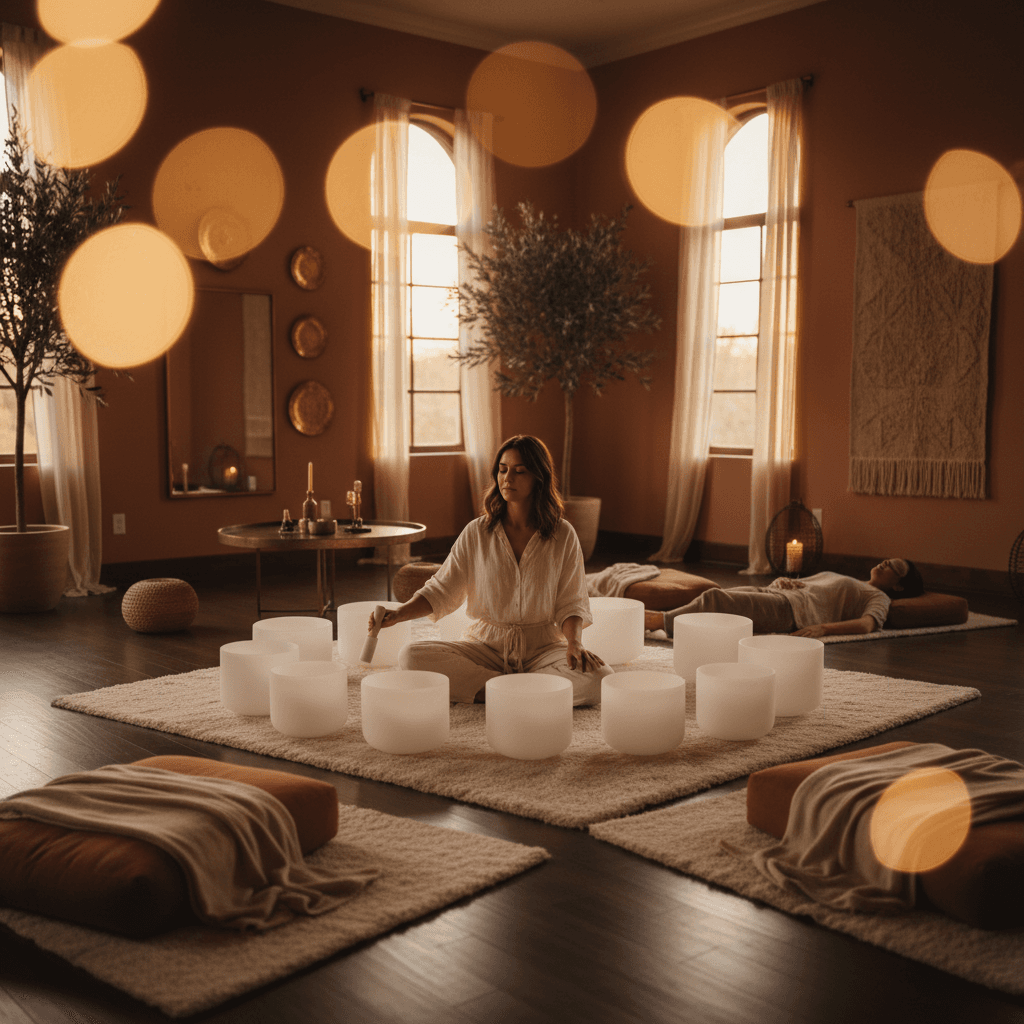
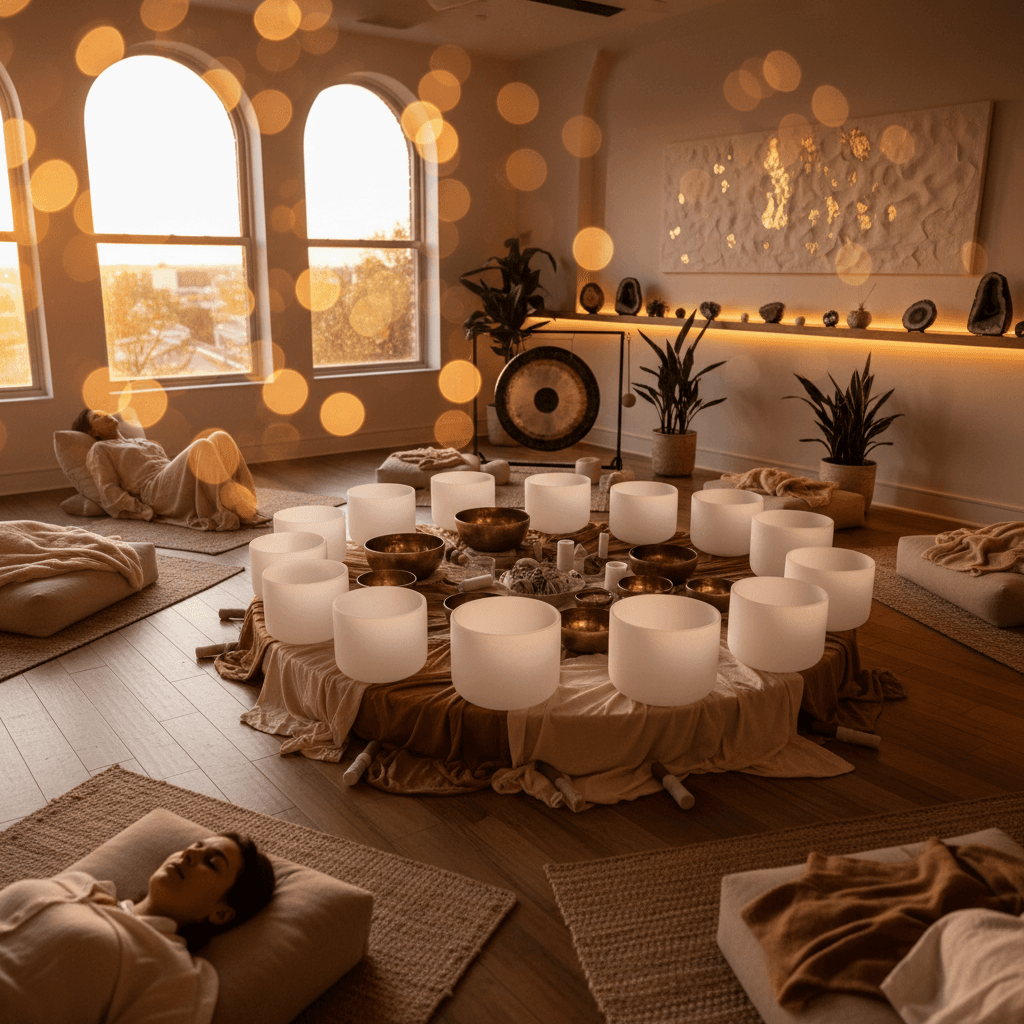
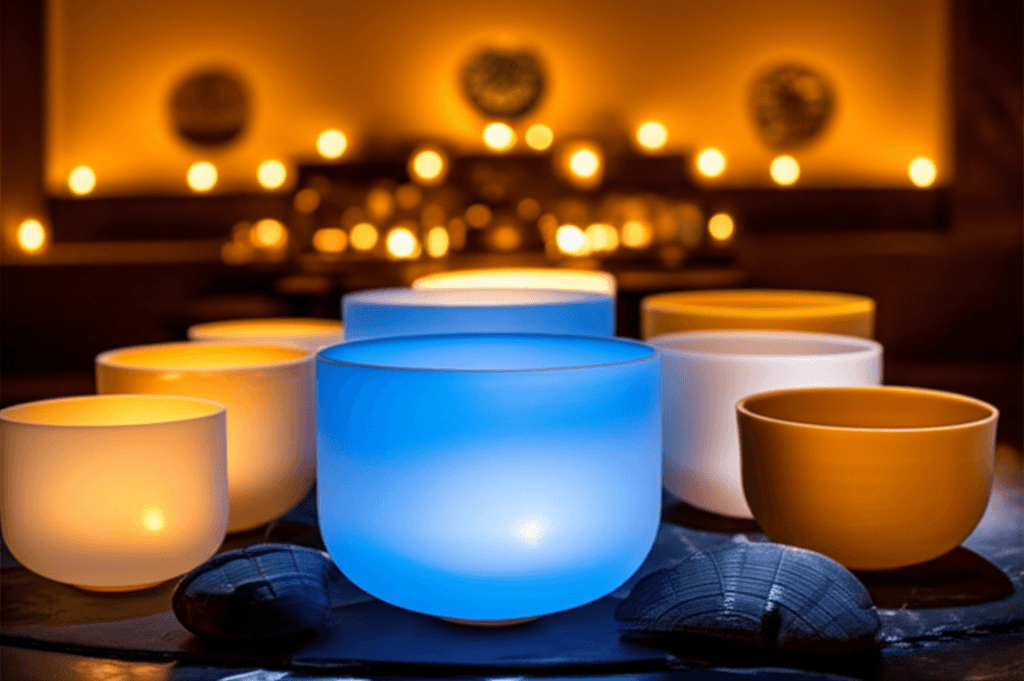
Simultaneously, carefully selected sound frequencies are introduced. This might be through the resonant tones of crystal singing bowls, the deep vibrations of gongs, or the subtle harmonies of chimes. These sounds are not just background noise; they are active participants in the experience, designed to complement and deepen the effects of the breathwork. The sound acts as a focal point, a gentle guide that helps the mind release distractions and sink further into a meditative state.
Many clients report an immediate sense of release as the breath and sound begin to synchronize. Tension held in the body seems to soften, and the incessant mental chatter quiets. The combination creates an immersive environment where the external world fades, allowing one to connect more deeply with their inner landscape. It's a journey into a space of profound stillness and healing, often accompanied by sensations of lightness, warmth, or a gentle pulsing energy throughout the body. The practice becomes a dynamic meditation, engaging both auditory and proprioceptive senses to facilitate a comprehensive relaxation response.
The Soul Art Approach
At Soul Art, Larissa Steinbach has meticulously crafted a unique methodology that seamlessly integrates the ancient practice of Pranayama with the transformative power of sound wellness. Our approach is rooted in both tradition and modern scientific understanding, providing a deeply immersive and effective experience for holistic well-being. Larissa’s vision for Soul Art is to create a sanctuary where individuals can rediscover their innate capacity for balance and peace.
What makes the Soul Art method unique is its intentional design to create a synergistic environment. We don't merely offer separate sessions of breathwork and sound baths; instead, we weave them together to amplify their individual benefits. Our sessions are carefully structured to guide participants through specific Pranayama techniques, such as the calming Nadi Shodhana or the vibrational Bhramari, while simultaneously immersing them in a rich tapestry of therapeutic frequencies.
Larissa Steinbach utilizes a curated selection of high-quality instruments, including authentic Himalayan singing bowls, crystal singing bowls, gongs, and chimes. These instruments are chosen not only for their exquisite sound quality but also for their specific frequency ranges and their ability to produce profound resonance within the body. The sounds are played with expert sensitivity, harmonizing with the breath patterns to facilitate brainwave entrainment and a deep relaxation response.
The intention at Soul Art is to support the body's natural healing mechanisms and to offer a powerful stress management tool. We aim to assist individuals in shifting from a state of sympathetic nervous system dominance to a restorative parasympathetic state. This comprehensive approach empowers clients to cultivate greater self-awareness, emotional resilience, and an enduring sense of inner harmony, creating a truly luxurious and impactful wellness journey.
Your Next Steps
Embracing the combined power of sound and Pranayama is a journey towards profound personal wellness that you can begin today. Whether you're new to these practices or looking to deepen your existing routine, there are simple yet effective ways to integrate breath and frequency into your daily life. Remember, consistency is key, and even short, mindful practices can yield significant benefits.
Here are some actionable steps to help you start your journey:
- Explore Conscious Breathing: Begin by simply observing your breath for a few minutes each day. Notice the inhale and exhale, without judgment. Gradually introduce slow, deep breaths, extending your exhalation slightly longer than your inhalation. This fundamental practice helps activate your parasympathetic nervous system.
- Integrate Gentle Sound: While practicing conscious breathing, play calming instrumental music, listen to nature sounds, or even hum gently to yourself. The subtle vibrations can help anchor your attention and deepen your state of relaxation.
- Try Bhramari Pranayama: Experiment with the "Humming Bee Breath." Sit comfortably, close your eyes, and gently plug your ears with your thumbs. Inhale deeply, then exhale slowly while making a continuous, gentle humming sound (like 'Mmmmm'). Feel the vibration resonate within your head and chest. Practice for 5-10 minutes.
- Mindful Movement with Breath: Combine your breathwork with gentle stretches or mindful movement. As you move, consciously align your breath with each motion. This enhances body-mind connection and can further reduce tension, especially when paired with a calming soundscape.
- Experience a Guided Session: For a deeper and more expertly guided experience, consider booking a session at Soul Art Dubai. Larissa Steinbach and her team offer personalized guidance through combined sound and Pranayama practices, providing an optimal environment for you to discover profound relaxation and inner harmony.
In Summary
The fusion of sound and Pranayama offers a powerful, scientifically-backed pathway to holistic well-being. By consciously regulating our breath and immersing ourselves in therapeutic frequencies, we can profoundly impact our nervous system, brain activity, and emotional state. Research consistently highlights the ability of these combined practices to reduce stress, enhance relaxation, and foster a deep sense of inner peace.
This synergistic approach supports a shift towards parasympathetic dominance, helping to alleviate modern-day pressures and cultivate resilience. At Soul Art, Larissa Steinbach is dedicated to providing an unparalleled experience where breath and frequency unite to guide you towards a more harmonious and balanced life. Embrace this journey of self-discovery and unlock your inherent capacity for well-being.
Bookings Coming Soon
Soul Art is still in preparation. Session details and booking will be published here after launch.
Coming Soon
Wellness Disclaimer: This article is for educational and informational purposes only. It does not constitute medical advice, diagnosis, or treatment. Soul Art Dubai provides non-medical wellness experiences focused on relaxation, stress management, and general wellbeing. Sound wellness is a complementary practice and should not replace professional medical care.