The Unseen Advantage: How Sound Elevates Global Soccer Performance
Key Insights
Discover how sound wellness, pioneered by Larissa Steinbach at Soul Art, is revolutionizing soccer training and performance, enhancing focus, precision, and psychological resilience for athletes globally.
The roar of the crowd, the whistle of the referee, the thud of a perfectly struck ball – sound is an intrinsic, often subconscious, element of the beautiful game. Yet, what if the power of sound could be harnessed not just as background noise, but as a deliberate tool to unlock unprecedented athletic potential, enhance precision, and cultivate mental fortitude?
At Soul Art, Dubai's premier sound wellness studio, we believe that understanding and intentionally utilizing sound can revolutionize how global athletes, particularly in soccer, train, perform, and recover. This article delves into the fascinating, scientifically-backed connection between auditory input and peak athletic performance, revealing how sound can become an athlete's ultimate, unseen advantage. Prepare to discover a holistic approach to soccer excellence, extending far beyond physical training.
The Science Explained: The Auditory-Motor Connection
The human brain is an incredible interpreter of sensory information, constantly integrating what we see, feel, and hear to inform our movements and decisions. In sports, this intricate interplay becomes even more critical, and emerging research highlights sound's profound, direct influence on athletic performance, psychological state, and even physical precision. It's a testament to the brain's plasticity and its capacity for optimization through focused sensory input.
Auditory-Motor Coupling: Sound as a Movement Predictor
At the core of sound's influence on athletes lies the concept of auditory-motor coupling. This refers to the robust connection between what we hear and how we move. Studies have consistently demonstrated that skilled athletes can extract highly specific information from action-related sounds. This information isn't just passive; it actively informs their internal motor simulation and helps them anticipate movements.
For instance, research indicates that hearing movement sounds alone can allow athletes to apply muscle synergies similar to those used during actual actions, such as a jump on a skateboard. In soccer, auditory information generated by movements has been shown to predict shot power, illustrating a direct link between the sound of impact and the physical outcome. This suggests that athletes are not merely reacting to sounds, but are using them to proactively shape their physical responses and predictions.
Enhancing Precision and Assertiveness through Sound Cues
Beyond predicting actions, sound can be a powerful guide for precision and assertiveness. One compelling study focused on visually impaired football (soccer) players, who, due to their impairment, rely heavily on auditory cues for orientation and performance. The researchers designed an electronic goal with a sound-based training system, inspired by echo-localization techniques.
The results were remarkable: athletes using the system found it highly useful, significantly enhancing their assertiveness for shooting, with improvements up to 92%. In the presence of a caller, accuracy for shootings reached 82%. This demonstrates how explicit, sound-based feedback and guidance can directly translate into measurable improvements in accuracy and confidence, even in a highly demanding sport like soccer. Players also reported increased self-sufficiency and a preference for customized sounds, highlighting the personal impact of auditory training.
Psychological Readiness: Navigating the Soundscape of Competition
Soccer is as much a mental game as it is physical, especially in high-pressure scenarios like penalty kicks. The stadium environment, with its cacophony of crowd noise, can profoundly impact an athlete's psychological and psychophysiological response. Different types of crowd noise—supportive cheers, jeering, or even eerie silence—have been shown to influence accuracy, ball speed, heart rate, and the use of psychological skills.
Studies reveal that while crowd noise can be physiologically arousing, speeding up heart rates and focusing attention, it can also be a significant distraction. Training with simulated crowd noise is a scientifically supported method to prepare athletes mentally. By exposing players to conditions comparable to game day, they can build resilience, improve focus, strengthen emotional control, and better adapt to real game conditions. This allows them to internalize training content more effectively and refine their decision-making under pressure, ultimately improving long-term performance.
Brainwave Modulation for Focus and Recovery
The intricate relationship between sound and the brain extends to modulating brainwave states, which can directly influence an athlete's focus, attention, and recovery. Binaural beat therapy (BBT) is one such technique, involving presenting slightly different frequencies to each ear, which the brain interprets as a third, "binaural" beat. The frequency of this perceived beat corresponds to different brainwave states.
For instance, high-frequency binaural beats, like those in the gamma range (around 40 Hz), have been linked to enhanced attention, alertness, and cognitive processing. Conversely, low-frequency beats, such as delta waves, are associated with deep relaxation and restorative sleep. By strategically incorporating these sound frequencies into training and recovery protocols, athletes may experience improved concentration during practice and more efficient mental and physical rejuvenation. This suggests a sophisticated way to fine-tune an athlete's mental state for specific demands, from pre-game focus to post-game recovery.
How It Works in Practice: Real-World Applications for Soccer Players
Connecting the scientific understanding of sound to its practical application in soccer reveals a new frontier for athletic development. Imagine a training regimen where sound is not an afterthought, but a deliberate, integral component. This approach transforms how athletes engage with their environment, enhancing their natural abilities and preparing them for the rigors of competition.
Consider the critical moments of a penalty kick, where a player's mental fortitude is tested to its limits. Traditional training might focus solely on technique. However, incorporating simulated crowd noise during practice can profoundly alter the outcome. By experiencing the pressure of jeering or the tension of silence in a controlled environment, players can develop crucial psychological skills such as emotional control, improved focus, and resilience. This mental preparation allows them to navigate distracting conditions more effectively when it matters most, preventing the collapse of performance under pressure.
Beyond high-stakes scenarios, sound can refine fundamental skills. As research shows, auditory cues can significantly impact passing accuracy and timing. Imagine a training drill where a specific sound or rhythmic beat guides a player's pass, encouraging faster, more precise execution. This kind of multimodal sensory input—integrating visual, proprioceptive, and auditory information—creates a richer, more representative training experience. It helps players internalize optimal movement patterns and decision-making much more effectively than visual cues alone.
For athletes recovering from injury or simply seeking to enhance their self-sufficiency during solo practice, sound-based systems offer immense benefits. The electronic goal, initially developed for visually impaired athletes, highlights how sound can provide crucial feedback and guidance, reducing reliance on an extra person. This concept can be adapted for any player looking to sharpen their shooting or target practice, using customized auditory signals to confirm successful attempts or guide adjustments.
Furthermore, integrating specific sound frequencies, such as those found in binaural beat therapy, can optimize an athlete's mental state. Before a game, high-frequency sounds may support heightened attention and alertness, helping players enter a state of focused readiness. After an intense match or training session, low-frequency sounds can be utilized to promote deep relaxation and accelerate physiological recovery, ensuring the body and mind are well-prepared for the next challenge. The practical applications are diverse, spanning the entire cycle of an athlete's preparation, performance, and recuperation.
"The sound of the game is not just background noise; it's a dynamic, influential force that, when understood and consciously applied, can reshape an athlete's internal landscape, driving them toward unparalleled levels of performance and well-being."
The Soul Art Approach: Larissa Steinbach's Vision for Athletic Wellness
At Soul Art, Larissa Steinbach, our esteemed founder, champions a holistic approach to wellness that extends seamlessly into the realm of athletic performance. Recognizing the profound impact of sound on the human system, Larissa and her team integrate cutting-edge scientific understanding with ancient wisdom to create bespoke sound experiences designed to elevate athletes. This unique method transcends mere relaxation, focusing on targeted sonic interventions that nurture both mental and physical prowess.
Larissa Steinbach's philosophy at Soul Art centers on the idea that true athletic excellence is rooted in a balanced nervous system and a resilient mind. Her approach is not about replacing traditional physical training but augmenting it, providing athletes with powerful, complementary tools to optimize their state. We don't just offer sound sessions; we provide a sophisticated ecosystem of auditory stimuli tailored to an athlete's specific needs.
Our method leverages the principles of brainwave entrainment, including the strategic application of binaural beats. For a soccer player aiming to enhance focus before a crucial match, Larissa might curate a soundscape rich in gamma frequencies, promoting heightened alertness and cognitive processing. Conversely, for post-match recovery, sessions might incorporate delta or theta frequencies, guiding the brain into states conducive to deep rest, muscle repair, and stress reduction. This precise modulation supports not only physical recovery but also the crucial mental unwinding required for sustained performance.
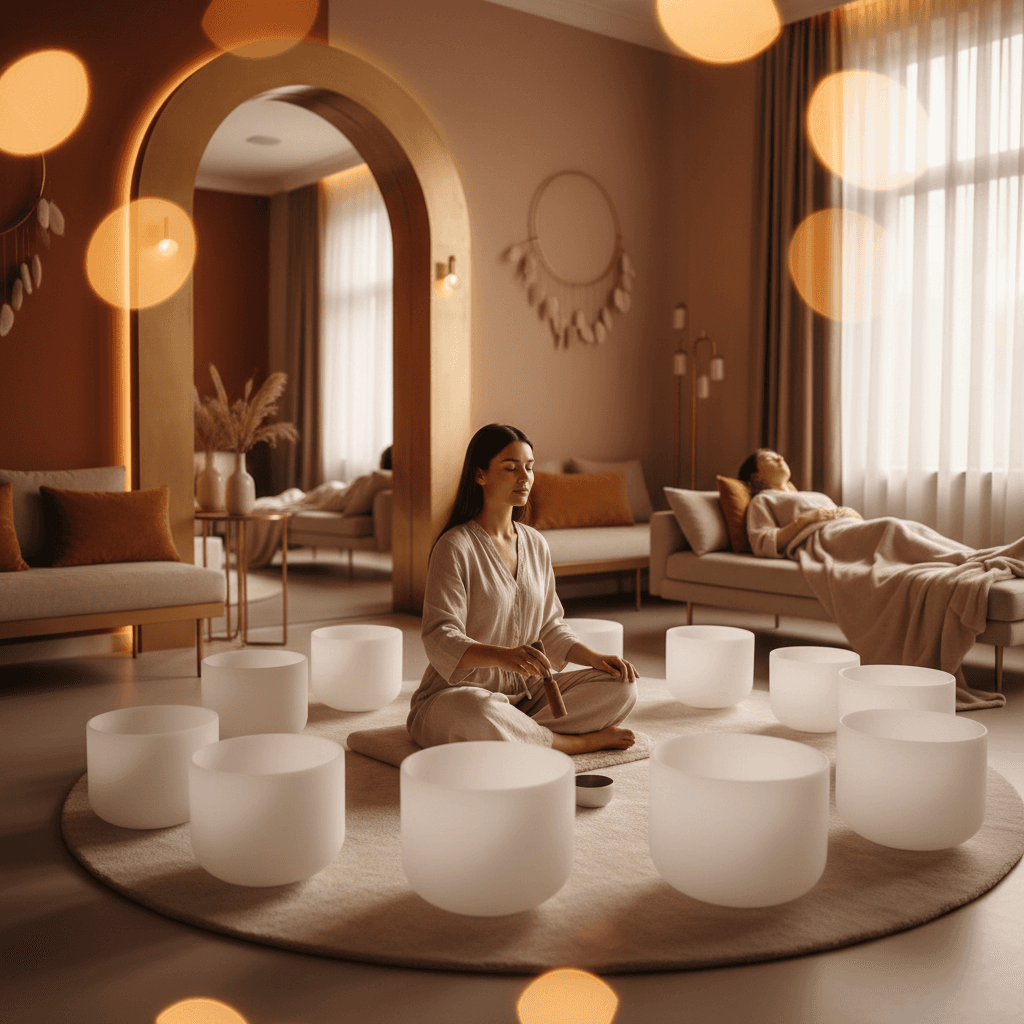
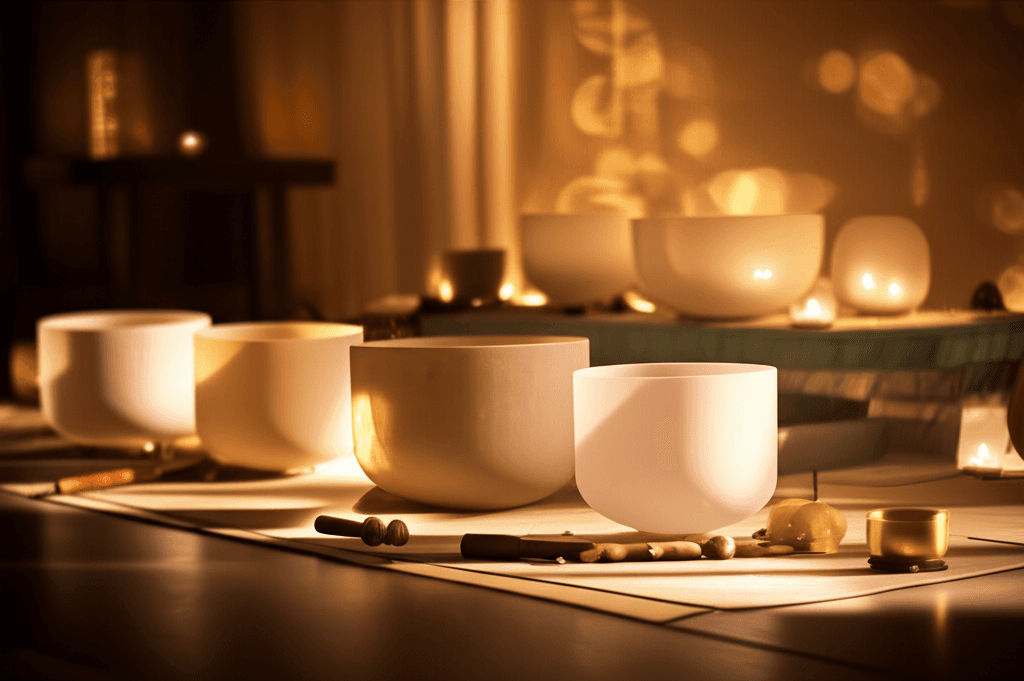
Beyond specific frequencies, Soul Art employs a diverse array of acoustic instruments, including crystal singing bowls, Himalayan singing bowls, gongs, and chimes. These instruments produce complex overtone harmonies that resonate deeply with the body's cellular structure, facilitating profound states of relaxation and balance. For athletes, these vibrations may support the release of muscular tension, reduce inflammation (though this is a complementary approach, not a medical treatment), and foster a sense of overall physical and mental ease. The combination of instrumental sound and specially designed frequency programs creates an immersive, multi-layered experience.
What makes the Soul Art method truly unique is its emphasis on personalization and intention. Each session is carefully designed, often following a consultation to understand the athlete's goals—be it overcoming performance anxiety, enhancing concentration, improving sleep quality, or accelerating physical recovery. Under Larissa Steinbach's guidance, athletes learn to harness the power of sound to not only refine their physical performance but also cultivate a deeper connection to their own internal resilience and emotional balance. This holistic framework ensures that Soul Art clients, from amateur enthusiasts to global professionals, receive an experience that is both scientifically grounded and deeply transformative for their overall well-being.
Your Next Steps: Harnessing the Power of Sound for Your Game
The journey to peak athletic performance and holistic well-being is continuous. As we've explored, sound offers a surprisingly potent, yet often overlooked, pathway to enhancing your game, from mental clarity to physical recovery. You don't need to be a professional athlete to start integrating sound wellness into your routine. Here are some actionable steps you can implement today to begin harnessing the power of sound:
- Become a Conscious Listener: Pay attention to the sounds in your training environment. Notice how different noises affect your focus and emotional state. This awareness is the first step toward intentional sound management.
- Curate Your Auditory Environment: Experiment with music or specific soundscapes that support your goals. Before training, try fast-tempo music or binaural beats designed for alertness. After training, switch to calming sounds or guided meditations for relaxation. Many people report that tailoring their auditory input can significantly impact mood and energy levels.
- Integrate Sound for Focus Drills: When practicing specific skills, consider using auditory cues. For instance, a metronome app can help with rhythm and timing, or a simple bell sound can mark successful targets, similar to the electronic goal concept. This complementary approach can enhance assertiveness and precision.
- Prioritize Auditory Recovery: Incorporate sound baths or binaural beat sessions (e.g., delta frequencies) into your post-training or pre-sleep routine. Many people report improved sleep quality and a deeper sense of relaxation, which are crucial for physical regeneration and mental well-being.
- Explore Professional Guidance: For a tailored and deeply transformative experience, consider a sound wellness session. Soul Art offers personalized sound experiences designed to address specific athletic goals, from mental resilience to enhanced recovery. Our expert practitioners can guide you in leveraging sound for your unique path to excellence.
In Summary: The Symphony of Success
The intricate relationship between sound and human performance in soccer is a fascinating and increasingly vital field. From enhancing precision and assertiveness through targeted auditory cues to cultivating psychological resilience amidst the roar of the crowd, sound acts as a powerful, unseen catalyst for athletic excellence. Scientific research consistently demonstrates how auditory input can influence motor skills, mental states, and physiological responses, offering a holistic pathway to superior performance.
By intentionally integrating sound wellness practices, athletes can unlock new levels of focus, emotional control, and physical recovery. At Soul Art, Larissa Steinbach and her team are at the forefront of this movement, offering bespoke sound experiences that transcend traditional training. We invite you to explore the profound potential of sound to transform your game and elevate your overall well-being, embarking on a journey where every sound is a step towards your personal best.
Bookings Coming Soon
Soul Art is still in preparation. Session details and booking will be published here after launch.
Coming Soon
Wellness Disclaimer: This article is for educational and informational purposes only. It does not constitute medical advice, diagnosis, or treatment. Soul Art Dubai provides non-medical wellness experiences focused on relaxation, stress management, and general wellbeing. Sound wellness is a complementary practice and should not replace professional medical care.
Related Articles
Optimizing Athletic Performance: The Synergy of Sports Nutrition and Sound Wellness
Archery, Stillness, and Sound: Soul Art's Path to Focus

Swimming's Secret Weapon: Sound for Peak Aquatic Performance