Harmonic Journeys: Sound Rituals for Sober Living & Seamless Transitions with Soul Art
Key Insights
Discover how sound rituals, guided by Larissa Steinbach at Soul Art, empower sober living and personal transitions. Explore the science behind sound healing for mental clarity, emotional resilience, and deep inner peace.
"Recovery is not about stopping drinking. It’s about creating a life where you don’t have to drink." These profound words from Bill W., co-founder of Alcoholics Anonymous, encapsulate the essence of sober living: a journey of profound transformation that extends far beyond abstinence. It’s a transition, a rite of passage into a new way of being, often unmarked by the communal rituals that once guided such profound shifts in human experience.
Navigating this intricate path requires cultivating inner resources, resilience, and new practices that support emotional regulation and mental clarity. At Soul Art, Dubai’s premier sound wellness studio, founded by Larissa Steinbach, we understand that sound, in its myriad forms, offers a powerful, complementary pathway to fostering this essential inner peace. It provides a structured, yet deeply intuitive, method to acknowledge and integrate the changes inherent in a sober lifestyle.
This article delves into the scientifically-backed benefits of sound rituals for those embracing sober living and navigating life's significant transitions. We will explore how specific frequencies can influence brain activity, soothe the nervous system, and create new, positive neural pathways. Discover how sound becomes a safe outlet for emotions, a source of authentic connection, and a vital tool in "creating a life where you don’t have to drink," fostering enduring well-being and a profound sense of self.
The Resonance of Recovery: Unpacking the Science of Sound
Sound healing, an ancient practice gaining significant traction in modern wellness, harnesses vibrational frequencies to promote harmony and balance within the body and mind. Far from a mere ethereal concept, its therapeutic effects are increasingly validated by neuroscience and integrative medicine. For individuals navigating the profound transition of sober living, understanding this scientific foundation offers a powerful rationale for incorporating sound rituals into their wellness journey.
The brain, a complex orchestrator of our thoughts and emotions, is remarkably responsive to rhythmic and harmonic stimuli. Research into brainwave entrainment illustrates how external frequencies can guide our brain into different states of consciousness. Binaural beats and rhythmic drumming, for instance, have been found to influence brainwave activity, promoting relaxation and cognitive clarity, as highlighted in studies like that by Le Scouarnec et al. (2001). This shift from high-stress beta waves to more relaxed alpha and theta states is crucial for reducing mental tension and stabilizing emotions, offering vital support during addiction recovery. One study observed that participants in a 60-minute sound healing session with Tibetan singing bowls, crystal bowls, and gongs showed significant reductions in tension and anxiety (Goldsby et al., 2017).
Another key physiological indicator of well-being profoundly influenced by sound is Heart Rate Variability (HRV). HRV measures the variation in time between heartbeats, reflecting the nervous system's ability to adapt to stress. Studies indicate that exposure to harmonic sounds can significantly improve HRV, a key indicator of stress resilience and overall well-being (Chlan, 1998). This improvement in the body's stress response contributes to a sustained sense of calm, helping to reduce cravings and build resilience throughout the recovery process. Participants in one study experienced a decrease in systolic blood pressure from 136.8 to 128.8 mm Hg, with many reporting reduced anxiety and less fatigue (Goldsby et al., 2017), all beneficial for emotional stability during recovery.
Beyond relaxation, sound and music have a remarkable capacity to engage the brain’s reward centers. Listening to music triggers the release of dopamine, a neurotransmitter associated with pleasure and reward, creating positive emotional states. This natural neurochemical response offers a "different kind of high," one that works with the brain, not against it, unlike the fleeting effects of addictive substances. This ability to stimulate positive emotions and lower anxiety without harmful side effects is incredibly valuable in addiction recovery (SoberMind Recovery). Music therapy, as a broader category of sound intervention, has shown improvements in mood, emotional regulation, and treatment adherence in substance use disorder treatment (Dingle et al., 2017).
The physical effects of sound therapy are equally compelling, particularly for those whose recovery journey includes managing physical discomfort. Sound therapy has been shown to help reduce physical pain. A study found that low-frequency sound stimulation helped reduce pain in patients with fibromyalgia (Naghdi et al., 2015). This finding is significant for individuals undergoing medical detox, those with pre-existing medical conditions influencing substance misuse, or those recovering from opioid addiction, offering a non-pharmacological pathway to comfort.
Moreover, consistent engagement with sound-supported mindfulness practices can actually rewire the brain. Neuroscientists describe mindfulness as a workout that sparks synaptic growth in regions governing impulse control, empathy, and planning. Research on brain neuroplasticity and recovery confirms that consistent practice can thicken the prefrontal cortex, providing a tangible boost in pausing before acting on urges and forming new, healthier pathways (RECO Intensive). Breathwork, often integrated with sound, further balances carbon dioxide ratios, easing anxiety without pharmaceuticals, becoming a daily ritual as common as morning coffee once felt.
The Brain's Response to Vibrational Frequencies
The human brain is a highly sophisticated electrical system, constantly producing brainwaves that correspond to different states of consciousness.
- Beta Waves: Associated with alert, waking consciousness, often linked to stress and anxiety.
- Alpha Waves: Characterize a relaxed, meditative state, promoting mental calm and focus.
- Theta Waves: Linked to deep relaxation, creativity, and dream states, often experienced during deep meditation.
- Delta Waves: The slowest brainwaves, associated with deep, restorative sleep. Sound healing instruments, through their specific frequencies, can act as a gentle guide, encouraging the brain to shift from higher-frequency beta states towards the more therapeutic alpha and theta states. This process, known as brainwave entrainment, is a cornerstone of sound healing's efficacy in promoting deep relaxation and cognitive clarity.
The Autonomic Nervous System and Stress Resilience
The autonomic nervous system (ANS) controls involuntary bodily functions and is comprised of two branches: the sympathetic (fight-or-flight) and parasympathetic (rest-and-digest) systems. Chronic stress, often a precursor or consequence of addiction, keeps the sympathetic nervous system on high alert. Sound therapy helps to activate the parasympathetic nervous system, effectively moving the body into a state of deep relaxation.
- Reduced Cortisol Levels: Exposure to harmonic sounds can help lower the body's stress hormone, cortisol.
- Improved Heart Rate Variability (HRV): A higher HRV indicates a more resilient and balanced ANS, better equipped to handle stressors.
- Lowered Blood Pressure: Studies have observed reductions in both systolic and diastolic blood pressure following sound meditation sessions. By calming the ANS, sound rituals reduce physical tension, ease anxiety, and foster an internal environment conducive to healing and sustained sobriety.
How It Works in Practice: Crafting New Narratives Through Sound
Connecting the intricate science of sound to its tangible application reveals a profound journey of self-discovery and resilience. For individuals in sober living, incorporating sound healing isn't merely a passive experience; it's an active engagement with a powerful tool that helps navigate the often turbulent waters of transition. What clients experience is a multi-layered sensory immersion that touches deeply into the physical, emotional, and spiritual aspects of being.
Imagine lying comfortably, enveloped by gentle vibrations that ripple through your body. The deep, resonant tones of a large gong begin to wash over you, followed by the crystalline clarity of singing bowls, and the precise hum of tuning forks. This isn't just background noise; it's a meticulously crafted soundscape designed to encourage your brain to downshift, moving from the often-racing thoughts of daily life into a state of profound calm. Many people report feeling an immediate sense of release, as if layers of accumulated stress and tension are gently lifted away.
One of the most powerful aspects of sound rituals in recovery is their ability to act as a "safe outlet" for emotions. For a long time, addiction tends to shut down or bury feelings. Once sober, these previously suppressed emotions can resurface with overwhelming intensity. Music and sound offer a non-verbal language to process these complex feelings. Whether it’s hearing a melody that puts words to an unspoken sorrow, or the deep vibrations prompting a release of pent-up anger, sound can unlock something profound within. It provides a container for letting oneself feel again, authentically and without judgment. Creating music, writing lyrics, or even humming a melody, gives an outlet to get emotions out of the system without needing perfection; it just has to be real.
"The road to recovery is always under construction." This insight from Bill W. underscores the ongoing need for supportive methods, and sound rituals beautifully fit this continuous building process.
Sobriety often leaves a significant void where old routines and social connections once existed. This emptiness can be daunting, but sound rituals offer a productive, healing way to "fill the void." Engaging with sound, whether through guided sessions or by simply curating a mindful listening practice, transforms this खाली space into an opportunity for growth and rediscovery. Learning an instrument, exploring new playlists, or making sound healing a regular practice becomes a new, positive ritual that brings peace, routine, and often, profound joy. These new rituals replace destructive habits with constructive, soul-nourishing activities, helping individuals rediscover who they are beyond their addiction.
Moreover, the very act of engaging in a sound ritual can be seen as a modern "rite of passage." Sociologist Arnold van Gennep's work on rites of passage highlights three stages: separation, transition (liminality), and incorporation. Sobriety is unequivocally a major life passage, a separation from an old life, a period of profound transition, and finally, an incorporation into a new identity. Yet, modern Western society often lacks formal, collective recognition for such intense personal transformations. Sound rituals, particularly when experienced in a supportive community, offer a sacred space to acknowledge this transition. They provide a sense of identity, belonging, and emotional resilience often missing, fostering an understanding of one’s new purpose and place in society. This witnessed experience in a group setting can foster invaluable connection, something often missing in early recovery.
The Soul Art Approach: Larissa Steinbach's Vision for Transformative Sound
At Soul Art, Dubai's premier sound wellness studio, Larissa Steinbach brings a distinctive blend of profound expertise, intuitive understanding, and scientific grounding to the practice of sound healing. Her approach is meticulously designed to support individuals through significant life transitions, particularly the journey of sober living, by creating deeply immersive and powerfully transformative sound rituals.
Larissa Steinbach understands that true wellness is holistic, encompassing mind, body, and spirit. The Soul Art method is unique in its intentional curation of sound experiences, moving beyond mere relaxation to facilitate genuine emotional release, cognitive restructuring, and spiritual connection. Each session is more than a sound bath; it is a carefully guided journey, leveraging the ancient wisdom of vibrational healing with contemporary scientific insights into brainwave entrainment and nervous system regulation.
Clients at Soul Art engage with an exquisite array of instruments, each chosen for its unique vibrational qualities and therapeutic potential.
- Crystal Singing Bowls: These bowls produce pure, sustained tones and powerful vibrations that resonate deeply within the body's cellular structure. They are particularly effective in balancing chakras, reducing stress, and inducing alpha and theta brainwave states conducive to deep meditation and healing.
- Gongs: The majestic tones of gongs create a complex tapestry of sound that can clear energetic blockages, facilitate emotional breakthroughs, and guide the listener into profound states of introspection and relaxation. The full-body immersion in gong vibrations helps to release tension and promote mental clarity.
- Tuning Forks: Precision-calibrated tuning forks are used for targeted vibrational therapy, often applied directly to specific points on the body or within the energetic field. Their focused frequencies can help balance the nervous system, reduce pain, and stimulate cellular regeneration.
- Rainsticks, Ocean Drums, and Other Percussion: These instruments add textural layers to the soundscape, mimicking natural sounds that evoke a sense of calm, connection to nature, and grounding.
Larissa Steinbach's personal guidance ensures that each session is tailored to the individual's needs, whether in private settings or within small, supportive groups. She creates an atmosphere of quiet luxury and profound safety, where vulnerability is honored, and healing can unfold organically. The Soul Art experience focuses on creating new, positive neural pathways, reinforcing resilience, and fostering an unwavering sense of inner peace that becomes an indispensable companion on the sober living journey. The intention is not just to soothe, but to empower clients to tap into their own innate capacity for self-regulation and profound well-being, crafting a life rich in meaning and purpose.
Your Next Steps: Integrating Sound into Your Sober Journey
Embracing sound rituals as part of your sober living journey is a proactive and deeply nurturing step towards sustained well-being. The profound benefits, from emotional regulation to enhanced stress resilience, are accessible through consistent and intentional engagement. Here are some practical steps you can take today to integrate the power of sound into your life.
- Cultivate a Mindful Listening Practice: Start small by dedicating 10-15 minutes each day to intentional listening. Choose calming instrumental music, nature sounds, or guided sound meditations. Pay attention to how the sounds affect your body and mind without judgment. This practice helps to build new neural pathways and can become a reliable anchor during moments of unease.
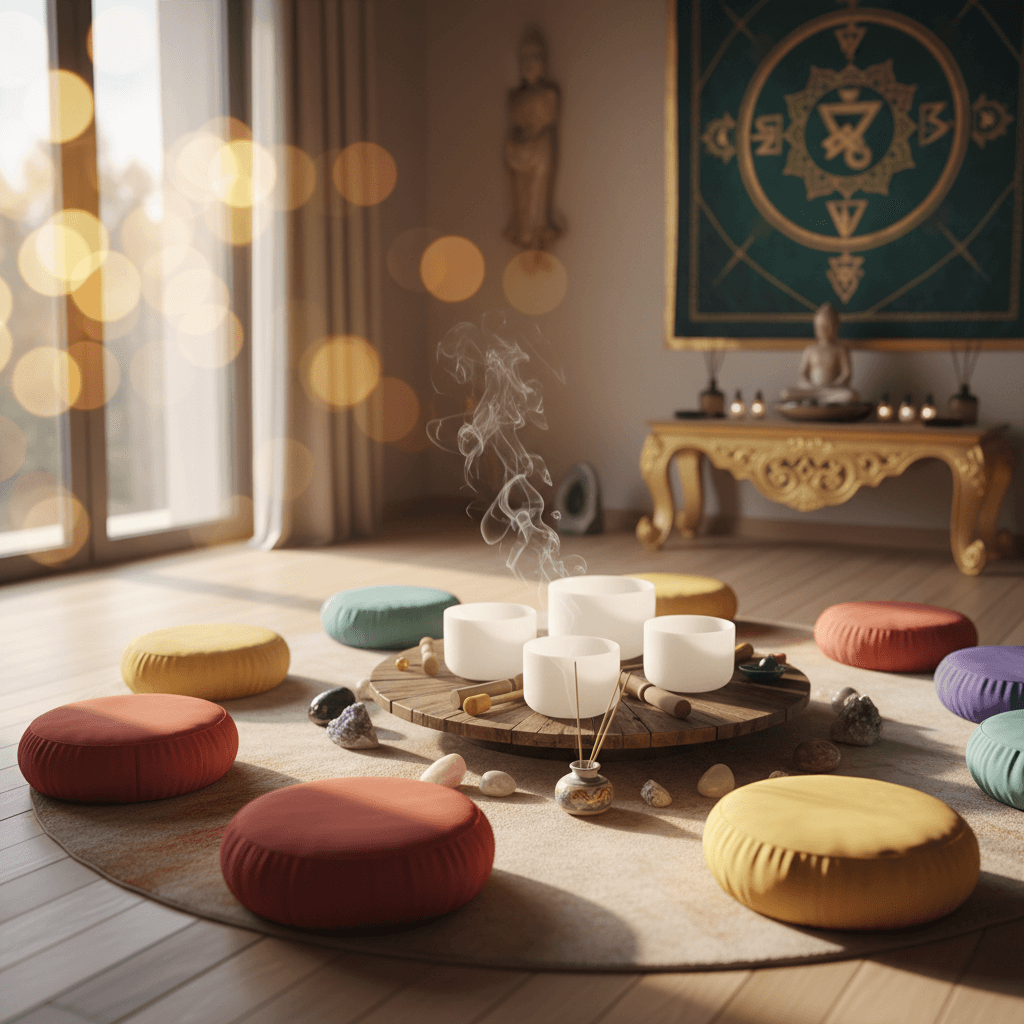
- Create Your Personal Sound Sanctuary: Designate a quiet space in your home where you can regularly engage with sound. This might involve setting up a comfortable cushion, dimming the lights, and ensuring minimal distractions. Over time, this space will become associated with relaxation and inner peace, a personal haven for self-care.
- Explore Guided Sound Meditations Online: A wealth of high-quality guided sound meditations is available on various platforms. These often combine verbal guidance with therapeutic frequencies, making them an excellent starting point for beginners. Look for sessions that focus on stress reduction, emotional release, or cultivating inner peace.
- Attend a Sound Bath or Sound Healing Session: Experience the full immersive power of a live sound healing session. The collective energy in a group setting can amplify the benefits, fostering a sense of community and shared journey. This is an excellent way to receive the deep vibrational support that instruments like gongs and crystal bowls offer.
- Consider a Consult with a Sound Wellness Practitioner: For a more personalized approach, consider booking an individual session or consultation. A skilled practitioner can assess your specific needs and guide you through techniques tailored to your recovery journey, offering bespoke sound rituals and practices.
Remember, the journey of sober living is a continuous process of growth and adaptation. Integrating sound rituals is not about perfection, but about consistent, compassionate self-care. Each moment you dedicate to sound is an investment in your inner peace, your resilience, and the construction of a fulfilling life free from addiction.
In Summary
Sober living represents a powerful and often challenging transition, a profound "rite of passage" into a life redefined by intention and self-awareness. As Bill W. wisely noted, recovery is fundamentally about cultivating a life where the need for old habits simply dissolves. Sound rituals, grounded in compelling scientific research, offer a potent and complementary pathway to achieve this transformative goal.
From influencing brainwave activity and improving heart rate variability to releasing dopamine and offering a safe outlet for complex emotions, sound therapy provides robust support for emotional regulation, stress resilience, and the creation of new, positive routines. Larissa Steinbach and Soul Art stand as a beacon in Dubai, offering meticulously crafted sound experiences that blend ancient wisdom with modern understanding, guiding individuals through these vital transitions with grace and profound inner peace. Embrace the harmonic journey, and discover how sound can reshape your world, one resonant moment at a time.
Bookings Coming Soon
Soul Art is still in preparation. Session details and booking will be published here after launch.
Coming Soon
Wellness Disclaimer: This article is for educational and informational purposes only. It does not constitute medical advice, diagnosis, or treatment. Soul Art Dubai provides non-medical wellness experiences focused on relaxation, stress management, and general wellbeing. Sound wellness is a complementary practice and should not replace professional medical care.
Related Articles

LGBTQ+ Recovery: Sound Wellness for Inclusive Healing & Regulation
Relationship Recovery: The Science of Sound for Intimacy
Soulful Connections: The Science of Shared Sound Practices and Well-being Sponsorship