Sleep Sound Apps: A Guide to Technology for Better Rest
Key Insights
Explore the science behind sleep sound apps. From music and pink noise to the risks of orthosomnia, discover how to use technology mindfully for better rest.
In our hyper-connected world, does the solution to a better night’s sleep truly lie within the very devices we’re often told to avoid before bed? The modern wellness landscape is flooded with sleep sound apps, each promising to be the key to unlocking deep, restorative rest. With millions of downloads, these digital tools have become a nightly ritual for many.
But as we swipe through endless soundscapes of rain, crackling fires, and ambient melodies, a crucial question emerges: What does the science say? Are these apps a meaningful addition to our wellness toolkit, or simply a digital placebo? This article will navigate the complex intersection of sleep, sound, and technology. We'll explore the evidence, demystify how these apps work, and offer a mindful path to using them effectively—without adding to your stress.
The Science Explained
To understand the efficacy of sleep apps, we must first appreciate the profound connection between our auditory system and our brain, even during sleep. This connection forms the basis for how sound-based wellness tools may support our nightly rest.
The Auditory Gateway: Why Sound Works When We Sleep
Your sense of hearing is unique. As you drift into sleep, your other senses dim significantly, but your auditory system remains on high alert. This evolutionary feature, designed to keep us aware of potential threats, also creates a direct pathway to influence our brain's activity.
As research funded by NASA has highlighted, there is a fascinating "crosstalk" between the auditory system and the vestibular system, which governs balance and spatial orientation. This relationship suggests that specific sounds can gently guide the brain toward states conducive to sleep. It’s not about silencing the world, but about providing the brain with a consistent, calming signal to focus on.
Music, Noise, and Narratives: Deconstructing the Evidence
Sleep apps typically offer a menu of audio tools. Recent analyses, such as a review published in the journal Sleep, reveal that the evidence supporting each type varies significantly.
-
Music: Among the most common sound-based sleep tools, music has the strongest overall evidence for improving sleep quality. The key lies in its structure—slow tempos, simple melodies, and no abrupt changes can help slow the heart rate and breathing, signaling to the body that it's time to rest.
-
Colored Noise (White & Pink): These tools work on a different principle: sound masking.
- White noise, like the static of a fan, contains all audible frequencies at equal intensity. It creates a "wall of sound" that can block out sudden, disruptive noises like a car horn or a door slamming.
- Pink noise, often compared to the sound of steady rainfall or wind, is similar but with deeper, lower-frequency tones emphasized. Many find it gentler and more soothing than white noise. While studies show they can be helpful, particularly in noisy environments like hospitals, researchers note that many of these studies are of lower quality.
-
Bedtime Stories & Guided Imagery: Narratives specifically crafted for adults are incredibly popular. They often feature calm voices, vivid descriptions of serene landscapes, and embedded relaxation prompts. While pilot studies indicate users report positive impacts, the scientific evidence is still in its early stages. Many studies rely on waitlist controls, which can overestimate the true effect due to placebo and expectation.
"The rapid development of sleep app technology requires the scientific community to keep up. We are only just beginning to understand how these digital tools influence our relationship with rest, technology, and self-regulation."
The Double-Edged Sword: When Technology Hinders Rest
While promising, sleep technology is not without its pitfalls. The very act of measuring and monitoring can, for some, become a source of anxiety.
Researchers have identified a phenomenon called "orthosomnia," an unhealthy obsession with achieving perfect sleep data. This can lead to increased stress and worry, particularly for individuals already experiencing insomnia symptoms. A study in Frontiers in Psychology found that while some users benefit, those with pre-existing sleep difficulties were more likely to report negative effects from app feedback.
It's crucial to remember that the vast majority of these apps are consumer wellness products, not FDA-regulated medical devices. As Dr. Azizi Seixas noted in a review for the National Sleep Foundation, they are not designed for clinical decision-making or to diagnose sleep disorders.
How It Works in Practice
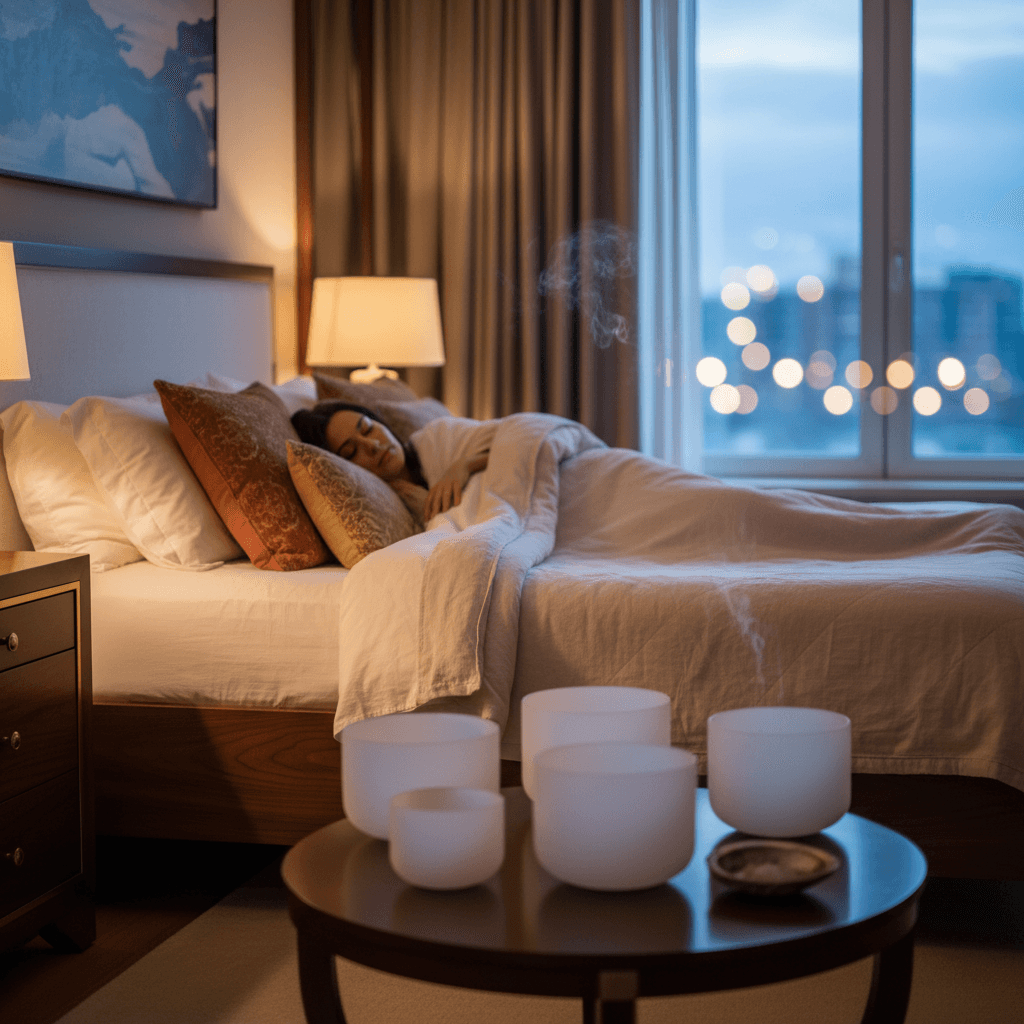
Moving from scientific journals to your bedroom, what does the experience of using a sleep sound app actually feel like? The goal is to transform your sleeping environment from a place of potential anxiety into a predictable, soothing sanctuary.
Imagine settling into bed after a long day. Instead of letting your mind race through tomorrow's to-do list, you reach for your phone with intention. You open an app and are greeted with a library of sounds. The choice you make sets the stage for your nightly journey.
If you choose pink noise, your room fills with the gentle, consistent sound of falling rain. It's not a distraction; it's a foundation. The distant sounds of city traffic fade into the background, no longer able to jar you from the edge of sleep. Your brain, given a steady, non-threatening stimulus, begins to release its grip on the day's events.
Perhaps you opt for a guided meditation. A calm, measured voice begins to speak, not telling a complex story, but guiding your awareness to your breath. It encourages you to notice the sensation of your body against the mattress, to consciously release tension in your shoulders, your jaw, your hands. This practice of mindful presence helps quiet the mental chatter that so often keeps us awake.
Or maybe you select a piece of ambient music. A slow, minimalist piano melody unfolds, with no lyrics to engage your analytical mind and no sudden shifts in volume or tempo. The predictable, soothing patterns have a physiological effect, potentially slowing your heart rate and deepening your breathing. It becomes an auditory lullaby, signaling safety and tranquility to your nervous system.
In each scenario, the technology serves as a tool to shift your focus, create a stable sensory environment, and initiate the body's natural relaxation response.
The Soul Art Approach
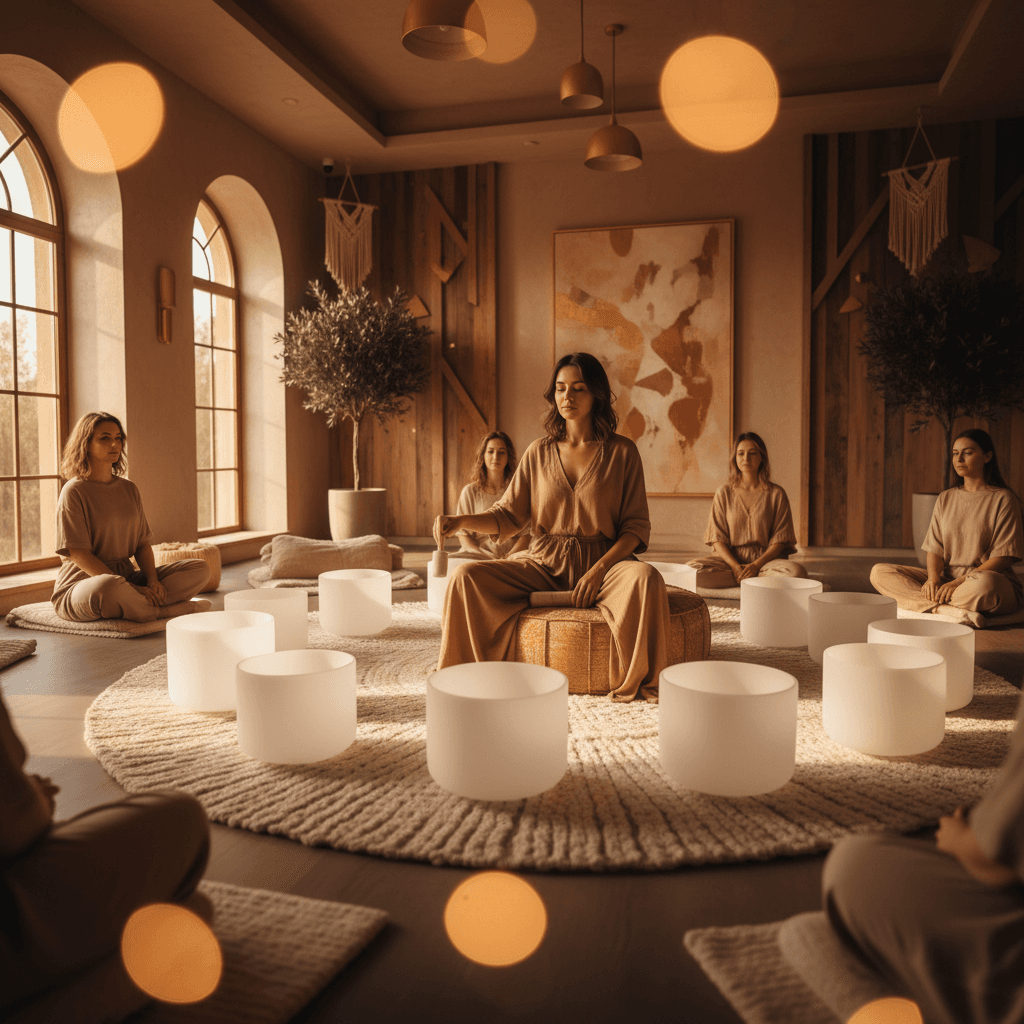
While sleep apps offer remarkable accessibility, they represent just one facet of how sound can support our wellbeing. At Soul Art, we believe in the irreplaceable power of an embodied, acoustic sound experience—one that a phone speaker or headphones simply cannot replicate.
As the founder, I, Larissa Steinbach, have dedicated my practice to harnessing the principles of sound science in a deeply human and resonant way. The digital soundscapes in an app are designed to mask external noise and distract the mind. In contrast, a live sound bath is designed to permeate the body and guide the brain.
Here’s what makes the Soul Art method unique:
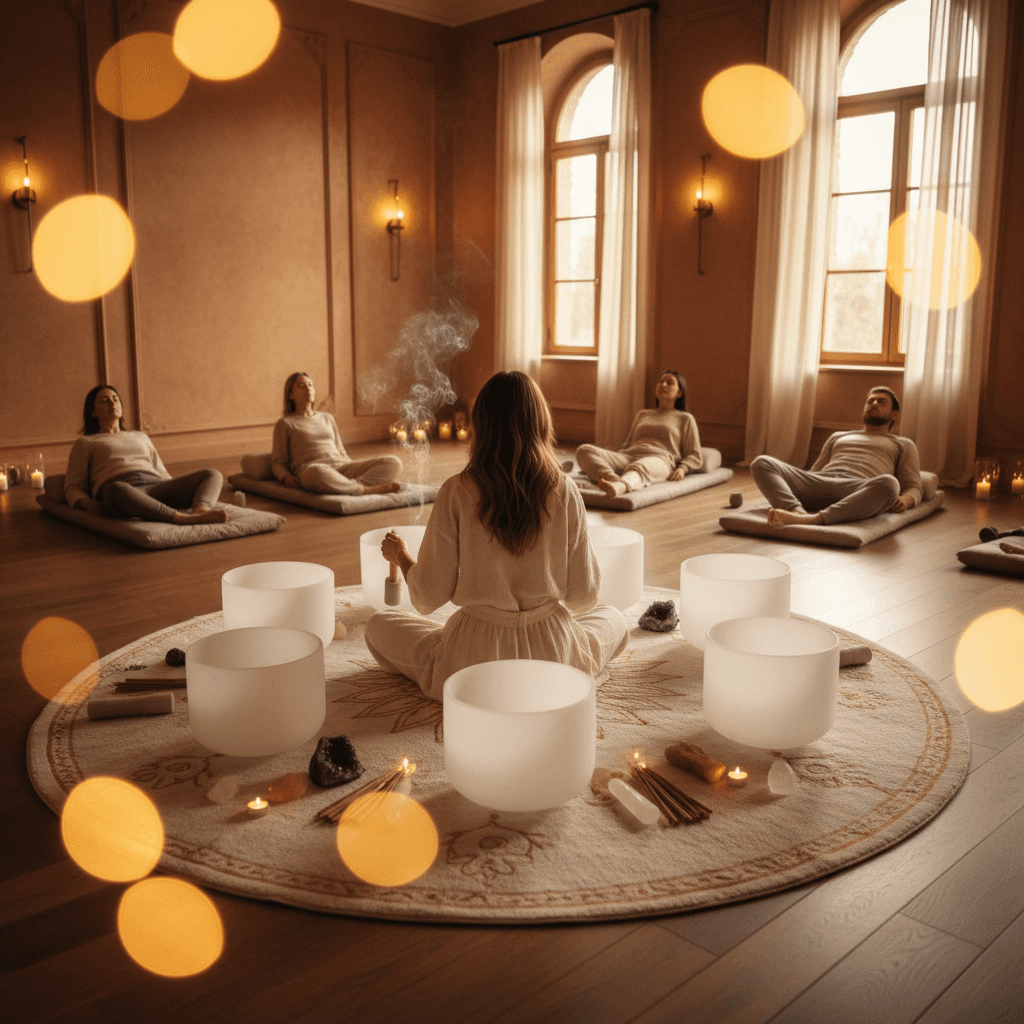
- Acoustic Resonance: We use instruments like Himalayan and crystal singing bowls, gongs, and chimes. These instruments produce complex overtones and harmonics that create a rich, three-dimensional soundscape. You don't just hear the sound; you feel its vibrations in your body, which can promote a profound state of relaxation.
- Somatic Experience: The frequencies generated in our sessions are not filtered through a digital processor. They are pure, acoustic waves that interact directly with your physical being, helping to release stored tension and calm the nervous system on a cellular level.
- Human-Centered Guidance: An app follows a pre-set algorithm. A session at Soul Art is a dynamic experience, intuitively guided to meet the energy of the room. It’s a personalized journey, not a one-size-fits-all recording. We create a container of safety and presence that allows you to fully surrender to the experience.
Digital tools can be a wonderful entry point, but they are a supplement, not a substitute, for the deep, restorative work that live, resonant sound can facilitate.
Your Next Steps
Integrating technology into your sleep routine should be a mindful process, not another source of digital distraction. If you're considering using sleep sound apps or want to improve your current practice, here are a few practical steps to take.
- Create a "Digital Sunset": The blue light from screens can interfere with melatonin production. If you use an app, make it the very last thing you do. Select your sound, set a timer if needed, and place your phone face down and out of reach. Do not scroll afterward.
- Experiment with Sound Types: What works for a friend, or even for you one night, may not work the next. Spend some time exploring different options. Try pink noise on a night when there's a lot of background noise, and perhaps a guided meditation when your mind feels particularly busy.
- Listen to Your Body, Not Just the Data: Resist the urge to become fixated on sleep scores and data. The most important metric is how you feel when you wake up—rested, energized, and clear. Use apps as a support tool, not a performance tracker, to avoid the trap of orthosomnia.
- Explore Beyond the Screen: Recognize that an app is one tool in a much larger wellness toolbox. Complement your digital practices with physical ones. Consider exploring a live, acoustic sound bath at a studio like Soul Art to experience the profound difference between hearing a sound and feeling its resonance.
In Summary
Sleep sound apps represent a fascinating and rapidly evolving frontier in personal wellness. The existing science, while still developing, suggests that certain audio tools—especially music—can be a valuable support for improving sleep quality for many people. They offer an accessible way to mask disruptive noise, calm a racing mind, and create a soothing pre-sleep ritual.
However, their effectiveness is not universal, and for some, the tracking features can induce more stress than serenity. The key to leveraging this technology successfully lies in mindful, intentional use. It's about seeing these apps not as a magic cure, but as one potential element in a holistic approach to rest. By combining smart technology with timeless practices, we can cultivate a deeper, more restorative relationship with sleep and, ultimately, with ourselves.
Bookings Coming Soon
Soul Art is still in preparation. Session details and booking will be published here after launch.
Coming Soon
Related Articles
Unseen Ears: Unpacking Voice-Activated Sound & Your Wellbeing
Precision Resonance: Digital Audio Workstations for Healing
Spectrum Analyzers: Unveiling the Science of Sound for Wellness