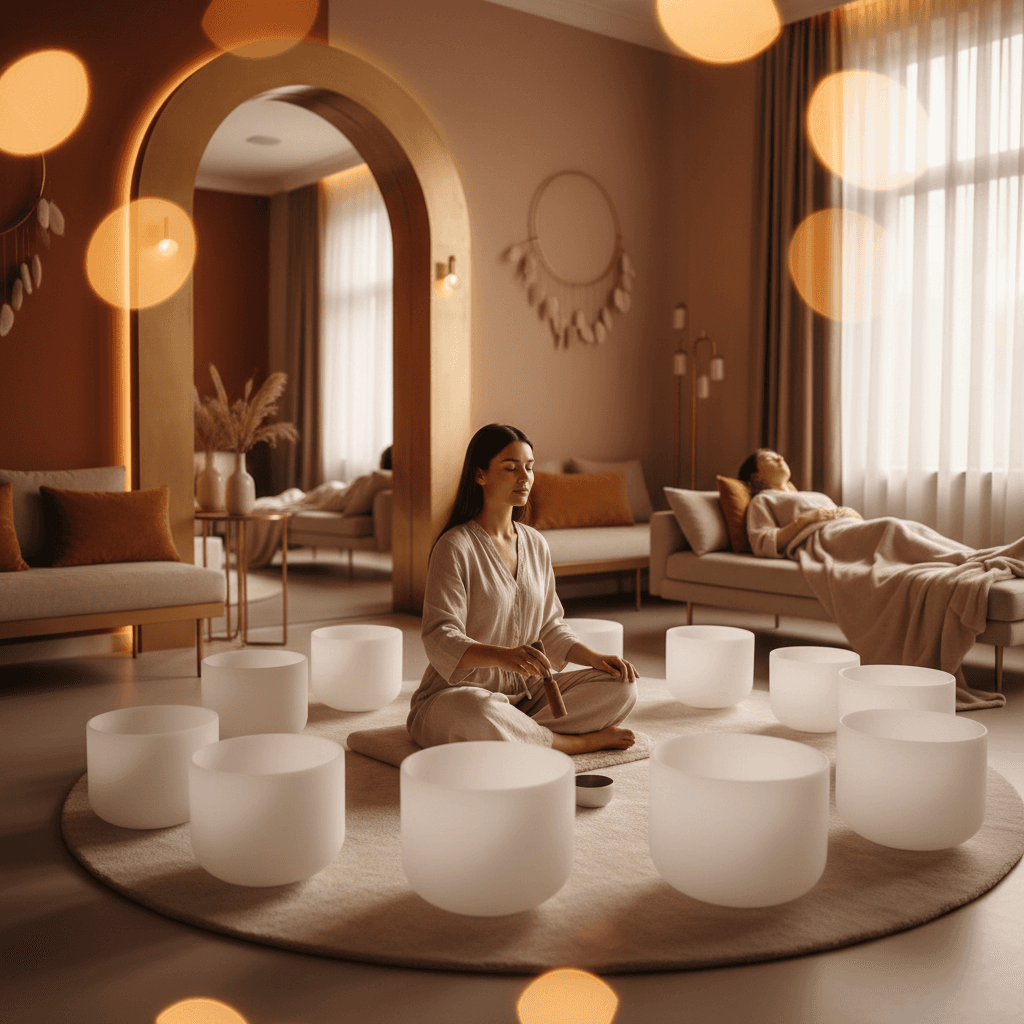
Elite Sleep: Sound Optimization for Peak Athletic Performance
Key Insights
Unlock your athletic potential with optimized sleep and sound wellness. Discover how Larissa Steinbach's Soul Art enhances recovery, focus, and longevity.
Imagine shaving seconds off your personal best, increasing your accuracy by double-digit percentages, or recovering from intense training with unparalleled speed. What if the secret to this elevated performance wasn't another grueling workout, but rather something you already do every single day: sleep? For a long time, sleep was viewed merely as downtime, a passive necessity.
Yet, a growing body of scientific evidence now positions sleep as a truly fundamental component of performance optimization, just as vital as rigorous training and meticulous nutrition. It's a critical, yet often overlooked, competitive advantage that can redefine an athlete's career and overall well-being. This article delves into the profound connection between sleep and athletic prowess, exploring how intentional sound optimization can unlock an athlete's fullest potential.
At Soul Art, we believe that understanding and enhancing your sleep patterns is not just about rest, but about strategically investing in your physical and mental resilience. We'll explore the science, practical applications, and Larissa Steinbach's unique approach to transforming an athlete's relationship with sleep, leading to profound improvements in their athletic journey.
The Crucial Science: Unlocking Athletic Potential Through Optimized Sleep
Sleep is a complex, active process, far from the inert state it might appear to be. For athletes, it's the ultimate biological recovery and regeneration window, influencing every facet of performance from physical endurance to strategic decision-making. Recent years have seen sports organizations increasingly embrace sleep as an indispensable part of training and recovery, recognizing its deep scientific underpinnings.
The Multifaceted Role of Sleep
Sleep plays a truly crucial role in physical and cognitive performance, serving as an important factor in reducing the risk of injury. While much future research is still needed, the current body of evidence clearly establishes sleep health as an important component of an athlete's overall well-being. It is a period of vital restoration, impacting everything from muscular repair to immune system function.
Many studies, though often confined to specific teams or sports, consistently highlight a strong correlation between sufficient sleep quality and improved athletic outcomes. These include higher accuracy, faster reaction times, increased physical endurance, and enhanced psychological resilience. This multifaceted impact underscores why elite athletes are encouraged to treat sleep with as much importance as their rigorous training and precise dietary plans.
Neural Regeneration and Cognitive Edge
During sleep, the brain actively processes the day's events, filtering out unnecessary information and consolidating new skills and memories. For athletes, this means assimilating novel techniques learned in practice, allowing them to become an intuitive part of their performance. This cognitive processing is vital for developing novel concepts, ideas, or solutions that are often crucial in competitive situations.
Research indicates that sleep enhances cognitive abilities necessary for challenging problem-solving tasks. Sleep deprivation, conversely, has a detrimental effect on attentiveness and reaction time, impacting an athlete's capacity to quickly and accurately choose between safe and risky decisions during a game or event. A study involving Norwegian chess players even showed that those who improved their rankings had specific sleep patterns, characterized by higher amounts of deep sleep, suggesting a link between sleep architecture and cognitive advancement. The ability to "bank" sleep, getting extra rest ahead of a stressful period, has also been shown to optimize vigilance and reaction time, offering a strategic advantage.
Hormonal Balance and Physical Repair
The impact of sleep on muscle recovery is equally important for athletes. While the precise mechanisms are still being fully understood, evidence shows that sleep deprivation promotes a catabolic state in skeletal muscles through hormonal regulation. Insufficient sleep can increase the level of cortisol, often referred to as the stress hormone, while reducing levels of anabolic hormones such such as testosterone, growth hormone (GH), and insulin-like growth factor 1 (IGF-1.
These hormonal imbalances can significantly inhibit muscle protein synthesis, which is essential for repair and growth. One study found an increase in plasma cortisol by 21% and a decrease in testosterone level by 24% after just one night of complete sleep deprivation, alongside an 18% reduction in muscle protein synthesis rate. At the cellular level, sleep modulates the immune and hormonal systems, as well as inflammatory cytokines, all crucial for post-exercise regeneration and adaptation. High-quality and adequate sleep duration thus serves as a natural "regeneration window," supporting performance growth, health protection, oxidative stress reduction, and improved training adaptation.
The Risk of Sleep Deprivation
The consequences of insufficient sleep extend beyond immediate performance decrements; they significantly elevate the risk of injury. Studies consistently demonstrate that adolescent athletes sleeping less than eight hours per night are considerably more likely to sustain an injury than their well-rested counterparts. Other research indicates a higher incidence of injuries among athletes sleeping less than seven hours per night.
The cumulative effect of chronic partial sleep restriction, often referred to as sleep debt, has been identified as a critical factor contributing to injury susceptibility over time. Beyond injury, sleep deprivation can lead to:
- Reduced reaction times: Directly impacting split-second decisions and agility.
- Slower recovery: Prolonging muscle soreness and fatigue, hindering subsequent training sessions.
- Impaired physical and cognitive performance: Leading to reduced strength, anaerobic power, endurance, and skill execution.
- Increased perceived exertion: Making workouts feel harder than they are.
- Diminished immune function: Making athletes more susceptible to illness.
Indeed, poor sleep quality and insomnia symptoms are prevalent concerns among high-level athletes, further highlighting the urgent need for effective sleep optimization strategies.
Beyond Theory: Experiencing Deep Sleep for Peak Performance
Connecting the deep science of sleep to its practical application means translating physiological processes into tangible improvements in an athlete's daily life and competitive arena. For those who embrace optimized sleep, the difference is not merely academic; it is profoundly experiential, impacting both body and mind. It's about feeling the benefits of true cellular rejuvenation and sharpened mental acuity.
Clients who prioritize their sleep often report a remarkable shift in their baseline energy levels. They describe waking feeling genuinely refreshed, without the lingering grogginess that has become a common, yet detrimental, companion for many. This isn't just about feeling "less tired"; it's about a foundational restoration that permeates every aspect of their being. Muscles feel more pliable and less prone to persistent soreness, a testament to enhanced tissue repair and reduced inflammation during adequate sleep.
The cognitive benefits are equally striking. Athletes speak of an enhanced ability to focus during training sessions, where distractions seem to fade, and their minds remain acutely attuned to the task at hand. Decision-making, particularly in fast-paced competitive environments, becomes more intuitive and precise. The mental clarity gained from deep, restorative sleep allows for faster processing of complex game scenarios, leading to more effective strategies and improved execution under pressure. There's a noticeable uplift in mood and a greater capacity to cope with the inherent stresses of elite sport, fostering psychological resilience.
"True athletic greatness isn't solely forged in sweat and effort; it's profoundly cultivated in the quiet, restorative hours of optimized sleep."
This practical experience is rooted in the understanding that sufficient sleep provides the body with the time and energy to repair the continual wear and tear tissues undergo during intense physical activity. Because the body has undergone these repair sessions, athletes are less likely to be injured and are also less likely to become ill, as sleep significantly strengthens the immune system. Achieving deep sleep ensures that critical functions like glycogen replenishment and muscle tissue repair are effectively carried out. For instance, studies have demonstrated that adequate sleep can boost accuracy in sports-specific skills, with sleep-deprived athletes seeing significant drops in performance. Conversely, getting adequate sleep, such as ten or more hours, can lead to substantial increases in accuracy, illustrating a profound potential difference in performance.
The Soul Art Difference: Sound Optimization with Larissa Steinbach
At Soul Art, Dubai's premier sound wellness studio, Larissa Steinbach integrates the profound scientific understanding of sleep with the ancient art and modern application of sound. Her approach is not merely about relaxation; it is a meticulously crafted strategy to guide the body and mind into the optimal states for deep, restorative sleep, thereby enhancing athletic performance and recovery. Larissa Steinbach’s method is deeply rooted in personalization, recognizing that each athlete's physiological responses and sleep challenges are unique.
The Soul Art method stands apart through its intentional use of specific sound frequencies and harmonic vibrations. We utilize a range of therapeutic instruments, including resonating crystal singing bowls, deeply resonant gongs, and other specialized sound tools. These instruments are carefully chosen and played to create an environment that supports the natural rhythms of the body and mind. The goal is to gently guide the brain from active, waking beta waves towards the slower, more relaxed alpha, theta, and ultimately delta wave states associated with deep sleep.
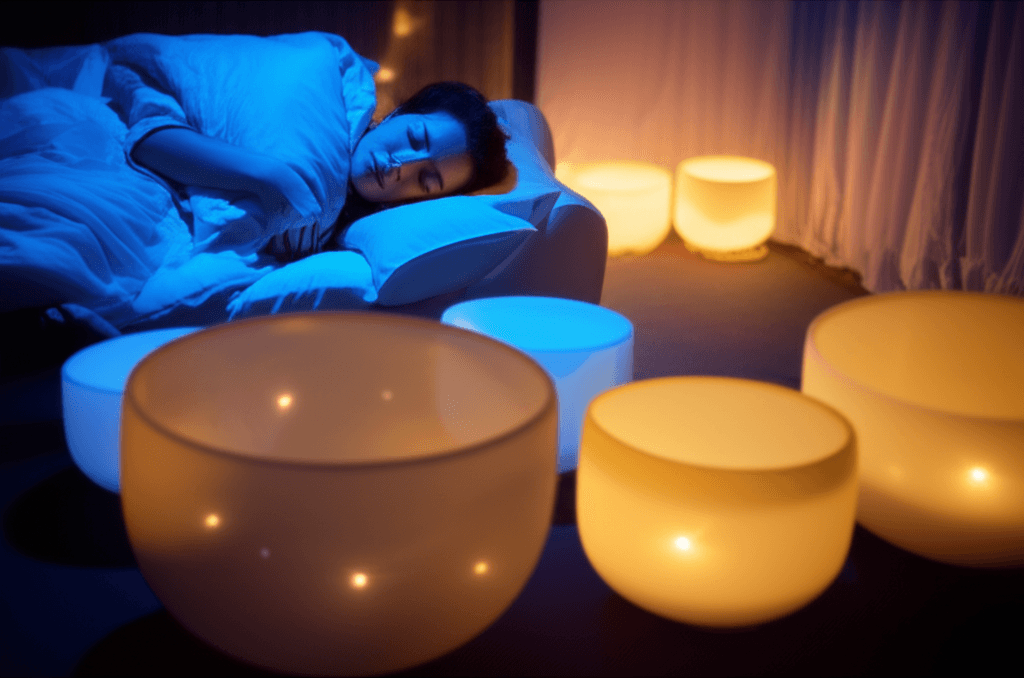
This process is a form of passive brainwave optimization, where the carefully curated soundscapes help to downregulate the nervous system. The soothing vibrations and harmonious frequencies encourage the release of tension, quiet mental chatter, and foster a profound sense of calm. This reduction in physiological and psychological arousal is critical for facilitating the transition into the deeper stages of sleep—the stages where the most significant physical repair and cognitive consolidation occur.
Larissa Steinbach's expertise ensures that each sound experience is tailored to promote optimal conditions for restorative rest. For athletes, this translates into sessions designed to:
- Support deep relaxation: Preparing the body and mind for efficient sleep onset.
- Enhance recovery processes: By fostering environments conducive to cellular repair.
- Reduce mental fatigue: Helping to clear the mind and improve cognitive readiness.
- Cultivate inner calm: Aiding in stress management and emotional regulation, vital for high-pressure competitive environments.
Soul Art creates a sanctuary where athletes can actively engage in their recovery, leveraging the power of sound to unlock superior sleep quality and, by extension, superior performance. It's a complementary wellness practice that offers a unique and highly effective pathway to profound rest.
Empower Your Performance: Actionable Steps for Sleep Optimization
Optimizing your sleep is a powerful, yet often undervalued, training tool. Incorporating even small changes can yield significant benefits for your athletic performance, recovery, and overall well-being. Here are some actionable steps you can start implementing today to enhance your sleep quality.
- Establish a Consistent Sleep Schedule: Go to bed and wake up around the same time each day, even on weekends. This helps regulate your body's natural circadian rhythm, making it easier to fall asleep and wake up feeling refreshed. For elite athletes, aiming for at least nine hours nightly is often recommended.
- Optimize Your Sleep Environment: Transform your bedroom into a sleep sanctuary. Ensure it is dark, quiet, and cool (between 17°C–22°C). Consider blackout curtains, earplugs, or a white noise machine to minimize disturbances.
- Incorporate Pre-Sleep Rituals: Develop a calming routine an hour before bed. This might include reading, a warm bath, gentle stretching, or listening to soothing music. Avoid bright screens (phones, tablets, TVs) which emit blue light that can interfere with melatonin production.
- Strategic Napping: If daily schedules make achieving full nightly sleep challenging, short, strategic naps of 20-30 minutes can offer a suitable strategy to supplement lost sleep, improving vigilance and reaction time without causing grogginess.
- Explore Sound Wellness: Consider integrating sound wellness practices into your routine. Sessions at Soul Art, guided by Larissa Steinbach, can help downregulate your nervous system, promoting deeper relaxation and preparing your mind and body for restorative sleep. These sessions are a powerful complementary approach to traditional sleep hygiene.
By making these deliberate adjustments, you are actively investing in your athletic longevity and competitive edge. To truly experience the transformative power of sound optimization for your sleep, we invite you to explore the tailored experiences offered at Soul Art.
In Summary: Elevate Your Game with Restorative Sleep
Sleep is no longer a passive afterthought for athletes; it is a dynamic, scientifically-validated cornerstone of peak performance. From enhancing cognitive function and reaction times to facilitating crucial muscle repair and reducing injury risk, the profound impact of quality sleep cannot be overstated. It directly influences an athlete's physical endurance, mental acuity, and long-term health, acting as the ultimate regeneration window.
By understanding the intricate science behind sleep's role in hormonal balance and neural regeneration, athletes gain a powerful tool for optimization. Implementing practices such as consistent routines and strategic napping, alongside innovative approaches like sound optimization, offers a holistic pathway to superior rest. Larissa Steinbach and Soul Art stand ready to guide you on this journey, helping you harness the restorative power of sound to unlock your fullest athletic potential.
Bookings Coming Soon
Soul Art is still in preparation. Session details and booking will be published here after launch.
Coming Soon
Wellness Disclaimer: This article is for educational and informational purposes only. It does not constitute medical advice, diagnosis, or treatment. Soul Art Dubai provides non-medical wellness experiences focused on relaxation, stress management, and general wellbeing. Sound wellness is a complementary practice and should not replace professional medical care.
Related Articles
Optimizing Athletic Performance: The Synergy of Sports Nutrition and Sound Wellness

Archery, Stillness, and Sound: Soul Art's Path to Focus
Swimming's Secret Weapon: Sound for Peak Aquatic Performance