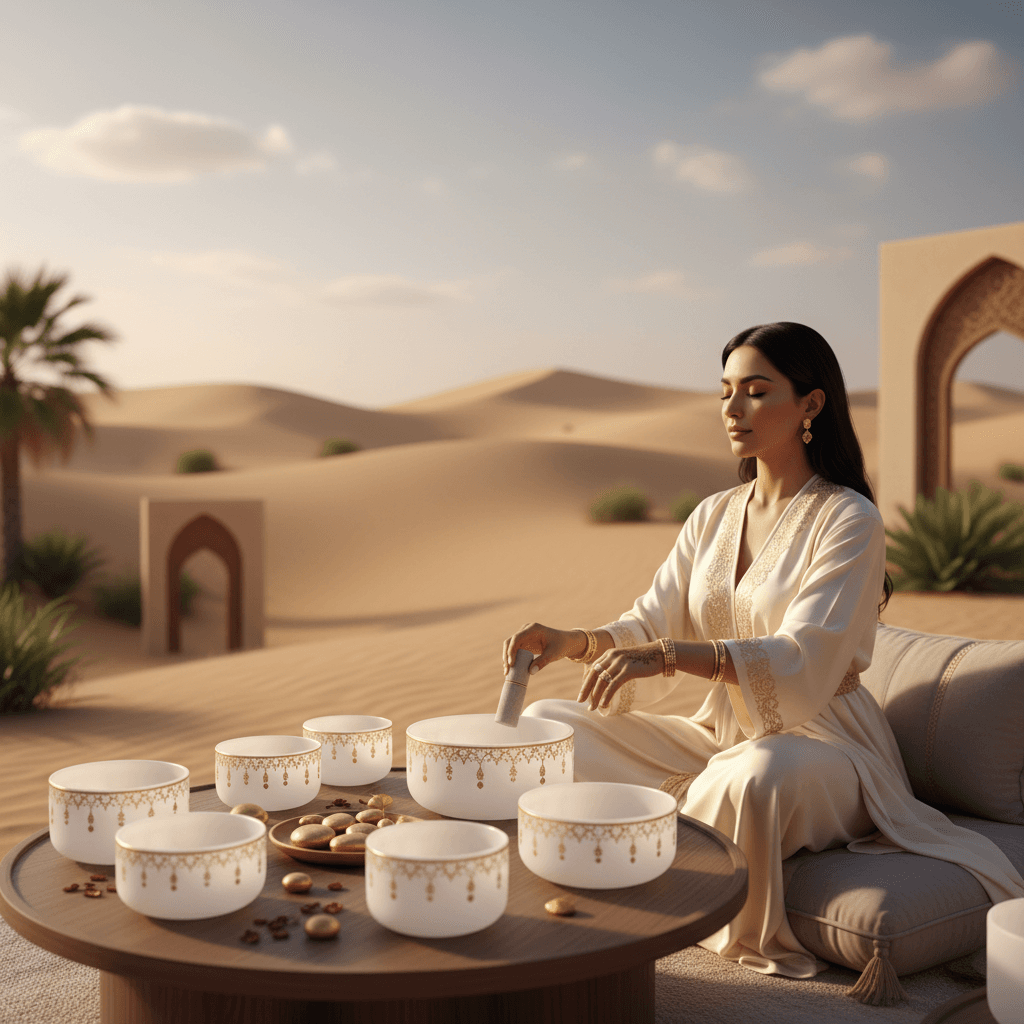
Sistra: Ancient Echoes of Isis in Modern Sound Wellness
Key Insights
Explore the ancient Egyptian sistrum, its sacred use in Isis worship, and how its resonant frequencies inspire modern sound wellness at Soul Art Dubai with Larissa Steinbach.
Have you ever considered that the gentle jingle of an ancient Egyptian rattle could hold the key to modern relaxation and profound well-being? The sistrum, a percussive instrument deeply rooted in the rituals of ancient Egypt, particularly the worship of the revered goddess Isis, offers a fascinating bridge between historical spirituality and contemporary sound wellness. Its unique sound, once believed to invoke deities and shape reality, now provides profound insights into the power of resonant frequencies.
At Soul Art Dubai, founded by Larissa Steinbach, we explore these timeless principles, integrating ancient wisdom with modern scientific understanding to craft transformative sound experiences. This article delves into the fascinating history and scientific underpinnings of the sistrum, revealing how its legacy continues to inspire practices designed to calm the nervous system and foster inner peace. Join us as we uncover the secrets of this sacred instrument and its profound impact on holistic health.
The Science Explained: Resonant Frequencies and the Nervous System
The sistrum, originating from the Greek "seistron" meaning "that which is being shaken," is a captivating percussion instrument used most notably by the ancient Egyptians. It typically consists of a U-shaped frame of brass or bronze, fitted with sliding metal cross-bars that hold small metal rings or loops. When shaken, these elements produce a distinctive sound that can range from a soft, rustling clank to a loud, vibrant jangling.
Ancient Egyptians had evocative names for the sistrum, reflecting its sound and power. One was "sesheshet" (sššt), an onomatopoeic word mimicking the instrument's soft, jangling sound, often compared to a breeze rustling through papyrus. Another name, "sekhem" (sḫm), is even more profound, translating to "power"—a term also associated with powerful deities like Sekhmet and Isis. This highlights the instrument's perceived ability to influence and transform consciousness, suggesting a deep understanding of sound's effects.
Types and Sounds of the Sistrum
There were primarily two types of sistra. The "sekhem" or hoop sistrum featured an elongated, hoop-like top with rods inserted horizontally. The more elaborate naos sistrum presented a top shaped like a miniature shrine or temple, also housing metal rods and rings. Both designs were engineered to produce complex sound waves, generating a spectrum of frequencies and overtones when rhythmically shaken.
The sounds produced by sistra were not merely musical; they were considered sacred and imbued with spiritual significance. Many people report that rhythmic, repetitive sounds, similar to those of the sistrum, may support states of deep relaxation. This response is often attributed to the phenomenon of brainwave entrainment, where external rhythmic stimuli can influence the brain's electrical activity. Preliminary studies indicate that listening to specific frequencies may encourage the brain to shift from faster beta waves (associated with alertness and stress) to slower alpha or theta waves (linked to relaxation, meditation, and creativity).
Sound, Vibration, and Well-being
From a scientific perspective, sound is vibration, and these vibrations interact with the body's cells and systems. The subtle yet potent vibrations produced by instruments like the sistrum may influence the autonomic nervous system. Anecdotal evidence suggests that exposure to calming, rhythmic sounds can help activate the parasympathetic nervous system, often referred to as the "rest and digest" system. This activation may lead to a decrease in heart rate, blood pressure, and muscle tension, counteracting the effects of the "fight or flight" response triggered by stress.
Furthermore, some research suggests that sound vibrations may support the release of endorphins and other neurochemicals associated with well-being, while potentially reducing stress hormones like cortisol. The act of engaging with these sounds can also serve as a powerful mindfulness practice, drawing attention away from intrusive thoughts and grounding the individual in the present moment. This focused attention on auditory stimuli can be a highly effective stress management tool, fostering a sense of calm and mental clarity.
Ancient cultures intuitively understood that percussion instruments and rhythmic music were profoundly imbued with spiritual power, capable of influencing consciousness and reality. This ancient wisdom, now explored through the lens of modern science, forms the bedrock of contemporary sound wellness practices.
How It Works in Practice: Ancient Rituals to Modern Calm
In ancient Egypt, the sistrum was far more than a musical instrument; it was a powerful magical and ritualistic implement. Its use was central to the worship of goddesses such as Hathor and Isis, and it was shaken by royal wives, queens, priests, priestesses, and temple chantresses in sacred ceremonies. These rituals encompassed a wide array of practices, from festival processions and offerings to funerary rites and the invocation of divine blessings.
The rhythmic pulses of the sistrum were believed to arouse movement and activity, signifying the presence of a deity and creating sacred space. The sound, reminiscent of rustling papyrus—a symbol of creation and the marshlands where Isis raised her son Horus—was thought to please the deities. For instance, in funerary cults, Isis's role involved transforming the deceased into Osiris and helping them enter the afterlife, often accompanied by "jubilation" (hn.w), a term for addressing and healing the Osiris corpse that began with rejuvenation. The sistrum's sound could signify this profound transformation.
"The sistrum’s rhythmic clang was not just noise; it was an invitation to the divine, a vibrational key unlocking portals between worlds, offering solace and connection to those seeking sacred intervention."
Priestesses of Isis, depicted holding the naos-style sistrum, utilized its sound not only for rhythmic accompaniment but also to clear and consecrate spaces. The instrument was believed to disperse malevolent forces and attract benevolent energies, preparing the environment for spiritual work. Its presence was a marker of divine authority and queenship, embodying connections to the goddess Hathor and reflecting the evolving status of royal women.
The Sensory Journey of the Sistrum
In a sound wellness session inspired by the sistrum, clients experience a profound sensory journey. The gentle shaking creates a rich tapestry of sound: the clear tinkling of small metal discs, the soft jangling of rings, and the subtle rustling that evokes natural environments. These sounds are not overwhelming but rather invite deep listening and inward focus.
Clients often report feeling a calming sensation wash over them as the rhythmic sounds permeate the space. The sustained vibrations, even from seemingly simple instruments, may gently massage the auditory system and beyond, promoting a sense of release. This intentional sound environment provides a sanctuary from the often-overstimulating external world, allowing the mind to quiet and the body to relax. The experience is designed to guide individuals into a state of mindful presence, where the focus on the intricate sounds fosters inner peace and clarity. It's a journey back to a primal connection with sound as a source of comfort and renewal.
The Soul Art Approach: Ancient Wisdom, Modern Harmony
At Soul Art, Larissa Steinbach embraces the profound legacy of instruments like the sistrum, drawing inspiration from ancient traditions to inform contemporary sound wellness practices. While we do not use historically exact sistra, the principles of intentional sound, rhythm, and vibrational resonance derived from their ancient use are central to the Soul Art method. Larissa's approach is not merely about replicating ancient sounds, but about understanding their purpose and adapting them for modern well-being.
Larissa Steinbach believes that sound is a universal language, capable of transcending cultural and temporal barriers to touch the deepest parts of our being. The "quiet luxury" ethos of Soul Art is reflected in the carefully curated soundscapes, designed to evoke tranquility and inner harmony. We utilize a range of high-quality instruments, selected for their resonant qualities and ability to create a deeply immersive experience. These instruments, much like the ancient sistrum, are employed with mindful intention to facilitate relaxation and stress reduction.
Unique Vibrational Practices at Soul Art
What makes the Soul Art method unique is its blend of historical reverence with a deep understanding of the human nervous system. We incorporate elements inspired by the sistrum's ability to create and clear sacred space, using specific rhythmic patterns and tonal qualities to guide clients into states of profound relaxation. Larissa Steinbach crafts personalized sound experiences, ensuring each session resonates with the individual's unique needs.
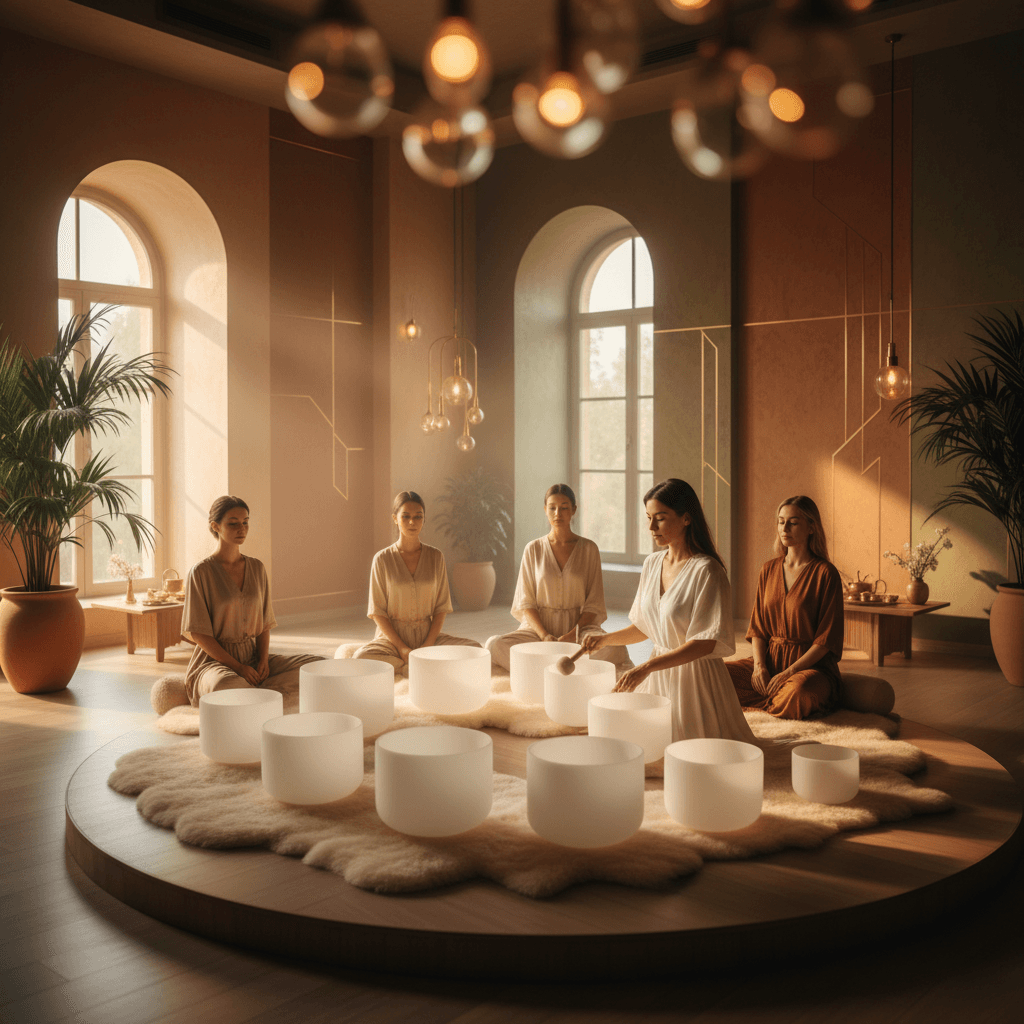
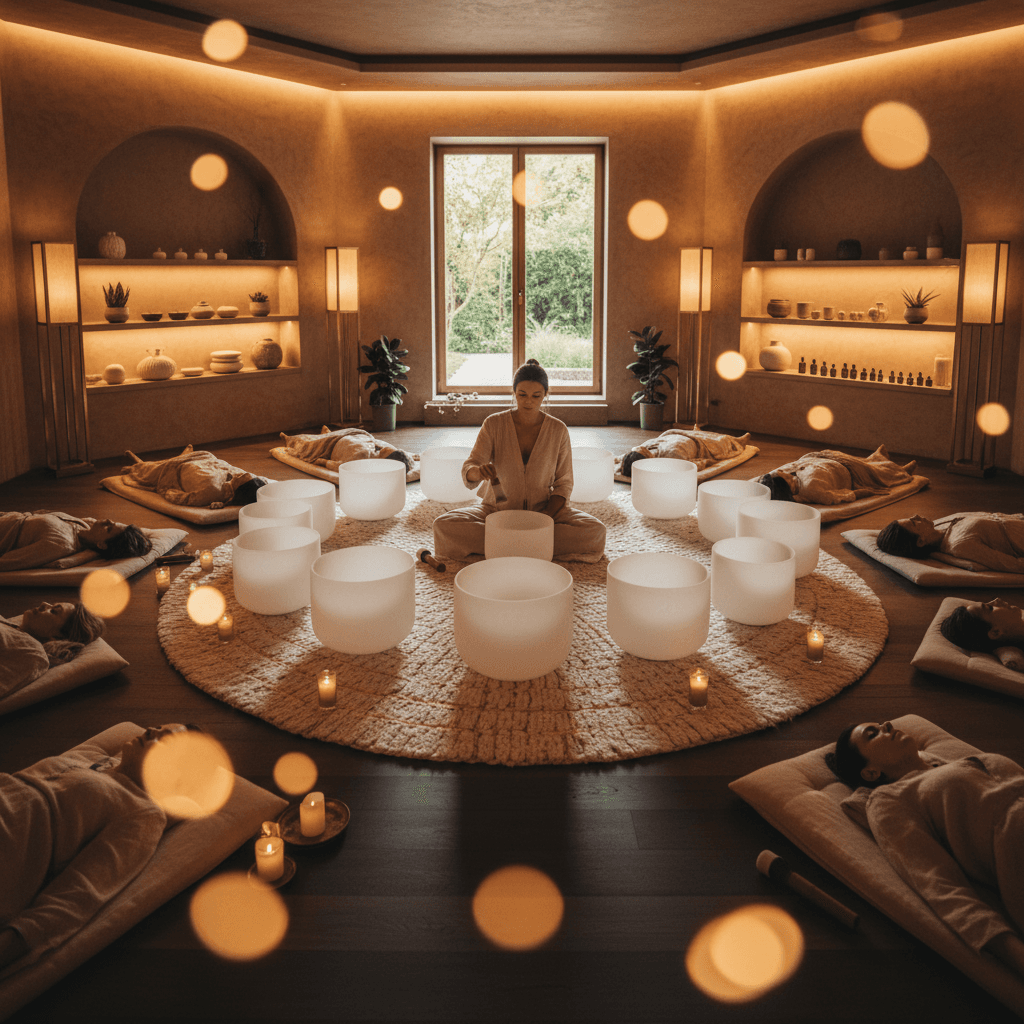
For instance, during group sound baths, the nuanced sounds of various percussive instruments are combined to build a rich auditory environment, reminiscent of the ancient temple rituals where multiple sounds converged. The rhythmic pulses, though modern in execution, carry the essence of the sistrum's purpose: to soothe, to inspire, and to connect. This holistic approach supports the nervous system in recalibrating, allowing for a natural return to balance and well-being. Soul Art is dedicated to offering a sanctuary where the timeless power of sound helps individuals rediscover their inner calm.
Your Next Steps: Embracing Sound for Everyday Wellness
Integrating sound into your daily self-care practice can be a powerful way to manage stress and enhance your overall well-being. Inspired by the enduring legacy of the sistrum, there are many ways to explore the benefits of sound for yourself. These practices are complementary and may support your journey towards greater inner peace.
Here are some practical steps you can implement today:
- Mindful Listening: Dedicate a few minutes each day to simply listen. Pay attention to the subtle sounds around you, noticing their texture and rhythm without judgment. This can be a simple yet effective way to practice mindfulness.
- Explore Rhythmic Sounds: Seek out music or soundscapes that feature repetitive, soothing rhythms. Many people report that these types of sounds can help to calm an overactive mind and promote relaxation.
- Engage with Vibrational Instruments: Consider trying small percussive instruments like shakers or chimes yourself. The act of creating sound can be meditative and may offer a gentle release of tension.
- Create a Sacred Space: Just as the sistrum was used to define sacred spaces, you can use sound to designate a quiet corner in your home for relaxation or meditation. Play soft, calming music or use a simple rattle to signify a shift into a peaceful state.
- Experience a Sound Bath: The most direct way to experience the transformative power of intentional sound is to attend a professional sound wellness session.
These simple yet profound steps can initiate a deeper connection with the power of sound in your life. To further your journey into resonant well-being, we invite you to explore the transformative experiences offered by Soul Art Dubai.
In Summary
The ancient Egyptian sistrum, a sacred rattle once used in the worship of Isis and other deities, offers a powerful testament to humanity's enduring understanding of sound's profound impact. From its onomatopoeic name "sesheshet" to its designation as "sekhem," meaning "power," the sistrum was revered for its ability to clear space, invoke blessings, and influence consciousness. This rich historical context provides a deep well of inspiration for modern sound wellness practices.
At Soul Art Dubai, Larissa Steinbach meticulously blends this ancient wisdom with contemporary scientific insights, crafting unique sound experiences designed for deep relaxation and nervous system regulation. By honoring the sistrum's legacy, we aim to guide you toward a state of profound inner calm and holistic well-being. Discover the resonant power that connects millennia of human experience at Soul Art.
Bookings Coming Soon
Soul Art is still in preparation. Session details and booking will be published here after launch.
Coming Soon
Wellness Disclaimer: This article is for educational and informational purposes only. It does not constitute medical advice, diagnosis, or treatment. Soul Art Dubai provides non-medical wellness experiences focused on relaxation, stress management, and general wellbeing. Sound wellness is a complementary practice and should not replace professional medical care.
Related Articles
Maori Poi & Sound: Pacific Traditions for Modern Well-being
Swedish Nyckelharpa: The Science of Nordic String Healing
Apollo's Ancient Echoes: Sound Healing & Holistic Wellness