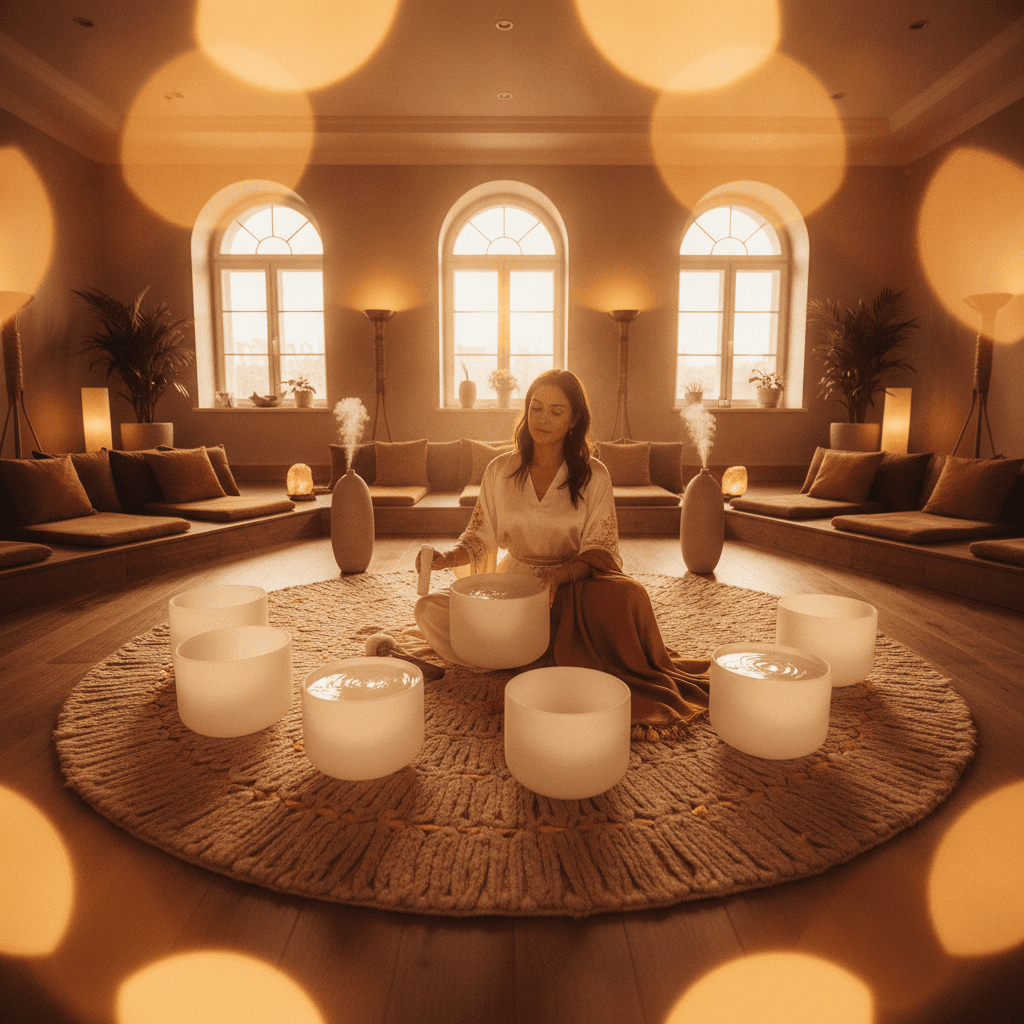
Silent vs Spoken Mantra: Unlocking Deep Brain Benefits at Soul Art
Key Insights
Explore the neuroscience behind silent and spoken mantra. Discover how Larissa Steinbach's Soul Art methods enhance focus and well-being.
Have you ever wondered if the whispers of your mind are more potent than the sounds from your lips when seeking inner peace? In the intricate world of sound wellness, the practice of mantra meditation offers two distinct pathways: the profound resonance of the spoken word and the subtle power of the silent invocation. Both have been revered across cultures for centuries, yet modern neuroscience is only just beginning to unravel their unique effects on our brain and well-being.
At Soul Art Dubai, founded by the visionary Larissa Steinbach, we often guide individuals through practices that explore these very distinctions. Understanding whether to vocalize a sacred phrase or to repeat it silently can unlock different dimensions of mental clarity, emotional regulation, and profound relaxation. This article will delve into the scientific underpinnings of silent versus spoken mantra, connect theory to practical application, and illustrate how Soul Art’s unique approach can enhance your journey toward holistic wellness.
By the end, you will have a clearer understanding of how to harness the power of your own voice, or your inner silence, as a potent tool for personal transformation. This exploration aims to equip you with insights to deepen your self-care practices and discover new avenues for stress management and mindful living.
The Neuroscience of Sacred Sound: Deactivating the Default Mode Network
The brain's Default Mode Network (DMN) is a collection of interconnected regions that become active when our minds are at rest, wandering, or engaged in self-referential thinking. This is the network responsible for rumination, planning, and mind-wandering – often the source of mental chatter and distraction. Scientific research increasingly points to mantra meditation as a powerful tool for modulating and deactivating this very network, leading to profound states of calm and clarity.
A pivotal pilot study, referenced by Ashim Dutta in "Mantras and the Mind: The Neuroscience of Sacred Sound," investigated the DMN's response to mantra practice. Participants underwent two weeks of Kundalini yoga meditation, which included silent mantra repetition, while being scanned with fMRI during meditation and a control task. The findings were remarkable, showing that over the training period, individuals learned to significantly suppress activity in key DMN hubs.
Specifically, regions such as the precuneus, posterior cingulate, and pregenual anterior cingulate cortex (ACC)—all central to self-referential thought and internal dialogue—showed marked deactivation. These decreases were observed even when meditation was compared to an active finger-tapping task, controlling for general engagement. This suggests a distinct "mantra effect" that actively quiets the internal dialogue beyond simple engagement or distraction.
Brainwave Modulation and Cognitive Benefits
While early studies, particularly on Transcendental Meditation, noted general changes in brain waves and cerebral blood flow, more recent investigations have honed in on specific neural correlates. The consistent finding is that mantra practice is associated with DMN deactivation, whether the mantra is spoken or silent. In an fMRI study of experienced yoga practitioners, audibly chanting “Om” was also found to cause significant deactivation in limbic brain regions and midline structures compared to a resting state, further underscoring the power of vocalized sound.
The psychological and cognitive impacts of consistent mantra practice are well-documented and align closely with other forms of meditation. These benefits include:
- Reduced symptoms of anxiety, depression, and stress: The regular deactivation of the DMN and calming of the nervous system can lead to a significant decrease in these prevalent mental health challenges.
- Improved attention and concentration: The focused repetition of a mantra acts as an anchor for the mind, strengthening neural pathways associated with sustained attention.
- Enhanced memory and cognitive flexibility: Consistent practice may contribute to better cognitive function, allowing for greater mental agility.
- Increased emotional stability and positive mood: By reducing rumination and fostering a sense of inner peace, mantra practice supports a more balanced emotional state.
- Greater spiritual or existential well-being: Many individuals report a deeper connection to themselves and the world around them, fostering a sense of purpose and calm.
These outcomes highlight mantra meditation as a viable and highly effective technique for mental health promotion. It can be particularly beneficial for individuals who find traditional silent meditation challenging, as the sound and rhythm offer a tangible anchor for the mind, as noted by Ashim Dutta.
Repetitive Speech and Neural Deactivation
Beyond the DMN, there is compelling evidence for the unique impact of spoken mantra. A study titled "Repetitive speech elicits widespread deactivation in the human cortex" demonstrated that the act of repetitive vocalization itself is sufficient to induce a widespread reduction in BOLD (Blood-Oxygen-Level Dependent) signal compared to a resting baseline. This physiological response indicates a broad calming effect across the brain, suggesting that the physical act of chanting contributes directly to neural deactivation.
This insight provides a scientific basis for why vocalizing a mantra can be so grounding. The rhythmic nature of speech, coupled with the focused attention on sound production, provides a powerful mechanism for shifting the brain out of its busy, analytical modes into a more relaxed and receptive state. Both silent and spoken mantras offer distinct, yet complementary, pathways to inner calm, each engaging the brain in nuanced ways to foster well-being.
The Experience of Mantra: From Vocal to Inner Resonance
Connecting the scientific understanding of mantra to its practical application reveals a spectrum of experiences, each offering unique benefits for the meditator. Ancient traditions, echoed by contemporary wellness practices, classify mantra repetition into several forms, depending on the subtlety of the sound. These methods help individuals tailor their practice to their current needs and level of concentration.
When your mantra is sounded aloud, it is known as Vaikhari Japa. This practice involves audible chanting, where the sound of the mantra becomes the primary focus of attention. Many people report that the externalization of sound helps to attune to the pronunciation of the mantra, providing a strong anchor for a wandering mind. The vibrations of the sound within the body, the breath, and the physical sensations in the mouth, lips, and tongue become powerful points of focus. Vaikhari Japa is often recommended for beginners or those who find themselves easily distracted, offering a tangible pathway back to presence and an effective method for stress management. It's a wonderful way to begin building a consistent mantra practice.
As one’s focus deepens, the practice can evolve into Upamsu Japa, where the mantra is whispered or hummed, audible only to the practitioner. This form of repetition is said to require a more profound level of concentration, as the external anchor of clear vocalization is lessened. The subtle sound creates an intimate internal resonance, often associated with fostering a deeper sense of peace and harmony within oneself. It bridges the gap between the overtly vocal and the completely silent.
The most subtle form is Manasika Japa, where the mantra is repeated silently within the mind. This method demands the greatest level of focus and attention, as the mind must consistently remain pointed on the internal mantra. Without external sound or even a whisper, the "inner sound" or the mental imprint of the mantra becomes the sole object of attention. This silent repetition is often considered highly potent, cultivating exceptional concentration and mental stillness. It directly engages the DMN, offering a direct path to quiet internal dialogue and promoting profound relaxation.
"The words and syllables themselves may carry the divine. . . . They can also be very effective in healing illness and emotions, strengthening your body’s vitality, or minimizing thoughts and confusion."
The choice between silent and spoken mantra is deeply personal and can vary from day to day. For those who struggle with a busy mind, the auditory and physical anchors of a spoken mantra can provide immediate relief and structure. As attention improves, the transition to a whispered or silent practice may reveal new depths of inner stillness and mental clarity. Both approaches leverage the brain's capacity for focus and the power of repetition to cultivate a meditative state, serving as invaluable tools for holistic wellness.
Larissa Steinbach's Philosophy at Soul Art
At Soul Art Dubai, Larissa Steinbach champions an approach to sound wellness that respects the ancient wisdom of mantra while integrating modern scientific understanding. Her philosophy recognizes that the journey into sound and silence is deeply personal, and thus, offers a diverse palette of experiences to meet individual needs. Whether a client seeks the vibrant energy of vocalized chanting or the serene depth of silent invocation, Soul Art provides a nurturing and sophisticated environment for exploration.
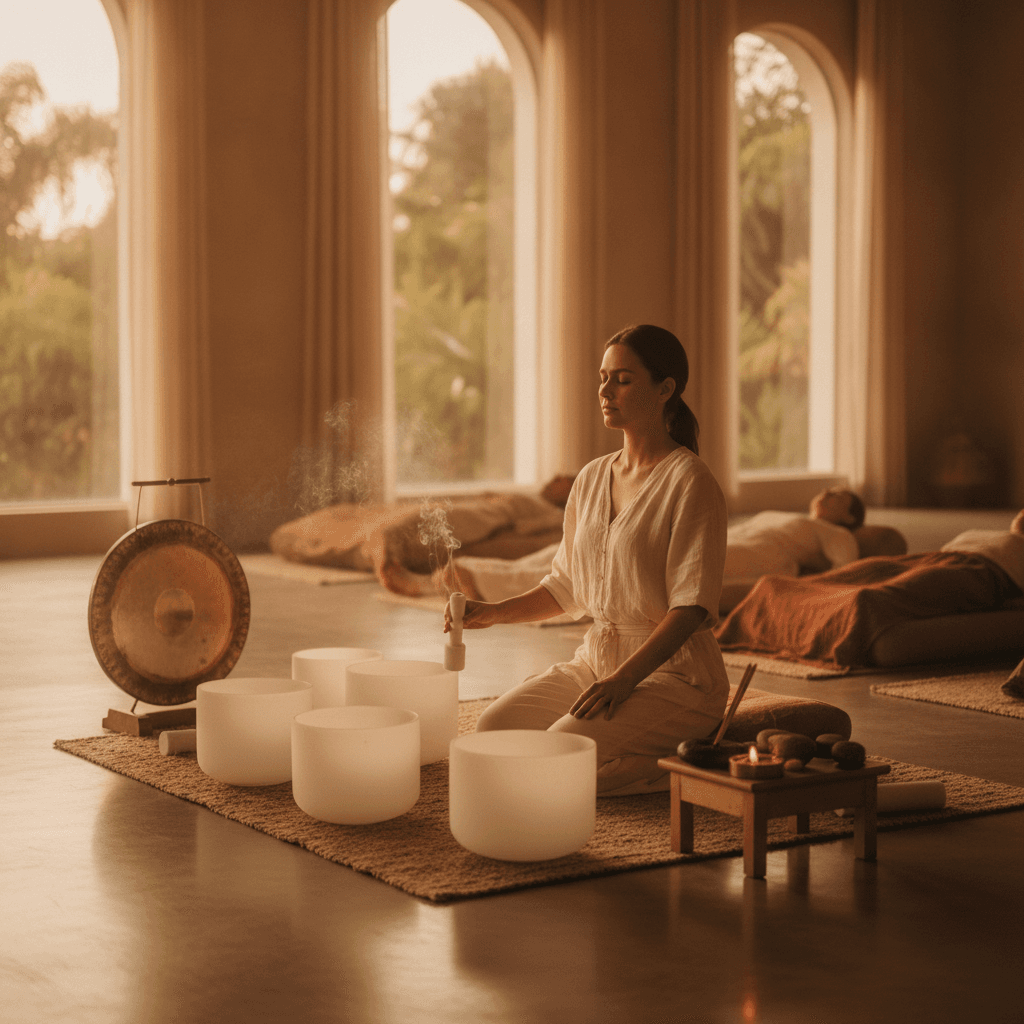
Larissa's method is unique in its capacity to seamlessly blend the vibrational power of various sound healing instruments with the focused intention of mantra. Imagine combining the soothing resonance of Himalayan singing bowls or the profound vibrations of gongs with your chosen mantra. This synergy deepens the meditative state, allowing the sound to act as an external anchor that complements the internal repetition, enhancing its effectiveness as a stress management tool.
Soul Art’s carefully curated sessions, often guided by Larissa Steinbach herself, enable participants to experiment with Vaikhari, Upamsu, and Manasika Japa. These guided experiences help individuals discern which practice resonates most deeply with them at any given time, or what best serves their current emotional and mental state. For instance, a session might begin with soft vocalizations to ground the group, gradually moving into a space of whispered or silent mantra as collective focus builds.
The tranquil and luxurious setting of Soul Art Dubai provides the ideal backdrop for these introspective journeys. Here, the focus is not on dogma, but on empowerment—teaching clients how to harness the intrinsic power of their own voice and mind for self-care. Larissa believes that by understanding the "why" behind these practices, individuals can more effectively integrate them into their daily lives, utilizing mantras for mental health promotion and fostering a greater sense of peace and emotional stability.
Soul Art's approach is designed to be accessible and transformative. It’s about creating an experience where sound, breath, and intentional thought converge to restore the nervous system and promote profound well-being. Larissa Steinbach’s guidance ensures that each client finds their unique rhythm in the dance between sound and silence, unlocking their innate capacity for harmony.
Cultivating Your Mantra Practice: A Path to Inner Harmony
Embarking on a mantra practice, whether silent or spoken, is a profound act of self-care that can lead to significant improvements in your overall well-being. The beauty lies in its simplicity and adaptability, making it accessible to anyone seeking a path to greater calm and focus. Here are some actionable steps you can take to begin or deepen your journey.
Start small and be patient with yourself. Just one to two minutes of focused mantra repetition each day is a wonderful beginning. Consistency is far more impactful than sporadic, lengthy sessions. As you become more comfortable, you can gradually increase the duration. Remember, your mind will wander – this is entirely normal. The practice isn't about stopping thoughts, but gently noticing when your mind has strayed and kindly bringing your attention back to your mantra.
To make your practice more effective, consider these practical steps:
- Choose a Simple Mantra: Select a word, phrase, or sacred sound that resonates with you. It could be "Om," "Peace," "I am calm," or a traditional Sanskrit mantra. The meaning and feeling behind it are often more important than its complexity.
- Find a Quiet Space: Dedicate a specific time and place each day where you can practice without interruption. This helps to create a ritual and signals to your mind that it’s time to settle.
- Begin with Spoken Mantra (Vaikhari Japa): Especially if you are new to meditation or prone to distraction, vocalizing your mantra can provide a strong anchor. Focus on the sound, the vibrations, and your breath.
- Gradually Explore Whispered or Silent Mantra (Upamsu & Manasika Japa): As your concentration naturally deepens, experiment with whispering or silently repeating your mantra. Notice how the experience shifts and what level of subtlety feels most supportive for your current state.
- Observe Without Judgment: Pay attention to how the mantra affects your body and mind. Is there a sense of calm? Reduced tension? Increased clarity? Simply observe these sensations without attachment or judgment.
- Utilize Guided Meditations: If you struggle to focus or find yourself unsure, guided meditations are an excellent resource. They provide structure and support, making it easier to stay present and engaged with your practice.
Integrating mantra into your daily routine is a powerful way to manage stress, enhance focus, and cultivate a deeper connection to your inner self. It is a complementary approach that beautifully supports holistic wellness, promoting mental clarity and emotional resilience.
Bookings Coming Soon
Soul Art is still in preparation. Session details and booking will be published here after launch.
Coming Soon
Embracing the Power of Sacred Sound and Silence
The journey into mantra meditation, whether through the vibrant resonance of the spoken word or the profound stillness of silent invocation, offers powerful pathways to enhanced well-being. Scientific research confirms that both silent and spoken mantras are effective tools for deactivating the Default Mode Network, reducing mental chatter, and fostering a deep sense of calm. These practices are associated with reduced anxiety, improved attention, and greater emotional stability.
At Soul Art Dubai, Larissa Steinbach’s unique approach blends ancient wisdom with modern science, guiding individuals to discover their optimal mantra practice. Through a luxurious and supportive environment, clients learn to harness the transformative power of their voice and mind, complemented by the exquisite vibrations of sound healing instruments. The choice between silent and spoken mantra is not about superiority, but about personal resonance and discovering what best serves your holistic wellness journey.
Embrace the subtle yet profound power of mantra. Allow Soul Art to be your sanctuary, where you can explore these practices and restore balance to your mind, body, and spirit. We invite you to experience the frequency of well-being that awaits.
Wellness Disclaimer: This article is for educational and informational purposes only. It does not constitute medical advice, diagnosis, or treatment. Soul Art Dubai provides non-medical wellness experiences focused on relaxation, stress management, and general wellbeing. Sound wellness is a complementary practice and should not replace professional medical care.
Related Articles
The Science of Connection: Call and Response Chanting for Wellness
Deepen Your Bond: Couples Breath & Tone Practice at Soul Art
Harmonize Your Voice: Humming for Public Speaking Nerves