Shinto Sound Rituals: Ancient Purification for Modern Well-being
Key Insights
Explore Shinto sound rituals – a timeless path to purification and balance. Discover the science and how Soul Art Dubai offers modern vibrational wellness.
Shinto Sound Rituals: Ancient Purification for Modern Well-being
Have you ever wondered if the ancient wisdom of purification rituals holds keys to unlocking profound well-being in our fast-paced world? In a society often overwhelmed by digital noise and mental clutter, the quest for clarity and inner peace has never been more vital. Deep within the indigenous traditions of Japan lies Shinto, a spiritual path centered on the harmony between humanity and the natural world, where purification is not just a concept but a vibrant, living practice.
Shinto rituals are not merely symbolic gestures; they are dynamic, multi-sensory experiences designed to cleanse, restore, and reconnect. At the heart of many of these practices lies the profound power of sound, rhythm, and intention. This article will delve into the rich tapestry of Shinto sound rituals, uncovering their deep-rooted scientific and psychological underpinnings.
We will explore how these ancient techniques resonate with modern understandings of vibrational wellness and provide practical insights for enhancing your personal sense of purity and balance. Join us as we journey from ancient shrines to the tranquil studios of Soul Art Dubai, revealing how Larissa Steinbach's vision brings these timeless principles into contemporary practice for your holistic well-being.
The Science of Sacred Sounds and Purification
At its core, Shinto purification is a transformative act of cleansing from both material and spiritual pollution, preparing individuals for communication with the divine Kami – the pure and clean spirits at the center of Shinto divinity (Hüsamettin KARATAŞ, 2019). This process holds both physical and profound psychological dimensions, aiming to purify the soul's passions alongside the body. Modern science, through various disciplines, offers compelling insights into how sound and ritual contribute to such deep-seated cleansing and restoration.
Rhythmic Entrainment and Brainwave States
The rhythmic elements central to Shinto sound rituals – such as clapping, chanting, and drumming – are far from arbitrary. These structured sonic patterns can induce a phenomenon known as rhythmic entrainment, where the brain's electrical activity begins to synchronize with external auditory rhythms. Preliminary studies indicate that exposure to specific frequencies and rhythmic pulses may guide brainwaves into states associated with deep relaxation, focus, and meditation, such as alpha (8-12 Hz) or theta (4-8 Hz) waves.
This shift in brainwave activity can facilitate a reduction in mental chatter and an increased sense of inner calm. In the context of purification, this altered state of consciousness may support the release of mental and emotional "pollution," allowing for greater clarity and receptivity. The consistent, intentional repetition found in chanting, such as the norito (ritual formula) in the Ōharae ritual, acts as a powerful anchor for the mind.
The Auditory-Vibrational Connection
Sound is, at its essence, vibration. When Shinto priests clap, chant, or utilize specific instruments like those in Gagaku music, they are not only creating an auditory experience but also generating physical vibrations. These vibrations are not merely perceived by the ears; they are felt throughout the body, which is largely composed of water. Anecdotal evidence suggests that these gentle internal vibrations may support the release of physical tension and promote cellular harmony.
This deep vibrational resonance can be understood as a form of energetic cleansing, similar to the traditional Shinto belief in removing "accretions or blemishes" from an impure state to achieve purity (Berkeley, Part III). The precise articulation of Japanese language, with its distinct pitch accents, suggests a deliberate use of vocal frequencies in chanting. This precision may contribute to the focused vibrational impact, enhancing the ritual's purifying effect.
Psychological & Physiological Impact of Ritual
Rituals, by their very nature, create a sacred, liminal space—a "betwixt and between" state where ordinary rules may be suspended, allowing for profound psychological shifts (Berkeley, Part II). This liminality, or transitional phase, is crucial for transformation. It encourages participants to detach from their usual state, undergo a symbolic "cleansing," and emerge renewed. This process is deeply embedded in Shinto purification rites like Misogi (water purification) and Temizu (hand and mouth cleansing).
From a physiological standpoint, engaging in purposeful, ritualized actions, especially those involving focused breath and rhythmic sound, can activate the parasympathetic nervous system. This activation is the body's "rest and digest" response, counteracting the "fight or flight" stress response. Many people report that regular engagement with such practices is associated with:
- Reduced cortisol levels, the primary stress hormone.
- Lowered heart rate and blood pressure.
- Enhanced mental focus and emotional regulation.
- Improved sleep quality.
The communal aspect of many Shinto rituals further amplifies these benefits, fostering a sense of belonging and shared intention that can reduce feelings of isolation and stress. The intention behind these rituals – to facilitate the manifestation of the sacred and purify the soul's passions – aligns with a holistic approach to well-being that recognizes the interconnectedness of mind, body, and spirit (Hüsamettin KARATAŞ, 2019).
"Purification in the Shinto religious tradition is an act of cleansing from any material and spiritual pollution before any communication and contact with the holy." – Hüsamettin KARATAŞ (2019)
This ancient understanding of purification, supported by observable physiological and psychological responses to sound and ritual, underscores the timeless relevance of these practices for contemporary stress management and holistic wellness.
How It Works in Practice: The Shinto Sound Experience
In Shinto practice, purification rituals like Oharae, Misogi, and Temizu are not passive observances; they are immersive, multi-sensory experiences that directly engage the participant. The actions, sounds, and natural elements combine to create a deeply felt sense of renewal and energetic cleansing.
Consider the atmosphere of a Shinto shrine, a space often marked by natural elements – ancient trees, flowing water, and the presence of torii gates. Here, purification (known as harae) involves specific sonic components that resonate with the environment. The sharp, resonant clap of a worshipper’s hands, often performed twice before prayer, serves not only as a greeting to the Kami but also as a way to clear the immediate energetic space, signaling focus and intention.
Chanting, a cornerstone of many rituals, utilizes the human voice to create resonant frequencies. The priests' intonation of norito (ritual formulas), carefully structured and rhythmically delivered, is believed to carry the intention of purification on its vibrations, dispersing impurities and inviting benevolent energies. This focused vocalization, combined with the participant's intent, creates a powerful field of energetic cleansing.
Beyond the voice, other elements contribute to the sonic landscape. The deep, grounding beats of drums can synchronize collective energy and create a trance-like state conducive to release. The rhythmic rustling of a harae-gushi (purification wand) as it’s waved to dispel impurities, or the gentle gurgle of water during Misogi as it washes over the body, all contribute to a rich auditory tapestry that signifies cleansing and renewal. These sensory details – the sound of water, the feel of cool air, the specific pitch of a chant – collectively guide the individual through a transformative journey, preparing them to reconnect with their purest self and the sacred.
The Soul Art Approach: Modern Vibrational Purification
Inspired by the profound wisdom of ancient traditions like Shinto, Larissa Steinbach, founder of Soul Art Dubai, has cultivated a unique approach to modern sound wellness. Her methodology translates these timeless principles of purification through tone into accessible, scientifically-informed experiences designed for contemporary life. At Soul Art, the core intention remains the same: to provide a sanctuary for energetic cleansing, mental clarity, and profound emotional release.
Larissa Steinbach's work at Soul Art is deeply rooted in the understanding that sound is a potent medium for transformation. While Shinto rituals often involve specific cultural contexts and traditional instruments, Soul Art harnesses the universal language of vibration through a curated selection of contemporary and ancient sound tools. These instruments are chosen for their ability to generate precise frequencies and resonant harmonics that interact beneficially with the human energy field.
The Soul Art method incorporates a range of powerful instruments, including:
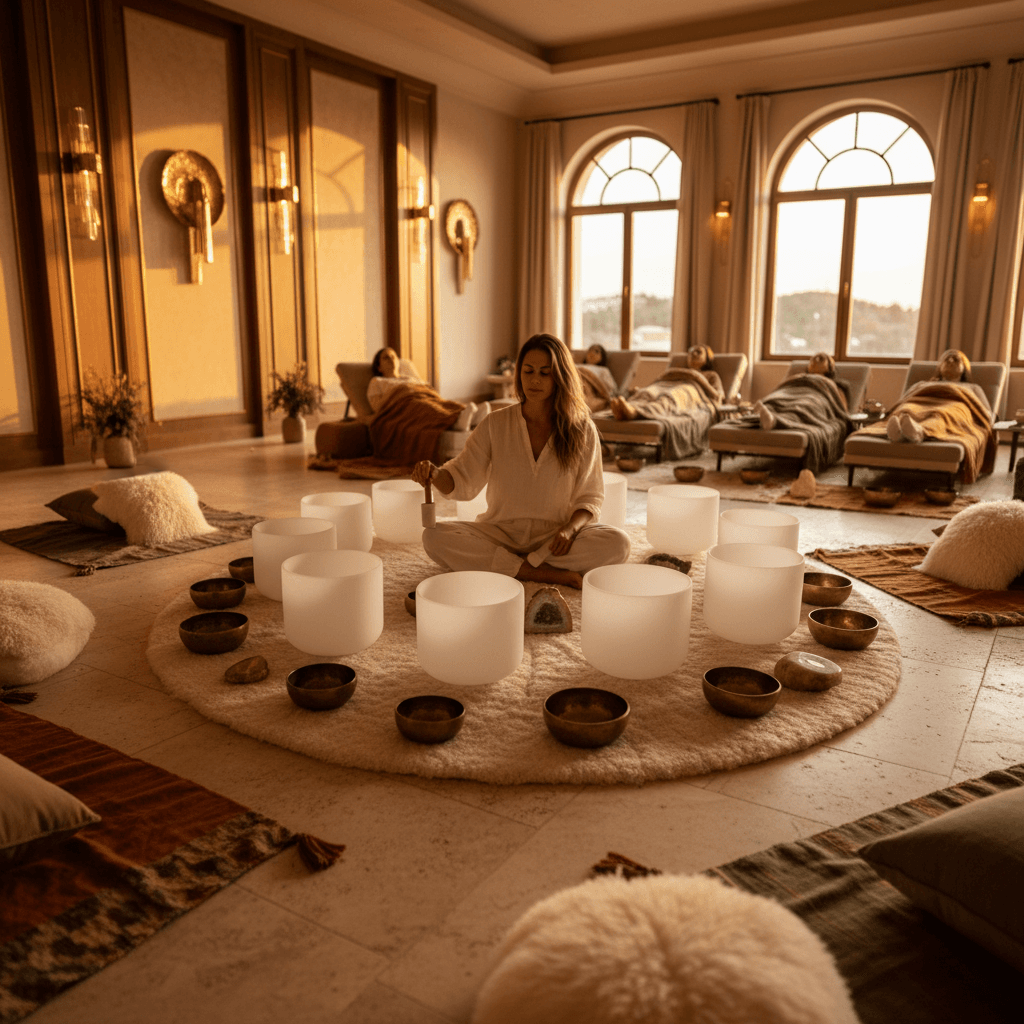
- Crystal Singing Bowls: Crafted from pure quartz, these bowls produce ethereal, sustained tones and powerful vibrations that many people report can deeply penetrate the body, promoting cellular relaxation and energetic recalibration. Their pure, resonant frequencies are often associated with balancing chakras and clearing stagnant energy.
- Gongs: Renowned for their complex overtones and expansive soundscapes, gongs create immersive vibrational experiences. The powerful waves of sound generated by gongs may support the release of deep-seated tension, fostering a sense of catharsis and renewal, much like the transformative aspect of traditional purification rituals.
- Tuning Forks: These precise instruments emit specific frequencies, which can be applied to various points on the body or within the energetic field. Tuning forks are used for targeted energetic clearing and to gently guide the nervous system into a state of balance and harmony, echoing the Shinto aim of restoring purity.
- Tibetan Singing Bowls: With their rich, earthy tones, these bowls offer a grounding and deeply resonant experience. Their complex harmonics and sustained vibrations are widely utilized for relaxation, meditation, and energetic cleansing, creating a sacred space for personal purification.
Larissa Steinbach's unique approach blends the art of sound with a deep understanding of wellness principles. Each session at Soul Art is mindfully curated to create a liminal space where clients can release accumulated stress and impurities, much like the Shinto concept of shedding kegare (pollution). The focus is on cultivating an environment that supports self-awareness, inner peace, and a renewed sense of vibrant energy, offering a modern pathway to the ancient goal of purification through tone.
Your Next Steps: Embracing Vibrational Well-being
The wisdom embedded in Shinto sound rituals, emphasizing purification through tone and intention, offers profound relevance for cultivating modern well-being. Integrating elements of this ancient wisdom into your daily life or seeking guided experiences can significantly support your energetic and mental clarity. Remember, true purification is an ongoing practice, a commitment to shedding what no longer serves you and embracing states of harmony.
Here are some practical steps you can implement today to invite more vibrational purity into your life:
- Mindful Soundscapes: Pay attention to the sounds around you. Can you actively listen to the purifying sounds of nature—the wind, rain, or flowing water—even for a few minutes daily? This practice can ground your nervous system.
- Intentional Vocalization: Experiment with humming or gentle chanting. The simple act of creating resonant sound with your voice can be incredibly calming and centering, helping to clear mental fog.
- Sacred Space Creation: Designate a small area in your home as a "pure" space. Use gentle sounds, clear intentions, and perhaps a beautiful object to signify its purpose as a sanctuary for reflection and energetic cleansing.
- Deep Listening Practice: Dedicate time each week to listening to therapeutic sound, such as guided meditations with crystal bowls or ambient nature sounds. Allow the vibrations to wash over you, supporting stress reduction and inner calm.
- Explore Sound Wellness: Consider booking a session with a qualified sound wellness practitioner. Experiencing the curated frequencies of instruments like gongs or singing bowls can offer a profound, guided purification journey.
Soul Art is still in preparation. Session details and booking will be published here after launch.
Bookings Coming Soon
Soul Art is still in preparation. Session details and booking will be published here after launch.
Coming Soon
In Summary: The Enduring Power of Purification
Shinto sound rituals offer a compelling historical and experiential framework for understanding the profound human need for purification. From ancient practices like Oharae and Misogi to the nuanced use of clapping, chanting, and traditional music, these rituals demonstrate the enduring power of tone and intention to cleanse both material and spiritual pollution. Scientifically, rhythmic sound and ritualized action may support the activation of the parasympathetic nervous system, guiding brainwaves towards states of relaxation and reducing stress.
At Soul Art Dubai, Larissa Steinbach beautifully bridges this ancient wisdom with modern vibrational wellness. Through carefully selected instruments like crystal singing bowls, gongs, and tuning forks, Soul Art provides a contemporary pathway to energetic cleansing, mental clarity, and profound well-being. Embrace the purifying potential of sound, and allow its gentle vibrations to guide you toward a more balanced and harmonious existence.
Related Articles

Maori Poi & Sound: Pacific Traditions for Modern Well-being

Swedish Nyckelharpa: The Science of Nordic String Healing
Apollo's Ancient Echoes: Sound Healing & Holistic Wellness