Sound Wellness: Healing Shame & Cultivating Self-Compassion
Key Insights
Explore how sound wellness and self-compassion practices at Soul Art Dubai, founded by Larissa Steinbach, may support recovery from shame and trauma.
Have you ever felt the heavy, isolating grip of shame, a feeling so profound it silences your voice and dims your spirit? Shame is a universal human emotion, yet its pervasive impact on our mental and emotional wellbeing is often underestimated and overlooked. It silently fuels cycles of self-criticism, rumination, and disconnection, making healing an arduous journey.
At Soul Art, Dubai's premier sound wellness studio, we understand the intricate dance between shame and recovery. We believe in harnessing the profound power of sound to guide individuals toward a deeper sense of self-compassion, a vital antidote to shame’s corrosive effects. This article will delve into the science behind shame and the transformative potential of self-compassion, illuminating how sound wellness can serve as a gentle yet powerful ally in this journey of profound recovery.
The Science Explained: Unpacking Shame and Embracing Self-Compassion
Shame is a potent, often debilitating emotion deeply intertwined with psychological distress. Research consistently identifies shame as a significant psychological factor in the onset and maintenance of both Post-Traumatic Stress Disorder (PTSD) and Major Depressive Disorder (MDD). Studies show that shame is particularly common among combat veterans with PTSD, where it has been linked to the onset, severity, and maintenance of the condition, as well as suicidal ideation (Andrews et al., 2000; Cunningham et al., 2019; López-Castro et al., 2019). Its presence can further compound vulnerability to chronic PTSD and depression, significantly impeding emotional recovery (Ehlers and Clark, 2000; Zetsche et al., 2012).
The Cycle of Shame and Rumination
Shame doesn't often act alone; it frequently partners with rumination, a repetitive and often negative focus on one’s distress or its causes and consequences. The tendency to ruminate has been found to mediate the relationship between emotional regulation deficits and PTSD severity, and to moderate the relationship between PTSD and depression (Pugach et al., 2020; Roley et al., 2015). This persistent mental loop sustains negative moods and pessimistic future-oriented cognition, locking individuals into a cycle that makes genuine healing feel out of reach (Lavender and Watkins, 2004). Shame, in this context, becomes an internal threat, contributing significantly to PTSD symptomatology (Cromer & Smyth, 2010; DePrince et al., 2011).
The Healing Power of Self-Compassion
Against this backdrop of distress, self-compassion emerges as a beacon of hope. Self-compassion is the ability to acknowledge one’s mistakes and suffering with kindness and understanding, rather than harsh self-criticism. It involves treating oneself with the same care and concern one would offer a dear friend experiencing a difficult time. This powerful internal resource has been strongly tied to lower symptoms of PTSD and depression (Hiraoka et al., 2015a; MacBeth and Gumley, 2012; Neff, 2003b).
Furthermore, evidence suggests that self-compassion may offer protection against the development of PTSD by decreasing emotional avoidance and facilitating the desensitization of trauma-related distress (Thompson and Waltz, 2008). Critically, cultivating self-compassion has been shown to deactivate the body’s threat defense system while simultaneously activating its self-soothing and affiliative systems (Gilbert, 1992). This physiological shift is fundamental for emotional regulation and recovery. Lower levels of self-compassion predict a greater tendency to ruminate and heightened depressive symptoms (Raes, 2011), underscoring its pivotal role in breaking negative mental cycles.
Self-Compassion as an Intervention
While cultivating self-compassion can be challenging for trauma survivors, research supplies a solid evidence base for the effectiveness of interventions designed to foster it. Innovative compassion-focused approaches, such as Compassionate Mind Training (CMT), have demonstrated significant reductions in shame, self-criticism, depression, and anxiety (Gilbert and Procter, 2006). Mindfulness-based interventions also enhance self-compassion, leading to decreases in psychological distress (Proeve et al., 2018).
Self-compassion training is a promising way to shut down the body’s natural threat protection mechanisms, allowing healing from traumatic stress. It actively reduces mental illness symptoms and enhances cognitive processes like reappraisal and meaning-making, which are crucial for trauma recovery (Tedeschi and Calhoun, 2004). Self-compassion is associated with resilience, better stress regulation, health-promoting behaviors, and intrinsic motivation (Neff, 2023). It significantly reduces shame-proneness and social anxiety-related cognitions, even offering a more efficient way to address shame-proneness than some traditional therapies alone (Cândea & Szentágotai-Tătar, 2018; Hedman et al., 2013). These findings collectively affirm that fostering self-compassion is not just an aspirational goal but a clinically beneficial and scientifically supported path to wellbeing.
How It Works in Practice: The Somatic Path to Self-Compassion
Translating the science of self-compassion into practical experience requires creating an environment conducive to deep internal shifts. For many who carry the weight of shame, the idea of being kind to themselves can feel foreign, even impossible. This is where holistic wellness practices, particularly those involving sound, can play a transformative role. The goal is to gently guide the individual from a state of internal threat and self-judgment to one of acceptance and soothing.
Imagine stepping into a serene space, far removed from the clamor of daily life. The air is still, subtly fragrant, and a sense of calm pervades. As you settle in, the first gentle notes begin to play—soft, resonant, and deeply penetrating. These aren’t just sounds; they are carefully chosen frequencies designed to interact with your body’s own vibrational field. This non-verbal input can often bypass the cognitive defenses that shame erects, reaching deeper layers of the nervous system.
Sound wellness practices create a safe, non-judgmental container, an essential element for anyone grappling with shame. In this secure environment, the body’s threat defense system, often heightened by chronic shame and trauma, may begin to de-escalate. As the resonant frequencies wash over you, a sense of grounding and present-moment awareness starts to emerge, drawing you away from ruminative thought patterns. This shift is crucial; it moves you from a state of mental preoccupation to one of embodied presence.
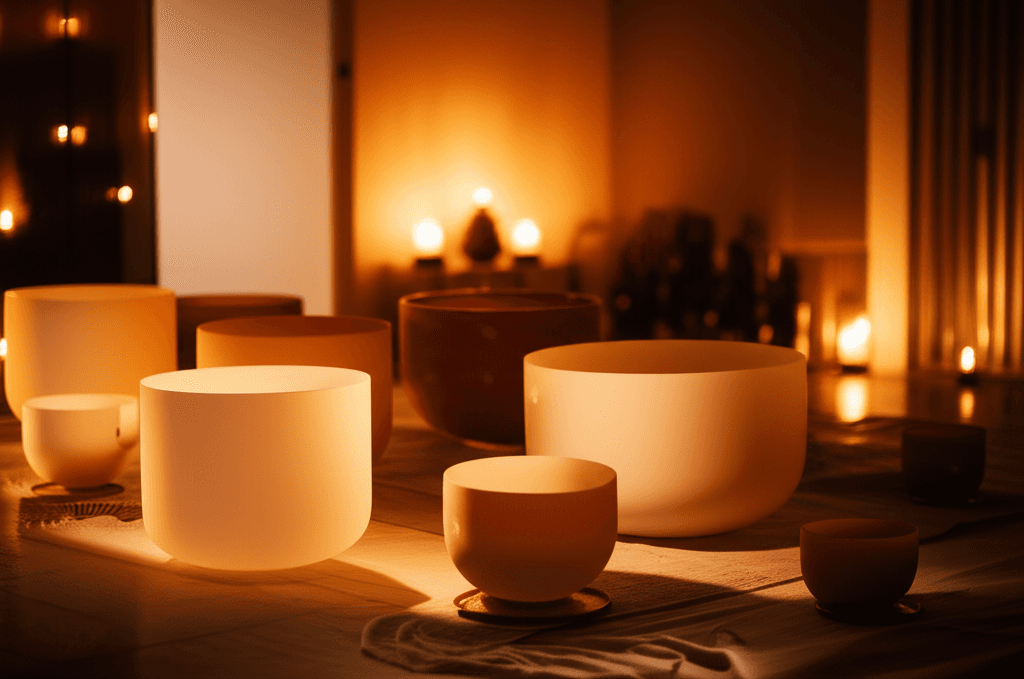
The vibrations of instruments like gongs, crystal singing bowls, and chimes are more than just auditory experiences; they are felt on a cellular level. These vibrations may gently stimulate the vagus nerve, which is central to the parasympathetic nervous system, responsible for rest and digest functions. By activating this system, sound encourages a state of deep relaxation and physiological soothing, thereby nurturing the affiliative and self-soothing systems that are so vital for self-compassion. This gentle process facilitates emotional regulation and provides an opportunity for introspection without the usual harsh internal critic.
The beauty of sound wellness lies in its accessibility. You don’t need to intellectualize or force emotions; you simply allow the sounds to be. This act of surrender, coupled with the inherent safety of the practice, creates fertile ground for self-compassion to take root. Many people report feeling a profound sense of peace, emotional release, and a renewed capacity for kindness towards themselves after a sound session. It's a journey from external noise to internal harmony, paving the way for a more compassionate inner dialogue.
"To truly heal from shame, we must first learn to listen to ourselves with the same gentleness and understanding we offer to those we love most."
The Soul Art Approach: Larissa Steinbach’s Vision for Self-Compassion
At Soul Art, Larissa Steinbach, our founder and lead practitioner, has meticulously crafted an approach that integrates the profound therapeutic potential of sound with the principles of self-compassion. Her vision is to provide a sanctuary where individuals can safely explore and release the burdens of shame, fostering a deep and lasting connection to their inner wisdom and kindness. Larissa understands that shame often thrives in silence and isolation, making the communal yet deeply personal experience of sound wellness particularly potent.
Larissa Steinbach’s method at Soul Art is built upon creating an immersive sensory experience designed to soothe the nervous system and open the heart. She carefully curates each session, selecting specific instruments and frequencies known for their calming and harmonizing properties. The soundscape is often a rich tapestry woven with the ethereal tones of crystal singing bowls, the deep resonance of gongs, the delicate shimmer of chimes, and sometimes, the ancient, grounding vibrations of Himalayan singing bowls. These instruments are not merely played; they are channeled with intention, creating a vibrational field that invites profound relaxation and inner exploration.
What makes the Soul Art method unique is its intentional focus on cultivating an internal environment for self-compassion. Larissa guides participants not just through sound, but through subtle cues for mindful awareness and gentle self-inquiry, all without pressure or judgment. This subtle guidance encourages individuals to observe their internal landscape, including any arising sensations of discomfort or shame, with a newfound sense of detached kindness. The sound acts as a benevolent anchor, allowing emotions to surface and dissipate naturally, rather than becoming entangled in habitual self-criticism.
Larissa's expertise lies in her ability to hold space for deep emotional processing. She explains that the sustained, harmonic frequencies used in Soul Art sessions may encourage brainwave states associated with meditation and deep relaxation, such as alpha and theta waves. In these states, the mind may become more receptive to positive affirmations and gentler self-talk, facilitating the deactivation of the threat defense system and the activation of the self-soothing response. The practice at Soul Art is a gentle invitation to release the grip of shame, to embrace vulnerability, and to re-learn the art of being kind to oneself. It is a testament to the quiet luxury of true inner peace, cultivated through the art and science of sound.
Your Next Steps: Integrating Self-Compassion into Daily Life
The journey of healing shame and embracing self-compassion is a continuous one, extending beyond the studio walls. While sound wellness sessions at Soul Art provide a powerful catalyst for change, integrating self-compassion into your daily life is key to sustained well-being. These practices can help you maintain the gentle, non-judgmental space cultivated during your sound experiences.
Here are 3-5 actionable steps you can implement starting today to nurture self-compassion:
- Practice Mindful Self-Break: When you notice yourself feeling overwhelmed or self-critical, pause for a moment. Acknowledge your suffering, recognize that this is a common human experience, and offer yourself a kind, comforting thought or gesture, much like you would to a friend. This simple act can disrupt negative patterns.
- Engage in Self-Compassionate Writing: Dedicate five minutes each day to write a letter to yourself from the perspective of a compassionate friend. Address your struggles, worries, or self-judgment with warmth, understanding, and encouragement. This can help reframe your inner dialogue.
- Cultivate a Soothing Ritual: Find small, daily activities that bring you comfort and calm. This could be sipping a warm tea mindfully, listening to calming music, or taking a few deep breaths. These rituals reinforce the self-soothing system and remind you to be gentle with yourself.
- Seek Supportive Connections: While self-compassion is internal, shame often thrives in isolation. Share your experiences with a trusted friend, family member, or a support group. Recognizing shared humanity in struggle is a core component of self-compassion.
- Explore Complementary Wellness Practices: Consider how sound wellness can further support your journey. Regular sessions may help to reinforce the neural pathways for self-soothing and relaxation, making daily self-compassion practices feel more natural and accessible.
Remember, cultivating self-compassion is a marathon, not a sprint. Be patient and gentle with yourself throughout the process. Consider exploring the profound support available at Soul Art, where our experiences are designed to complement your personal journey toward greater self-acceptance and inner peace.
In Summary: A Harmonic Path to Healing
Shame is a pervasive and isolating emotion, deeply linked to mental health challenges like PTSD and depression, and perpetuated by rumination. However, the path to recovery is brightly lit by the power of self-compassion. This essential practice, rooted in kindness and understanding towards oneself, actively deactivates our threat response and cultivates inner soothing. It is a scientifically-backed approach that fosters resilience and promotes profound emotional healing.
At Soul Art, Larissa Steinbach and her team harness the ancient yet scientifically resonant power of sound to facilitate this journey. Through carefully curated soundscapes, we create a sanctuary where individuals can gently release the grip of shame and cultivate a compassionate inner world. By embracing sound wellness, you are invited to embark on a transformative experience, guiding you towards greater self-acceptance and enduring well-being.
Bookings Coming Soon
Soul Art is still in preparation. Session details and booking will be published here after launch.
Coming Soon
Wellness Disclaimer: This article is for educational and informational purposes only. It does not constitute medical advice, diagnosis, or treatment. Soul Art Dubai provides non-medical wellness experiences focused on relaxation, stress management, and general wellbeing. Sound wellness is a complementary practice and should not replace professional medical care.
Related Articles

LGBTQ+ Recovery: Sound Wellness for Inclusive Healing & Regulation

Relationship Recovery: The Science of Sound for Intimacy
Soulful Connections: The Science of Shared Sound Practices and Well-being Sponsorship