Shakuhachi Flute: Zen Sound Meditation for Deep Well-being
Key Insights
Discover the ancient wisdom and modern science behind the Shakuhachi flute's meditative power. Explore its unique sound at Soul Art Dubai.
Introduction: Unlocking Profound Peace with the Shakuhachi Flute
Imagine a sound so profound, so utterly unique, that it transcends mere music, becoming a direct conduit to inner peace and stillness. This is the Shakuhachi flute, a Japanese vertical notched oblique bamboo flute with a history deeply entwined with Zen Buddhist practice. Its haunting, ethereal tones have been cherished for centuries as a tool for contemplation and self-cultivation.
At Soul Art, Dubai's premier sound wellness studio, we explore the extraordinary potential of such ancient instruments to foster contemporary well-being. This article delves into the rich history, scientific underpinnings, and practical application of the Shakuhachi, revealing how its "blowing Zen" — known as suizen — can significantly enhance your mindfulness and nervous system regulation. Join us as we uncover why this humble bamboo flute remains a powerful ally in the pursuit of modern tranquility.
The Science of Sonic Stillness: How Shakuhachi Influences the Mind and Body
The Shakuhachi flute, far from being just a musical instrument, functions as a sophisticated biofeedback tool, guiding practitioners into states of deep relaxation and heightened awareness. Its unique sound profile and the specific breathwork involved in its playing offer tangible physiological and psychological benefits. Preliminary studies and anecdotal evidence increasingly support its role as a powerful wellness practice.
A Breath-Based Symphony: Physiology of Shakuhachi Sound
Playing or mindfully listening to the Shakuhachi inherently involves deep, conscious breathing, a practice known to activate the parasympathetic nervous system. This activation is crucial for shifting the body from a "fight or flight" response to a state of "rest and digest." Scientific studies on breath-based practices reveal significant reductions in stress hormones like cortisol and improvements in mental focus.
The deep, sustained exhalations required for Shakuhachi playing also engage the diaphragm more fully, enhancing lung capacity and promoting a steady, rhythmic breath. This diaphragmatic breathing has been associated with stimulating the vagus nerve, which plays a central role in heart rate variability, emotional regulation, and overall stress resilience. Such physiological gains, including better posture and deepened lung capacity, are frequently reported by those who engage with the instrument.
Brainwave Entrainment and Auditory Processing
The distinctive timbre of the Shakuhachi, characterized by its microtonal alterations of pitch and tone color, resonates with the brain's auditory processing centers in unique ways. Unlike Western music that often prioritizes harmony and complex melodies, Shakuhachi music emphasizes the sonic impermanence of each note and the profound relationship between sound and silence. This focus can facilitate brainwave entrainment, guiding brain activity towards slower, more relaxed states.
- Alpha Waves (8-12 Hz): Often associated with a relaxed, alert state, perfect for mindful contemplation.
- Theta Waves (4-8 Hz): Linked to deep relaxation, meditation, creativity, and reduced anxiety.
The long, sustained tones and the inherent spaciousness in Shakuhachi compositions may support the brain in transitioning to these meditative states, fostering a sense of calm and present moment awareness. This approach, where much of the expression happens through subtle sound variation, creates what has been described as "tone-color melodies," profoundly affecting the listener's emotional and cognitive landscape.
Experiencing Suizen: The Practice of Blowing Zen
The essence of the Shakuhachi experience lies in suizen, or "blowing Zen" — a practice where the act of playing becomes a form of moving meditation, akin to zazen (seated meditation). This deep engagement with sound and breath is not about performance or entertainment; it is about self-cultivation and a profound connection to the present moment. Many people report that engaging with Shakuhachi music or practice offers heightened mindfulness and deep visceral experiences.
The unique sound of the Shakuhachi is often described as mysterious, deep, and capable of evoking a sense of ancient wisdom. Each note, born from the player's breath, is unrepeatable, emphasizing the Zen concept of impermanence and the beauty of imperfection. The concentration on the timbre, the slow evolution of music, and the intimate relationship between sounds and silence all enhance the experience of non-linearity, a method used to stay in the present moment.
"Sound is emptiness, form is emptiness. It allows the listener to capture the essence."
For the komusō monks of the Fuke sect, who embraced the Shakuhachi in the Edo period, playing honkyoku solo pieces was a discipline equal to zazen. Each breath, each note, was an exhalation of mu (nothingness), at the very heart of Zen teaching. The flute's natural imperfections symbolized the beauty of impermanence, inviting a deep union between human, nature, noise, sound, and silence. This practice blurs boundaries, fostering a sense of interconnectedness.
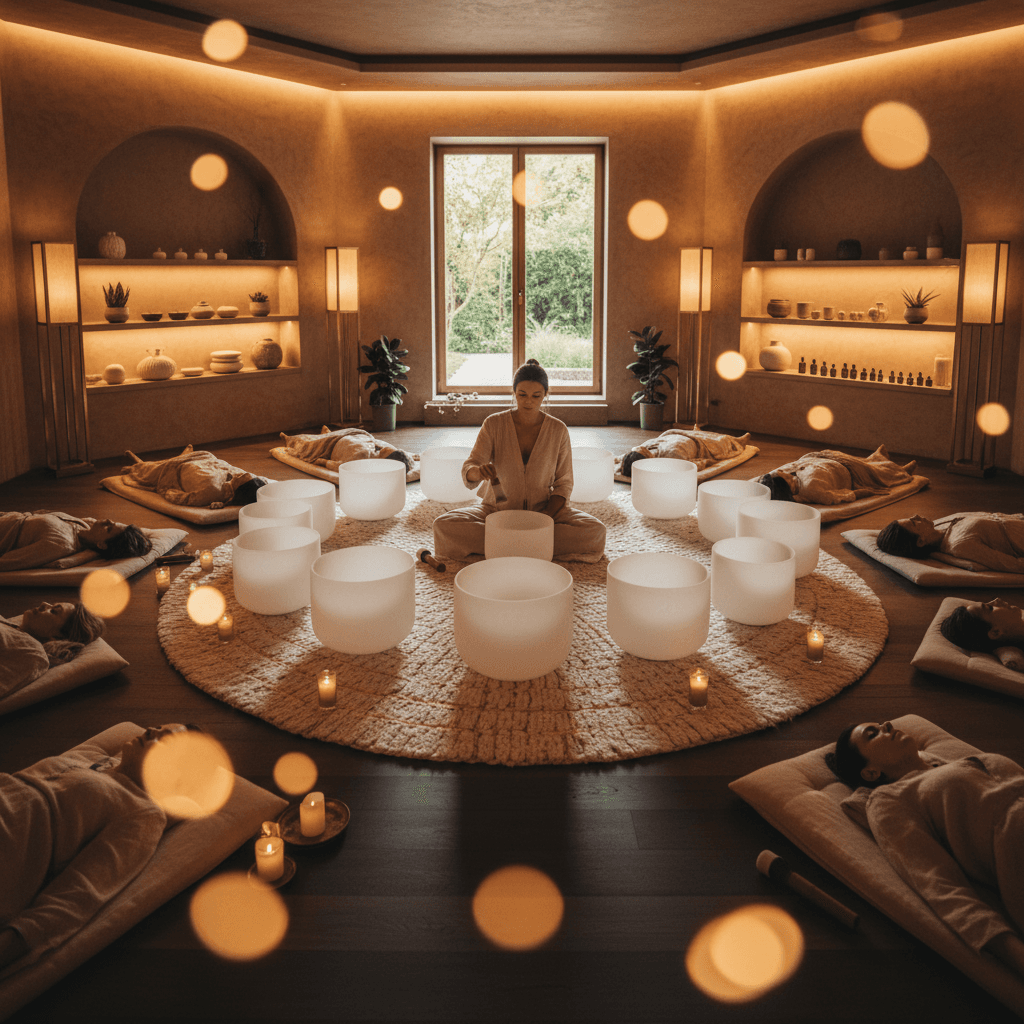
When listening, clients at Soul Art often report a profound sense of grounding and tranquility, as if the sound itself guides them inwards. The interplay of sound, silence, and the subtle variations in timbre create a soundscape that encourages active listening centered on a visceral experience. This often leads to a deeper, more peaceful mindset, supporting overall well-being.
Larissa Steinbach's Vision: Harmonizing Ancient Wisdom with Modern Wellness at Soul Art
At Soul Art, Larissa Steinbach curates sound wellness experiences that bridge ancient traditions with contemporary needs, and the Shakuhachi flute holds a special place in this philosophy. Recognizing its unique meditative qualities and profound historical roots, Larissa integrates the Shakuhachi into bespoke sound journeys designed to restore the nervous system and foster inner harmony for Dubai's discerning clientele. She understands that the inherent meditative power of the instrument offers a direct and elegant path to stress management and enhanced well-being.
The Soul Art method, under Larissa's guidance, emphasizes deep listening and the creation of serene, immersive environments. While the Shakuhachi's traditional repertoire, honkyoku, was originally intended for solo contemplation, Larissa skillfully incorporates its unique soundscapes to facilitate group and individual meditations. She focuses on the instrument's capacity to guide breath awareness and encourage a state of mindful presence, connecting participants to their deepest selves.
What makes the Soul Art approach unique is its meticulous attention to the subtle nuances of sound and their impact on the human psyche. Larissa Steinbach utilizes the Shakuhachi to create resonant fields that may support emotional release, mental clarity, and profound relaxation. By honoring the instrument's spiritual heritage while adapting its principles for modern wellness, Soul Art offers an unparalleled opportunity to experience the therapeutic frequencies of this ancient Zen flute.
Your Next Steps: Embracing the Bamboo Way for Inner Harmony
The journey to incorporating the meditative power of the Shakuhachi into your life begins with conscious awareness and gentle practice. Even without playing the instrument yourself, you can harness its essence for deeper well-being. Here are some actionable steps you can take today to cultivate greater peace and presence:
- Mindful Listening: Seek out recordings of traditional Shakuhachi honkyoku (e.g., Stan Richardson, Riley Lee). Find a quiet space, close your eyes, and simply listen, allowing the sounds and silences to wash over you without judgment. Pay attention to how the unique timbres affect your body and mind.
- Breath Awareness: Integrate conscious breathing exercises into your daily routine. Focus on deep, diaphragmatic breaths, similar to those used in Shakuhachi playing. Inhale slowly through your nose, letting your belly expand, and exhale gently through your mouth, releasing tension.
- Create a Serene Environment: Designate a specific area in your home as a sanctuary for reflection and relaxation. This space could include soft lighting, natural elements, and be free from digital distractions, encouraging a calmer state conducive to listening or meditation.
- Explore Complementary Practices: Consider pairing your Shakuhachi listening with gentle yoga, stretching, or mindful journaling. These practices can amplify the benefits of relaxation and self-awareness, fostering a holistic approach to your well-being.
- Experience Expert Guidance: For a truly immersive and transformative experience, consider visiting a professional sound wellness studio. Experiencing the Shakuhachi in a guided session can deepen your understanding and personal connection to its profound benefits.
Ready to restore your nervous system and discover deep relaxation with the timeless wisdom of the Shakuhachi?
Bookings Coming Soon
Soul Art is still in preparation. Session details and booking will be published here after launch.
Coming Soon
In Summary: Unlock Profound Peace with the Shakuhachi
The Shakuhachi flute, a Japanese vertical bamboo instrument, is more than just a musical tool; it is a profound conduit for Zen sound meditation. Its history is deeply rooted in the practices of komusō monks, who embraced suizen (blowing Zen) for spiritual cultivation. Scientifically, its unique, breath-based sounds may support stress reduction, vagal nerve activation, and brainwave entrainment, fostering deep relaxation and heightened mindfulness.
Through its emphasis on sonic impermanence and the interplay of sound and silence, the Shakuhachi offers a path to profound inner peace and nervous system regulation. At Soul Art, Larissa Steinbach harnesses this ancient wisdom to create bespoke sound wellness experiences, guiding you towards enhanced well-being and a calmer state of being. Discover the timeless tranquility that this sacred bamboo flute can bring to your life.
Related Articles
Maori Poi & Sound: Pacific Traditions for Modern Well-being
Swedish Nyckelharpa: The Science of Nordic String Healing
Apollo's Ancient Echoes: Sound Healing & Holistic Wellness