Harmonizing Safely: Sound Wellness for Seizure Support
Key Insights
Explore seizure-safe sound practices, understanding the science behind nervous system regulation and how sound wellness can complement holistic wellbeing. Discover Soul Art's expert approach with Larissa Steinbach.
Harmonizing Safely: Sound Wellness for Seizure Support
The unpredictable nature of seizures can be a profound source of distress, not only for individuals experiencing them but also for their caregivers. In the ongoing quest for holistic well-being and complementary practices, the potential role of sound in nervous system regulation has garnered significant interest. However, for those managing seizure conditions, safety is paramount.
This article delves into the scientifically-informed guidelines for incorporating sound practices in a seizure-safe manner. We will explore the nuanced relationship between sound, the brain, and the nervous system, drawing from research on conditions ranging from functional seizures to certain types of epilepsy. Our aim is to demystify how carefully curated sound environments, like those offered at Soul Art by Larissa Steinbach, can contribute to a profound sense of calm and support overall well-being as a complementary practice.
Understanding the underlying mechanisms allows us to craft experiences that prioritize safety while harnessing the deeply restorative potential of sound. Join us as we explore how intentional sound can become a gentle ally in fostering a more regulated and peaceful internal state.
The Science Explained: Sound, Brain, and Nervous System Regulation
The human nervous system is exquisitely sensitive to auditory input, with sound waves directly influencing our physiological and psychological states. For individuals managing seizure conditions, this sensitivity requires a particularly informed and cautious approach to sound wellness. Understanding the different types of seizures and how sound interacts with the brain’s electrical activity is fundamental to creating a truly supportive environment.
Understanding Seizures: Beyond the Surface
Seizures are transient episodes of altered consciousness and/or involuntary movements resulting from abnormal excessive or synchronous neuronal activity in the brain. They can manifest in various forms and are broadly categorized into epileptic seizures and functional seizures. Epileptic seizures arise from identifiable brain dysfunction, often managed with medication and lifestyle adjustments.
Functional seizures, alternatively known as dissociative seizures or psychogenic non-epileptic seizures, are conceptualized to be driven by episodic dissociation or other cognitive-affective mechanisms. These episodes resemble epileptic seizures but do not involve the same kind of abnormal electrical activity in the brain. Research highlights the importance of psychological interventions in their management, aiming to reduce stigma and improve patient outcomes.
Both types of seizures underscore the importance of understanding individual triggers and responses. The unpredictable nature of seizures makes reliable detection challenging, with many devices focusing on movement and physiological signs, often encountering issues with false positives or missed events. This unpredictability reinforces the need for carefully considered wellness practices.
The Neurological Impact of Sound
Sound, at its core, is vibration, and these vibrations translate into electrical signals in the brain. Different frequencies and intensities of sound can influence brainwave activity, heart rate, respiration, and muscle tension. Some research suggests that specific musical compositions, such as Mozart's Sonata for Two Pianos in D major, K. 448, have been associated with a reduction in both seizures and interictal epileptiform discharges (IEDs) in some individuals with epilepsy.
However, it is crucial to note that studies on the "Mozart effect" show significant heterogeneity, and other musical exposures, such as Hayden's Symphony No. 94, have even been reported as "pro-epileptic" in some contexts. This highlights that not all sounds are universally beneficial and some may even act as triggers. The specific characteristics of sound, including rhythm, melody, harmony, and frequency, play a critical role in its neurological effects. Therefore, a highly individualized and cautious approach is essential.
Polyvagal Theory: The Science of Safety
A cornerstone of understanding how sound influences our sense of safety and well-being is Dr. Stephen Porges's Polyvagal Theory. This theory focuses on the vagus nerve, a crucial component of the autonomic nervous system, explaining how our sense of safety or danger impacts our behavior and physiological state. The Polyvagal Theory posits that our nervous system is constantly scanning for cues of safety or threat, dynamically shifting between states of social engagement, mobilization (fight-or-flight), and immobilization (freeze).
Sound, particularly the human voice and carefully modulated music, can directly influence the vagus nerve, promoting a state of ventral vagal activation associated with feelings of safety, connection, and calm. This physiological shift is foundational to many "bottom-up" therapies aimed at nervous system regulation. The Safe and Sound Protocol (SSP), developed by Dr. Porges, is an evidence-based intervention using specially filtered music to stimulate the vagus nerve, supporting nervous system regulation and improving social engagement.
Preliminary research on SSP has shown statistically significant improvements in auditory processing, sociality, and vagal regulation of the heart in various populations, including those with autism spectrum disorder, PTSD, and anxiety disorders. While the evidence base for Polyvagal Theory and SSP is still emerging, and larger trials are needed, it offers a promising framework for how specific sound interventions may support a state of physiological calm, which in turn may support a more stable nervous system. This approach emphasizes creating an environment where the nervous system feels safe, a critical consideration for individuals with seizure conditions.
"The nervous system, when given the right cues of safety through sound, has an incredible capacity to shift from states of distress to profound calm, fostering an environment where healing and regulation can gently unfold."
How It Works in Practice: Creating a Seizure-Safe Sound Experience
Translating scientific understanding into practical, safe sound wellness experiences requires meticulous attention to detail and an unwavering commitment to client well-being. For individuals with seizure conditions, the goal is to create an environment that minimizes potential triggers, maximizes feelings of safety, and gently guides the nervous system toward a state of calm. This involves a highly personalized approach, informed by the client's medical history and individual sensitivities.
Individualized Assessment and Environment Control
The first and most critical step in providing seizure-safe sound practice is a thorough pre-session consultation. This involves understanding the client’s specific seizure type, known triggers (e.g., flashing lights, loud or sudden noises, specific frequencies), any associated auras, and current medical management. It is essential for clients to discuss their participation in sound wellness with their medical professionals. Our role at Soul Art is to complement, not replace, medical care.
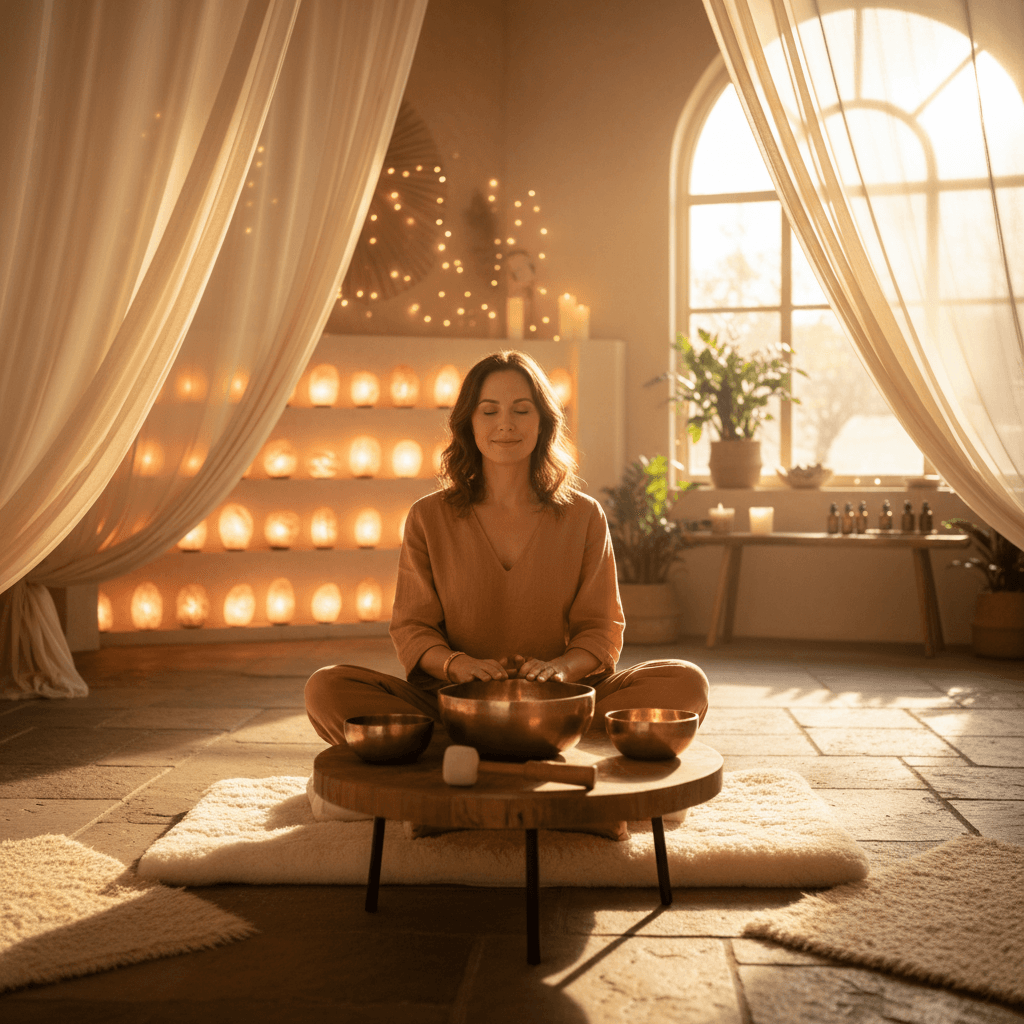
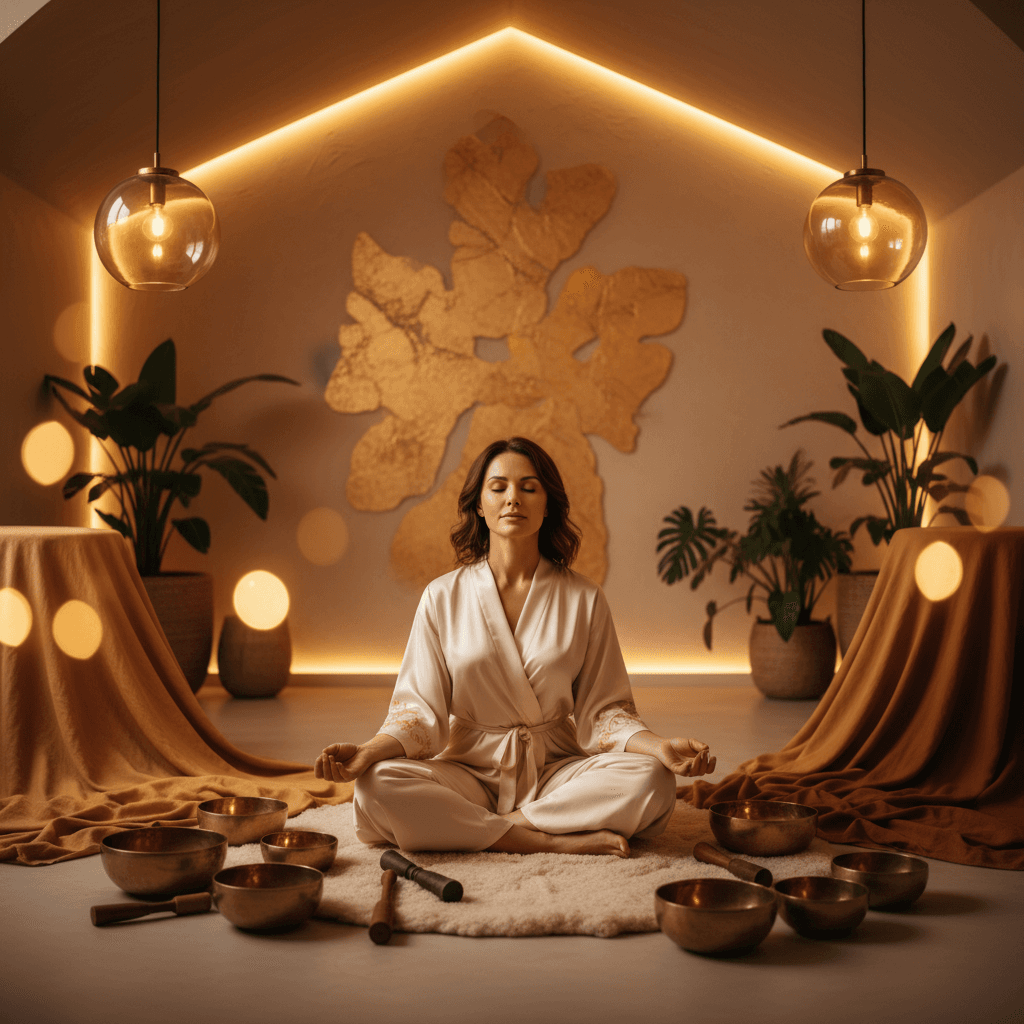
The physical environment of the sound studio is carefully controlled to eliminate common triggers. This includes ensuring soft, consistent lighting, avoiding strobe effects or flickering lights, and maintaining a comfortable room temperature. Acoustic considerations are paramount, focusing on creating a serene space that absorbs jarring echoes and provides a gentle, enveloping sound experience. The absence of sudden, unexpected sounds is a cornerstone of our practice.
Curated Soundscapes and Gentle Progression
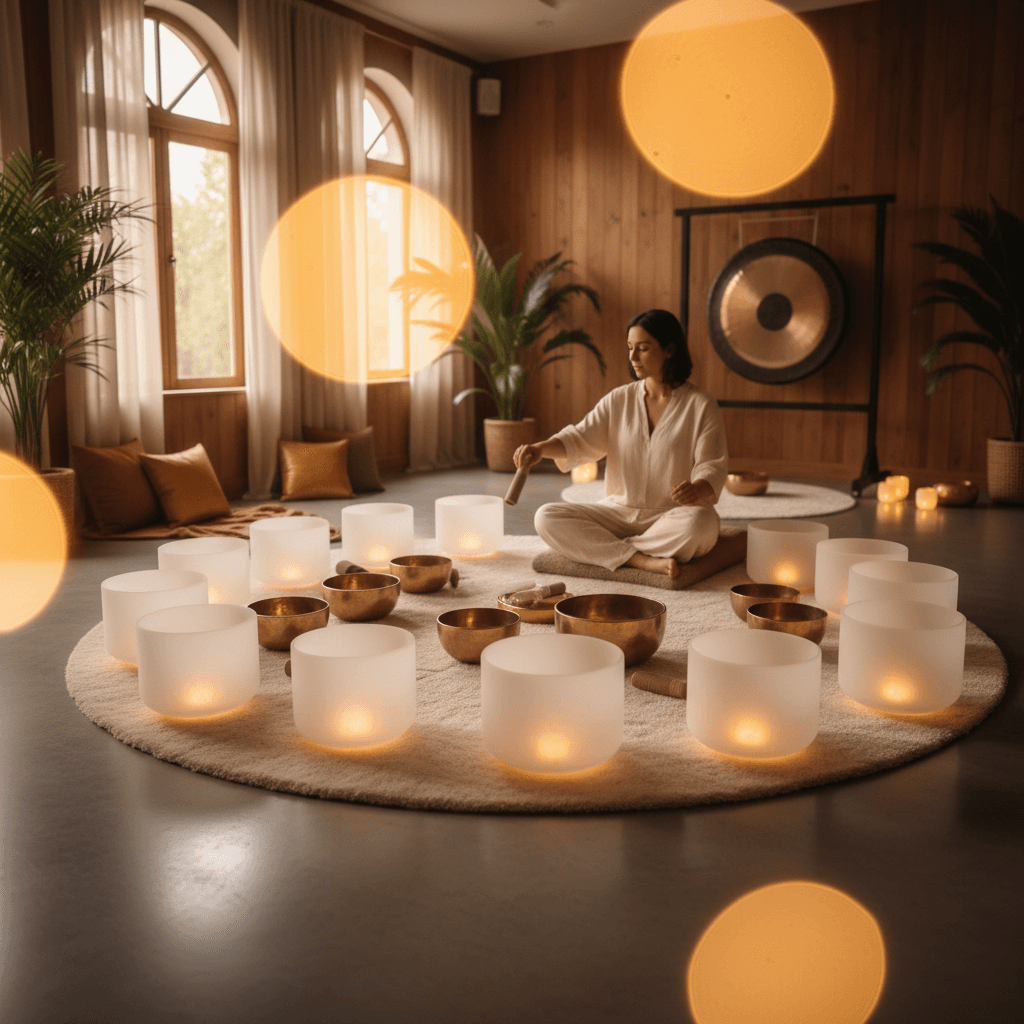
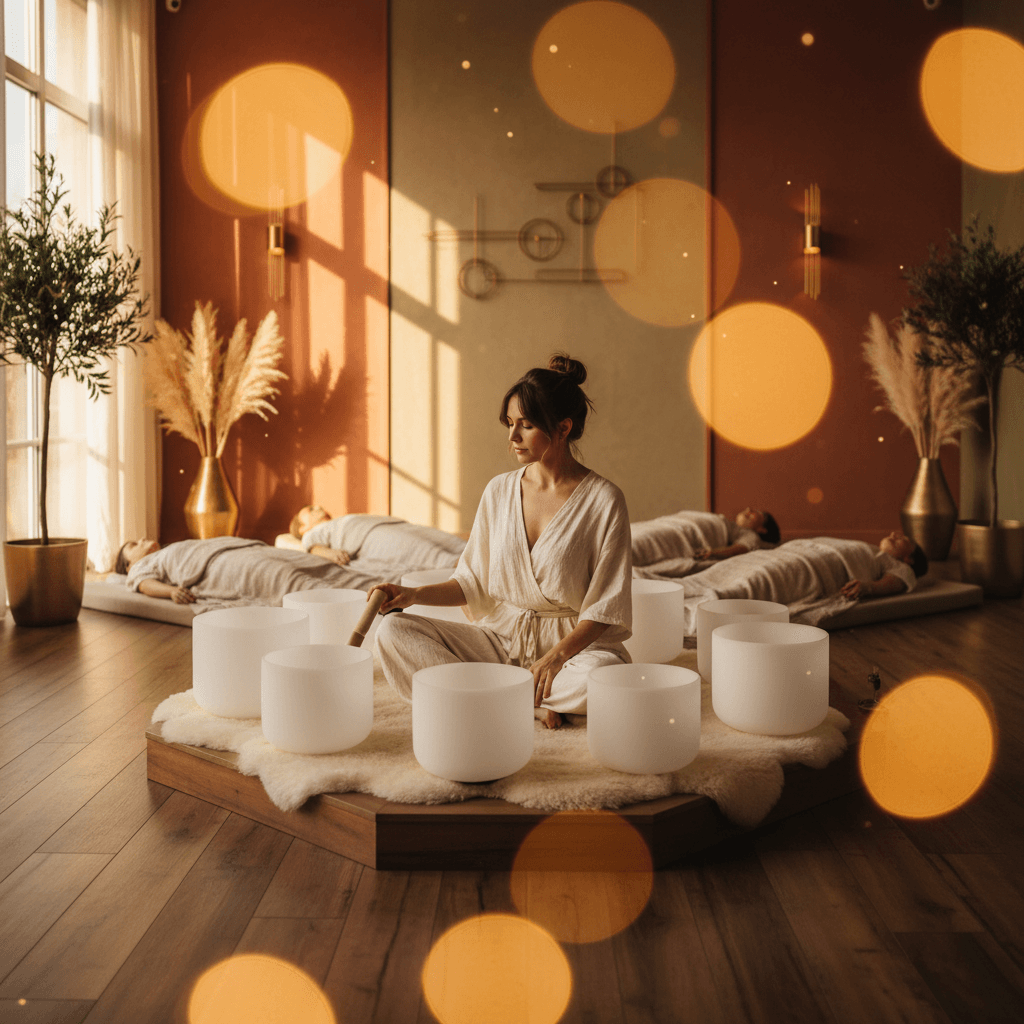
Soundscapes for individuals with seizure conditions are meticulously curated to be gentle, continuous, and free from abrupt changes in volume, tempo, or frequency. We prioritize sounds known for their calming effects, such as sustained tones from crystal singing bowls, the deep resonance of gongs played softly, and the delicate tinkling of chimes. These instruments produce complex, rich harmonic structures that can be profoundly soothing without being overly stimulating.
Instead of focusing on specific "anti-epileptic" frequencies, which are highly variable and not universally proven, the emphasis is on creating a consistent, stable auditory field that cues the nervous system toward safety. The sound journey typically progresses gradually, starting with very subtle sounds and slowly building intensity, allowing the client's nervous system to acclimate comfortably. This gentle progression prevents any sudden sensory overload that might act as a trigger.
Fostering a Sense of Presence and Regulation
During a sound session, the practitioner’s presence and guidance are integral to fostering a sense of security. Clients are encouraged to focus on their breath and body sensations, allowing the gentle sounds to support their journey into relaxation. The sound experience is designed to be a "bottom-up" approach, meaning it works by influencing physiological states first, which then may support mental and emotional calm.
Many people report that these carefully constructed sound environments help quiet an overactive mind, reduce muscle tension, and promote a deeper state of relaxation. For individuals managing seizures, supporting nervous system regulation through such practices can be a valuable self-care tool, helping to manage stress and cultivate a greater sense of peace and internal stability. The sensory details are carefully considered: the feeling of soft blankets, the subtle aromas, and the ambient temperature all contribute to a holistic feeling of being safe and supported.
The Soul Art Approach: Larissa Steinbach's Philosophy
At Soul Art, Dubai's premier sound wellness studio, Larissa Steinbach’s approach to sound practice, especially for sensitive populations, is rooted in deep respect for individual needs and a commitment to evidence-informed wellness. Her philosophy centers on creating a sanctuary where every client feels profoundly safe, seen, and supported. This is particularly crucial when addressing the delicate balance required for seizure-safe sound practices.
Holistic and Personalized Wellness
Larissa Steinbach believes that true well-being arises from a holistic integration of mind, body, and spirit. Her method extends beyond merely playing instruments; it involves creating a deeply personalized experience tailored to each individual's unique energetic blueprint and health considerations. For clients with seizure conditions, this means an initial, in-depth consultation is paramount. This allows Larissa to gather critical information about their specific condition, known triggers, and comfort levels, ensuring that every session is thoughtfully designed for optimal safety and benefit.
Her approach is not about treating medical conditions but rather about offering a complementary path to enhance nervous system resilience, manage stress, and cultivate profound relaxation. She emphasizes empowering clients with tools for self-regulation, recognizing that a calm and balanced nervous system may support overall physiological stability.
The Art of Intentional Sound Crafting
What makes the Soul Art method unique is Larissa’s expertise in intentionally crafting soundscapes that prioritize safety and gentle restoration. She utilizes a carefully selected array of instruments, including high-quality crystal singing bowls, Himalayan singing bowls, symphonic gongs, and a variety of chimes and percussion. For seizure-safe practices, the emphasis is on:
- Controlled Frequencies and Volume: Avoiding sudden, jarring sounds, high-pitched frequencies, or overwhelming volumes that could act as sensory triggers. The focus is on sustained, resonant tones that gently lull the nervous system.
- Harmonic Richness: Utilizing instruments that produce rich, complex overtones known for their soothing qualities. These sounds create a feeling of being enveloped, fostering a sense of peace without creating dissonance.
- Intuitive Sequencing: Larissa intuitively guides the sound journey with a deep understanding of pacing and progression. Each sound is introduced and allowed to fade naturally, ensuring a seamless and non-disruptive flow.
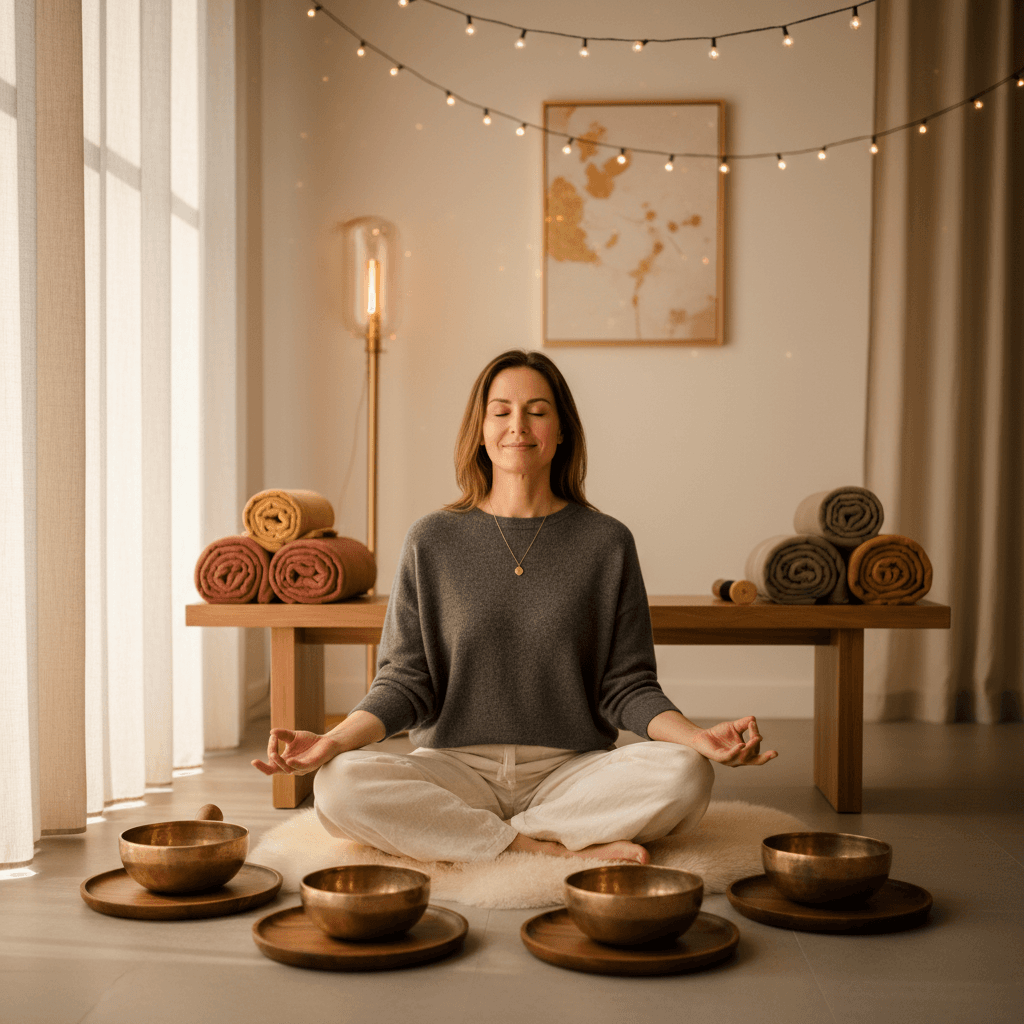
- Environmental Cues: Beyond sound, Larissa ensures the entire studio environment reinforces safety – from the calming aesthetics and comfortable cushions to controlled lighting and temperature.
Larissa's profound understanding of sound frequencies and their interaction with the human energy field allows her to create an atmosphere of profound tranquility. She continuously educates herself on current research, including insights from Polyvagal Theory and the Safe and Sound Protocol, to inform her practice and enhance client well-being within a wellness framework.
Commitment to Safety and Informed Practice
Larissa Steinbach's dedication to client safety is unwavering. She maintains clear communication with clients and encourages open dialogue throughout the session. Should a client feel any discomfort, the session can be immediately adjusted or paused. Soul Art operates with the understanding that sound wellness is a powerful, yet complementary, practice. It is presented as a tool for stress management, relaxation, and self-care, always with the explicit understanding that it does not replace medical consultation or treatment for seizure conditions. This commitment to informed practice and client empowerment is at the core of the Soul Art experience.
Your Next Steps: Embracing Sound Wellness Safely
Integrating sound wellness into your routine, especially when managing a seizure condition, is a personal journey that requires thoughtful consideration and a proactive approach. The goal is to safely explore how sound can become a supportive tool for relaxation and nervous system regulation. Here are some actionable steps you can take:
- Consult Your Medical Professional: Before engaging in any new wellness practice, particularly sound baths or specialized sound protocols, it is crucial to discuss it with your neurologist or primary care physician. They can provide guidance based on your specific seizure type, triggers, and current medical treatment. Ensure they understand it is a complementary relaxation practice.
- Communicate Thoroughly with Your Practitioner: When contacting a sound wellness studio like Soul Art, be open and honest about your seizure condition, including any known triggers, auras, and medications. Larissa Steinbach and her team require comprehensive intake forms to understand your needs and tailor an appropriate experience.
- Start Gently and Gradually: Begin with individual sessions rather than group settings to allow for maximum customization and control over the sound environment. Request a session focused on very gentle, sustained tones and lower volumes. Observe your body’s responses and communicate any sensations immediately.
- Focus on Environmental Control: Inquire about the studio's ability to control lighting, temperature, and ensure an absence of sudden noises. A practitioner experienced in working with sensitive clients will prioritize creating a profoundly safe and calm space.
- Practice Mindful Self-Observation: Pay close attention to how you feel before, during, and after a sound session. Note any changes in your mood, stress levels, or physical sensations. This self-awareness is key to understanding what works best for your unique nervous system.
By taking these thoughtful steps, you can explore the potential benefits of sound wellness as a complementary approach to managing stress and promoting a sense of calm. Embracing sound safely can empower you on your journey towards holistic well-being.
In Summary: A Path to Harmonious Well-being
Navigating life with a seizure condition involves continuous dedication to well-being, often encompassing a blend of medical management and complementary practices. Sound wellness, when approached with rigorous safety protocols and informed by scientific understanding, presents a valuable avenue for nervous system regulation and stress reduction. From the insights of Polyvagal Theory to the careful curation of soundscapes, the focus remains on fostering a profound sense of safety and calm.
At Soul Art, Larissa Steinbach champions an individualized, empathetic approach, ensuring that every sound experience is meticulously crafted to support holistic well-being without making any medical claims. Our studio is dedicated to providing a sanctuary where clients can explore the gentle, restorative power of sound. By prioritizing open communication and a commitment to evidence-informed practices, Soul Art invites you to discover a harmonious path toward greater internal peace and resilience.
Bookings Coming Soon
Soul Art is still in preparation. Session details and booking will be published here after launch.
Coming Soon
Wellness Disclaimer: This article is for educational and informational purposes only. It does not constitute medical advice, diagnosis, or treatment. Soul Art Dubai provides non-medical wellness experiences focused on relaxation, stress management, and general wellbeing. Sound wellness is a complementary practice and should not replace professional medical care.