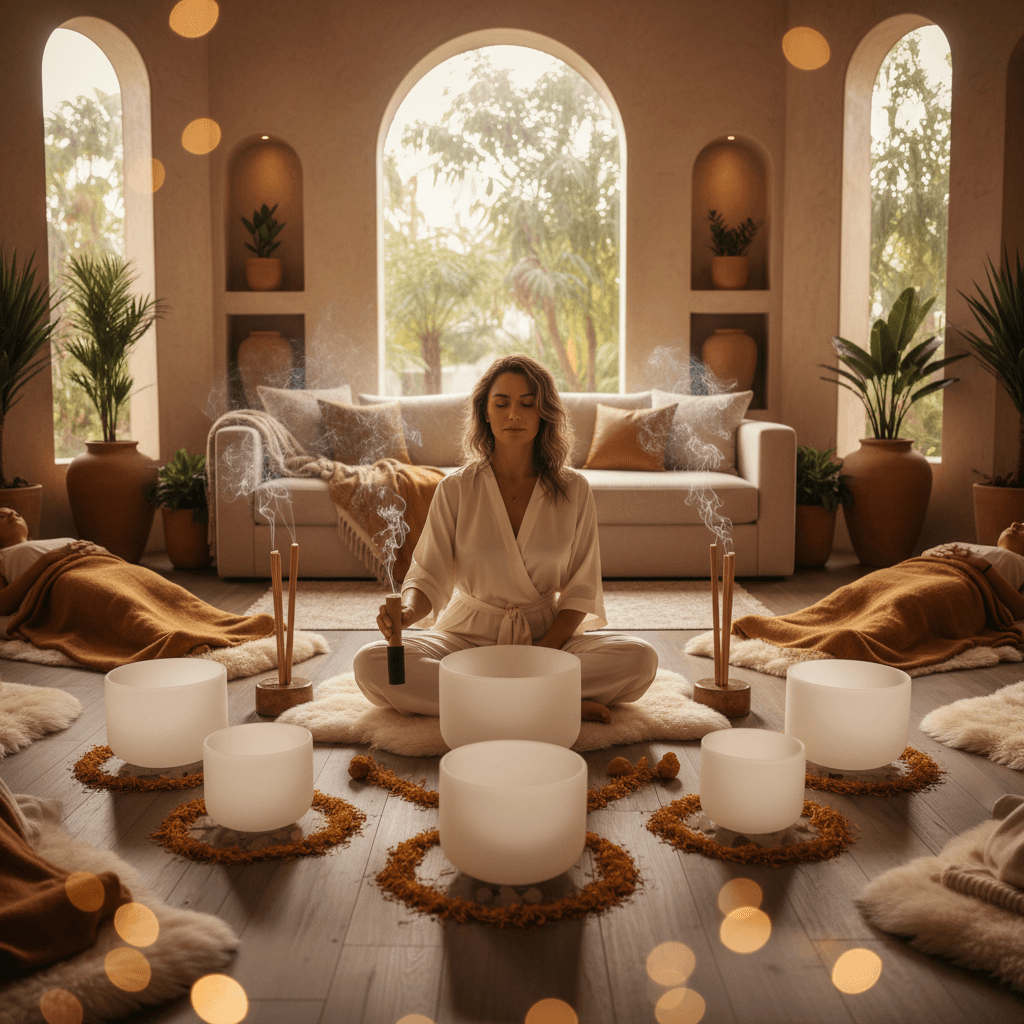
Seasonal Sounds: Harmonizing Your Well-being with Nature's Rhythms
Key Insights
Discover how the changing seasons influence your mood, cognition, and sound preferences, and how Soul Art Dubai offers tailored sound wellness to align with nature's rhythms.
Seasonal Sounds: Harmonizing Your Well-being with Nature's Rhythms
Did you know that the season outside your window might be subtly influencing your preference for a contemplative jazz piece over an upbeat electronic track, or even affecting your ability to focus? From the vibrant energy of spring to the introspective quiet of winter, the natural world orchestrates a symphony of changes that deeply resonate with our inner selves. These shifts are not merely aesthetic; they profoundly impact our mood, cognitive function, and even our physiological rhythms.
At Soul Art, Dubai's premier sound wellness studio, we understand that true well-being comes from aligning with these innate patterns. This article delves into the fascinating science behind seasonal influences on human psychology and sound preferences. We will explore how different seasons call for distinct sonic landscapes, and how Larissa Steinbach, founder of Soul Art, expertly crafts sound journeys to help you harmonize with nature's ever-changing rhythms.
Join us as we uncover the scientific intricacies of seasonal sounds and discover practical ways to use sound as a powerful tool for enhanced relaxation and mental clarity throughout the year. Your journey towards seasonal balance begins here, guided by the profound wisdom of sound.
The Science Explained: How Seasons Shape Our Inner World
The concept of seasonal influence on human behavior and physiology is far from new, yet modern scientific research continues to reveal its intricate depths. Our preferences, our cognitive abilities, and even our cellular processes subtly shift with the turning of the earth, creating a dynamic interplay between our internal state and the external environment. Understanding these rhythms is key to fostering holistic well-being.
The Environmental Security Hypothesis and Musical Preferences
Groundbreaking research offers compelling evidence that our musical tastes are not static but evolve with the seasons. A study by Pettijohn II, Williams, and Carter (2010) explored music preferences in college students, revealing a distinct pattern linked to seasonal primes. Participants tended to prefer specific music genres depending on whether they were contemplating fall, winter, spring, or summer scenarios.
During the more introspective and often challenging periods of fall and winter, individuals showed a preference for what researchers termed "reflective and complex" music. This category includes genres such as blues, jazz, classical, and folk music. The study suggested these choices align with times that may be perceived as more "taxing," leading individuals to seek out meaningful and thought-provoking sonic experiences.
Conversely, when primed for the vibrant spring and summer months, participants gravitated towards "energetic and rhythmic" music. This encompassed genres like rap/hip-hop, soul/funk, and electronica/dance music. These preferences align with periods often associated with relaxation, heightened activity, and a desire for more lively and active soundscapes. This phenomenon is consistent with the Environmental Security Hypothesis, which posits that during more difficult times, individuals choose stimuli that reflect current environmental conditions, seeking solace or meaning.
Seasonal Impacts on Cognitive Function and Brain Responses
Beyond mere preference, the seasons exert a profound influence on our cognitive abilities. Research published in PNAS highlighted seasonal variations in the cognitive performance of healthy young people. Their ability to maintain sustained attention, for instance, was found to be at its maximum around the winter solstice, gradually decreasing to its minimum around the summer solstice.
Similarly, performance on working memory tasks, which involve storing, updating, and comparing information, was observed to be highest in the autumn and lowest in the spring. These findings suggest that our brains are inherently tuned to seasonal shifts, with specific cognitive functions peaking at different times of the year. This is not simply a matter of mood, but an endogenous, physiological rhythm.
Further studies have shown that even healthy individuals experience previously unappreciated annual variations in cerebral activity required for ongoing cognitive processes. This means that the brain’s efficiency and the way it responds to cognitive tasks can fluctuate significantly throughout the year. Researchers note that these rhythms are often cognitive-process-specific, implying a complex and nuanced impact of season on overall brain function. Even older adults, including those with Alzheimer's disease, show more severe symptoms in winter and early spring, with improved cognitive performance in late summer and early autumn, correlating with levels of amyloid beta protein.
Beyond Mood: Physiological Rhythms and Environmental Shifts
While seasonal affective disorder (SAD) and the "winter blues" are well-known examples of seasonal mood shifts, the biological impact extends far beyond emotional states. Dr. Cathy Wyse from the University of Edinburgh emphasizes that seasonal changes in human mood are "endogenous – that they’re part of our physiology." This means our biology is deeply intertwined with the annual cycle of light and darkness, temperature, and other environmental cues.
Researchers leveraging large-scale data resources have discovered fluctuations in the expression of over 4,000 protein-coding genes in white blood cells and fat across the year. The cellular composition of blood itself also changes seasonally. Our sleep patterns are also affected; studies have found that in winter, people tend to sleep longer but often experience increased sleeplessness, leading to less restorative rest compared to summer months.
Even the natural soundscapes around us exhibit seasonal variations. Passive acoustic monitoring studies on marine mammals, for example, reveal that their vocal presence, and thus ambient noise levels in their habitats, can show distinct seasonal patterns. Furthermore, climate change is subtly altering the very definition of our seasons. Reports from the EPA indicate that in the Northern Hemisphere, summers have grown longer between 1952 and 2011, while winter, autumn, and spring have become shorter. Winters, in particular, are warming at the highest rate. These environmental shifts contribute to an evolving backdrop against which our own internal seasonal rhythms play out.
"Our human experience is not separate from the natural world; it is a profound echo of its cycles. When we attune to the rhythm of the seasons, we unlock deeper layers of well-being and understanding."
How It Works in Practice: Responding to Seasonal Needs with Sound
Understanding the science behind seasonal influences allows us to approach wellness with greater intention and precision. Sound, with its immediate and profound impact on the human system, emerges as an incredibly powerful tool for navigating these shifts. By consciously selecting and experiencing sounds that resonate with the prevailing season, we can proactively support our mood, enhance cognitive function, and cultivate a deeper sense of balance.
Imagine the crisp, cool air of autumn and the reflective mood it often evokes. Scientifically, this season sees working memory at its peak and a preference for complex, meaningful music. In practice, this translates to a desire for sound experiences that foster introspection, support deep thought, and allow for emotional processing. Sounds that are rich, layered, and perhaps a little melancholic can be incredibly grounding and supportive during this time. Think of the deep resonance of gongs, the haunting beauty of singing bowls, or the intricate melodies of classical music that encourage contemplation.
As winter sets in, bringing shorter days and a natural inclination towards rest and introspection, the scientific findings suggest sustained attention is at its maximum. This period often calls for sounds that are deeply calming, nurturing, and conducive to inner quiet. Reflective music, as identified by research, can provide solace and a sense of security during these darker months. Low-frequency vibrations from large gongs, gentle chimes, or ambient soundscapes can create a cocoon of comfort, helping to soothe the nervous system and support restorative sleep, which often declines in quality during winter despite increased duration. These sounds may help mitigate the "winter blues" and support a sense of inner peace.
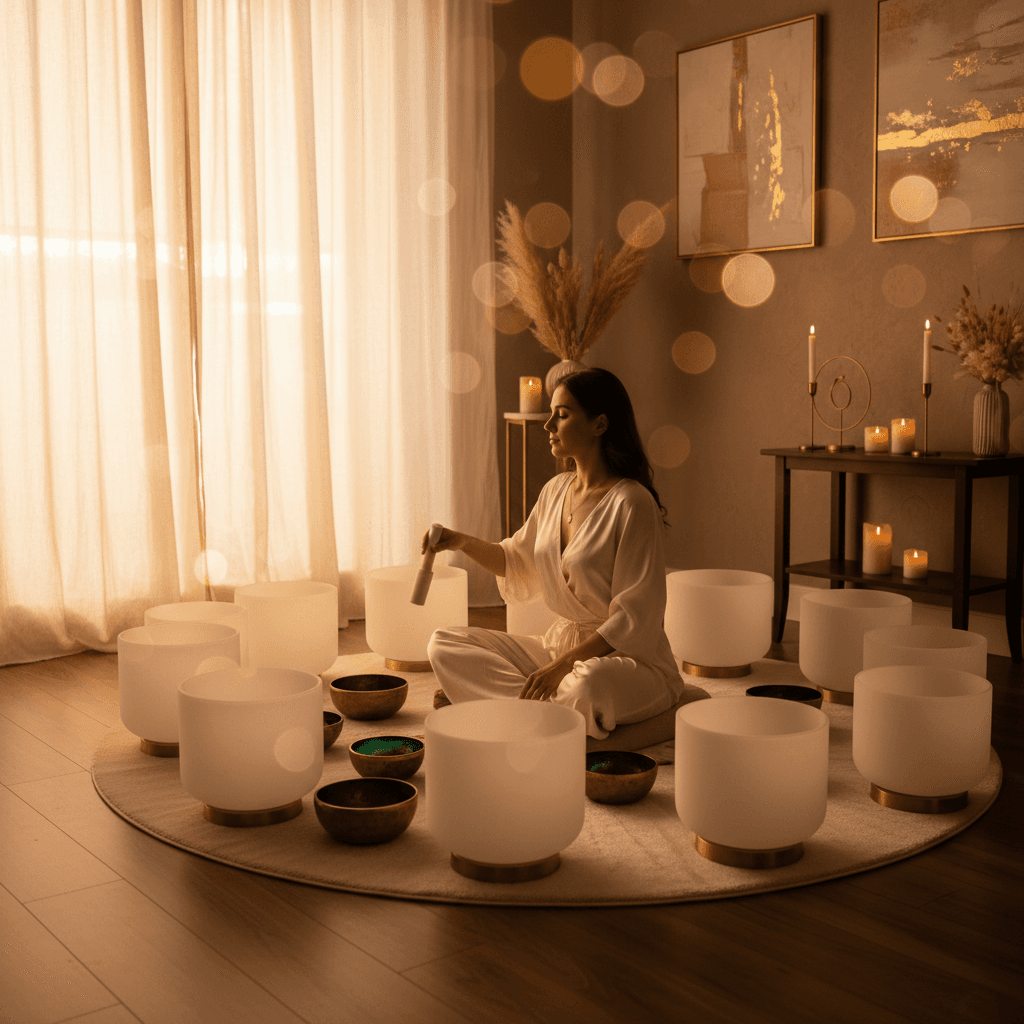
With the arrival of spring, a season of renewal, growth, and increased energy, our working memory might be at its lowest, but the urge for activity and vibrancy is palpable. The preference shifts towards energetic and rhythmic sounds. Practical application might involve incorporating sounds that are uplifting, revitalizing, and gently stimulating. Higher-pitched crystal bowls, upbeat tempos, and sounds that mimic nature's awakening – bird song, flowing water – can help invigorate the mind and body. These sounds can serve as a gentle nudge, supporting motivation and helping to counteract the spring dip in certain cognitive functions, while also aligning with the season's inherent lightness.
Finally, summer ushers in a period of warmth, activity, and relaxation, with a scientific preference for energetic and rhythmic music. Cognitively, sustained attention may be at its lowest, but the overall mood is often more relaxed. Sound practices during summer can focus on joyful, expansive, and celebratory tones. Rhythmic drumming, percussive instruments, or vibrant, flowing melodies can enhance feelings of lightness and freedom. The objective here is to embrace the season's relaxed energy, using sound to uplift spirits and encourage outward expression, while also providing a gentle, stimulating anchor for focus in an otherwise languid environment.
By consciously engaging with sound in this seasonally attuned manner, we create a powerful feedback loop. The sounds we choose resonate with our internal rhythms, helping us to adapt to environmental changes, regulate our emotions, and even optimize our cognitive performance. It's a holistic dance between our inner landscape and the external world, choreographed by the universal language of sound.
The Soul Art Approach: Larissa Steinbach's Curated Sound Journeys
At Soul Art, Dubai's premier sound wellness studio, this profound understanding of seasonal influences is woven into the very fabric of our practice. Larissa Steinbach, our visionary founder, believes that true well-being is not a one-size-fits-all concept but a dynamic state that evolves with us and our environment. Her approach to sound wellness is deeply rooted in this philosophy, offering meticulously curated experiences that acknowledge and harmonize with the shifting energies of the seasons.
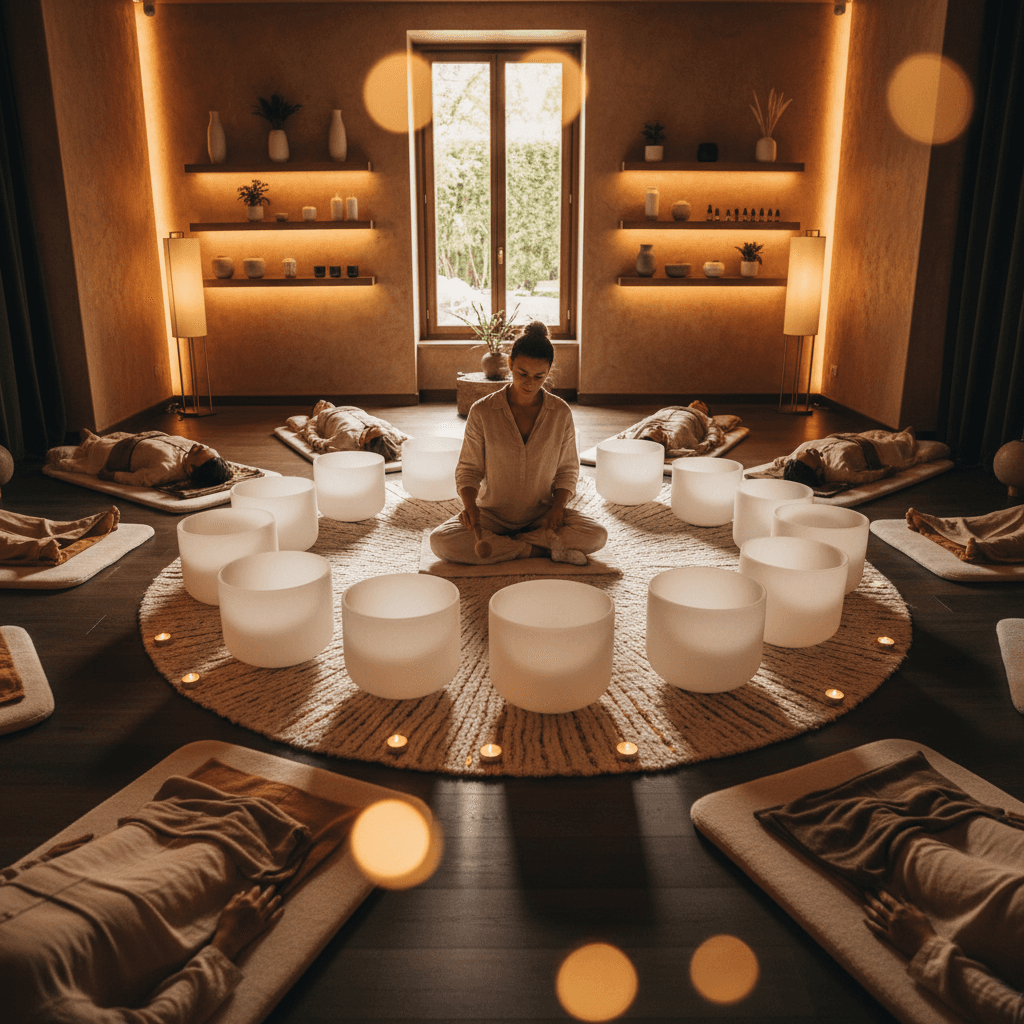
Larissa's expertise lies in her ability to translate scientific insights and ancient wisdom into tangible, transformative sound journeys. She carefully selects instruments, frequencies, and sonic textures to create an environment that precisely supports the prevailing seasonal needs of her clients. For instance, during the cooler, more introspective months of fall and winter, a Soul Art session might feature the deep, grounding vibrations of large planetary gongs and Tibetan singing bowls. These instruments produce complex, reflective tones that resonate with the scientific preference for contemplative sounds during these "taxing" seasons, helping to foster introspection, emotional processing, and a sense of inner peace.
As the vibrant energies of spring and summer unfold, Larissa Steinbach intuitively shifts the sonic landscape. Sessions during these seasons might incorporate more uplifting and expansive sounds, such as the clear, high frequencies of crystal singing bowls, rhythmic handpan melodies, or flowing rain sticks. These choices align with the scientific preference for energetic and rhythmic music, encouraging feelings of joy, lightness, and vitality. The aim is to invigorate the spirit and support a more outward, active disposition, complementing the natural exuberance of the warmer months.
What makes the Soul Art method truly unique is not just the selection of instruments, but Larissa's mastery in weaving these elements into a cohesive and deeply immersive experience. She understands that the impact of sound is holistic, affecting not only our auditory senses but also our nervous system, our energetic body, and our emotional state. Through her guided sound meditations, she helps clients tune into their own innate rhythms, allowing the sounds to facilitate stress release, emotional balance, and enhanced clarity.
Larissa's commitment to personalized wellness means that even within a seasonal framework, each session is delivered with an acute awareness of the individual's current state. Whether you are seeking to alleviate the "winter blues," boost your energy for summer activities, or simply find balance amidst the constant flux, Soul Art provides a sanctuary where sound becomes a profound ally in your journey towards holistic well-being, guided by the nuanced expertise of Larissa Steinbach.
Your Next Steps: Embracing Seasonal Sound in Your Life
Integrating seasonal sound awareness into your daily life is a simple yet powerful way to enhance your well-being. By becoming more attuned to how the changing seasons affect you, and consciously choosing sounds that support those shifts, you can cultivate greater harmony and resilience. Here are some actionable steps you can implement today:
- Mindfully Observe Your Seasonal Preferences: Pay attention to the types of music or natural sounds you gravitate towards in different seasons. Do you find yourself reaching for calming ambient tracks in winter and more upbeat rhythms in summer? Recognizing these innate inclinations is the first step towards intentional sound integration.
- Curate Seasonal Sound Playlists: Create playlists tailored to each season. For autumn and winter, include genres like classical, jazz, folk, or ambient soundscapes that encourage reflection and introspection. For spring and summer, opt for energetic, rhythmic, or uplifting genres such as world music, soul, or upbeat instrumental tracks.
- Embrace Nature's Seasonal Sounds: Step outside and listen. The sounds of spring rain, summer birdsong, autumn leaves rustling, or the quiet stillness of winter all carry unique energetic signatures. Spend time in nature, allowing these organic soundscapes to soothe and synchronize your internal rhythms.
- Integrate Mindful Listening Practices: Dedicate a few minutes each day to simply listening, without judgment, to the sounds around you. This can be the sound of your breath, household noises, or carefully chosen music. This practice helps to anchor you in the present moment and can be especially beneficial during seasons that challenge your focus or mood.
- Explore Professional Sound Wellness Sessions: Consider experiencing a professionally guided sound journey at Soul Art. Larissa Steinbach and her team expertly craft sessions that are attuned to seasonal energies and individual needs. These immersive experiences can offer deep relaxation, stress reduction, and a profound recalibration of your nervous system, allowing you to move through each season with greater ease and vitality.
By intentionally weaving sound into your seasonal self-care routine, you create a powerful synergy between your inner world and the natural rhythms of the earth. This conscious approach may support a more balanced mood, enhance cognitive function, and foster a deeper connection to the cyclical nature of life.
In Summary: Harmonizing with Nature's Sonic Cycles
The intricate relationship between the seasons and our internal world is a profound aspect of human physiology and psychology, influencing everything from our musical tastes to our cognitive performance. Scientific research consistently demonstrates how our preferences for reflective or energetic sounds shift with fall/winter and spring/summer respectively. Moreover, our attention, memory, and even genetic expression show clear seasonal variations, underscoring our deep connection to Earth's rhythms.
At Soul Art, Larissa Steinbach masterfully harnesses this scientific understanding to create unique sound wellness experiences. By carefully selecting instruments and curating sonic landscapes tailored to each season, we offer a complementary approach to support your well-being year-round. Embrace the power of seasonal sounds to restore your nervous system, enhance mental clarity, and discover profound relaxation. We invite you to explore how an attuned sound journey can elevate your connection to yourself and the world around you.
Bookings Coming Soon
Soul Art is still in preparation. Session details and booking will be published here after launch.
Coming Soon
Wellness Disclaimer: This article is for educational and informational purposes only. It does not constitute medical advice, diagnosis, or treatment. Soul Art Dubai provides non-medical wellness experiences focused on relaxation, stress management, and general wellbeing. Sound wellness is a complementary practice and should not replace professional medical care.
Related Articles
Harmonic Paws: Unveiling Animal-Assisted Sound Therapy at Soul Art Dubai
Biophilic Soundscapes: Designing Wellness Through Nature's Acoustics
City Noise vs Nature Sound: A Soul Art Path to Serenity