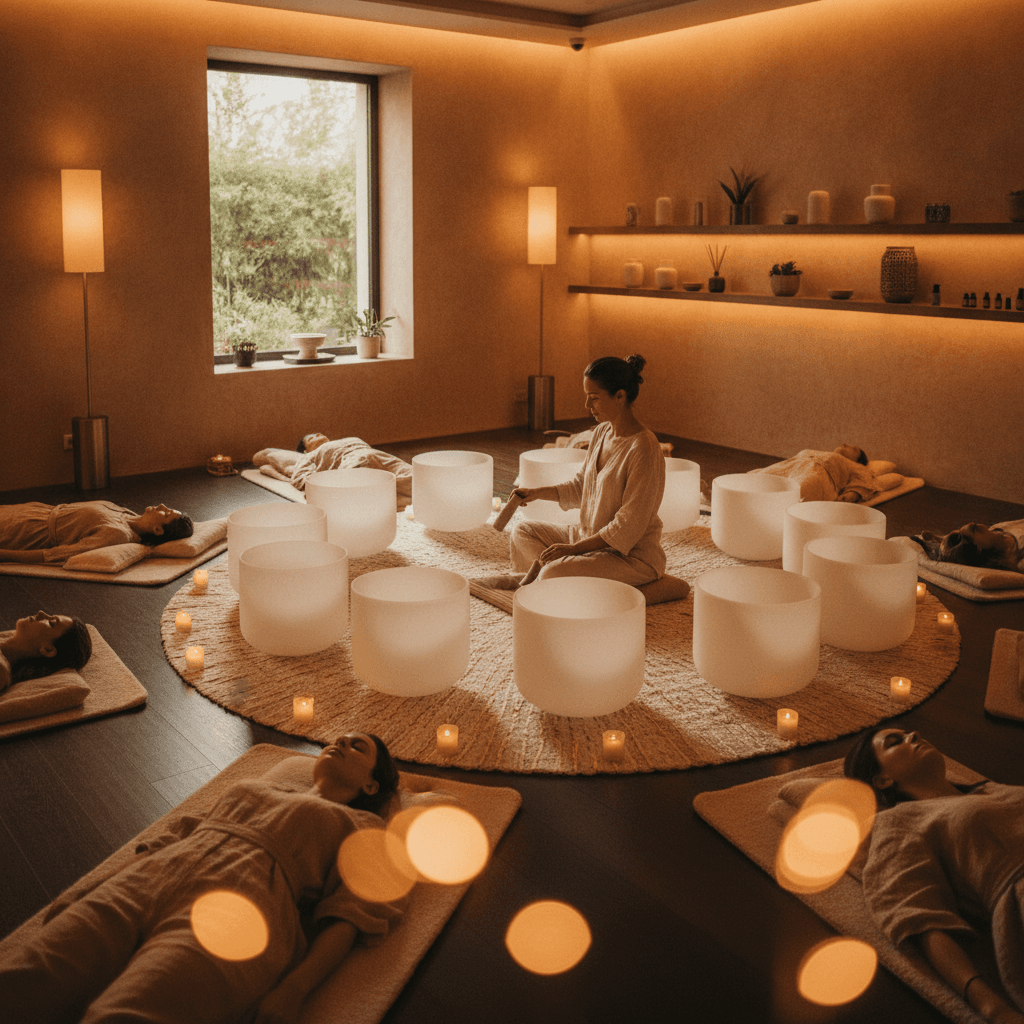
The Art of Words: Safe Language for Wellness Articles
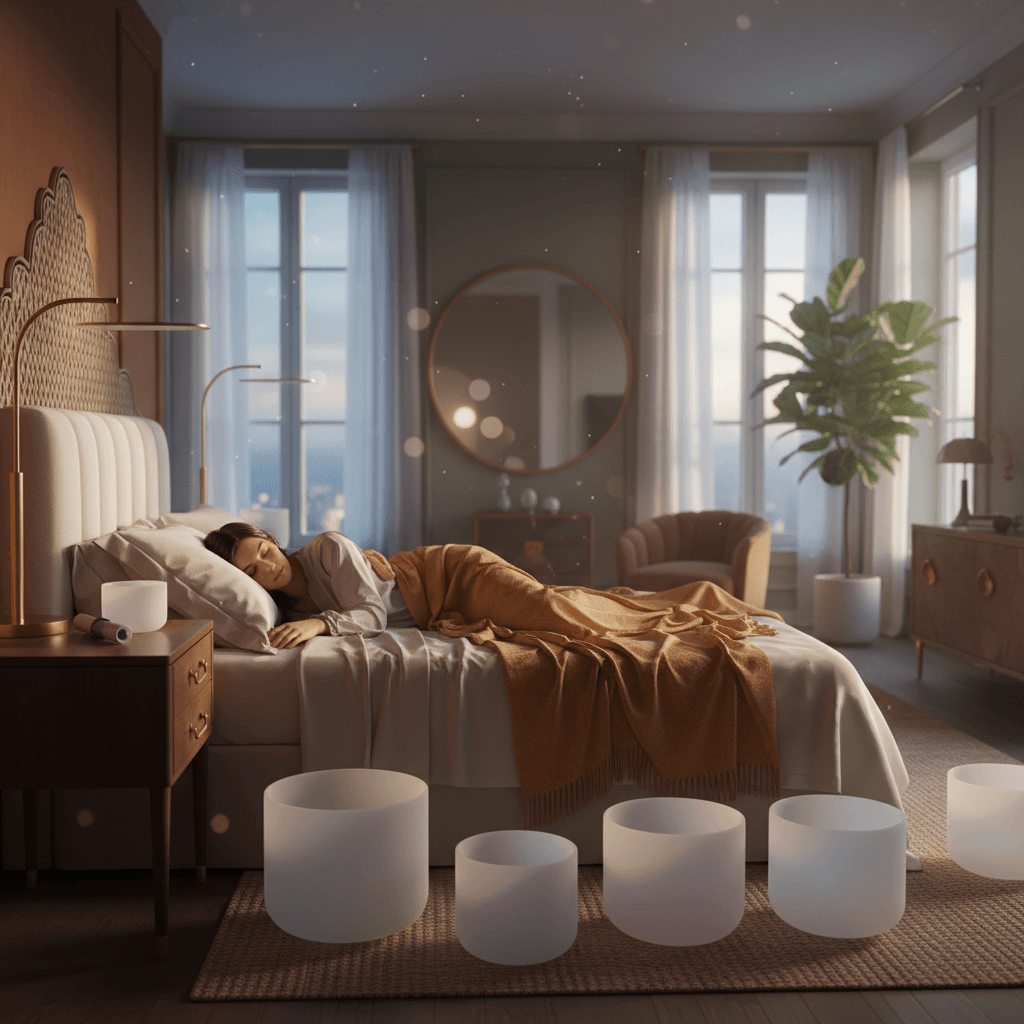
Key Insights
Discover how careful, evidence-based language in wellness articles fosters trust, educates effectively, and supports mental well-being.
The Art of Words: Safe Language for Stress, Sleep, and Anxiety Wellness Articles
Did you know that the precise language we use when discussing sensitive topics like stress, sleep, and anxiety can be as impactful as the information itself? In the rapidly expanding landscape of wellness, where information abounds, the responsibility to communicate accurately, empathetically, and safely has never been more critical. At Soul Art, Dubai's premier sound wellness studio founded by Larissa Steinbach, we understand that thoughtful communication builds trust and truly empowers our community.
This article delves into the profound scientific connections between stress, sleep, and anxiety, laying the groundwork for why a "safe language" approach is essential. We will explore how choosing the right words can make wellness insights more accessible and supportive, rather than prescriptive or misleading. Join us as we uncover the delicate balance of informing, inspiring, and ensuring every message genuinely contributes to holistic well-being.
By understanding the subtle nuances of language, both content creators and consumers can navigate the wellness space with greater clarity and confidence. This commitment to linguistic integrity underpins Soul Art's dedication to providing experiences that are not only transformative but also grounded in responsible practices.
The Intricate Web: Understanding Stress, Sleep, and Anxiety
The human experience is profoundly shaped by the interplay of our mental and physical states, with stress, sleep, and anxiety forming a closely interconnected triad. Modern scientific research continuously illuminates the complex, often bidirectional relationships within this trio, emphasizing why a holistic approach to well-being is so vital. Understanding these connections helps us craft messages that resonate truthfully and constructively.
The Bidirectional Link: Sleep and Mental Health
Extensive research has drawn compelling links between mental health and sleep, highlighting a reciprocal relationship where one significantly influences the other. For instance, individuals experiencing insomnia are reported to be 10 times more likely to have depression and a striking 17 times more likely to experience anxiety compared to the general population. These statistics underscore sleep's fundamental role in cognitive and emotional well-being.
Conversely, psychiatric disorders such as depression and anxiety can frequently manifest as sleep problems, creating a challenging cycle. Poor sleep can exacerbate psychiatric symptoms, potentially increasing risk for more severe mental health challenges. This intricate connection means that addressing sleep quality may support improvements in mental health, and vice versa.
The Role of Sleep Duration and Quality
The duration and quality of our sleep are powerful determinants of our mental resilience. A meta-analysis indicated that individuals with anxiety disorders often experience reduced total sleep time, linking insufficient sleep directly to increased anxiety. For instance, a cohort study in Korea observed that sleeping between seven to nine hours, as opposed to six hours per day, effectively reduced the likelihood of future anxiety.
Furthermore, interventions that successfully improved sleep quality have demonstrated a statistically significant, small-to-medium sized effect on anxiety and stress outcomes. This suggests that enhancing sleep hygiene and patterns can be a valuable complementary approach for managing feelings of worry and tension. Maintaining an optimal sleep duration, generally seven to nine hours for adults, is consistently associated with lower anxiety incidence.
Stress and Cognitive Interference
Stress can profoundly impact sleep quality, acting as a significant predictor of sleep disturbances. When we experience stress, it often leads to a cascade of negative cognitive activities, including worry, anxiety, and rumination. These mental patterns interfere with the brain's ability to settle down, making it difficult to fall asleep and maintain consistent sleep throughout the night.
The biopsychosocial model posits that anxiety, particularly social anxiety, arises from a complex interplay of biological, psychological, and social factors. Environmental stress and social experiences are significant contributors, influencing an individual's level of anxiety. Stress-induced cognitive interference directly affects sleep, perpetuating a cycle where poor sleep then amplifies stress and anxious thoughts.
The Inflammation Connection
While the relationship between long sleep duration and anxiety has yielded mixed results in studies, some research points to intriguing physiological mechanisms. Individuals with longer sleep durations have been found to have elevated levels of inflammatory markers like interleukin-6 and C-reactive protein. This suggests that increased inflammatory cytokines may be a mechanism linking longer sleep with various health conditions.
Although more research is needed to fully explore this specific relationship, there is existing evidence indicating the impact of inflammation on anxiety. This highlights the complex, multi-faceted nature of mental and physical well-being, where even seemingly disparate elements like inflammation can play a role in our emotional states. Understanding these intricate pathways reinforces the need for a holistic perspective in wellness.
Beyond Claims: Translating Science into Empathetic Communication
Understanding the scientific connections between stress, sleep, and anxiety is one crucial step; the next, and equally important, is translating this knowledge into communication that is both accurate and deeply empathetic. In the wellness industry, where aspirations for better health are high, the way we articulate information can either empower individuals or inadvertently create confusion and even distress. This section explores how Soul Art leverages this understanding to craft messages that genuinely serve our community.
At Soul Art, we believe that responsible communication begins with a profound respect for the individual's journey. When discussing the links between sleep and anxiety, for example, we frame our insights as observations and potential pathways for improvement, rather than definitive diagnoses or guaranteed solutions. This approach helps set realistic expectations, which is vital for sustained well-being practices. Clients experience this as a sense of being understood and supported, rather than being told what their experience should be.
We consciously use language that focuses on support, enhancement, and complementary approaches. For instance, instead of claiming that sound wellness "cures" insomnia, we might state that it "may support deeper relaxation to improve sleep quality." This distinction is not merely semantic; it respects the complexity of individual health journeys and avoids promising outcomes that can only be assessed by medical professionals. This careful linguistic choice also cultivates a trusting environment, where clients feel safe exploring holistic practices without pressure or unrealistic hopes.
Consider how sensory details, often implicit in our language choices, can reinforce this sense of gentle guidance. When describing the calming effects of sound, we might use words like "enveloping," "soothing," or "harmonizing," which evoke a personal experience rather than a clinical outcome. This helps clients visualize and anticipate a feeling of relaxation, aligning with the actual experience they receive at Soul Art. Our words become a prelude to the serene environment and profound sonic experiences we offer, ensuring consistency between our communication and our service.
"The language we use in wellness is not just about conveying information; it's about building bridges of trust and fostering a compassionate space where individuals feel seen, heard, and genuinely supported on their unique path to well-being."
This commitment to careful language extends to acknowledging that wellness practices are personal and varied. We emphasize that practices like sound wellness are complementary approaches, designed to work alongside, not replace, conventional medical care when needed. This perspective helps individuals integrate different aspects of their health journey harmoniously, promoting a more comprehensive approach to their well-being. By being transparent and clear, we empower our clients to make informed choices that are best for their individual circumstances.
Soul Art's Commitment: Language as a Pillar of Wellness
At Soul Art, Larissa Steinbach and her team recognize that the journey to well-being is deeply personal, nuanced, and often delicate. Our commitment to safe and empathetic language is not merely a compliance measure; it is a fundamental pillar of our wellness philosophy. We understand that every word we choose carries weight, influencing perceptions, expectations, and the overall effectiveness of our offerings.
Larissa Steinbach applies these principles by ensuring that all communication, from our website content to our studio interactions, reflects a deep understanding of wellness compliance and client needs. She advocates for language that is always supportive, never prescriptive, and firmly rooted in the understanding that Soul Art provides experiences that may support relaxation and stress management, rather than medical treatments. This approach empowers individuals to integrate our practices into their existing self-care routines thoughtfully.
What makes the Soul Art method unique, beyond our immersive soundscapes and expertly curated sessions, is this conscious communication. We meticulously explain the potential benefits of our sound wellness practices using terms like "may foster," "can encourage," or "has been associated with," aligning with scientific understanding while respecting individual variations. For example, instead of claiming sound will "cure" anxiety, we communicate that it "may assist in reducing feelings of stress and promoting a sense of calm, which can positively impact anxiety levels."
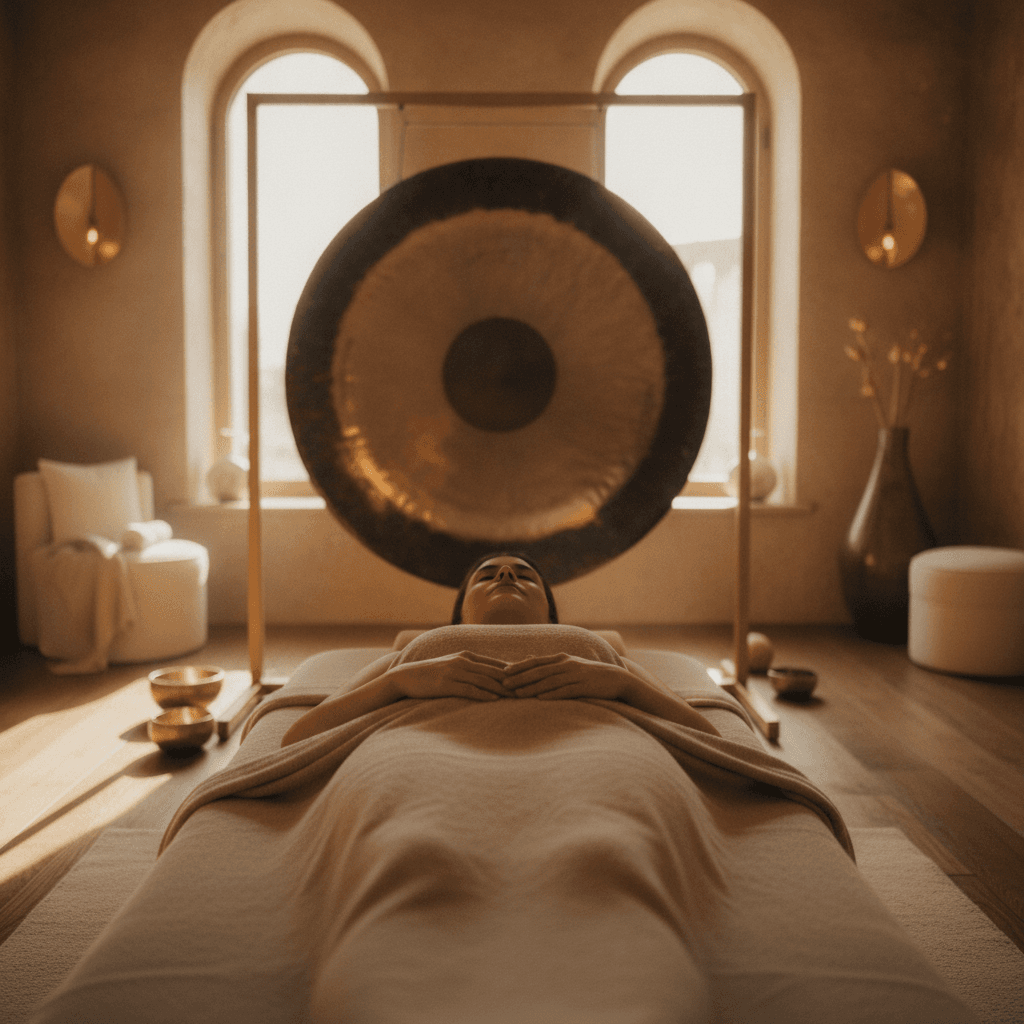
We focus on the holistic, non-medical benefits our clients can realistically expect: enhanced relaxation, improved mood, and a deeper connection to self. Our descriptions highlight the experiential aspects – the gentle vibrations of the Tibetan singing bowls, the enveloping resonance of the gongs, or the soothing frequencies of crystal bowls – all designed to guide the nervous system into a state of deep rest. These are powerful relaxation techniques and stress management tools that many people report lead to a more balanced and tranquil state.
Larissa's vision for Soul Art centers on creating a sanctuary where individuals can explore profound states of well-being safely. This means fostering an environment of trust through every message we share. Our language reflects this sanctuary, inviting exploration and self-discovery without imposing rigid expectations. It is about offering a gentle hand and guidance, respecting each individual's journey with integrity and warmth.
Cultivating Well-being Through Conscious Language: Your Daily Practice
Understanding the power of safe language extends beyond content creation; it’s a valuable tool you can integrate into your personal wellness journey. How you speak about your own well-being, and how you interpret wellness information, can profoundly shape your experience. By adopting conscious language, you empower yourself to navigate your stress, sleep, and anxiety with greater clarity and compassion.
Here are some practical steps you can take today to cultivate well-being through mindful language:
- Reframe Your Self-Talk: Instead of "I can't sleep," try "I'm exploring ways to support my rest tonight." Shift from definitive, negative statements to curious, open-ended ones. This small change may support a more positive mindset around sleep and stress.
- Evaluate Wellness Claims Critically: When consuming wellness content, look for language that is humble and evidence-informed. Be wary of phrases like "guaranteed to cure" or "proven to eliminate." Instead, seek out content that uses qualifying language such as "may assist," "has been associated with," or "many people report."
- Focus on Process, Not Just Outcome: Rather than solely fixating on "fixing" anxiety or "beating" insomnia, emphasize the wellness practices and self-care routines you are engaging in. For example, "I am practicing mindfulness to manage my stress" focuses on your active participation and agency.
- Share Your Experience Thoughtfully: If you discuss your wellness journey with others, use similar safe language. Share what "works for you" rather than advising what "will fix" them. This promotes empathetic conversation and respects individual differences.
- Connect with Supportive Resources: Seek out trusted wellness spaces like Soul Art, where the commitment to safe and mindful communication is paramount. Engaging with services and content that prioritize integrity enhances your overall wellness journey.
In Summary: The Art of Mindful Communication in Wellness
The journey towards enhanced well-being, especially concerning stress, sleep, and anxiety, is greatly influenced by the language we use and consume. This article has illuminated the profound scientific links within this interconnected triad, emphasizing how critical sleep and stress management are for mental health. We've also underscored the vital importance of safe, empathetic, and evidence-informed language in the wellness industry.
At Soul Art, Larissa Steinbach champions conscious communication, ensuring that our offerings are presented as complementary approaches designed to support relaxation and foster well-being, never as medical treatments. By choosing words carefully, we build trust, set realistic expectations, and empower individuals to make informed choices for their holistic health. Embrace the power of mindful language, both in what you read and how you speak, to cultivate a more compassionate and effective path to well-being.
Bookings Coming Soon
Soul Art is still in preparation. Session details and booking will be published here after launch.
Coming Soon
Wellness Disclaimer: This article is for educational and informational purposes only. It does not constitute medical advice, diagnosis, or treatment. Soul Art Dubai provides non-medical wellness experiences focused on relaxation, stress management, and general wellbeing. Sound wellness is a complementary practice and should not replace professional medical care.
Related Articles
Navigating Sound Wellness: Evidence-Based Questions for Practitioners
Soul Art: Integrating Science, Ritual, and Safety for Well-being
Sound Baths: Accessible Comfort for Older Adults at Soul Art