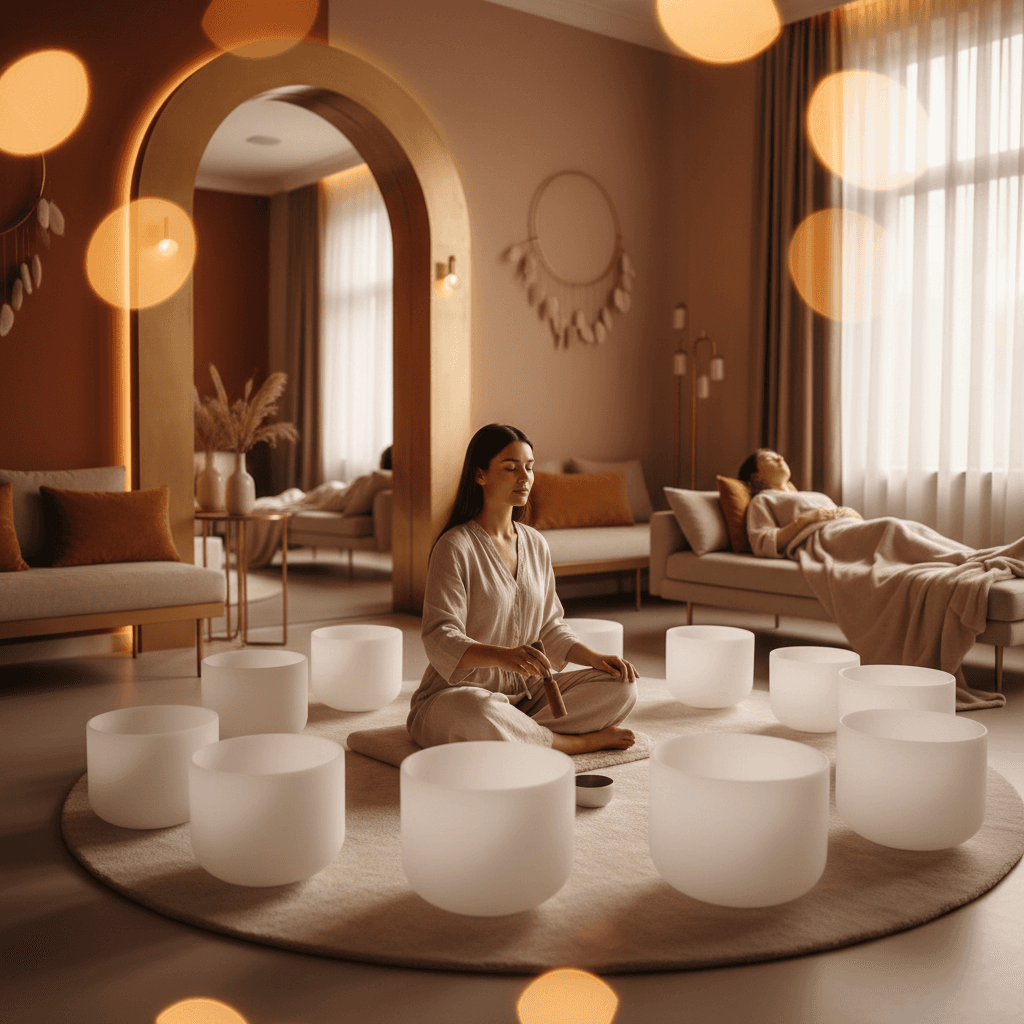
Harmonic Pathways: How Sound Wellness Supports Physical Rehabilitation
Key Insights
Explore the scientific power of sound wellness in physical rehabilitation, complementing traditional therapies for enhanced recovery and well-being at Soul Art Dubai.
Could the gentle resonance of a singing bowl or the rhythmic beat of a metronome hold a key to unlocking deeper physical recovery? While often associated with relaxation and stress reduction, sound, in its myriad forms, is increasingly recognized for its potential to complement physical rehabilitation processes. It’s a compelling thought that the vibrations we perceive can influence our bodies and minds far beyond simple auditory pleasure.
At Soul Art, founded by Larissa Steinbach, we explore the profound connection between sound and well-being, offering experiences that may support individuals on their rehabilitation journeys. This article delves into the scientific underpinnings of how targeted sound interventions, distinct from medical ultrasound, can serve as a powerful adjunct to traditional physical therapy, fostering improved movement, reduced discomfort, and enhanced mental resilience essential for recovery. Join us as we uncover the harmonic pathways to holistic rehabilitation.
The Science Explained
Rehabilitation, as defined by the World Health Organization (WHO), is a set of interventions designed to optimize functioning and reduce disability in individuals interacting with their environment. It is a highly person-centred approach, aiming to improve and maintain a person's overall quality of life and independence. This broad definition encompasses not just physical restoration but also mental and emotional well-being, recognizing that recovery is a holistic journey.
Within this comprehensive framework, sound interventions offer a unique, non-invasive avenue to support various facets of rehabilitation. These practices leverage the body's innate responsiveness to auditory stimuli, engaging neurological pathways that influence everything from motor control to pain perception and stress regulation. It is important to distinguish sound wellness, which uses audible frequencies and vibrations for relaxation and well-being, from medical ultrasound therapy, a diagnostic or therapeutic tool employing high-frequency sound waves typically beyond the range of human hearing, used in clinical settings for tissue healing or imaging. Our focus at Soul Art is on the former: the therapeutic potential of audible sound.
The Auditory Pathway and Brain's Response
The human auditory system is incredibly complex, converting sound waves into electrical signals that travel to various brain regions. Beyond simply hearing, these signals can influence the autonomic nervous system, which controls involuntary bodily functions like heart rate, breathing, and digestion. Specific frequencies and rhythmic patterns have been associated with shifts in brainwave states, moving from beta (alert, active) to alpha (relaxed, calm) or even theta (deep relaxation, meditative states).
For example, preliminary studies indicate that certain sound frequencies may stimulate the vagus nerve, a key component of the parasympathetic nervous system responsible for the "rest and digest" response. Activating this system can lead to physiological changes conducive to healing, such as reduced inflammation and improved tissue repair. This fundamental interaction highlights how sound can directly impact our body’s internal environment, setting the stage for more effective physical recovery.
Rhythmic Auditory Stimulation (RAS): A Bridge to Movement
One of the most robust areas of research into sound's rehabilitative potential lies in Rhythmic Auditory Stimulation (RAS). This method involves using metronomic beats or rhythm-enhanced music to facilitate the rehabilitation of intrinsically rhythmical movements, particularly gait and balance. Clinical studies have consistently shown that RAS can have immediate and measurable effects on various aspects of movement.
For individuals recovering from conditions like Parkinson's Disease (PD) or stroke, RAS has been shown to improve gait velocity, step cadence, and stride length. It may also contribute to reducing gait variability and improving walking stability. The consistent, external rhythmic cue provided by sound helps to entrain the brain's motor system, essentially giving the body a steady beat to follow, which can bypass damaged neural pathways or reinforce new ones. Sonification, which translates body movements into sound, is also emerging as a promising feedback tool, allowing patients to "hear" their movement patterns and make adjustments. This auditory feedback can complement traditional visual displays, offering a multi-sensory approach to motor learning and rehabilitation.
Beyond Rhythm: Sound's Influence on Pain and Stress
The journey of physical rehabilitation is often accompanied by discomfort, stress, and anxiety. Sound interventions, including both musical and non-musical acoustic experiences, may play a significant role in managing these emotional and physiological challenges. Studies focusing on various sound characteristics—such as music styles, emotional sentiment, frequency, and tempo—have explored their impact on subjective well-being and relaxation effects.
For instance, exposure to soothing natural sounds or carefully composed soundscapes may help to lower cortisol levels, the body's primary stress hormone. By fostering a state of deep relaxation, sound wellness practices can reduce muscle tension, which often exacerbates pain, and shift attention away from discomfort. This ability of sound to act as a distraction and a relaxant contributes to an environment where the body's natural healing processes can operate more effectively. While this is distinct from the mixed findings regarding therapeutic ultrasound for conditions like shoulder or low back pain, audible sound's impact on stress and relaxation is a widely recognized benefit that indirectly supports physical recovery.
"The symphony of healing begins not just with the mending of tissue, but with the harmonious alignment of mind, body, and spirit, guided by the subtle power of sound."
How It Works in Practice
The practical application of sound wellness in a rehabilitation context involves creating an immersive and supportive environment where individuals can safely explore their inner landscape and physical sensations. It’s about leveraging the sensory experience of sound to facilitate relaxation, self-awareness, and a sense of calm that may aid in the physical healing process. This approach is designed to complement, not replace, the guidance of medical and physical therapy professionals.
Creating a Sonic Sanctuary
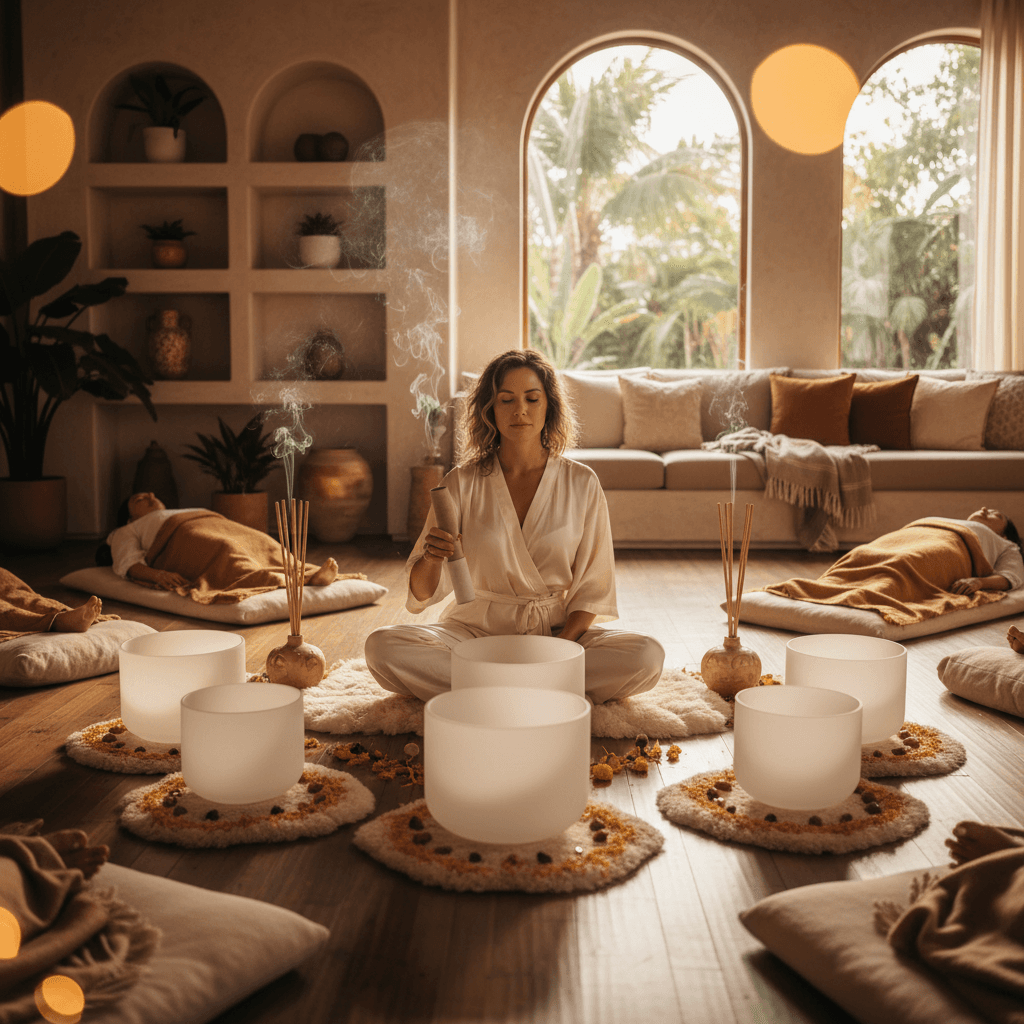
Upon entering a sound wellness space like Soul Art, clients are welcomed into an environment designed for tranquility. The aesthetics, lighting, and comfortable seating are all chosen to reduce external stimuli and encourage inward focus. This preparation is crucial, as the mind-body connection plays a pivotal role in how effectively sound can support physical well-being. The intention is to create a 'sonic sanctuary' where the nervous system can downregulate and shift into a state more conducive to rest and repair.
The very atmosphere helps to initiate a shift from the often-stressful experience of managing a health condition or injury. This initial easing of tension is a vital first step, allowing the body to begin releasing habitual holding patterns that can impede recovery. It’s a gentle invitation for the body and mind to surrender to the present moment and its calming vibrations.
The Journey of Sound
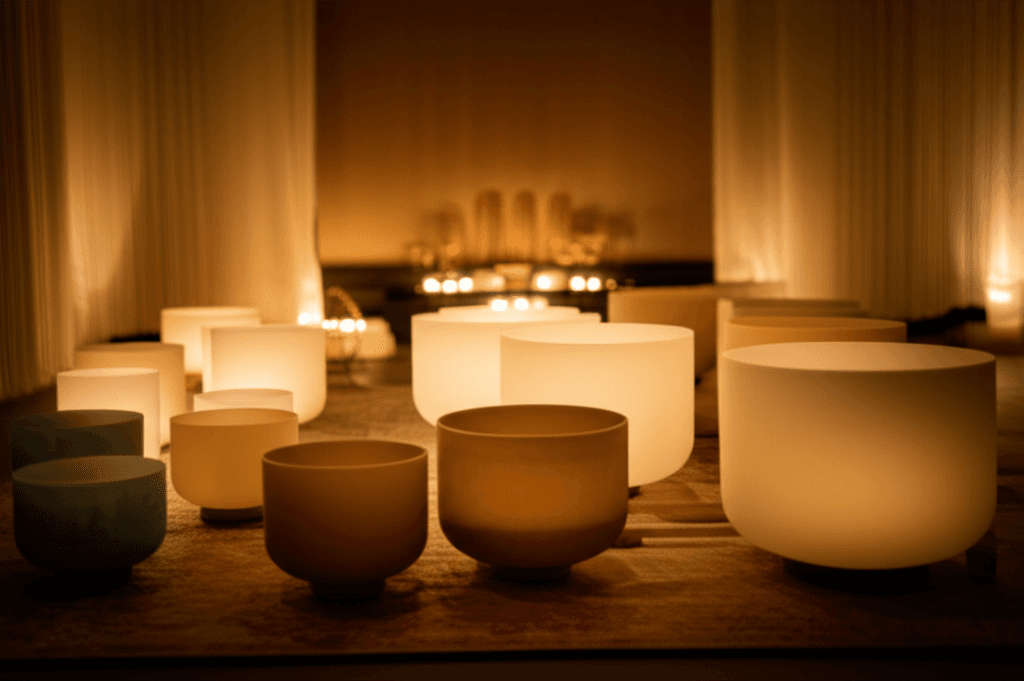
Once settled, the sound journey begins. Clients may experience a diverse array of instruments, each producing unique frequencies and textures. These might include the deep, resonant tones of large gongs, the shimmering overtones of crystal singing bowls, the earthy vibrations of Himalayan bowls, or the delicate chimes that evoke natural soundscapes. The sounds are not merely listened to; they are felt as vibrations permeating the body, gently encouraging a release of tension.
For instance, the sustained resonance of a gong can create a deeply immersive field of sound that many people report as profoundly relaxing, almost meditative. The rhythmic elements, whether explicit or implicit in the flow of the session, may subtly engage the brain's capacity for entrainment, similar to how RAS works. This sensory experience is non-linear and deeply personal, allowing individuals to connect with their own body's needs and responses without pressure or expectation. The focus is on gentle exploration and fostering a sense of inner peace.
Mind-Body Connection in Recovery
The profound relaxation induced by sound wellness can have tangible benefits for physical recovery. When the body is deeply relaxed, stress hormones decrease, and the parasympathetic nervous system becomes more active. This physiological shift is essential for reducing inflammation, improving circulation, and promoting cellular repair – all critical components of rehabilitation. By alleviating mental stress and emotional tension, sound practices may indirectly enhance the body's natural healing capabilities.
Moreover, the focused attention on sound can serve as a powerful distraction from chronic discomfort or the anxieties associated with a prolonged recovery. This mental shift can improve sleep quality, which is vital for physical restoration, and enhance overall mood. By fostering a more positive and resilient mindset, sound wellness empowers individuals to engage more fully and effectively with their physical therapy exercises and self-care strategies, accelerating their path toward improved function and well-being.
The Soul Art Approach
At Soul Art, Larissa Steinbach brings a unique blend of scientific understanding and intuitive artistry to the field of sound wellness. Her vision is to create transformative experiences that go beyond mere relaxation, aiming to facilitate profound shifts in consciousness and physical well-being. The Soul Art method is built upon the principle that the human body is a resonant system, capable of responding to precise frequencies and intentional vibrations to restore balance and harmony.
Larissa's approach is deeply rooted in personal connection and a tailored understanding of each individual's journey. While specific medical conditions are never "treated," the Soul Art method may support the individual's overall capacity for healing by addressing the stress, anxiety, and energetic imbalances that often accompany physical challenges. This holistic integration acknowledges that true rehabilitation extends beyond physical repair to encompass mental clarity and emotional resilience.
Signature Techniques and Instruments
The Soul Art studio is home to an exquisite collection of instruments, each chosen for its unique vibrational qualities. Larissa Steinbach masterfully orchestrates these instruments to create bespoke soundscapes designed to resonate with the specific needs of her clients. Key instruments include:
- Himalayan and Crystal Singing Bowls: These create deeply resonant, sustained tones that produce complex overtone series. The vibrations are often felt physically, potentially encouraging deep relaxation and tension release.
- Gongs: Large gongs produce a powerful, immersive sound field that can be deeply transformative. Their sustained vibrations are believed by many to help clear energetic blockages and promote a state of profound calm.
- Chimes and Other Percussion: Delicate chimes, rain sticks, and other percussive instruments are used to add texture and subtle layers to the soundscape, often mimicking natural sounds that evoke peace and tranquility.
Larissa's expertise lies not only in selecting the right instruments but also in her intuitive understanding of how to blend them, creating a rich tapestry of sound that guides the listener into deeper states of relaxation and self-awareness. Her guided meditations further enhance the experience, gently focusing the mind and body on breath and positive affirmations, which can be particularly beneficial for those experiencing pain or stress.
Holistic Integration
The Soul Art method serves as a powerful complementary approach to traditional physical therapy and medical care. By fostering a state of deep relaxation, reducing stress, and enhancing mental clarity, sound wellness sessions may prepare the body and mind for more effective engagement in prescribed physical exercises. Many people report that after a sound bath, they feel more flexible, less tense, and more attuned to their body's signals, which can aid in rehabilitation efforts.
For example, a client undergoing physical therapy for a chronic condition might find that regular sound wellness sessions help manage associated pain and improve sleep, both of which are crucial for consistent adherence to their rehabilitation program. The calming effect can also help individuals process the emotional challenges of recovery, fostering a sense of peace and optimism that is vital for long-term well-being. Larissa Steinbach emphasizes that Soul Art is about empowering individuals with tools for self-care and holistic support, helping them cultivate a deeper connection to their own healing potential.
Your Next Steps
Embracing sound wellness as part of your rehabilitation journey can be a gentle yet powerful step towards holistic recovery. While sound wellness is a complementary practice and not a substitute for medical advice or treatment, incorporating it into your routine may significantly enhance your well-being during this crucial time. Here are some actionable steps you can consider today:
- Consult Your Healthcare Provider: Before integrating any new wellness practice, especially during rehabilitation, always discuss it with your doctor or physical therapist. Ensure that sound wellness aligns with your specific health needs and recovery plan.
- Explore Gentle Sound Practices: Begin by listening to calming music, nature sounds, or guided meditations at home. Even a few minutes a day can help cultivate a sense of calm and self-awareness, reducing stress that might impede physical healing.
- Focus on Breath and Body Awareness: During sound experiences, whether at home or in a studio, pay attention to your breath and how the sounds and vibrations resonate within your body. This mindful connection can help release tension and improve your proprioception.
- Consider a Professional Sound Wellness Session: Experience the full depth of sound healing by booking a session at a reputable studio like Soul Art. Larissa Steinbach and her team can provide personalized guidance and a deeply immersive experience tailored to your needs.
- Integrate Movement with Rhythm (if advised): If your rehabilitation involves movement, and with the approval of your therapist, consider how rhythmic auditory cues might support your exercises. This could be as simple as moving to a consistent beat or exploring Rhythmic Auditory Stimulation (RAS) principles under expert guidance.
Bookings Coming Soon
Soul Art is still in preparation. Session details and booking will be published here after launch.
Coming Soon
In Summary
The journey of physical rehabilitation is multifaceted, demanding attention not only to the body but also to the mind and spirit. Sound wellness, through its scientifically-grounded impact on the nervous system, motor control, and stress reduction, offers a sophisticated complementary pathway to enhance this journey. From the rhythmic cues that refine movement to the soothing frequencies that invite deep relaxation, sound can play a vital role in optimizing functioning, reducing discomfort, and fostering mental resilience.
At Soul Art, Larissa Steinbach and her team provide a sanctuary where these profound connections are explored, offering personalized sound experiences designed to support your holistic well-being. By integrating sound into your rehabilitation process, you may unlock deeper levels of recovery and cultivate a lasting sense of harmony. We invite you to experience the transformative power of sound and discover how it can beautifully complement your path to renewed health.
Related Articles
Optimizing Athletic Performance: The Synergy of Sports Nutrition and Sound Wellness
Archery, Stillness, and Sound: Soul Art's Path to Focus
Swimming's Secret Weapon: Sound for Peak Aquatic Performance