Refuge Recovery: Harmonizing Buddhist Wisdom with Sound Wellness
Key Insights
Explore Refuge Recovery, a non-theistic Buddhist path for addiction, and how Soul Art Dubai integrates sound practices for profound healing and well-being.
Have you ever considered that the path to true freedom from addiction might lie not in battling your demons, but in befriending your inner landscape through ancient wisdom and resonant vibrations? In a world increasingly seeking holistic solutions, the intersection of mindfulness-based recovery and sound wellness is emerging as a powerful, scientifically-supported complementary approach. This article explores Refuge Recovery, a Buddhist-oriented, non-theistic path to overcoming addiction, and how Soul Art in Dubai, under the guidance of Larissa Steinbach, harmonizes these profound principles with the therapeutic power of sound practices.
Join us as we delve into the core tenets of Refuge Recovery, uncover the fascinating science behind sound's impact on our well-being, and discover how these practices may support a journey toward sustained recovery, peace, and self-compassion. For many, this integrated approach offers not just a way to manage addiction, but a systematic path to a lifelong sense of well-being and happiness. It’s an invitation to trust a process that has resonated deeply with countless individuals seeking a meaningful transformation.
The Science Explained: A Path to Neuro-Regulation and Inner Calm
Refuge Recovery presents a unique paradigm for understanding and addressing addiction, firmly rooted in Buddhist philosophy yet entirely non-theistic and accessible to all. Its emphasis on self-awareness, compassion, and community offers a robust framework for recovery, which is significantly enhanced by the mindful engagement with sound. This synergy provides a powerful pathway to neuro-regulation and a profound sense of inner calm.
Understanding Addiction Through a Buddhist Lens
Refuge Recovery frames addiction not as a moral failing, but as a manifestation of suffering arising from craving and attachment, known in Buddhism as Dukkha and Tanha. This perspective aligns with a modern understanding of addiction as a complex condition involving brain chemistry, learned behaviors, and emotional coping mechanisms. The program does not demand belief in a deity, only a trust in the process and a commitment to the hard work of recovery, making it an empirically sound approach to spirituality.
The core of Refuge Recovery is built upon The Four Noble Truths, adapted for addiction:
- Addiction creates suffering.
- The cause of addiction is repetitive craving.
- Recovery is possible.
- The path to recovery is the Eightfold Path.
The Eightfold Path provides practical guidelines for living, including Right Understanding, Right Intention, Right Speech, Right Action, Right Livelihood, Right Effort, Right Mindfulness, and Right Concentration. These principles are not dogmas, but a systematic approach to developing skills that lead away from suffering and towards liberation. Mindfulness, a cornerstone of Buddhist practice, plays a crucial role in observing cravings without judgment, helping to rewire neural pathways associated with addictive behaviors. Preliminary studies indicate that mindfulness training can lead to significant reductions in relapse rates and improved emotional regulation among individuals in recovery.
The Neuroscience of Sound and Recovery
The integration of sound practices into a Buddhist-inspired recovery journey is deeply supported by neuroscience. Sound, particularly specific frequencies and vibrations, has a measurable impact on our physiological and psychological states, creating an environment conducive to mindfulness and healing. This "sound empirical approach to spirituality," as noted by Albert Einstein in relation to Buddhism, finds a contemporary expression in sound wellness.
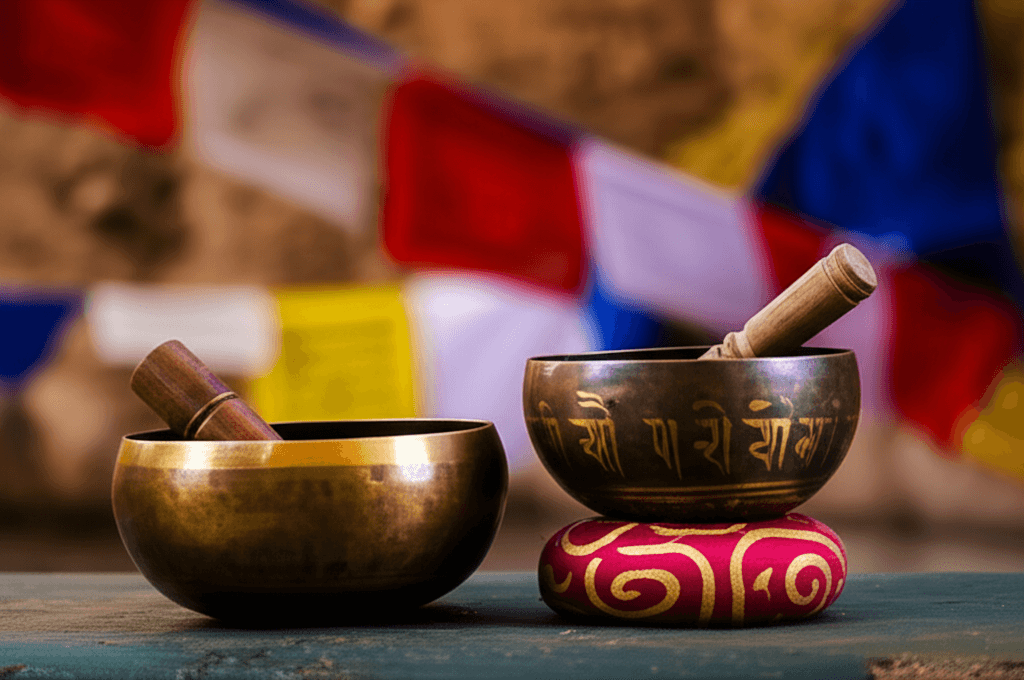
When we experience therapeutic sound, such as that produced by Himalayan singing bowls or gongs, the vibrations travel through our bodies, influencing our brainwave states. These sounds often guide the brain from beta (alert, waking state) into alpha (relaxed, calm) and theta (deep relaxation, meditative) states. This shift can facilitate deeper meditation, reduce mental chatter, and open channels for introspection.
Sound also plays a vital role in regulating the vagus nerve, a key component of the parasympathetic nervous system. Stimulation of the vagus nerve may help to reduce the body's "fight or flight" response, lowering stress hormones like cortisol and promoting a state of relaxation. For individuals recovering from addiction, who often experience heightened anxiety and dysregulated nervous systems, this can be profoundly beneficial. Anecdotal evidence suggests that consistent sound wellness practices may support improved sleep, reduced chronic pain, and enhanced emotional resilience—all critical factors in sustaining recovery. By providing a focal point for attention, sound acts as a powerful anchor for mindfulness, drawing awareness to the present moment and away from distracting cravings or anxious thoughts.
How It Works in Practice: Embarking on the Journey
The beauty of Refuge Recovery lies in its practical, experience-based approach, and when combined with sound practices, its effectiveness may be amplified. It's a journey of self-discovery, where intellectual understanding merges with embodied experience to forge new pathways to well-being. This journey connects theory to real-world application, allowing clients to actively participate in their healing.
The Refuge Recovery process invites individuals to take "refuge" in three things: Awakening (Buddha), Truth (Dharma), and Community (Sangha). Taking refuge in Awakening means cultivating one's own inherent capacity for clarity and wisdom. Taking refuge in Truth involves understanding and applying the Buddhist teachings, particularly the Four Noble Truths and the Eightfold Path, as a practical guide for living. And taking refuge in Community means finding support, connection, and shared experience with fellow travelers on the path to recovery.
Within this framework, sound practices serve as a powerful catalyst for embodying these principles. During a sound wellness session, clients typically lie comfortably, allowing themselves to be immersed in a symphony of resonant tones and gentle vibrations. The deep, sustained hum of Himalayan singing bowls, the expansive waves of gongs, or the pure frequencies of crystal bowls create a palpable sensory experience. These vibrations can be felt not just in the ears, but throughout the entire body, penetrating deep into tissues and organs.
This immersive experience helps to quiet the overactive mind, drawing attention away from intrusive thoughts or cravings and grounding it in the present moment. The consistent, rhythmic nature of the sound offers a non-invasive way to enter meditative states, fostering the "beginner's mind" or "don't know" mind essential for deep self-inquiry and letting go of rigid self-identities often tied to addiction. It’s here that individuals may begin to cultivate naiskramya, the Buddhist concept of renouncing unwholesome characteristics and letting go of control over the process, trusting in a power greater than their individual will to manipulate outcomes. The resonant space created by sound facilitates a journey into self-compassion (metta), allowing individuals to embrace personal responsibility without collapsing into shame or self-blame, recognizing their inherent worth and potential for healing.
The Soul Art Approach: Larissa Steinbach's Harmonious Integration
At Soul Art in Dubai, Larissa Steinbach masterfully blends the wisdom of Buddhist principles with the transformative power of sound wellness. Her unique approach offers a sanctuary for those seeking a holistic and compassionate path to recovery and profound inner peace. Larissa's methodology is built on the understanding that true healing involves addressing both the mind and the subtle energy body.
Larissa Steinbach creates a "free and protected therapeutic space" where clients can explore their inner landscape without judgment. This non-intrusive presence, characteristic of both Buddhist practice and skilled therapeutic approaches, encourages openness, acceptance of "what is," and a gentle inquiry into the self. She guides clients through experiences designed to cultivate mindfulness, emotional regulation, and deep relaxation—all cornerstones of Refuge Recovery.
The Soul Art method harnesses the specific vibrational qualities of various instruments:
- Himalayan Singing Bowls: Their ancient, earthy tones and sustained vibrations are known to induce deep relaxation, balance energy centers, and promote a sense of groundedness.
- Gongs: The expansive, complex soundscapes of gongs can facilitate profound meditative states, encourage emotional release, and support the integration of altered states of consciousness.
- Crystal Singing Bowls: With their pure, clear frequencies, crystal bowls are often associated with cleansing, mental clarity, and harmonizing the body's energetic field.
Larissa carefully curates these instruments to create bespoke sound journeys that resonate with the individual's specific needs, whether it's calming an anxious nervous system, fostering self-compassion, or encouraging release from past patterns. Her work at Soul Art is not about replacing traditional recovery methods but offering a powerful complementary approach that helps individuals access their innate capacity for self-healing and build a resilient inner refuge. Many people report that these sessions provide a tangible sense of peace and mental clarity, which are invaluable assets on the road to sustained recovery.
Your Next Steps: Cultivating Your Inner Refuge
Embarking on a journey of recovery and well-being is a courageous step. Integrating the wisdom of Refuge Recovery and the power of sound wellness may support profound and lasting change. Here are some actionable steps you can take today to cultivate your inner refuge:
- Explore Refuge Recovery Resources: Visit refugerecovery.org to learn more about the program, access the book, and find online or in-person meetings. Engaging with the community (Sangha) and its teachings (Dharma) is a foundational step.
- Integrate Simple Mindfulness Practices: Start with just five minutes of mindful breathing each day. Sit quietly, close your eyes, and simply observe your breath without judgment. This practice enhances self-awareness and can be a powerful tool for managing cravings.
- Seek Sound Wellness for Support: Experience a professional sound bath or individual sound healing session. Discover firsthand how therapeutic vibrations can calm your nervous system, reduce stress, and support deeper meditative states.
- Cultivate Self-Compassion: Practice loving-kindness (metta) meditation. Direct kind and compassionate thoughts towards yourself, especially during challenging moments. Phrases like "May I be free from suffering, may I be well, may I be peaceful and at ease" can be transformative.
- Build a Supportive Community: Whether through Refuge Recovery meetings, other mindfulness groups, or personal connections, fostering healthy relationships is crucial. Shared experience and mutual support are powerful antidotes to isolation.
Soul Art is still in preparation. Session details and booking will be published here after launch.
Bookings Coming Soon
Soul Art is still in preparation. Session details and booking will be published here after launch.
Coming Soon
In Summary: A Resonant Path to Freedom
Refuge Recovery offers a scientifically-grounded, non-theistic Buddhist path for overcoming addiction, focusing on mindfulness, compassion, and community. Its systematic application of the Four Noble Truths and Eightfold Path provides a powerful framework for addressing the root causes of suffering. When integrated with sound wellness practices, this approach gains an additional dimension, leveraging the physiological and psychological benefits of resonant frequencies to calm the nervous system and deepen meditative states. Larissa Steinbach at Soul Art expertly weaves these threads together, offering bespoke sound journeys that support individuals in cultivating inner peace, self-compassion, and lasting well-being. This integrated journey holds the potential for genuine freedom from addiction's grip and a path to a life of greater presence and joy.
Wellness Disclaimer: This article is for educational and informational purposes only. It does not constitute medical advice, diagnosis, or treatment. Soul Art Dubai provides non-medical wellness experiences focused on relaxation, stress management, and general wellbeing. Sound wellness is a complementary practice and should not replace professional medical care.
Related Articles
LGBTQ+ Recovery: Sound Wellness for Inclusive Healing & Regulation
Relationship Recovery: The Science of Sound for Intimacy
Soulful Connections: The Science of Shared Sound Practices and Well-being Sponsorship