Race Day Focus: The Science of Sound Rituals for Athletes
Key Insights
Discover how scientifically-grounded sound rituals can regulate your nervous system, reduce anxiety, and unlock peak performance on race day. A guide from Soul Art Dubai.
What if the secret to your next personal best wasn’t found in an extra hour of training, but in a moment of structured silence? For athletes, the hours leading up to a competition are a delicate balance of physical readiness and mental fortitude. We meticulously plan our nutrition and warm-ups, yet often leave our mental state to chance, battling the internal static of anxiety and self-doubt.
Pre-performance rituals are nothing new; research shows over 90% of collegiate athletes use them to gain a sense of control and confidence. But a new frontier is emerging, one that moves beyond simple superstition into the realm of neuroscience. This is the practice of the sound ritual—a deliberate, structured use of sound to prime the mind and body for peak performance.
In this article, we will explore the compelling science behind how specific frequencies and rhythms can regulate your nervous system, enhance focus, and build psychological resilience. This is not about finding a lucky song; it is about crafting a powerful tool for self-mastery, transforming pre-race jitters into focused, calm energy.
The Sympathetic Symphony: How Sound Shapes Your Physiology
To understand the power of sound, we must first understand the internal orchestra of our nervous system. Every thought and feeling is linked to a physiological response, and sound is a master conductor, capable of shaping this response with remarkable precision.
From Fight-or-Flight to Flow State
Your body is governed by the Autonomic Nervous System (ANS), which has two primary branches: the sympathetic ("fight-or-flight") and the parasympathetic ("rest-and-digest"). Pre-race anxiety is a classic sympathetic response, flooding your system with stress hormones like cortisol. While a little activation is good, too much can impair motor control and decision-making.
Sound wellness practices offer a direct pathway to engage the parasympathetic system. Research highlighted in the Journal of Evidence-Based and Complementary Alternative Medicine found that sound meditations with Tibetan singing bowls were associated with reduced feelings of tension, anger, and fatigue. This shift is measurable through metrics like Heart Rate Variability (HRV)—the variation in time between each heartbeat.
- High HRV is a sign of a healthy, adaptable nervous system, indicating a strong parasympathetic tone. It suggests better recovery and readiness for intense activity.
- Low HRV often indicates stress and sympathetic dominance, meaning your body is in a state of high alert.
Studies have shown that practices like humming and listening to specific sound frequencies can support an increase in HRV, effectively helping the body shift from a state of stress to one of relaxed readiness. When your mind relaxes, your body follows suit.
The Psychology of Ritual and Control
Beyond physiology, sound rituals tap into a deep-seated psychological need for control. A 2021 pilot study on college athletes confirmed that rituals are most commonly used in immediate pre-game preparation to reduce anxiety and enhance self-efficacy. When a ritual is predictable and intentional, it creates a powerful psychological anchor in the face of uncertainty.
By integrating sound, an athlete makes this ritual tangible and sensory. The act of putting on specific headphones and listening to a pre-selected audio track becomes a clear signal to the brain: it is time to focus. This structured routine helps quiet the mental chaos, allowing the athlete to direct their attention toward winning rather than toward avoiding failure.
"A ritual is not an act of superstition, but an act of intention. It is the practice of creating an internal environment of stability, no matter how chaotic the external world becomes."
Auditory Entrainment: Your Brain on Rhythm
One of the most fascinating mechanisms at play is auditory entrainment. This is a neurological phenomenon where the brain's own electrical frequencies, or brainwaves, begin to synchronize with an external rhythmic stimulus, like music or a consistent tone.
Our brain operates in different states, each with a corresponding brainwave frequency:
- Beta (13-30 Hz): Normal waking consciousness, alert, but can tip into anxiety.
- Alpha (8-12 Hz): Relaxed focus, calm alertness—the "flow state."
- Theta (4-7 Hz): Deep meditation, reduced consciousness.
Research into music and athletic performance shows that music tempo can directly influence physiological states. An athlete can use this knowledge to "tune" their brain. A high-tempo track during a warm-up may help elevate heart rate and generate beta waves for energy, while a slower, ambient track with binaural beats in the Alpha range the night before can promote restorative calm and focus.
How It Works in Practice
Connecting the science to the lived experience is where the transformation truly occurs. Imagine a marathon runner in the 24 hours before her race. The theory of nervous system regulation becomes a deeply personal and practical tool for performance.
The evening before the race, she doesn’t just stretch and hydrate. She lies down for a 30-minute guided sound session. The deep, resonant tones of Himalayan singing bowls create a palpable vibration that seems to travel through her muscles, releasing stored tension. The sound is immersive, creating a space where the anxious narrative of "what if" quiets down. This isn't passive listening; it's an active process of down-regulating her system, supporting an increase in HRV and priming her body for deep, restorative sleep.
On race morning, the ritual is different. It is shorter, sharper, and more focused. She doesn’t scroll through social media or get lost in the noise of the crowd. Instead, she finds a quiet corner, puts on her headphones, and plays a 10-minute track of a specific, uplifting tempo. This is her anchor.
The familiar rhythm signals her mind and body that it's time to perform. The music is chosen not just for its motivational lyrics, but for its steady beat, which helps regulate her breathing and heart rate. Her thoughts narrow from a wide, anxious landscape to a single point of focus: the first mile. The ritual has created a bubble of calm, controlled energy that she will carry with her to the starting line.
The Soul Art Approach
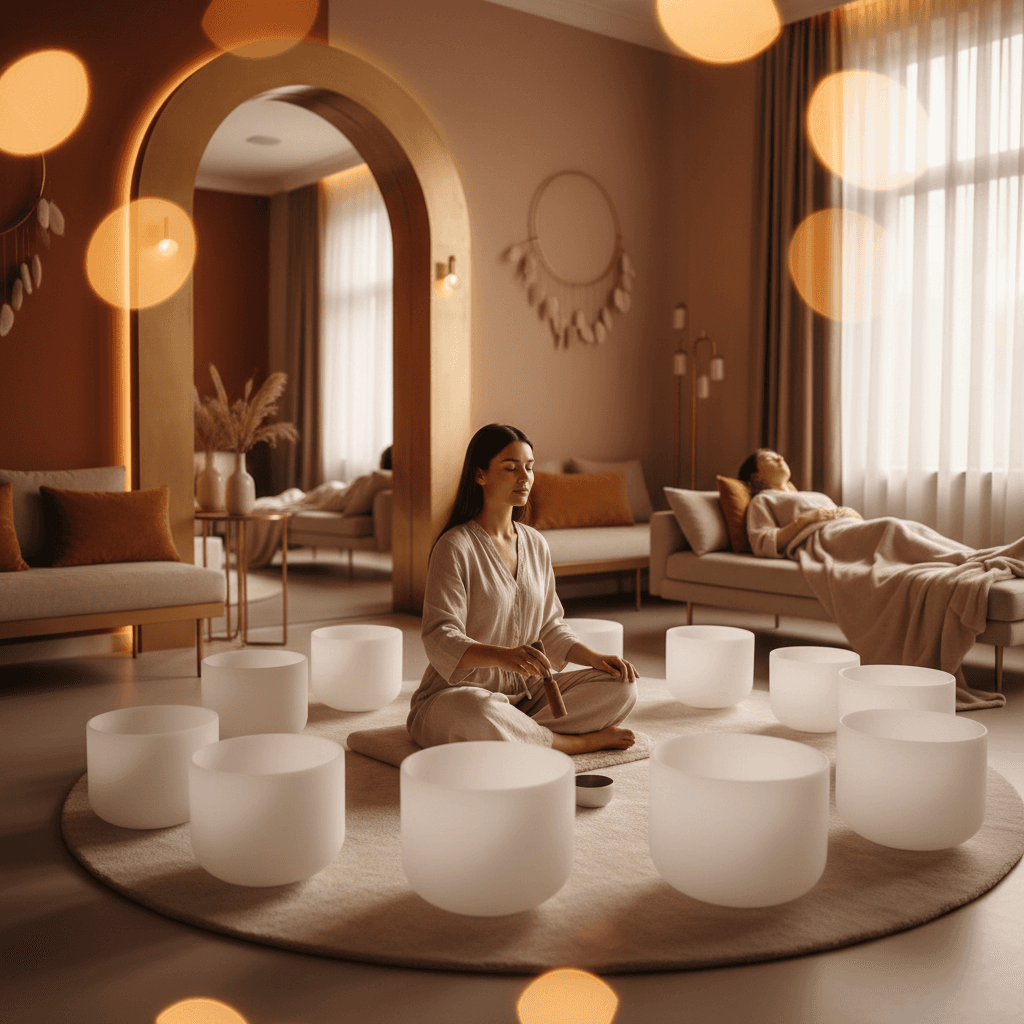
At Soul Art, we translate this science into a bespoke, sensory experience. My approach, as founder Larissa Steinbach, is rooted in the understanding that every athlete's nervous system and pre-performance needs are unique. We move beyond generic playlists to create personalized sonic environments designed for precise physiological and psychological outcomes.
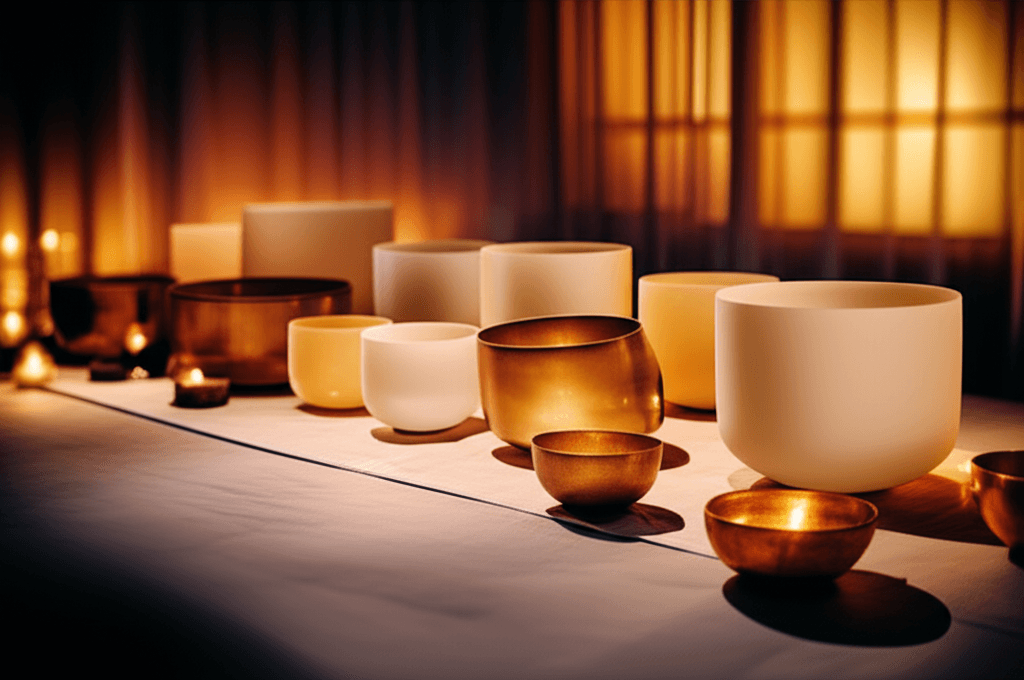
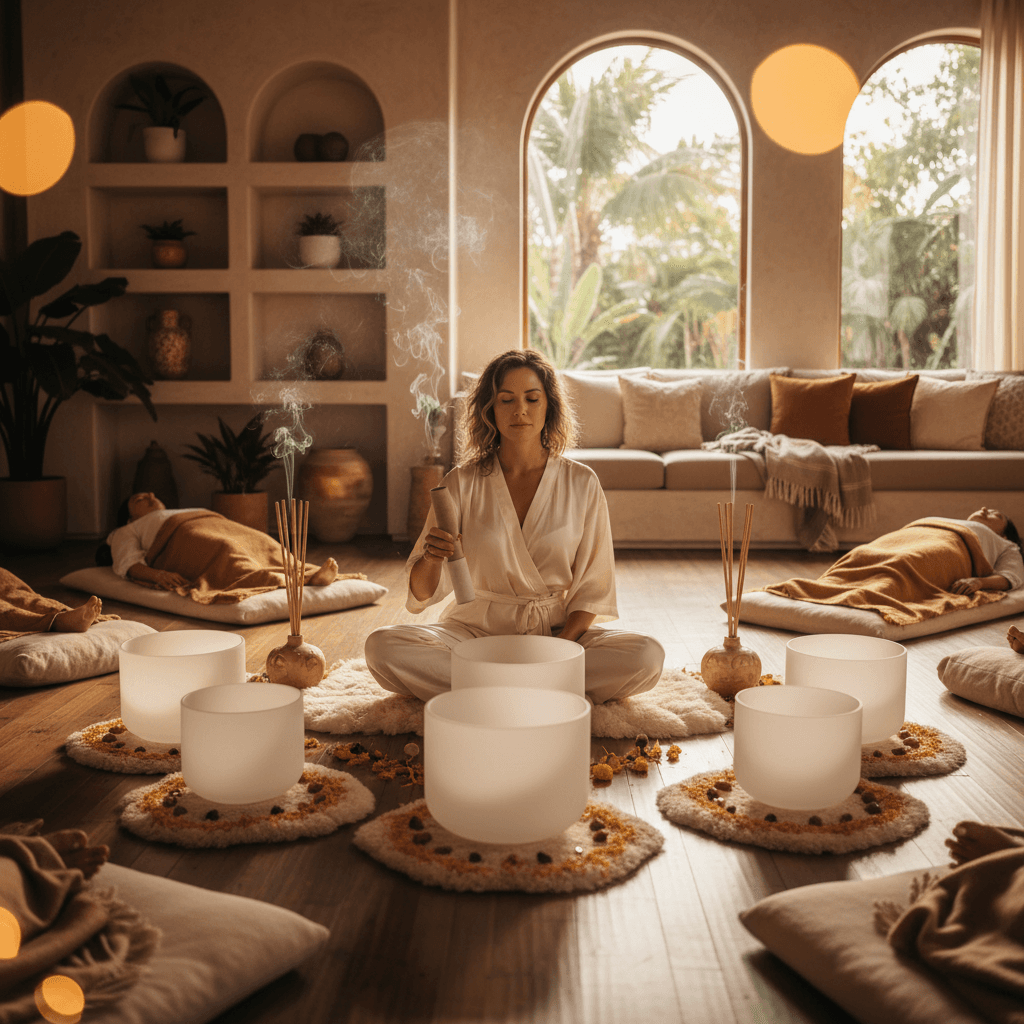
Our method is distinct because we utilize a curated selection of world-class vibrational instruments, each with a specific purpose.
- Crystal Alchemy Bowls: Forged with quartz, gemstones, and precious metals, these bowls produce remarkably pure sine waves. These pure tones are less complex for the brain to process, which may facilitate a faster shift into meditative Alpha and Theta brainwave states.
- Therapeutic Gongs: The complex harmonics and powerful resonance of the gong can create a deeply somatic experience. The vibrations are felt throughout the body, which can be an effective tool for releasing physical tension and processing stored emotional energy.
- Precision-Calibrated Tuning Forks: Used on or near the body, these forks apply specific frequencies directly to muscles, joints, and acupressure points, which many clients report helps with targeted relaxation and energy flow.
The Soul Art experience, guided by Larissa Steinbach, is a collaborative process. We work with athletes to identify their specific needs—whether it's managing performance anxiety, enhancing focus, or accelerating recovery—and design a sound ritual that becomes an integral part of their training and competition regimen.
Building Your Own Sound Ritual
While a guided session offers a profound experience, you can begin implementing these principles today to enhance your own athletic preparation. Creating a consistent sound ritual is a powerful act of self-care and a practical performance tool.
Here are a few actionable steps to get you started:
- Curate with Intention: Create two distinct playlists. One for pre-race calm (the night before) with slower, ambient music (around 60-80 BPM) and no lyrics. A second for your warm-up with motivational, higher-tempo music (120-140 BPM) that research suggests can increase power output.
- Explore Binaural Beats: Experiment with binaural beat tracks designed for specific outcomes. Use an Alpha wave track (8-12 Hz) for 15 minutes before training to cultivate a state of relaxed focus. Ensure you use stereo headphones for them to be effective.
- Practice Mindful Listening: Dedicate 5-10 minutes each day to simply listen. Choose a single sound—a singing bowl app, an ambient track, or even the sound of your own breath—and focus on it exclusively. This is training for your attention, just like lifting weights is for your muscles.
- Anchor Your Ritual: Consistency is key to building a strong psychological connection. Perform your sound ritual in the same way each time. Use the same headphones, listen in the same spot, and integrate it into your existing pre-performance routine.
These practices are a powerful starting point for harnessing the regulating power of sound. For those looking to deepen this connection and create a truly personalized protocol, a guided session can provide expert insight and a tailored sonic experience.
The Final Note on Performance
Ultimately, preparing for competition is as much an internal, mental game as it is an external, physical one. The anxiety, doubt, and pressure that athletes face are real physiological states, not just abstract feelings.
Sound rituals offer a scientifically-grounded method to move beyond simply enduring these states and toward actively shaping them. They are not a superstitious crutch but a sophisticated wellness tool for regulating the nervous system, sharpening focus, and cultivating a profound sense of control. By influencing key metrics like HRV and guiding the brain into optimal states of functioning, sound can help you unlock your true potential.
Your body is already an incredible instrument. At Soul Art, our mission is to help you tune it to the precise frequency of peak performance, calm, and confidence.
Bookings Coming Soon
Soul Art is still in preparation. Session details and booking will be published here after launch.
Coming Soon
Related Articles
Optimizing Athletic Performance: The Synergy of Sports Nutrition and Sound Wellness
Archery, Stillness, and Sound: Soul Art's Path to Focus
Swimming's Secret Weapon: Sound for Peak Aquatic Performance