Soundscapes of Serenity: PTSD Treatment & Trauma Recovery
Key Insights
Explore how sound therapy, a complementary wellness practice, supports PTSD treatment and trauma recovery by regulating the nervous system at Soul Art Dubai with Larissa Steinbach.
Re-tuning the Nervous System: Sound Therapy for PTSD and Trauma Recovery
Could the gentle hum of a tuning fork or the resonant thrum of a singing bowl offer solace to a mind grappling with the echoes of trauma? For individuals living with Post-Traumatic Stress Disorder (PTSD), the journey towards healing often feels complex and daunting, marked by persistent hypervigilance, anxiety, and a nervous system stuck in perpetual survival mode. Traditional treatments provide vital support, yet many seek complementary approaches that address the body's deeply ingrained responses to stress.
In Dubai, Soul Art, led by the visionary Larissa Steinbach, is at the forefront of exploring how carefully curated sound experiences may support profound shifts in wellbeing. This article delves into the scientifically-grounded mechanisms through which sound wellness practices can act as a bridge towards nervous system regulation, emotional release, and ultimately, a path to reclaiming inner peace for those affected by trauma. We will explore the science, practical applications, and the unique approach offered by Soul Art, offering hope and actionable insights for your healing journey.
The Neuroscience of Sound: Re-tuning the Traumatized Brain
The impact of trauma extends far beyond mental distress; it profoundly alters the brain and nervous system, often keeping the body in a state of heightened alert. Sound wellness practices offer a sophisticated, non-invasive method that may support the re-calibration of these physiological responses, gently guiding the body and mind towards a more regulated state.
Brainwave Entrainment and Nervous System Regulation
At its core, sound therapy works through a phenomenon known as brainwave entrainment. This means that consistent, rhythmic sound frequencies can influence our natural brainwave patterns, moving them from states of high-alert to deeper relaxation. When a person experiences PTSD, their brain often operates predominantly in high-frequency beta waves, indicative of heightened arousal and stress.
Sound-based practices may help the brain shift into slower alpha waves, associated with calm wakefulness, or even theta waves, linked to deep relaxation and meditative states. This shift is crucial for individuals with PTSD, who frequently struggle to achieve a sense of inner calm. By facilitating this transition, sound wellness supports the nervous system in disengaging from its chronic "survival mode."
Research suggests that sound-based practices may:
- Reduce anxiety and stress responses: By calming the sympathetic nervous system.
- Improve sleep quality: Allowing for deeper rest and restoration, which is often severely compromised in PTSD.
- Enhance emotional regulation: Creating a safer internal environment for processing difficult feelings.
- Increase resilience to stress: Building the body's capacity to return to a balanced state.
- Facilitate body awareness: Helping individuals reconnect with their physical sensations in a gentle, non-threatening way.
The Vagus Nerve and Groundbreaking Research
A key player in nervous system regulation is the vagus nerve, which influences heart rate, digestion, mood, and stress responses. Emerging research highlights how specific sound interventions can stimulate this crucial nerve, fostering a sense of safety and calm. For instance, the Safe and Sound Protocol (SSP), developed by neuroscientist Dr. Stephen Porges, utilizes frequency-filtered music to activate the vagus nerve. This non-invasive, evidence-based therapeutic tool has shown promising results in various settings, particularly in enhancing the effectiveness of talk therapies.
A significant $3.8 million Department of Defense grant has been awarded for a groundbreaking study integrating sound and music-based interventions, like the SSP, with established cognitive therapies for PTSD. This research aims to determine if frequency-filtered music can significantly reduce hyperarousal symptoms, which are hallmark indicators of PTSD, and enhance overall treatment outcomes in both civilian and military populations. Dr. Rebecca Knowles, Director of Research and Education at Unyte Health, Inc., notes, "This will also support a growing body of evidence that highlights the therapeutic impact of listening therapies, but more importantly, holds promise for helping individuals manage and overcome the hyperarousal symptoms that so often accompany PTSD.”
Hormonal and Physiological Impact
Beyond brainwaves, sound wellness may also have a tangible impact on our biochemistry. Music and sound are known to influence hormone production, acting as powerful agents for physiological change. Scientific studies, including those on music listening therapy, have brought evidence to support the positive outcomes in individuals struggling with PTSD, insomnia, anxiety, and other concerns.
Specific findings from research include:
- Lowering Cortisol: The primary stress hormone, often elevated in individuals with PTSD. Reducing cortisol can alleviate chronic stress and its associated health issues.
- Boosting Dopamine: A neurotransmitter associated with pleasure, motivation, and the brain's reward system. Increasing dopamine may contribute to improved mood and overall mental performance.
- Improved Heart Rate Variability (HRV): A key indicator of autonomic nervous system function and stress resilience. One trial involving veterans showed 100% of participants demonstrated improved HRV, increased autonomic nervous system function, and enhanced stress resilience after eight weeks of music-based treatment.
- Reduced Stress Hormones: Music listening therapy helps bring self-regulation processes back into balance, mitigating the body's overproduction of stress hormones.
As author Alex Doman aptly states, ">Music has real health benefits. It boosts dopamine, lowers cortisol and it makes us feel great. Your brain is better on music." This highlights the profound, yet often underestimated, physiological benefits of engaging with sound.
Creating a Safe Haven for Emotional Processing
For many clients, sound therapy becomes a critical bridge between body awareness and emotional healing. When the body is in a constant state of perceived threat, it becomes incredibly difficult to engage in emotional processing during traditional talk therapy. Sound-based practices help the nervous system feel safe enough for this deeper work to occur. This is why sound wellness for trauma is often used alongside psychotherapy; it creates the necessary physiological conditions for emotional processing to unfold gently and effectively.
Studies have investigated the effectiveness of sound therapy for PTSD, with participants reporting significant reductions in symptoms. Another study highlighted the benefits of binaural beats in reducing anxiety and improving sleep quality in PTSD patients, further underscoring the potential of these complementary approaches. By addressing the deep-seated physiological responses to trauma, sound wellness offers a pathway to not just manage symptoms, but to support a more holistic and enduring recovery.
From Theory to Experience: The Practical Application of Sound Wellness
Understanding the science behind sound wellness is one thing; experiencing its transformative potential is another. For individuals seeking support in their trauma recovery, the practical application of sound therapy involves carefully designed sessions that create a profound sensory and internal experience, fostering a return to balance.
A Journey into Resonance
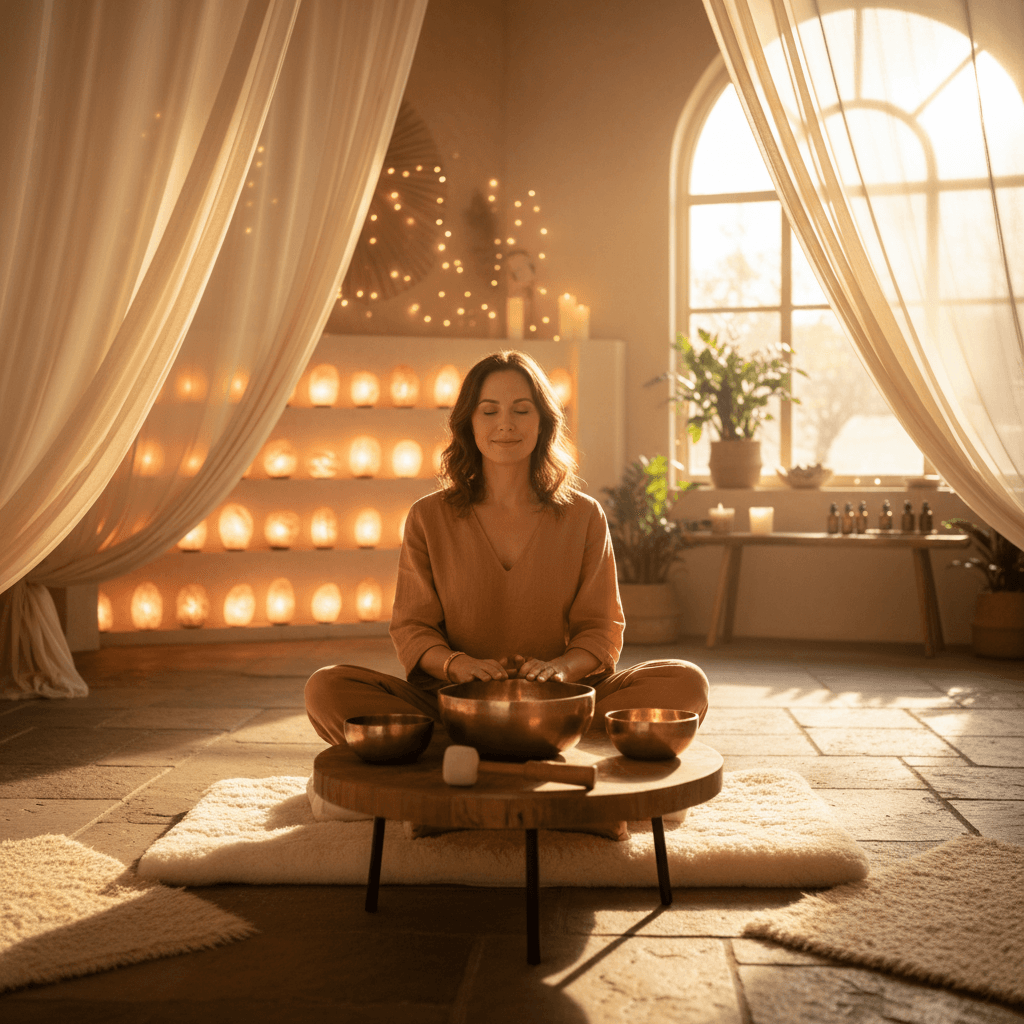
When a client embarks on a sound wellness session at a studio like Soul Art, they are invited into a serene and intentional space. The experience is often non-verbal, which can be particularly beneficial for those for whom verbal expression of trauma feels overwhelming or inaccessible. Instead, the focus shifts to the subtle yet powerful sensations within the body. Clients typically lie down comfortably, allowing the vibrations and frequencies to wash over them.
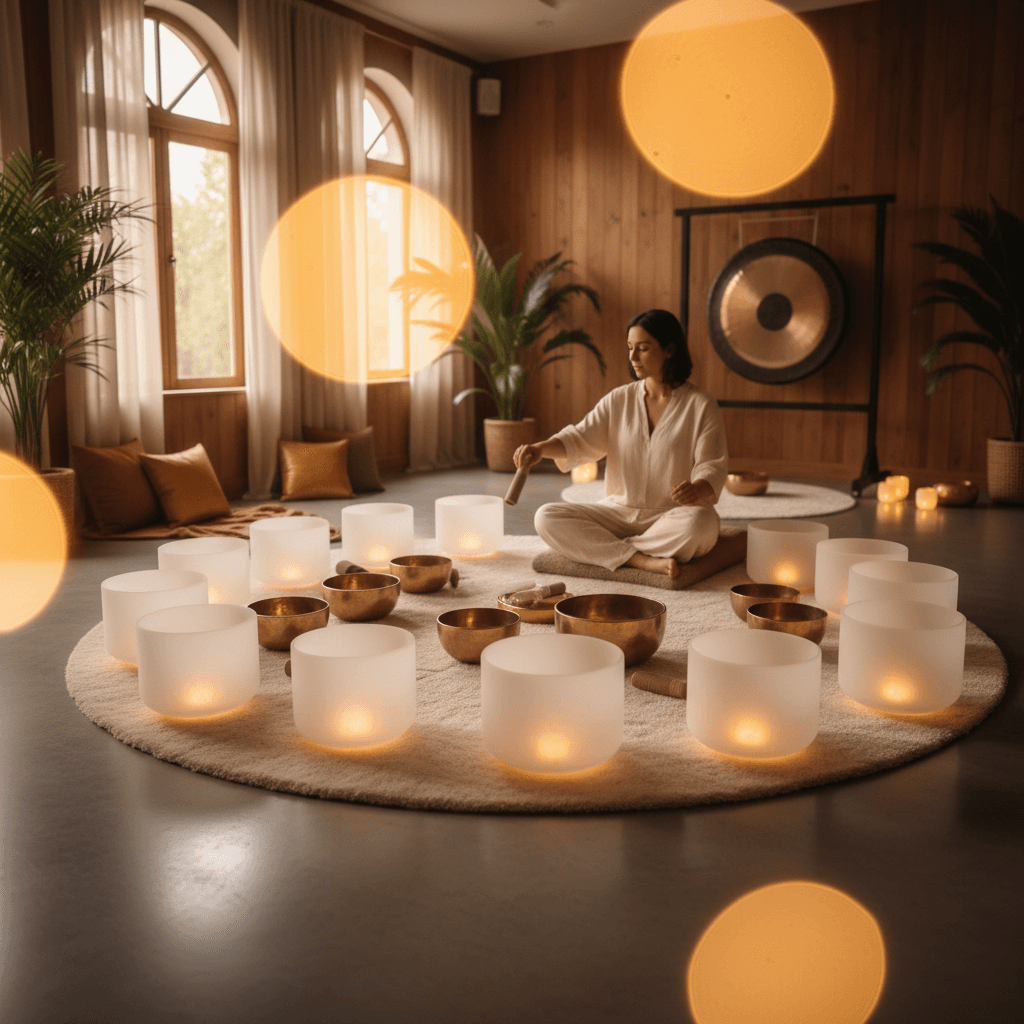
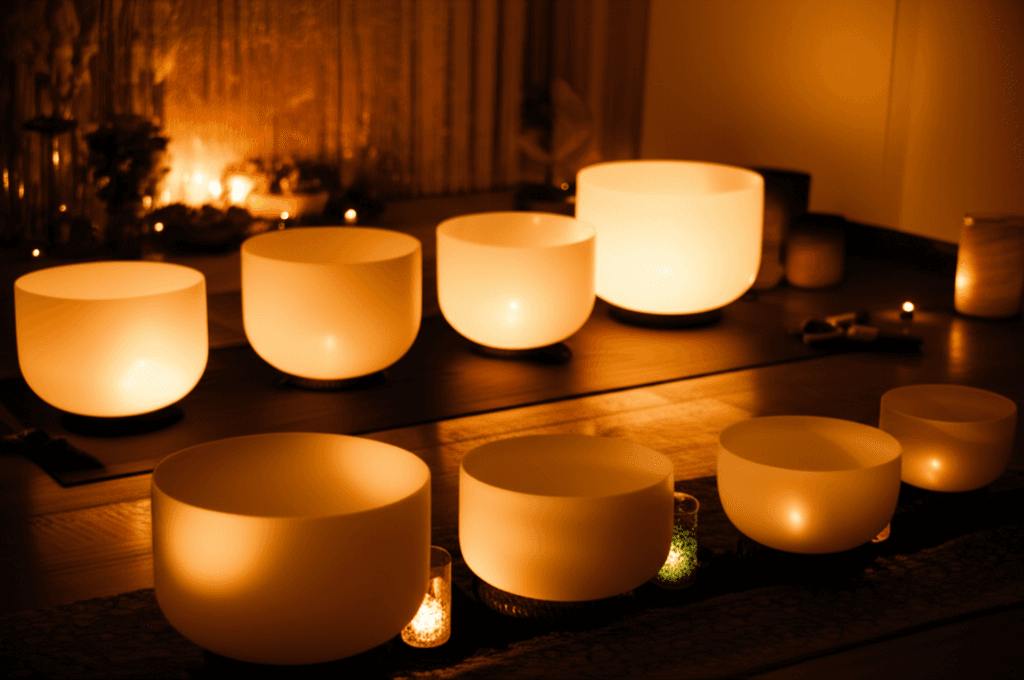
The session may involve a variety of instruments, each carefully chosen for its unique vibrational quality: the deep, grounding tones of gongs; the pure, sustained notes of crystal singing bowls; or the targeted frequencies of tuning forks. These sounds are not merely background noise; they are intentionally played to create a resonant field that encourages the body's natural relaxation responses. The practitioner, like Larissa Steinbach, guides the experience, creating a safe container for whatever emotions or sensations may arise, promoting a sense of security and acceptance. This journey of resonance allows the body and mind to gradually release tension, manage hyperarousal symptoms, and find a renewed sense of calm.
Specific Techniques and Their Effects
Implementing sound wellness for PTSD can take several forms, whether through guided sessions with a certified sound therapist or through personal practices using specific tools at home. These techniques are designed to support various aspects of trauma recovery:
- Listening to Calming Music: This fundamental practice can significantly reduce anxiety and stress. Curated playlists with specific tempos and harmonic structures can soothe the nervous system, providing a mental "safe space" for relaxation. This passive listening has been shown to decrease PTSD symptoms in various studies.
- Binaural Beats: These are auditory illusions perceived when two different pure-tone sine waves, with frequencies differing by a small amount, are presented to a listener dichotically (one tone in each ear). The brain perceives a third "beat" at the frequency difference, which can guide brainwaves towards desired states like alpha or theta, promoting relaxation and improved sleep.
- Guided Meditation with Sound: Combining guided visualization or mindfulness prompts with sound elements helps individuals focus, release mental chatter, and deepen their meditative state. The sound acts as an anchor, making it easier to stay present and cultivate inner peace.
- Targeted Vibrational Therapy: Instruments like tuning forks can be applied to specific areas of the body, offering localized vibrational input that may help release tension, improve circulation, and promote a sense of grounding. This can be particularly effective for individuals who experience somatic symptoms of trauma.
- The Safe and Sound Protocol (SSP): As mentioned, the SSP uses frequency-filtered music to train the auditory system to better process human vocal frequencies. By stimulating the vagus nerve, it helps to regulate the autonomic nervous system, making it easier to engage in social interaction, emotional regulation, and feel a sense of safety. This can significantly enhance the effectiveness of talk therapies, allowing for deeper engagement and processing.
Many people with PTSD experience increased sensitivity to sound or exaggerated startle responses. Sound wellness practices can help retrain the brain's response by gently introducing sounds in a controlled and supportive environment, gradually desensitizing negative emotional associations. While for some, certain sounds can be triggering, carefully managed sound exposure through professional guidance can incrementally improve sound tolerance and reduce reactivity, moving towards a more regulated auditory experience. These techniques, when integrated thoughtfully, can offer a powerful, complementary pathway for individuals to manage their symptoms and embark on a journey of deep healing.
The Soul Art Signature: Larissa Steinbach's Vision for Sound Wellness
In the bustling metropolis of Dubai, Soul Art stands as a sanctuary of serenity, offering a unique and profound approach to sound wellness. At its heart is the vision of founder Larissa Steinbach, whose dedication to holistic healing has shaped Soul Art into a premier destination for those seeking balance and deep restoration.
Curated Experiences for Deep Transformation
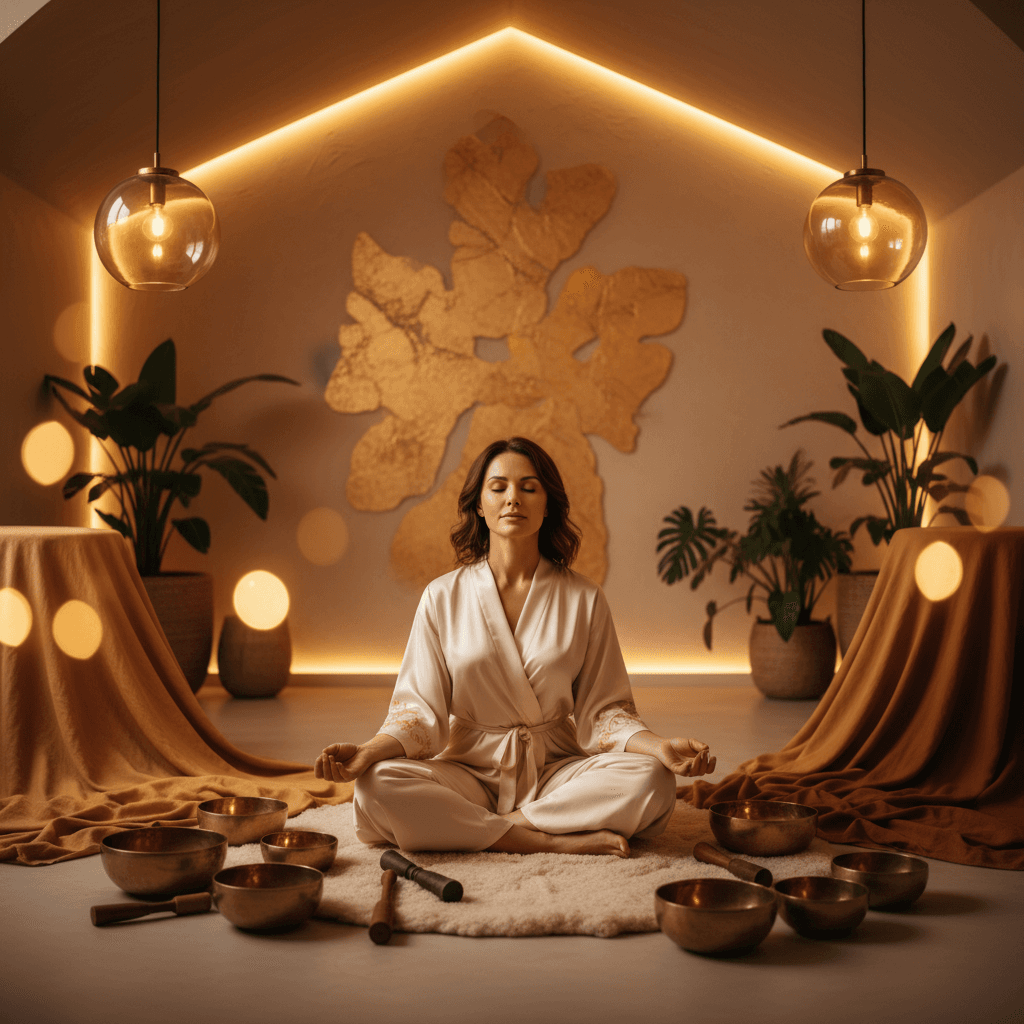
Larissa Steinbach's philosophy at Soul Art centers on creating bespoke sound experiences that honor the individual's journey. Recognizing that each person's experience with trauma is unique, the Soul Art method moves beyond generic sound baths, offering carefully curated sessions designed to meet specific needs. The studio's commitment to "quiet luxury" ensures an environment that is not only aesthetically pleasing but also profoundly calming and conducive to healing.
Soul Art's approach emphasizes the profound connection between mind, body, and spirit. It integrates sophisticated sound protocols with an understanding of nervous system regulation, ensuring that each session is not just relaxing but also purposefully supports the body's natural capacity for self-repair. Larissa Steinbach believes in empowering individuals with tools and experiences that foster long-term resilience and emotional equilibrium.
Instruments and Intent
The transformative power of Soul Art’s sessions lies in the mindful selection and application of various instruments, each chosen for its specific vibrational qualities. Clients may experience:
- Gongs: Known for their deep, immersive resonance that can facilitate deep states of relaxation and release.
- Crystal Singing Bowls: These bowls produce pure, ethereal tones that resonate with the body's energetic centers, promoting harmony and emotional balance.
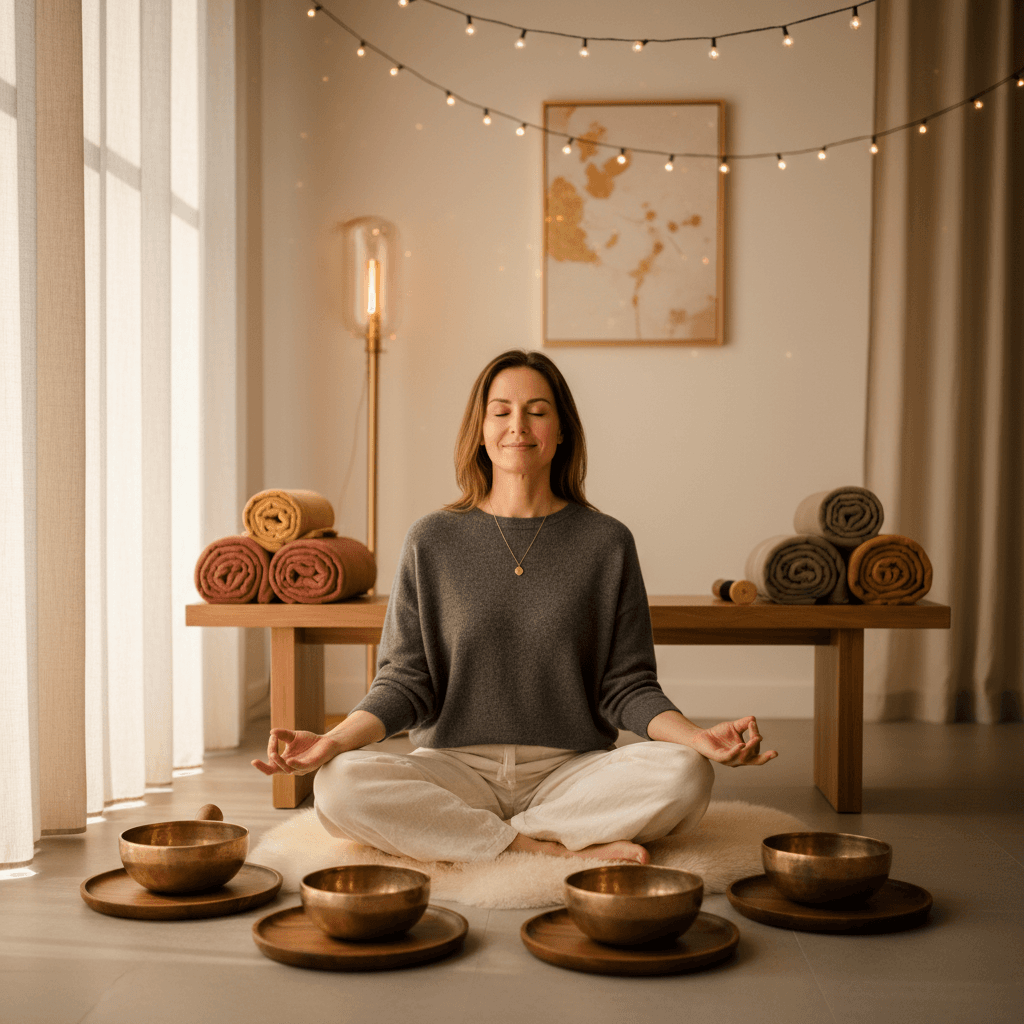
- Tibetan Singing Bowls: With their rich, complex overtones, these bowls offer grounding vibrations that can help reduce anxiety and promote a sense of inner peace.
- Tuning Forks: Utilized for their precise frequencies, tuning forks can be applied to specific areas of the body or around the energy field to support energetic alignment and physical relaxation.
Larissa Steinbach's expertise ensures that these instruments are played with intentionality, creating a symphonic journey designed to guide the nervous system into a state of coherence and calm. The underlying intent is always to create a safe, supportive space where individuals can gently explore their inner landscape, release stored tension, and reconnect with their inherent capacity for healing. Soul Art's unique methodology, guided by Larissa Steinbach, provides a sophisticated blend of scientific understanding and ancient wisdom, offering a truly transformative pathway for trauma recovery and overall wellbeing.
Cultivating Inner Harmony: Practical Steps for Your Wellness Journey
Embarking on a journey of trauma recovery requires patience, self-compassion, and a willingness to explore diverse avenues of support. Integrating sound wellness practices into your routine can be a gentle yet powerful step towards cultivating inner harmony and nervous system regulation. Here are some practical steps you can consider to begin exploring the potential benefits of sound.
Integrating Sound into Your Daily Routine
- Mindful Listening: Start by dedicating time each day to listen to calming music or nature sounds without distraction. Choose pieces known for their tranquil qualities, allowing your mind to focus solely on the auditory experience. Notice how your body responds to the sounds, observing any shifts in tension or relaxation.
- Explore Guided Sound Meditations: Many apps and online platforms offer guided meditations that incorporate sound elements like binaural beats, ambient music, or specific instrument recordings. These can be excellent for cultivating a sense of calm and training your brain to enter more relaxed states. Even a short 10-15 minute session daily may support noticeable changes.
- Create an Auditory "Safe Space": Identify sounds that bring you comfort and peace, and intentionally incorporate them into your living environment. This could be soft instrumental music, the gentle hum of a white noise machine, or even the subtle sounds of a water feature. Creating a consistently soothing auditory backdrop may help mitigate hyperarousal and foster a sense of security at home.
- Consider Professional Sound Wellness Sessions: For a deeply immersive and expertly guided experience, explore sessions with certified sound wellness practitioners. A studio like Soul Art, led by Larissa Steinbach, offers tailored experiences designed to specifically support nervous system regulation and trauma integration. These sessions provide a safe and structured environment to explore the profound effects of vibrational healing.
- Journal Your Experiences: After engaging with sound, take a few moments to journal any thoughts, feelings, or physical sensations that arose. This can help you track your progress, identify what works best for you, and deepen your awareness of sound's impact on your overall wellbeing.
Soul Art is still in preparation. Session details and booking will be published here after launch. We invite you to explore the transformative power of sound at Soul Art.
Reclaiming Peace: A Path Forward with Sound Wellness
In conclusion, the journey of healing from PTSD and trauma is deeply personal, yet the emerging field of sound wellness offers a scientifically-grounded and profoundly gentle pathway to support this process. By actively influencing brainwave patterns, stimulating the vagus nerve, and regulating crucial stress hormones, sound-based practices provide a unique avenue for the nervous system to shift from chronic hyperarousal to a more regulated, peaceful state. This complementary approach supports emotional processing, reduces anxiety, and significantly improves sleep quality, building resilience from within.
Soul Art, under the discerning guidance of Larissa Steinbach, is dedicated to providing exquisite sound experiences that honor this intricate science and the profound needs of individuals on their healing path. Through carefully curated sessions, utilizing the resonant power of gongs, singing bowls, and other instruments, Soul Art offers a sanctuary for deep relaxation and transformative recovery. We invite you to explore how the serene soundscapes at Soul Art may support you in reclaiming your inner peace and fostering lasting wellbeing.
Bookings Coming Soon
Soul Art is still in preparation. Session details and booking will be published here after launch.
Coming Soon
Wellness Disclaimer: This article is for educational and informational purposes only. It does not constitute medical advice, diagnosis, or treatment. Soul Art Dubai provides non-medical wellness experiences focused on relaxation, stress management, and general wellbeing. Sound wellness is a complementary practice and should not replace professional medical care.