Transforming Mental Health Units with Sound Wellness
Key Insights
Explore how targeted sound wellness, championed by Soul Art's Larissa Steinbach, can revolutionize psychiatric hospital environments, reducing noise and fostering healing.
Imagine a space designed for healing, yet permeated by a constant, often distressing, din. This is the reality for many patients and staff within psychiatric hospital environments, where noise levels frequently exceed recommended health guidelines. Far from being a mere annoyance, this auditory landscape can profoundly impact mental well-being and hinder recovery.
At Soul Art, Dubai’s premier sound wellness studio, we believe in the transformative power of intentional sound. Under the visionary leadership of Larissa Steinbach, we explore how evidence-based sound practices can create therapeutic havens, even within the challenging acoustics of mental health units. This article delves into the science behind sound's impact on mental health and offers a glimpse into how targeted sound interventions may foster deeper healing and a more supportive atmosphere.
Join us as we uncover how carefully curated soundscapes and thoughtful acoustic design can shift the paradigm of mental health care, promoting relaxation, emotional regulation, and a greater sense of peace for everyone within these vital facilities.
The Science Explained: Unveiling Sound's Impact on Mental Health
The intricate relationship between our auditory environment and our psychological state is a growing area of scientific inquiry. While often overlooked, the sounds that surround us profoundly influence our brains and bodies, particularly in sensitive settings like psychiatric hospitals. Research consistently highlights the critical need to address acoustic challenges in these environments.
The Auditory Burden in Healthcare Settings
Hospital noise levels have been increasing steadily for decades, frequently surpassing recommended guidance from organizations like the World Health Organization (WHO), which suggests a maximum of 45 dBA for hospital wards. Studies indicate that sound pressure levels in general hospitals often exceed this threshold, impacting both physiological and psychological health. This constant auditory stress can contribute to a heightened state of arousal, making rest and recovery more challenging for patients.
In psychiatric hospital wards specifically, recorded sound levels have been shown to match or even exceed those found in community or workplace environments. One exploratory study revealed an overall mean sound level of 75.68 dB, with peak levels as high as 85 to 90 dB. These levels are alarmingly high, approaching ranges known to cause hearing loss, and are even higher than those recorded in medical, surgical, and intensive care units.
How Noise Affects the Brain and Body
Excessive or intrusive noise does more than just disturb; it engages a complex cascade of physiological and psychological responses. The brain, particularly the prefrontal cortex responsible for executive functions, is a primary target organ for noise-mediated effects. High sound levels can interfere with cognitive functioning, impairing focus, memory, and decision-making abilities.
Moreover, noise exposure has a substantial pathomechanistic overlap with mental health conditions such as depression. Chronic noise can induce cerebral oxidative stress and inflammation, contributing to neurobiological changes that may promote the development of mental health problems or increase their severity. This "bonfire fashion" effect suggests that a noisy environment can exacerbate existing conditions, making the healing journey more arduous.
Key impacts of environmental noise include:
- Physiological Stress: Elevated heart rate, blood pressure, and cortisol levels, indicating a "fight or flight" response.
- Sleep Disruption: Difficulty falling and staying asleep, leading to fatigue and impaired cognitive function.
- Cognitive Impairment: Reduced attention span, memory issues, and difficulty with problem-solving.
- Emotional Dysregulation: Increased irritability, anxiety, and heightened agitation.
- Neurobiological Changes: Potential for neuroinflammation and oxidative stress, impacting brain health.
The Promise of Positive Soundscapes
While the challenges of noise are significant, research also reveals the immense potential of positive sound measures. Introducing natural sounds, soothing music, or structured sound wellness interventions can profoundly transform the ambience and atmosphere of mental health units. These acoustic adjustments may not only improve relations between staff and patients but also serve as non-pharmacological, therapeutic interventions.
Studies examining non-pharmacological approaches to improve sleep quality in mental healthcare environments have shown promising results. A pilot study in psychiatric admission wards found that newly admitted service users perceived significant sleep problems. Interventions like music-assisted relaxation, where service users listened to soothing music on an MP3 player at bedtime, were introduced and facilitated by nursing staff, offering a pathway to better rest. This demonstrates the feasibility and positive impact of integrating targeted sound experiences.
"The ambience and atmosphere of a unit can be transformed by small acoustic adjustments that improve not only relations between staff and patients, but serve as non-pharmaceutical and even therapeutic interventions."
The scientific community is increasingly interested in how specific sounds make people feel, and how these feelings influence their actions and movements within environments designed for healing. This growing body of evidence forms the bedrock of Soul Art's approach to sound wellness.
How It Works in Practice: From Theory to Therapeutic Experience
Connecting the scientific understanding of sound's impact to its practical application reveals powerful possibilities for mental health units. Implementing intentional sound interventions moves beyond mere noise reduction; it involves curating auditory environments that actively support healing, comfort, and emotional well-being. This shift transforms a potentially stressful space into a truly therapeutic one.
Redefining the Auditory Environment
In practical terms, reshaping the soundscape of a psychiatric unit begins with understanding current noise sources. While medical equipment and daily care activities contribute, verbal communication among staff and patients is often identified as a primary source of acoustic pressure. Even seemingly minor elements, such as the opening and closing of doors or the entry doorbell, can be perceived as disturbing.
By identifying and addressing these specific noise sources, facilities can implement targeted interventions. This might include:
- Acoustic Design Elements: Integrating sound-absorbing materials into walls, ceilings, and flooring.
- Mindful Operational Adjustments: Encouraging quieter communication practices and optimizing door mechanisms.
- Sound Masking Technologies: Introducing subtle, continuous ambient sounds to reduce the perception of disruptive noises.
These architectural and relational measures work in concert to lower overall sound pressure levels, creating a calmer backdrop for recovery.
The Power of Curated Soundscapes
Beyond noise reduction, the strategic introduction of positive sounds offers profound benefits. Music, in particular, has emerged as a potent tool within healthcare contexts. Both formal music therapy sessions and non-therapist-led interventions, such as listening to pre-recorded music, have demonstrated significant positive outcomes.
Music acts as a medium for:
- Emotional Processing: Helping individuals explore and express complex feelings in a safe, non-verbal way.
- Stress Reduction: Inducing physiological relaxation, lowering heart rate, and reducing muscle tension.
- Improved Sleep Quality: Guiding the brain into restorative sleep states, particularly when used as a bedtime intervention.
- Decreased Agitation and Anxiety: Providing a focal point that can distract from distressing thoughts and promote a sense of calm.
- Enhanced Socialization: Encouraging interaction and a sense of connection through shared musical experiences.
One study on an acute inpatient unit found music to be the most frequently used independent therapeutic nursing intervention for decreasing agitation, anxiety, aggression, and depression, as well as improving sleep. Patients were offered music listening as an alternative intervention to medication for agitation, with observed decreases in PRN medication administration for these symptoms. This highlights music's potential as a valuable, low-cost, and well-received complementary strategy.
Fostering Connection and Normalization
Music therapy sessions, when expertly facilitated, can achieve emotional benefits across various diagnoses, from schizophrenia to affective disorders. Patients often report feeling heard, understood, and respected, with an overall sense that the session was beneficial. These sessions also play a crucial role in improving alliance with care teams, fostering trust, and enhancing the therapeutic relationship.
Furthermore, integrating sound wellness provides normalizing spaces within the often clinical and stigmatizing environment of a psychiatric unit. Offering choices in soothing music or guided sound experiences empowers patients, giving them a sense of agency and contributing to a more person-centered approach to care. This holistic perspective recognizes that comfort and a supportive atmosphere are integral components of the healing journey.
The Soul Art Approach: Larissa Steinbach’s Vision for Harmonious Healing
At Soul Art, Larissa Steinbach’s unique methodology transcends conventional wellness, offering a sophisticated and deeply empathetic approach to sound healing. We understand that in sensitive environments like mental health units, the intention behind every frequency is paramount. Our philosophy is rooted in creating bespoke auditory experiences that resonate with the individual's journey toward equilibrium and inner peace.
Larissa Steinbach's vision for Soul Art is to harness the precise therapeutic potential of sound, carefully curating soundscapes that encourage deep relaxation and nervous system regulation. This is not merely about playing soothing music; it is a nuanced application of specific frequencies and acoustic principles designed to foster a profound sense of calm and promote self-connection.
Curated Sound Journeys for Sensitive Environments
The Soul Art method emphasizes a "quiet luxury" in its approach, meaning that our interventions are thoughtfully designed to be understated yet profoundly impactful. We integrate both natural and specially composed soundscapes, informed by scientific research into neuroacoustics and psychophysiology.
Key elements of the Soul Art approach include:
- Personalized Soundscapes: Recognizing that individual responses to sound vary, we advocate for adaptable sound environments. This may involve providing options for personal listening devices with a curated selection of soothing sounds or music, allowing patients to choose what resonates most with them.
- Natural Sound Integration: Leveraging the restorative power of natural sounds like gentle rain, ocean waves, or forest ambiances. Research indicates that such sounds can encourage relaxation, increase positive mood, and promote a greater sense of connection with the natural world, even within an indoor setting.
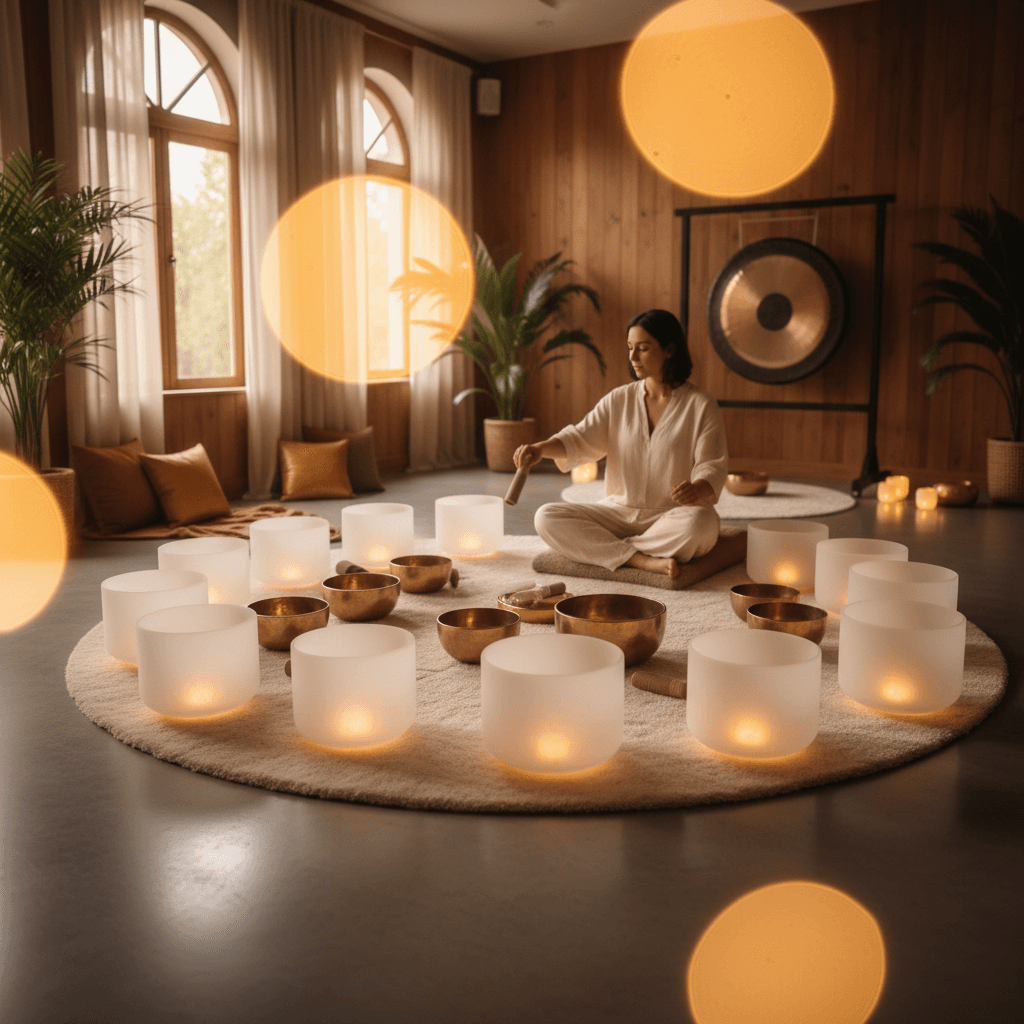
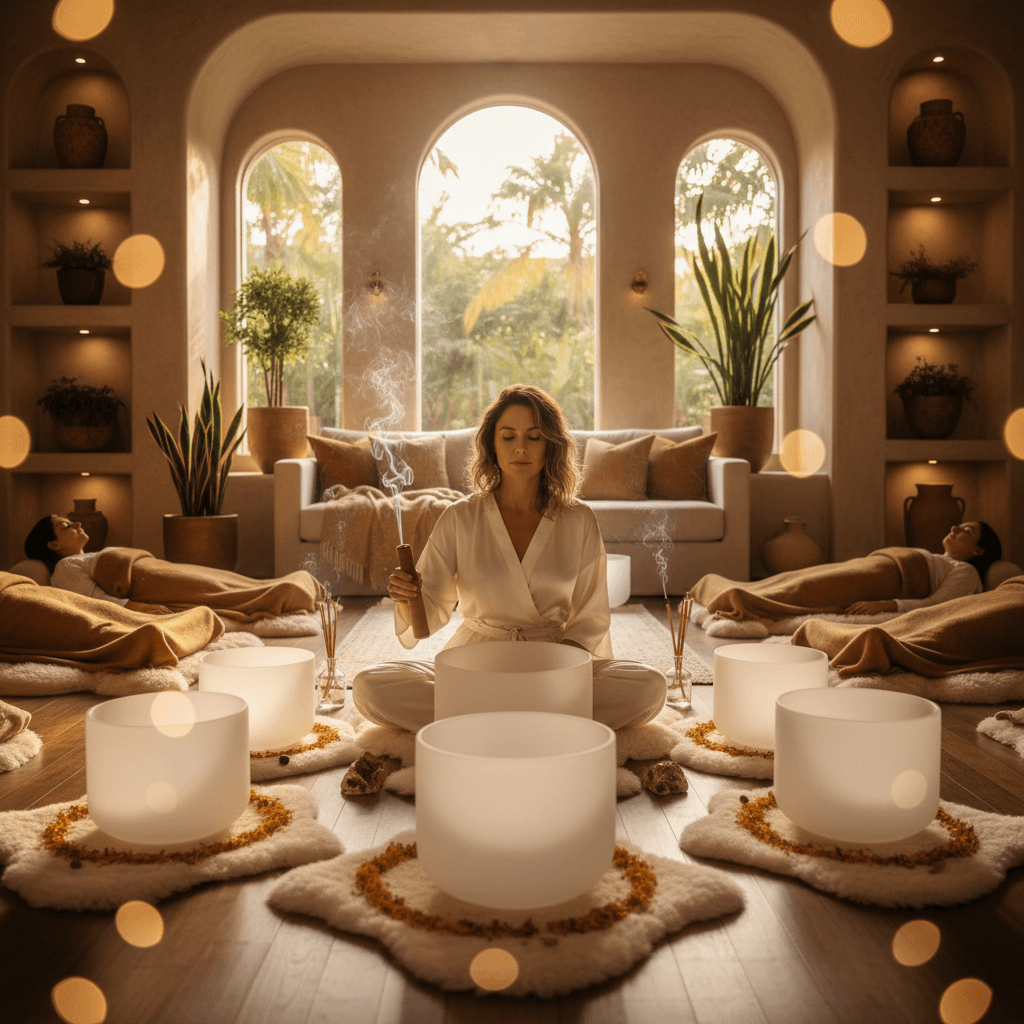
- Tuned Frequencies and Vibrations: Utilizing instruments such as crystal singing bowls, gongs, and chimes, whose resonant frequencies are known to influence brainwave states and promote relaxation. These instruments create immersive sound baths that can gently guide the mind into alpha and theta states, conducive to stress reduction and mental clarity.
- Guided Relaxation and Breathwork: Incorporating verbal guidance and breath prompts alongside sound to deepen the relaxation response. This helps individuals to anchor themselves in the present moment and release tension.
Larissa Steinbach’s expertise ensures that each sound experience is crafted with the highest level of care and understanding. Her focus is on creating an auditory "holding space" – an environment where individuals feel safe, supported, and gently guided towards a state of greater well-being. This non-invasive, complementary approach supports the body’s innate ability to self-regulate and find balance.
A Complementary Path to Wellness
While Soul Art's practices are a wellness offering, their application within psychiatric units underscores their potential as valuable complementary tools. They are designed to work in harmony with existing medical and therapeutic protocols, offering a dimension of care focused on the ambient environment and the subtle yet powerful influence of sound. The goal is to reduce environmental stressors, enhance the overall atmosphere, and support patients in their journey toward mental and emotional stability.
By thoughtfully designing with sound in mind, we believe that environments intended for healing can become truly restorative. This approach not only benefits patients by supporting relaxation and emotional processing but also creates a more peaceful and productive environment for staff, improving overall well-being across the unit.
Your Next Steps: Integrating Sound into Daily Wellness
The insights from psychiatric units highlight a universal truth: our auditory environment significantly shapes our well-being. While comprehensive acoustic redesigns are complex, there are immediate, accessible steps you can take to harness the power of sound for your own mental and emotional balance. Incorporating intentional sound practices into your daily routine can offer a profound sense of calm and help regulate your nervous system.
Here are 3-5 actionable steps you can implement today:
- Curate Your Personal Soundscape: Take control of your auditory environment. Create playlists of natural sounds (rain, ocean waves, birdsong) or instrumental music that you find genuinely soothing. Use these during periods of stress, before sleep, or as background while working to create a calmer atmosphere.
- Practice Mindful Listening: Dedicate a few minutes each day to simply listen. Close your eyes and notice the sounds around you without judgment. Then, shift your focus to an intentional soothing sound, like a gentle chime or a specific piece of calming music. This practice can sharpen your awareness and provide a mental reset.
- Embrace Sound for Sleep Hygiene: If you experience sleep difficulties, integrate a consistent sound ritual into your bedtime routine. This could be listening to guided meditation, ambient sleep sounds, or a calming piece of classical music for 15-30 minutes before bed. This helps signal to your brain that it's time to wind down.
- Explore Therapeutic Frequencies: Consider incorporating instruments like tuning forks or singing bowls into your self-care. Even listening to recordings of these instruments can introduce resonant frequencies that may support relaxation and mental clarity. Many apps and online resources offer access to these therapeutic sounds.
- Mindfully Manage Noise Exposure: Be aware of the noise levels in your daily life. Identify sources of excessive or disturbing noise and take steps to mitigate them. This could involve using noise-canceling headphones in loud environments, choosing quieter routes for commutes, or creating a designated "quiet zone" in your home.
These practices are not just for clinical settings; they are powerful tools for everyday self-care. By consciously engaging with sound, you can actively foster an environment that supports your mental well-being and emotional resilience.
In Summary: Harmonizing Environments for Holistic Healing
The journey through the intricate world of sound in mental health units reveals a compelling truth: the acoustic environment is not a passive backdrop but an active participant in the healing process. From the detrimental impact of excessive noise to the profound potential of carefully curated soundscapes, evidence consistently points towards the importance of auditory wellness. Implementing thoughtful acoustic design and introducing intentional sound practices, such as music-assisted relaxation or natural soundscapes, can significantly reduce patient agitation, improve sleep quality, and foster a greater sense of calm and connection within these vital facilities.
At Soul Art, Larissa Steinbach champions this holistic perspective, recognizing sound wellness as a vital, complementary approach to supporting mental health. By integrating scientific understanding with empathetic, sophisticated practices, Soul Art offers pathways to transform environments and personal well-being. We invite you to explore the profound benefits of intentional sound – not as a medical treatment, but as a powerful tool for relaxation, stress management, and cultivating inner peace.
Bookings Coming Soon
Soul Art is still in preparation. Session details and booking will be published here after launch.
Coming Soon
Wellness Disclaimer: This article is for educational and informational purposes only. It does not constitute medical advice, diagnosis, or treatment. Soul Art Dubai provides non-medical wellness experiences focused on relaxation, stress management, and general wellbeing. Sound wellness is a complementary practice and should not replace professional medical care.