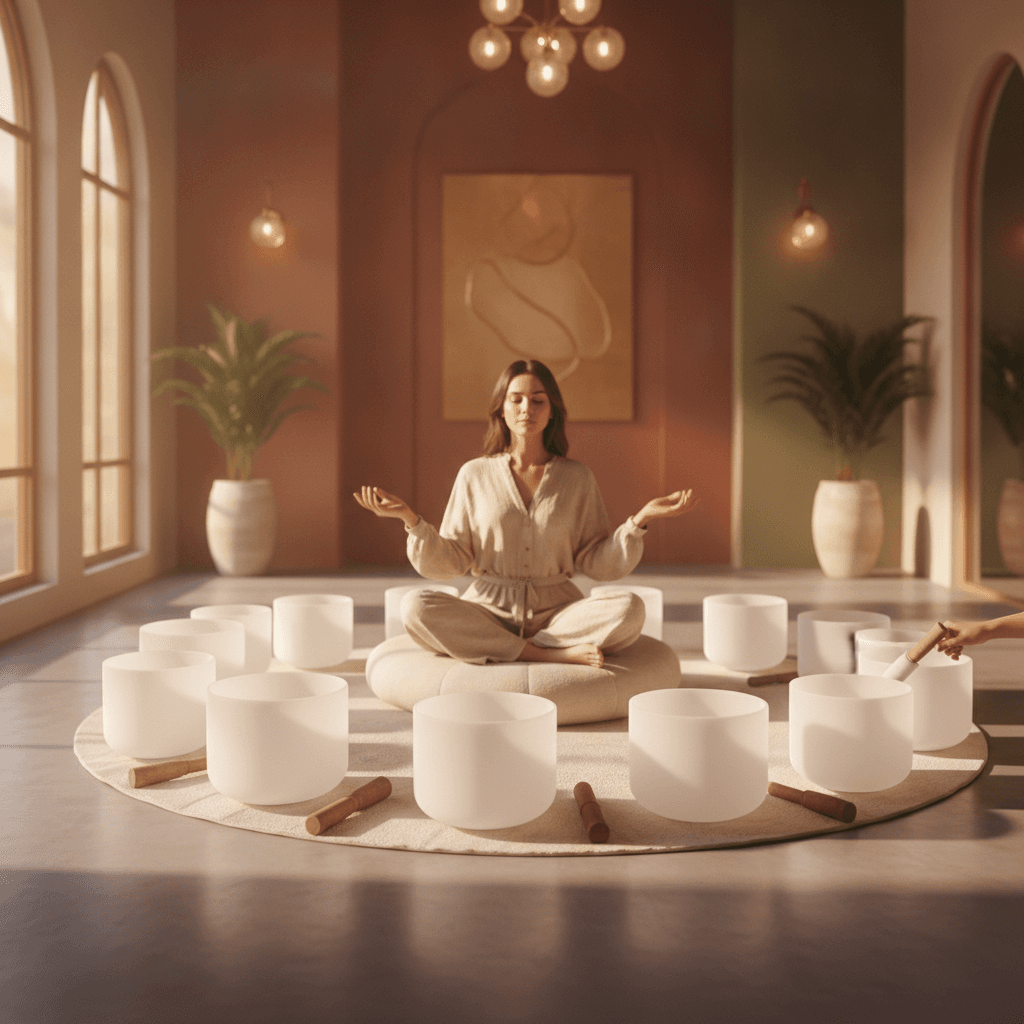
Proprioception & Sound: Locating Your Body in Space
Key Insights
Explore how sound wellness enhances proprioception, helping you deeply connect with your body and find grounding with Soul Art Dubai by Larissa Steinbach.
Compelling Introduction
Have you ever felt disconnected from your physical self, perhaps floating through a busy day without truly feeling grounded in your body? In our fast-paced modern world, it’s remarkably common to lose touch with our fundamental sense of proprioception—the often-unconscious awareness of our body’s position and movement in space. This vital internal compass is crucial for everything from balancing to emotional regulation.
This article delves into the fascinating intersection of proprioception and sound, exploring how immersive sound experiences can help re-establish and strengthen this intrinsic bodily sense. We’ll uncover the science behind how specific frequencies and vibrations offer novel sensory input, guiding you back into a deeper, more profound relationship with your physical form. Understanding this connection is not just an intellectual exercise; it’s a pathway to enhanced well-being, improved stability, and a greater sense of inner peace.
At Soul Art Dubai, founded by Larissa Steinbach, we witness daily how sound wellness helps individuals anchor themselves, fostering a sense of presence that profoundly impacts their mental and emotional states. Join us as we explore how the ancient wisdom of sound, backed by contemporary neuroscience, can help you rediscover the remarkable capacity of your own body to find its place in the world. This journey promises not only clarity but also a deep, resonant sense of belonging within yourself.
The Science Explained
Understanding Proprioception: Your Body's Sixth Sense
Proprioception is a sophisticated sensory system, often referred to as our body's "sixth sense," that provides continuous feedback to the brain about our body's position, movement, and effort. It operates largely unconsciously, allowing us to perform complex actions without constant visual monitoring. Without proprioception, simple tasks like walking or reaching for an object would become incredibly challenging.
This intricate system relies on specialized sensory receptors called proprioceptors, which are strategically located throughout the musculoskeletal system. These include muscle spindles, Golgi tendon organs, and joint receptors. They detect changes in muscle length, tension, and joint angles, relaying this critical information to the central nervous system.
- Muscle Spindles: These receptors are found within the belly of muscles and detect changes in muscle length and the rate of stretch. They are essential for maintaining posture and coordinating movement.
- Golgi Tendon Organs (GTOs): Located in the tendons that connect muscles to bone, GTOs monitor muscle tension and force production. They help prevent excessive muscle contraction, protecting against injury.
- Joint Receptors: These are found in the joint capsules and ligaments, providing information about joint position and movement. They are critical for joint stability and awareness of limb placement.
The brain integrates all this incoming proprioceptive data, along with information from other senses like vision and the vestibular system (balance), to create a comprehensive map of the body in space. This dynamic internal map allows for precise motor control and a coherent sense of self. When this system is optimized, we feel grounded, coordinated, and present.
The Auditory-Somatic Connection: How Sound Shapes Perception
Sound is much more than what we hear; it is a pervasive physical phenomenon experienced through vibrations that travel through the air, water, and even our bodies. When sound waves reach us, they don't just stimulate the auditory nerves in our ears. They also create tactile and kinesthetic sensations that can directly influence our proprioceptive awareness.
The physical vibrations of sound instruments, particularly those used in sound wellness practices, travel through the skin, bones, and tissues, stimulating mechanoreceptors. These are the same types of sensory receptors involved in touch and pressure perception, which are closely linked to proprioception. This direct physical stimulation provides rich, novel sensory input to the brain.
- Bone Conduction: Sound vibrations can bypass the outer and middle ear, traveling directly through the bones of the skull to the inner ear. More broadly, low-frequency sound can cause the entire skeleton to resonate, offering deep internal sensations.
- Soft Tissue Resonance: The fluid-rich tissues of the body, including muscles, organs, and fascia, also absorb and resonate with specific sound frequencies. This internal massage effect can awaken dormant sensory pathways.
- Neuroplasticity: The brain is remarkably adaptable, a concept known as neuroplasticity. Consistent, focused sensory input from sound vibrations can encourage the brain to form new connections or strengthen existing ones, particularly in the somatosensory cortex—the area responsible for processing bodily sensations.
The Role of the Nervous System and Interoception
The connection between sound and proprioception is deeply rooted in the autonomic nervous system (ANS), which governs involuntary bodily functions. Sound wellness practices are known to engage the vagus nerve, a key component of the parasympathetic nervous system, responsible for the "rest and digest" response. Stimulation of the vagus nerve can lead to a reduction in stress, a calming of the nervous system, and an increased capacity for interoception.
Interoception is the perception of sensations from inside the body, such as heartbeat, breathing, and digestion. While distinct from proprioception (which focuses on external body position), the two are intimately linked in fostering a holistic sense of bodily awareness. When sound vibrations permeate the body, they can enhance both our awareness of where our body is in space (proprioception) and how it feels internally (interoception).
Preliminary studies and anecdotal evidence suggest that focused auditory and vibrational input may support:
- Enhanced Body Mapping: By providing specific, focused sensations to different body parts, sound can help refine the brain's internal map, leading to a clearer sense of physical boundaries and presence.
- Reduced "Phantom Body" Sensations: For individuals who feel disconnected or numb, the tactile input from sound may help bridge the gap, bringing sensation back to areas previously unfelt.
- Improved Balance and Coordination: A clearer proprioceptive map may contribute to better physical stability and fluid movement, as the brain receives more accurate data.
"To truly reside within ourselves is to fully occupy the magnificent architecture of our own being. Sound offers a profound blueprint for this inward journey, recalibrating our senses and re-anchoring our spirit to its physical home."
Brain Regions Involved
Several key brain regions are involved in processing proprioceptive and auditory information, highlighting the integrated nature of these senses:
- Somatosensory Cortex: This area in the parietal lobe receives and interprets information from proprioceptors, constructing our conscious awareness of body position and movement. Sound vibrations provide direct input here through mechanoreceptors.
- Cerebellum: Critical for motor control, coordination, and balance, the cerebellum integrates proprioceptive and vestibular (balance) signals to fine-tune movements. Enhanced proprioceptive input from sound may support cerebellar function.
- Insula: The insula is a key region for interoception, processing internal bodily sensations and their emotional salience. As sound influences our internal state, it may indirectly enhance insula activity, leading to greater emotional and physiological self-awareness.
The combined effect of these interactions is a powerful tool for grounding the individual, enhancing their internal sense of self, and fostering a deep, resonant connection between mind and body. This intricate dance of sensory input provides a unique opportunity for holistic wellness.
How It Works in Practice
Imagine lying comfortably in a serene space, eyes gently closed, as the first resonant tones fill the air. The experience of sound wellness is profoundly multi-sensory, moving far beyond mere auditory perception. It’s about feeling the sound as much as hearing it, allowing the vibrations to become a palpable presence within your physical form.
As gongs and Himalayan singing bowls are played, their low-frequency vibrations don't just travel to your ears; they literally wash over and through your body. You might first notice a gentle hum, then a deeper thrumming sensation resonating through your chest, or a subtle tingling in your fingertips and toes. These are not merely passive sensations; they are direct inputs to your proprioceptive system.
Clients often describe a feeling of being "filled with sound" or "bathed in vibration." This is the subtle yet powerful process of external sound becoming internal sensation. The rich overtones and deep frequencies create a sympathetic resonance within your tissues and bones, guiding your attention inward and awakening your body's proprioceptors.
- Anchoring Sensations: The sustained vibrations provide a constant, unambiguous signal to your nervous system. For those who frequently feel disconnected or "out of body," this steady input acts like an anchor, drawing their awareness back to their physical form. It helps to literally locate the body in space.
- Enhanced Body Map: As different instruments are played—perhaps a bowl placed directly on the body, or a gong whose sound waves ripple through the entire room—specific areas of the body may feel particularly activated. This focused sensation helps to refine the brain's internal map, making individual body parts feel more distinct and present.
- Release of Tension: Deep vibrations can also encourage the release of muscular tension, which often holds stored emotional stress. As muscles relax, the underlying proprioceptors can provide clearer feedback, further enhancing body awareness. This is a subtle yet profound detoxification for the physical self.
The experience is deeply personal, yet universally grounding. Many people report emerging from a session feeling profoundly centered, more aware of their posture, and with a heightened sense of their body’s presence in the immediate environment. It's not just about relaxation; it's about re-membering your body, bringing disparate parts back into a cohesive, present whole.
This practical application demonstrates how sound moves beyond an abstract auditory event to become a tangible, somatic experience. It's a gentle yet powerful invitation to reside fully within your own skin, fostering an intuitive understanding of your body's position and boundaries.
The Soul Art Approach
At Soul Art Dubai, Larissa Steinbach has meticulously crafted a unique sound wellness methodology that deeply integrates the principles of proprioception and interoception. Her approach is rooted in the understanding that true well-being stems from a profound connection to one's own physical and energetic self. It’s not just about listening to sound; it’s about experiencing sound as a tangible force that recalibrates and rejuvenates the body’s internal navigation system.
Larissa's expertise lies in her intuitive ability to select and orchestrate a symphony of instruments, each chosen for its specific vibrational qualities and resonant frequencies. The intention is to create a multi-layered sensory experience that systematically engages the proprioceptive and interoceptive pathways. This conscious curation ensures that every session is a journey of rediscovery for the physical self.
What makes the Soul Art method unique is its holistic integration of ancient sound traditions with modern understanding of neurobiology. Larissa does not merely play instruments; she uses them as conduits for focused energetic input, guiding participants to a deeper internal awareness.
- Curated Soundscapes: Larissa artfully blends the deep, sustained tones of Nepalese gongs with the pure, crystalline vibrations of crystal singing bowls and the earthy resonance of Himalayan singing bowls. Each instrument offers a distinct vibrational texture that interacts uniquely with different tissues and energy centers within the body.
- Targeted Vibration: During a session, bowls may be placed directly on or around the body, allowing localized vibrations to penetrate deeply. This direct contact provides immediate, undeniable proprioceptive feedback, drawing attention to specific areas and helping to release localized tension.
- Harmonic Resonance: The careful layering of frequencies creates a rich harmonic field that encourages the entire body to resonate in sync. This full-body vibrational massage promotes systemic relaxation and enhances overall somatic awareness, fostering a profound sense of integration.
- Mindful Facilitation: Beyond the instruments, Larissa's gentle guidance and presence are integral. She creates a safe, nurturing environment that allows individuals to surrender to the experience, fostering trust in the process and facilitating deeper introspection. This encourages a meditative state where internal body sensations can be more readily perceived and processed.
The Soul Art approach is more than a relaxation technique; it is a sophisticated practice designed to re-establish the fundamental connection between mind, body, and space. By intentionally stimulating proprioceptive and interoceptive awareness through meticulously applied sound, Larissa Steinbach empowers clients to feel more grounded, present, and authentically embodied. This is the essence of holistic self-care, a return to the wisdom of the body.
Your Next Steps
Embracing the profound connection between sound and proprioception is a powerful step toward enhanced well-being and a more grounded existence. You don't have to wait to start cultivating a deeper relationship with your body. Here are a few actionable steps you can take today to begin enhancing your proprioceptive awareness:
- Practice Mindful Movement: Engage in activities that require focused body awareness, such as yoga, Tai Chi, or even a slow, conscious walk. Pay attention to how your feet connect with the ground, how your joints move, and the subtle shifts in your balance.
- Integrate Gentle Self-Touch: Gently massage your arms, legs, or shoulders. Notice the sensation of your hands on your skin, the texture of your muscles beneath. This simple act can provide direct proprioceptive feedback, drawing your attention inward.
- Listen Actively to Your Body: Throughout your day, pause and scan your body. What sensations are present? Where do you feel tension or ease? This practice of interoceptive awareness naturally complements and strengthens proprioception.
- Explore Low-Frequency Sound: Seek out music or soundscapes that feature deep, resonant tones. Pay attention not just to what you hear, but what you feel in your body. Even a simple recording of a gong or singing bowl can offer a taste of vibrational healing.
- Experience Professional Sound Wellness: The most impactful way to explore this connection is through an expertly facilitated session. Consider booking an experience at Soul Art Dubai to immerse yourself in the carefully curated soundscapes designed by Larissa Steinbach, specifically tailored to enhance your body's innate sense of self and spatial awareness.
Taking these steps can help you cultivate a stronger sense of presence, reduce feelings of disconnect, and unlock a deeper understanding of your body's remarkable wisdom. Begin your journey toward profound self-alignment and discover the transformative power of locating your body in space.
In Summary
Our ability to perceive our body's position and movement in space, known as proprioception, is fundamental to our well-being, influencing everything from balance to emotional grounding. This intricate system relies on constant feedback from specialized receptors throughout our muscles and joints. In our modern lives, we can often become disconnected from this vital internal compass, leading to feelings of being ungrounded or out of touch with ourselves.
The powerful synergy between sound and proprioception offers a unique pathway to re-establish this essential connection. Sound vibrations, experienced not just through hearing but through the entire body, provide rich, novel sensory input that directly stimulates our proprioceptors and enhances our internal body map. This process is deeply intertwined with regulating the nervous system and fostering interoceptive awareness, allowing us to feel more fully embodied.
At Soul Art Dubai, Larissa Steinbach harnesses this profound scientific understanding to create transformative sound wellness experiences. Through a carefully curated selection of instruments and mindful facilitation, her method helps individuals anchor themselves within their physical form, fostering deep relaxation and a resonant sense of presence. Embracing sound wellness is a holistic approach to self-care, guiding you back to a state of integrated balance and a clearer, more grounded sense of self.
Bookings Coming Soon
Soul Art is still in preparation. Session details and booking will be published here after launch.
Coming Soon
Wellness Disclaimer: This article is for educational and informational purposes only. It does not constitute medical advice, diagnosis, or treatment. Soul Art Dubai provides non-medical wellness experiences focused on relaxation, stress management, and general wellbeing. Sound wellness is a complementary practice and should not replace professional medical care.
Related Articles
Beyond Hearing: Sound Waves & Your Body's Inner Boundaries at Soul Art
Breath Holding & Sound: Releasing Guarded Patterns at Soul Art Dubai

Reclaim Vitality: Soft Sound Practices for Fatigue & Collapse