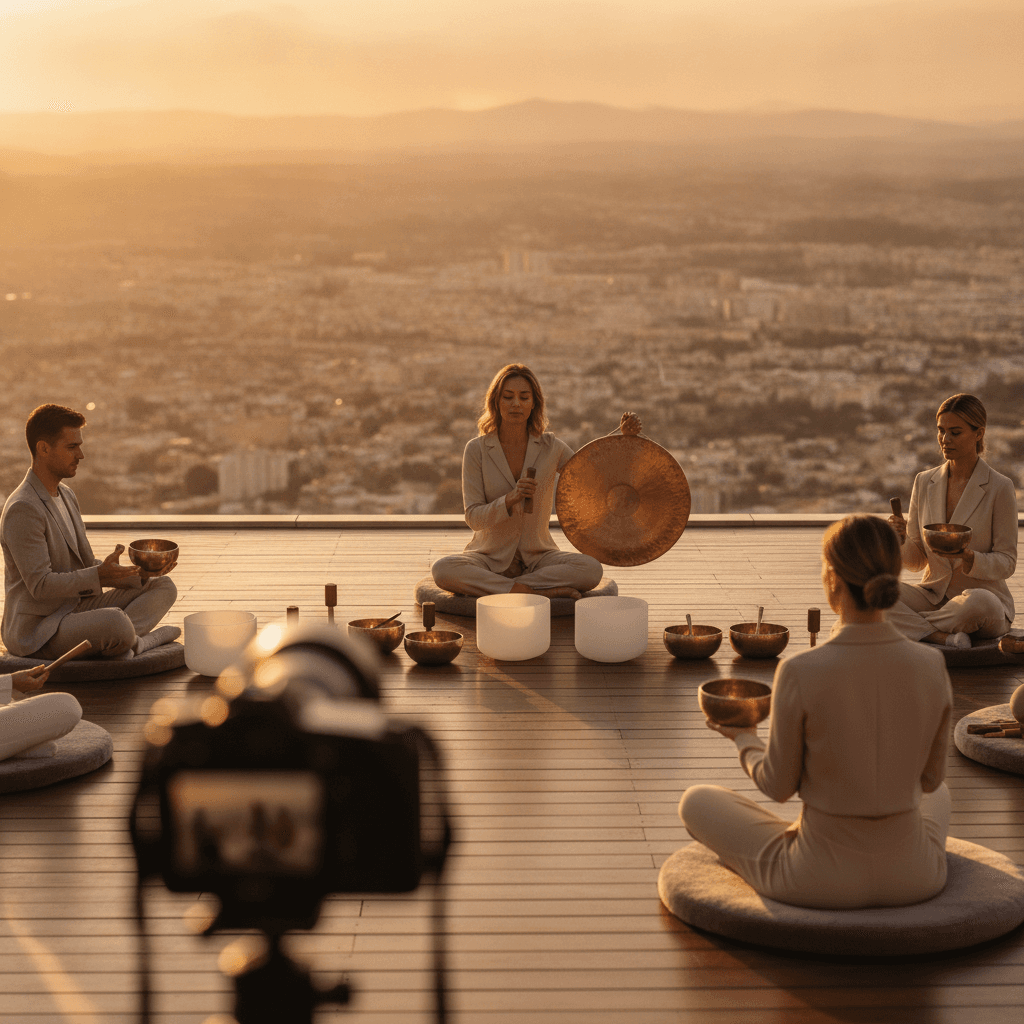
Mastering Pre-Event Calm: Your Scientific Guide to Poise and Presence
Key Insights
Discover scientifically-backed strategies for pre-event calm, anxiety reduction, and peak performance for speakers and hosts with Soul Art Dubai's Larissa Steinbach.
Did you know that even the most seasoned public speakers experience jitters before a presentation? It's a common, often underestimated challenge that can impact clarity, presence, and overall effectiveness, whether you're addressing a large audience or hosting an intimate gathering. This universal experience of pre-event anxiety, sometimes referred to as anticipatory anxiety, is a natural physiological response that can either hinder or, with the right strategies, even enhance your performance.
At Soul Art, Dubai's premier sound wellness studio, founded by the visionary Larissa Steinbach, we understand that true presence begins with an inner calm. This comprehensive guide delves into the neuroscience behind pre-event anxiety and equips you with scientifically-grounded, practical strategies to transform nervousness into poised confidence. We will explore how understanding your body's responses, coupled with proven mindfulness techniques and the unique Soul Art approach, can cultivate a profound sense of pre-event serenity, enhancing your communication and connection.
Our aim is to provide you with insights that not only elevate your public speaking or hosting abilities but also contribute significantly to your overall wellbeing. By mastering these techniques, you can step into any spotlight feeling grounded, articulate, and authentically yourself, ready to inspire and engage. This journey into pre-event calm is a vital investment in your professional and personal development.
Understanding the Neurobiology of Pre-Event Anxiety
The rush of adrenaline, the fluttering stomach, the rapid heartbeat – these are all hallmarks of pre-event anxiety, a fascinating dance orchestrated by our nervous system. This experience is not a sign of weakness, but rather an ancient survival mechanism kicking into high gear, preparing us for what it perceives as a threat. Understanding this intricate biological process is the first step toward managing it effectively.
The Fight, Flight, or Freeze Response: HPA Axis Activation
When faced with a high-pressure situation, such as public speaking, our body's stress response system, particularly the Hypothalamic-Pituitary-Adrenal (HPA) axis, is activated. This activation triggers the sympathetic autonomic nervous system, flooding our system with hormones like adrenaline and cortisol. This cascade of chemical messengers prepares the body for an impending stressful event, manifesting as what is known as anticipatory anxiety.
Research indicates that this physiological reaction causes a range of physical symptoms. These may include sweaty palms, a rapid heart rate, muscle tension, shaking, and short, shallow breathing. Such responses are designed to give us an edge in a dangerous situation, but in a speaking context, they can be distracting and uncomfortable, potentially distorting our message.
The immediate consequence of shallow breathing, for instance, is reduced oxygenation of the body, which can paradoxically induce more anxiety. As outlined by resources from TLT, practicing deeper, diaphragmatic breaths is crucial to counteract this, fully utilizing the body's oxygen capacity and even circulating beneficial nitric oxide. The increase in adrenaline, while providing an initial boost of energy, can also lead to excess nervous energy, causing fidgeting or jiggling movements.
Reappraising Arousal: From Threat to Opportunity
A groundbreaking concept in managing pre-event anxiety involves cognitive reappraisal – specifically, reframing nervousness as excitement. Instead of viewing the physiological sensations as indicators of impending failure, we can consciously reframe them as signs of being energized and ready. Kristi Hedges, a CEO coach, wisely notes that "nervousness is just excitement directed inward," a physiological response that does not inherently mean one will mess up.
This shift in perspective is not merely wishful thinking; it is supported by research. Studies, such as that by Brooks (2014) in the Journal of Experimental Psychology: General, suggest that reappraising pre-performance anxiety as excitement can lead to improved outcomes. By telling ourselves "I am excited" instead of "I am anxious," we may redirect our body's arousal response toward a more productive, positive state.
Another powerful cognitive strategy involves shifting focus from self-performance to audience connection. The American Psychological Association highlights advice from APA 2016 President Susan H. McDaniel, PhD, who recommends reminding oneself that "it's not about you." Instead, the focus should be on clearly conveying information and connecting with the audience, understanding why you are there to provide value.
The Power of Embodied Cognition and Physiology
Our minds and bodies are inextricably linked, and leveraging this connection can significantly reduce pre-event anxiety. Embodied cognition posits that our physical states can influence our mental processes and emotional experiences. This means that specific physical actions can directly impact our feelings of calm and confidence.
One of the most immediate and effective physiological interventions is deep diaphragmatic breathing. When we breathe deeply, using our diaphragm, our stomach expands, indicating that we are taking full, oxygen-rich breaths. This not only calms the body by activating the parasympathetic nervous system but also circulates nitric oxide, which has been associated with relaxation. Shallow chest breathing, conversely, can perpetuate anxiety.
Physical activity also serves as an excellent tension release. The extra adrenaline from nervous energy can cause restlessness, making a quick walk or even a few jumping jacks before an event highly beneficial. This movement helps to metabolize excess adrenaline, reducing physical symptoms of shaking or jitters. Short bursts of physical exertion can reset the nervous system, bringing a sense of grounded calm.
Finally, power posing or adopting expansive nonverbal displays can profoundly affect our self-perception and physiological responses. Research by Carney, Cuddy, and Yap (2015) in Psychological Science has explored how open, confident postures can lead to a sense of empowerment. These physical stances may communicate confidence to our brains, potentially influencing hormone levels and reducing feelings of anxiety. Mentally rehearsing success before a high-pressure situation is another well-documented technique, allowing professionals to visualize positive outcomes and feel more prepared.
Translating Science into Serenity: Practical Pre-Event Strategies
Understanding the science is foundational, but the true transformation lies in applying these principles. At Soul Art, we bridge this gap, helping clients integrate these insights into practical, real-world strategies that cultivate enduring pre-event calm. The goal is to move beyond simply coping with anxiety to truly thriving under pressure.
The Art of Preparation: Building a Foundation of Confidence
Preparation is paramount and often underestimated as a tool for anxiety reduction. As noted by experts like Gilbert, there is "no such thing as being over-prepared." Thorough rehearsal not only solidifies your content but also reduces the unknown, a significant source of anxiety. This includes practicing your presentation extensively, ideally in front of others who can offer impartial feedback.
If possible, rehearsing in the actual space where you will be speaking can be incredibly beneficial. This familiarity allows you to visualize the environment, anticipate technical setups, and feel more comfortable when the time comes. Mentally rehearsing success, envisioning yourself delivering a flawless presentation and connecting deeply with your audience, is a powerful technique that primes your brain for achievement.
Special attention should be given to the introduction of your talk. Research has shown that a speaker's anxiety level tends to drop significantly after the first 30 seconds. A well-rehearsed, impactful opening can provide a crucial confidence boost, setting a positive tone for the entire event. Knowing your opening cold allows you to navigate that initial surge of adrenaline with grace.
Mind-Body Connection: Calming the Physical Manifestations
To manage the physical symptoms of anxiety, direct intervention with your body is highly effective. Deep diaphragmatic breathing is a cornerstone technique. Place one hand on your chest and one on your stomach. As you inhale, focus on expanding your stomach, allowing your diaphragm to pull air deep into your lungs. Exhale slowly, feeling your stomach contract. This conscious, deep breathing calms the nervous system and improves oxygen flow.
Another immediate tension-releasing technique is progressive muscle relaxation. Before moving to the podium, try gripping the edge of your chair seat and squeezing gently. Feel the muscles in your hands and arms tense, hold for a few seconds, then quickly relax. Notice the sensation of tension rushing away. This simple act highlights the contrast between tension and relaxation, allowing your body to consciously let go.
To address nervous energy and the adrenaline rush, light physical activity can be incredibly effective. A brisk walk, a few minutes of stretching, or even some jumping jacks before arriving at your venue can help to release accumulated tension. This physical exertion provides a healthy outlet for excess energy, helping you feel more grounded and less restless.
Shifting Perspective: From Performance to Connection
True mastery of pre-event calm involves a cognitive shift – moving away from a mindset of "performance" and towards one of "connection." Rather than seeing your audience as a daunting, anonymous entity, try to imagine speaking to one person at a time. This helps to foster a sense of intimate communication rather than overwhelming theatricality.
Making genuine eye contact with different individuals in the audience reinforces this connection. Observing their reactions, a smile, a nod, or even what they are wearing, humanizes the experience and can act as a confidence booster. This personal interaction transforms the act of speaking into a shared dialogue, reducing the feeling of being judged.
Consider starting your talk with an engaging discussion question. As Kristi Hedges suggests, "Starting with a question gets the onus off them and gets the audience talking or laughing." This immediate audience engagement can alleviate initial speaker nerves by shifting the focus outwards and creating a more interactive, less intimidating atmosphere. Remember, the core purpose is to share information and connect, not merely to perform.
"The quiet confidence born from preparation and conscious connection far outweighs the fleeting relief of simply 'getting through it.' It's about transforming a challenge into an opportunity for authentic engagement."
Soul Art's Signature Path to Pre-Event Poise with Larissa Steinbach
At Soul Art, Larissa Steinbach integrates these scientifically-backed strategies into a unique and profoundly effective sound wellness experience designed to cultivate pre-event calm. Our approach goes beyond conventional anxiety management, tapping into the deep restorative power of sound to harmonize the mind and body. Larissa's methodology is tailored to help speakers and hosts not just manage nerves, but truly embody a state of grounded presence.
The Soul Art method begins with personalized guidance in mindful breathwork, a crucial element for regulating the nervous system. Larissa Steinbach helps clients practice deep diaphragmatic breathing techniques, much like those discussed, but amplified by the serene environment and specific sonic frequencies. This intentional breathing helps to downregulate the sympathetic nervous system and activate the parasympathetic "rest and digest" response, preparing the body for deep relaxation.
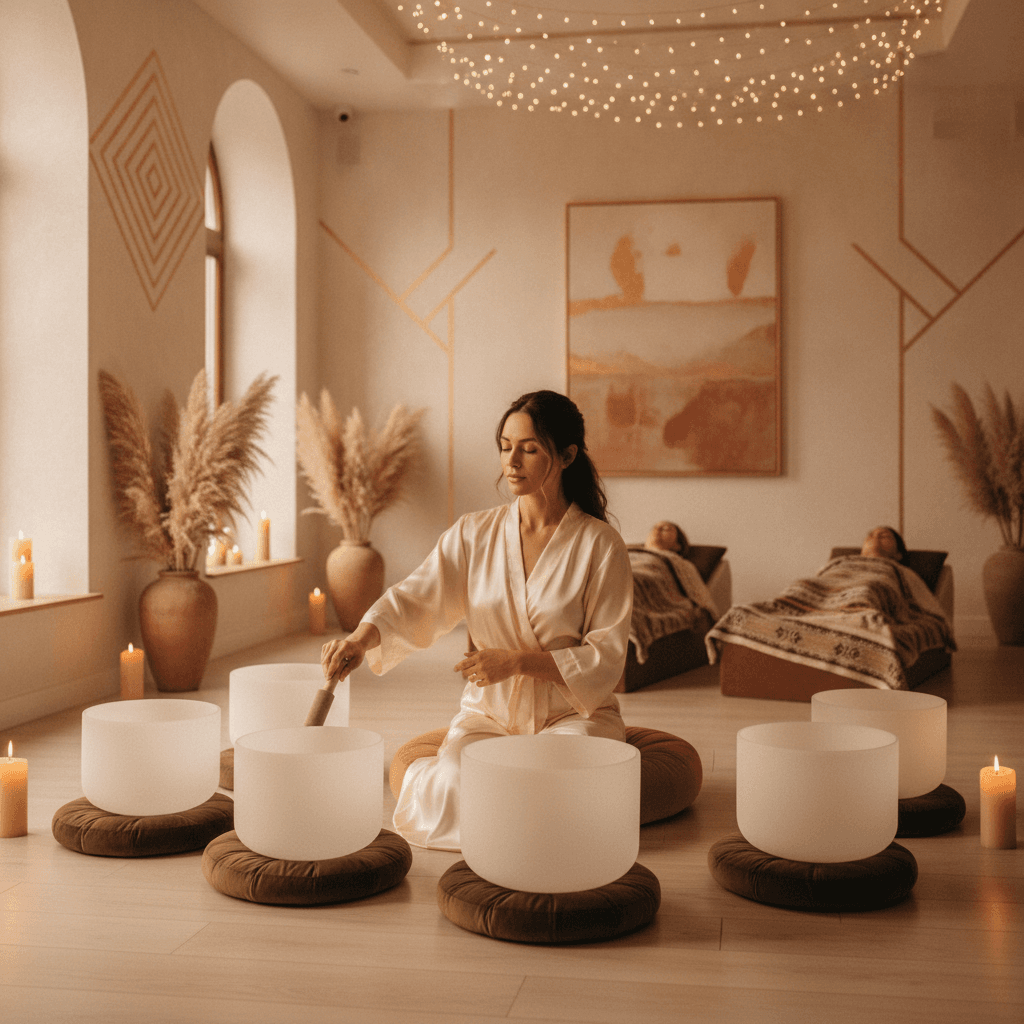
What truly sets Soul Art apart is the strategic use of therapeutic sound instruments. Larissa masterfully employs a curated collection of Tibetan singing bowls, gongs, chimes, and other resonant tools. The precise frequencies and vibrations emitted by these instruments may support the brain in shifting from beta brainwave states (associated with alertness and anxiety) to alpha and theta states (associated with relaxation, meditation, and calm). This process, known as brainwave entrainment, helps to quiet the overactive mind and promote mental clarity.
During a session, clients experience a profound sense of peace as the resonant sounds gently wash over them. The vibrations from the instruments are not just heard; they are felt throughout the body, providing a form of internal massage that can release physical tension. This combination of deep relaxation and subtle energetic rebalancing is designed to prepare the individual for any demanding situation, fostering a state of embodied calm. The experience under Larissa Steinbach's expert guidance helps individuals reconnect with their inner resources, enabling them to access a wellspring of confidence and poise when it matters most.
Cultivating Your Inner Calm: Actionable Steps for Today
Embracing pre-event calm is an ongoing journey, but you can start implementing powerful strategies today to enhance your presence and reduce anxiety. These actionable steps are designed to integrate seamlessly into your routine, building a foundation of resilience and confidence. Remember, consistency is key to transforming these practices into second nature.
Here are your next steps to cultivate inner calm:
- Practice Deliberate Breathing Daily: Dedicate 5-10 minutes each day to deep, diaphragmatic breathing. Focus on slow, full inhales that expand your abdomen and even slower exhales. This consistent practice trains your nervous system to respond calmly under pressure.
- Rehearse Strategically and Thoroughly: Don't just run through your material; rehearse with intention. Practice your introduction meticulously and mentally rehearse your entire presentation, visualizing success and confident delivery. Consider recording yourself to refine your delivery.
- Reframe Nervousness as Excitement: Before your next event, consciously tell yourself, "I am excited," rather than "I am nervous." Embrace the physiological arousal as a sign of readiness and energy, rather than an impediment.
- Engage in Light Physical Release: On the day of your event, incorporate a short walk, a few stretches, or even some subtle isometric exercises like chair grips. This helps to release excess adrenaline and physical tension, preparing your body for a relaxed delivery.
- Focus on Connection, Not Perfection: Shift your mindset from performing flawlessly to authentically connecting with your audience. Remember your purpose: to share valuable information. Try starting with a question or focusing on one person at a time to foster a conversational atmosphere.
Ready to explore a deeper path to inner harmony and pre-event mastery? Soul Art offers bespoke sound wellness experiences that complement these strategies, guiding you towards profound relaxation and enhanced mental clarity. Discover how our unique approach can help you unlock your most confident and authentic self.
Embrace Confidence: Your Journey to Pre-Event Serenity
Pre-event anxiety is a natural human experience, but it doesn't have to dictate your performance or peace of mind. By understanding its scientific roots and implementing practical, evidence-based strategies, you can transform nervousness into a powerful asset. This article has highlighted the critical roles of thorough preparation, mindful physiological regulation, and a deliberate shift in cognitive perspective in cultivating a profound sense of calm.
From mastering diaphragmatic breathing to reappraising excitement and focusing on authentic connection, these techniques empower you to step into any spotlight with grace. At Soul Art, Larissa Steinbach amplifies these principles through transformative sound wellness experiences, offering a unique path to deep relaxation and enhanced mental clarity. Embrace these tools to not only excel in your speaking and hosting engagements but also to nurture a lasting state of inner poise and wellbeing.
Bookings Coming Soon
Soul Art is still in preparation. Session details and booking will be published here after launch.
Coming Soon
Wellness Disclaimer: This article is for educational and informational purposes only. It does not constitute medical advice, diagnosis, or treatment. Soul Art Dubai provides non-medical wellness experiences focused on relaxation, stress management, and general wellbeing. Sound wellness is a complementary practice and should not replace professional medical care.
Related Articles
Reclaim Your Focus: The Afternoon Slump Sound Ritual for Office Wellness with Soul Art
Corporate Sound Healing: Elevate Employee Well-being & Productivity
Conflict Decompression: Resetting Your Mind After Difficult Meetings with Sound Wellness