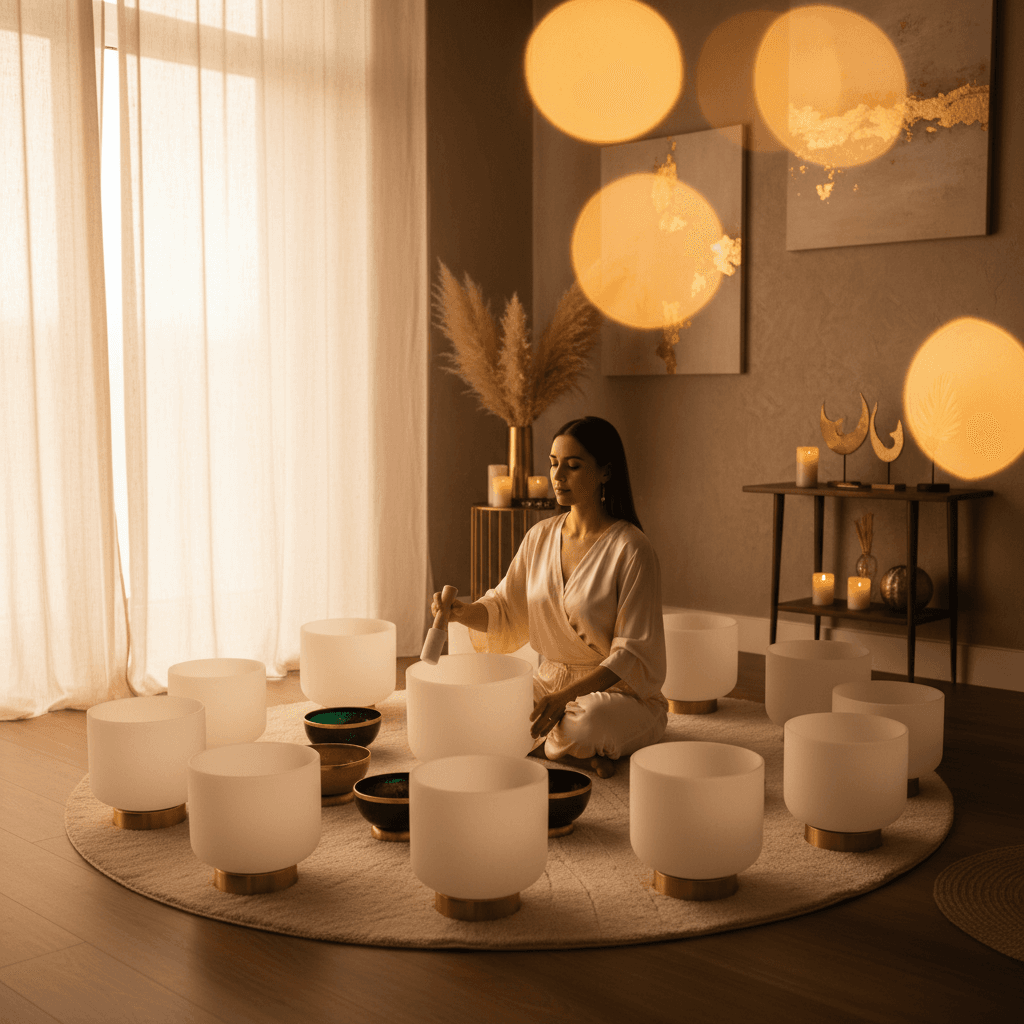
Beyond Burnout: Holistic Self-Care for Wellness Practitioners

Key Insights
Discover scientific self-care strategies for wellness practitioners. Prevent burnout, foster resilience, and sustain well-being with Soul Art, Dubai's premier studio.
Compelling Introduction
Imagine a world where those who dedicate their lives to healing others are themselves thriving, vibrant, and resilient. Yet, the stark reality for many wellness practitioners, mental health professionals, and healthcare providers is often quite different. A higher demand for these essential services has unfortunately led to a new pattern of early burnout and compassion fatigue, as highlighted by Kleszczewska-Albińska (2020).
Despite consistently recommending self-care practices to their clients, many professionals struggle to implement these same strategies in their own lives (O’Halloran & Linton, 2000; Skovholt et al., 2001). This paradoxical neglect can erode overall well-being and hinder professional effectiveness. Self-care is not merely a luxury; it is, as Kissil and Niño (2017) described, “an essential component of prevention of distress, burnout, and impairment.”
This article delves into the crucial importance of practitioner self-care, exploring the scientific underpinnings of burnout and presenting evidence-based strategies for fostering resilience. We will uncover how intentional self-care practices, including the profound benefits of sound wellness experiences offered at Soul Art, can empower you to sustain your invaluable work with renewed energy and purpose. Our goal is to equip you with practical insights to protect your most vital asset: your own well-being.
The Science Explained
Understanding the Burnout Phenomenon
Burnout is a complex syndrome characterized by three key dimensions: emotional exhaustion, depersonalization (a sense of detachment or cynicism), and a reduced sense of personal accomplishment. This definition, often applied across various helping professions, underscores the profound impact it can have on an individual's professional and personal life. Recent studies reveal alarming trends, with many nurses reporting less than eight hours of sleep (75%), little to no exercise (69%), and poor diets (63%), which are all contributing factors to declining well-being (NURSING.com).
The helping professions are particularly susceptible to burnout due to the inherent emotional labor and constant exposure to the distress of others. Kleszczewska-Albińska (2020) pointed out that while client mental health is a popular research topic, the well-being of the mental health professionals themselves has received comparatively little attention. This gap in understanding underscores the urgent need for robust self-care frameworks.
Evidence-Based Strategies for Preventing Burnout
Current research is actively exploring effective ways to decrease burnout rates and compassion fatigue, particularly in community-level mental health workers. Several practices and interventions have shown promise:
-
Mindfulness and Cognitive Behavioral Techniques:
- Researchers I. Thompson and colleagues (2014) found a strong correlation between higher levels of mindfulness and lower levels of burnout. Mindfulness practices, such as mindful walking or brief meditation, offer accessible avenues for everyday self-care.
- Mindfulness has also been suggested as a beneficial tool for teaching self-care during counselor training (Christopher et al., 2006) and for reducing stress while increasing self-compassion in students in helping professions (Newsome et al., 2012).
- Specific cognitive strategies also play a vital role. Scott et al. (2021) found that cognitive behavior therapy (CBT) training can assist mental health professionals in managing their practice and emotional responses. Similarly, the individual use of Dialectical Behavior Therapy (DBT) skills has been associated with minimized burnout rates in mental health professionals (Kleszczewska-Albińska, 2020).
-
Holistic Support Systems:
- Personal Therapy and Supervision: Botaitus and Southern advocated for mental health professionals to engage in personal therapy to address countertransference and other personal issues that may arise in sessions. They also emphasized the importance of differentiating personal therapy from supervision and maintaining a clear career trajectory for sustained well-being.
- Community and Connection: Belfi et al. (2022) conducted a feasibility study among radiologists, finding that storytelling and journaling, especially with the intention to share, fostered a sense of community. This sharing of experiences promoted connection, increased hopefulness, and was associated with decreased burnout.
- Social Support: The role of social support in the well-being of sport psychologists has been investigated by McCormack et al. (2015), highlighting its critical function in buffering stress.
-
Targeted Stress Management and Workplace Interventions:
- Structured Interventions: Medisauskaite and Kamau (2018) tested a multi-component intervention focusing on stress management, burnout management, and dealing with loss. Their findings indicated significant improvements in emotional exhaustion, depersonalization, and anxiety. Ghannam et al. (2020) also reported that stress management interventions notably improved emotional exhaustion, depersonalization, and work satisfaction among residents.
- Cultivating Empathy and Self-Care: Quinn et al.’s pilot curriculum, which focused on cultivating empathy for others and self-care practices, demonstrated a significant and increasing improvement in burnout rates with each session attended.
- Digital Wellness Tools: Rich et al.’s mixed-methods study (2018) revealed that participants frequently employed digital applications that promoted self-care, such as mindfulness practices, as part of their coping strategies.
- Workplace Conditions: Linzer et al. (2015) conducted a cluster randomized trial demonstrating that interventions designed to improve work conditions led to better clinician well-being and reduced burnout in primary care settings. Addressing systemic issues alongside individual self-care is crucial.
"Self-care is not selfish; it is a profound act of compassion – for ourselves, and for all those we serve."
These studies collectively underscore that self-care is multifaceted, encompassing individual practices, interpersonal support, and systemic adjustments. It contributes significantly to overall wellness, serving as a preventative measure against the distress and impairment that can lead to burnout.
How It Works in Practice
Connecting the scientific insights to tangible daily experiences reveals the transformative power of consistent self-care. For wellness practitioners, integrating these strategies means moving beyond theoretical understanding to embodied practice, creating a sustainable foundation for their professional lives. This shift profoundly influences both personal well-being and the quality of care provided.
When practitioners actively engage in self-care, the first notable change is often a reduction in the pervasive emotional exhaustion that defines burnout. Practices like mindfulness, as highlighted by Thompson et al. (2014), cultivate a greater awareness of one's own emotional state, allowing for earlier recognition and management of stress triggers. This translates into less emotional depletion at the end of a demanding day, enabling individuals to show up more fully for their personal lives.
The cynical detachment associated with depersonalization also tends to recede. Through self-compassion exercises and fostering community, as explored by Belfi et al. (2022) through storytelling and journaling, practitioners can reconnect with their intrinsic motivation and the empathy that drew them to their helping professions. This renewed sense of connection often enhances their ability to engage authentically with clients, seeing them not just as cases, but as individuals.
Furthermore, a consistent self-care routine may support an increased sense of personal accomplishment. When energy levels are stable and emotional reserves are replenished, practitioners can approach their work with greater clarity and focus. This can lead to more effective interventions and a deeper satisfaction with their professional impact, counteracting the feeling of ineffectiveness that often accompanies burnout. Think of a therapist who feels truly present and engaged during a session, rather than mentally drained and distracted.
The practical application of self-care also involves creating deliberate boundaries and routines. This might look like scheduling specific blocks for personal reflection, engaging in physical activity, or dedicating time to hobbies that offer intellectual stimulation, as suggested by the ERIC PDF. It’s about "practicing what we preach"—integrating the very techniques recommended to clients, such as stress management and emotional regulation skills, into one's own daily life. The result is a more resilient practitioner, better equipped to navigate the inherent challenges of their demanding profession while maintaining a vibrant personal life.
The Soul Art Approach
At Soul Art, Dubai's premier sound wellness studio, Larissa Steinbach and her team are dedicated to providing a unique and scientifically-informed pathway to practitioner self-care. Understanding the immense pressures faced by those in helping professions, Soul Art offers experiences that directly address the core components of burnout: emotional exhaustion, depersonalization, and a diminished sense of accomplishment. The Soul Art method offers a powerful, complementary approach to holistic well-being.
Larissa Steinbach applies a deep understanding of vibrational medicine to create immersive sound journeys designed to restore and rejuvenate the nervous system. The studio’s approach is rooted in the principles of mindfulness and deep relaxation, which research consistently links to reduced burnout rates (Thompson et al., 2014). During a sound bath or sound meditation session at Soul Art, participants are enveloped in resonant frequencies produced by carefully selected instruments.
The unique experience at Soul Art may support practitioners in several key ways:
- Deep Relaxation and Nervous System Regulation: The gentle, sustained vibrations from instruments like Himalayan singing bowls, crystal bowls, and gongs encourage the brainwaves to slow down, shifting from an active beta state to more relaxed alpha or even meditative theta states. This physiological response helps to downregulate the sympathetic nervous system (fight-or-flight) and activate the parasympathetic nervous system (rest-and-digest), providing profound rest for an overworked system.
- Emotional Release and Clarity: The immersive soundscapes can create a safe space for emotional processing, allowing practitioners to gently release accumulated stress, vicarious trauma, and compassion fatigue. Many people report experiencing a sense of emotional catharsis, leading to greater mental clarity and a lighter emotional burden.
- Enhanced Mindfulness and Presence: Sound wellness naturally fosters mindfulness by anchoring attention to the present moment, listening to the intricate layers of sound. This practice directly strengthens the mindfulness skills that are vital for burnout prevention, helping practitioners to detach from rumination and enhance their capacity for focused presence, both in their personal lives and professional interactions.
- Cultivating Self-Compassion: In the serene environment of Soul Art, guided by Larissa Steinbach's empathetic approach, practitioners are encouraged to turn inward with kindness. This can be a vital antidote to the self-criticism and feelings of inadequacy that sometimes accompany burnout. The experience may cultivate a deeper sense of self-awareness and self-acceptance.
What makes the Soul Art method truly unique is its thoughtful integration of ancient wisdom with modern scientific understanding of sound and its impact on the human body and mind. The sessions are carefully curated to create a deeply restorative experience, going beyond mere relaxation to foster profound energetic recalibration. It provides a sanctuary where healers can pause, replenish, and reconnect with their inner resources, ensuring they can continue their vital work with sustained passion and resilience.
Your Next Steps
Prioritizing your well-being is not just a recommendation; it is an imperative for anyone in a helping profession. Taking proactive steps towards self-care can significantly impact your professional longevity and personal happiness. Here are some actionable steps you can implement starting today:
- Schedule Dedicated Self-Care Time: Treat your self-care appointments with the same importance as client appointments. Block out non-negotiable time in your calendar each week for activities that genuinely replenish you, whether it’s a quiet walk, reading, or a sound wellness session.
- Integrate Mindfulness Daily: Begin with short, five-minute mindfulness exercises. This could involve focused breathing, mindful listening to music, or even a brief body scan. Preliminary studies indicate that higher levels of mindfulness are associated with lower levels of burnout (Thompson et al., 2014).
- Seek Connection and Support: Don't isolate yourself. Engage with peer support groups, connect with trusted colleagues, or consider personal therapy. Sharing experiences, as shown by Belfi et al. (2022), fosters community and can decrease feelings of isolation and burnout.
- Evaluate Your Boundaries: Reflect on your professional and personal boundaries. Are you consistently overextending yourself? Establishing clear limits around work hours, availability, and emotional capacity is crucial for preventing exhaustion.
- Explore Complementary Wellness Practices: Consider incorporating holistic modalities like sound wellness into your routine. The deep relaxation and nervous system regulation offered by a sound bath at Soul Art can be a powerful tool for stress management and emotional recalibration.
Remember, investing in your self-care is an investment in your capacity to continue making a meaningful difference in the lives of others. Take that vital step towards nourishing your own well-being.
In Summary
The demanding nature of helping professions often leads to a silent crisis of burnout and compassion fatigue among practitioners. Scientific research consistently underscores that dedicated self-care is not a luxury, but a fundamental necessity for sustaining well-being and professional efficacy. Strategies such as mindfulness, strong social support, personal therapy, and healthy workplace conditions are all evidence-based pathways to resilience.
However, the challenge often lies in consistent implementation. Soul Art, under the expert guidance of Larissa Steinbach, offers a unique and powerful solution through immersive sound wellness experiences. These sessions are designed to support deep relaxation, nervous system regulation, and emotional release, providing a vital sanctuary for practitioners to replenish their energy. By embracing intentional self-care, you can safeguard your passion, enhance your impact, and lead a more balanced, fulfilling life.
Bookings Coming Soon
Soul Art is still in preparation. Session details and booking will be published here after launch.
Coming Soon
Related Articles
Mastering Your Craft: The Lifelong Journey of Continuing Education
Niche Specialization: The Science of Finding Your Focus
Scaling Your Soul: Growth Strategies for Wellness Practices