Polyrhythmic Healing: Complex Rhythms for Brain Wellness
Key Insights
Explore how complex polyrhythmic sounds engage specific brain networks, fostering cognitive flexibility and deep relaxation at Soul Art Dubai.
Have you ever noticed how a complex piece of music can capture your attention, drawing you into its intricate layers? Beyond mere enjoyment, such sophisticated auditory experiences actively engage and stimulate your brain in profound ways. This engagement is particularly true for polyrhythms, the simultaneous layering of multiple, distinct rhythmic patterns.
At Soul Art, Dubai's premier sound wellness studio, we harness the power of these complex rhythms to offer a unique path to enhanced well-being. This article delves into the fascinating science behind polyrhythmic healing, exploring how these layered sounds may support cognitive flexibility, deepen relaxation, and awaken a heightened sense of inner balance. Discover why integrating complex rhythms into your wellness routine could be a transformative experience for your mind and spirit.
The Intricate Dance of Rhythms in the Brain
Our brains are naturally rhythmic. From the beating of our hearts to the firing of our neurons, rhythm is fundamental to life. When we encounter external rhythms, particularly those from sound, our internal systems respond through a process known as neural entrainment. This mechanism is central to understanding the profound effects of polyrhythmic healing.
Neural Entrainment: Synchronizing with the Beat
Neural entrainment occurs when the repetitive firing of neurons in the brain synchronizes with the rhythm of predictable external events (Lakatos et al., 2019). Electrophysiological studies have consistently shown that auditory rhythms induce this entrainment in the auditory cortex. The brain's neural response begins to closely match the frequency of the incoming auditory beat (Nozaradan et al., 2011, 2012; Fujioka et al., 2012a).
Remarkably, this rhythmic neuronal firing often remains phase-locked to the stimulus frequency even when a beat is temporarily omitted. This suggests the brain doesn't just passively receive rhythms; it actively anticipates and maintains them (Nozaradan, 2014; Crasta et al., 2018). Different frequencies of neural oscillations—such as delta (0.5 to 3 Hz), theta (4 to 8 Hz), alpha (8 to 12 Hz), beta (12 to 30 Hz), and gamma (30 to 150 Hz)—reflect fundamental elements of brain function and are associated with various cognitive states (Buzsáki, 2006; Lopes da Silva, 2013). Polyrhythms, with their layered complexity, offer a rich tapestry of frequencies that can engage these diverse oscillatory patterns.
Decoding Complexity: How the Brain Processes Polyrhythms
Polyrhythms are a defining feature of musical complexity across cultures, involving the simultaneous presentation of two or more independent rhythmic patterns (sciety.org). Unlike simple, predictable beats, polyrhythms demand more from our neural processing, leading to heightened brain engagement.
Research indicates that processing more complex rhythms activates a wider network of brain regions compared to simpler ones (Kasdan et al., 2022). This includes significant clusters in the bilateral supplementary motor area (SMA) and pre-SMA, which are crucial for movement planning and coordination. The bilateral cerebellum, known for its role in timing and motor control, also shows strong activation.
Other areas engaged include the right supramarginal gyrus, involved in auditory processing and spatial awareness, and regions in the precentral gyrus and sulcus associated with motor functions (Kasdan et al., 2022). Critically, the left intraparietal sulcus, a core component of the multiple demand network, is also activated. This activation suggests that complex rhythms are perceived as more difficult to process, thus engaging areas related to task difficulty and cognitive effort (Fedorenko et al., 2013; Kasdan et al., 2022). The cerebellum, in particular, has been linked to discrimination tasks for more complex rhythms (Paquette et al., 2017). Individuals with focal lesions in this area exhibit reduced amplitude in tracking rhythmic sequences at fast tempos (Nozaradan et al., 2017).
"The brain's ability to untangle and integrate multiple rhythmic streams simultaneously is a testament to its remarkable capacity for pattern recognition and cognitive processing, offering a unique pathway for profound mental engagement and balance."
Moreover, the basal ganglia, often associated with motor control and habit formation, shows more variable responses for complex rhythms, potentially requiring greater internal generation of the beat (Kasdan et al., 2022). This implies that polyrhythms don't just provide a beat; they invite the brain to actively construct and anticipate. By engaging these varied neural circuits, polyrhythms may support cognitive flexibility, enhance executive function, and improve sensorimotor adaptation (sciety.org).
The Brain's Motor System and Rhythmic Engagement
The connection between sound and movement is deeply ingrained in our biology. Merely listening to auditory rhythms or music can engage brain structures involved in movement control, even if no physical movement occurs (Chen et al., 2008a). This highlights the brain's anticipatory nature and its readiness to synchronize with external temporal cues.
Listening to predictable auditory rhythms primes the motor system, preparing it for movement and providing precise anticipatory time cues (Thaut et al., 2015; Crasta et al., 2018). Brain structures such as the premotor cortex, supplementary motor area, basal ganglia, and cerebellum are all activated by auditory rhythmic stimuli (Grahn and Brett, 2007; Fujioka et al., 2012a). Neuroimaging research has revealed that the auditory and motor cortices are interconnected through widely distributed and hierarchically organized networks, underscoring the integrated way our brain processes rhythm and potential action (Frontiers in Human Neuroscience, 2021). This rich engagement of the motor system, even without overt movement, suggests a deep internal rehearsal and synchronization that can have widespread wellness benefits.
How It Works in Practice
Translating this scientific understanding into a practical wellness experience is where the artistry of sound truly shines. In a sound session featuring polyrhythms, the experience moves beyond passive listening. It becomes an active engagement for the brain, fostering a unique state of mindful awareness and deep relaxation.
As complex rhythms unfold, the brain is gently challenged to process and integrate multiple auditory streams. This isn't a stressful challenge but rather a focused exercise that encourages the mind to move away from habitual thought patterns. You might notice your awareness shifting as you try to follow one rhythm, then another, or perhaps surrender to the overall tapestry of sound. This subtle mental workout is believed to be beneficial for cognitive flexibility and attention.
Many people report feeling a heightened sense of presence and mental clarity during and after polyrhythmic sessions. The intricate patterns can help to quiet the "noisy" default mode network in the brain, which is often associated with mind-wandering and self-referential thought. By providing a rich, complex auditory landscape, polyrhythms offer an anchor for the mind, drawing it into the present moment.
The physical sensation can be equally profound. The vibrations from the instruments, particularly when experiencing them in a dedicated sound space, resonate throughout the body. These tactile sensations, coupled with the auditory input, create a multi-sensory experience that can lead to deep relaxation and release. The brain, engaged in a constructive challenge, can downregulate stress responses, allowing the nervous system to settle into a more restorative state. Preliminary studies indicate that such rhythmic engagement may enhance neuroplasticity, which is the brain's ability to reorganize itself by forming new neural connections (sciety.org). This implies that engaging with polyrhythms could potentially support improved attention and memory function over time.
Furthermore, by engaging the motor system even without movement, polyrhythms might subtly support motor learning and coordination, potentially benefitting overall sensorimotor integration. The experience can feel like a meditative journey, where the brain is simultaneously stimulated and soothed, leading to a profound sense of integration and well-being. It's an opportunity to experience sound not just as an external phenomenon, but as an internal tool for recalibration and renewal.
The Soul Art Approach
At Soul Art, Larissa Steinbach and her team are dedicated to curating sound experiences that are both scientifically informed and deeply soulful. Larissa's expertise lies in her meticulous selection and layering of instruments to create polyrhythmic landscapes that are not only beautiful but also powerfully effective for brain wellness.
The Soul Art method acknowledges the individual's unique internal biases for rhythms, as explored in research suggesting our exposure to different music influences how the brain interprets rhythm (McDermott, MIT News, 2024). By carefully weaving together diverse rhythmic patterns, Larissa aims to gently expand these "priors" and encourage the brain to embrace new forms of auditory processing. This approach fosters greater cognitive adaptability.
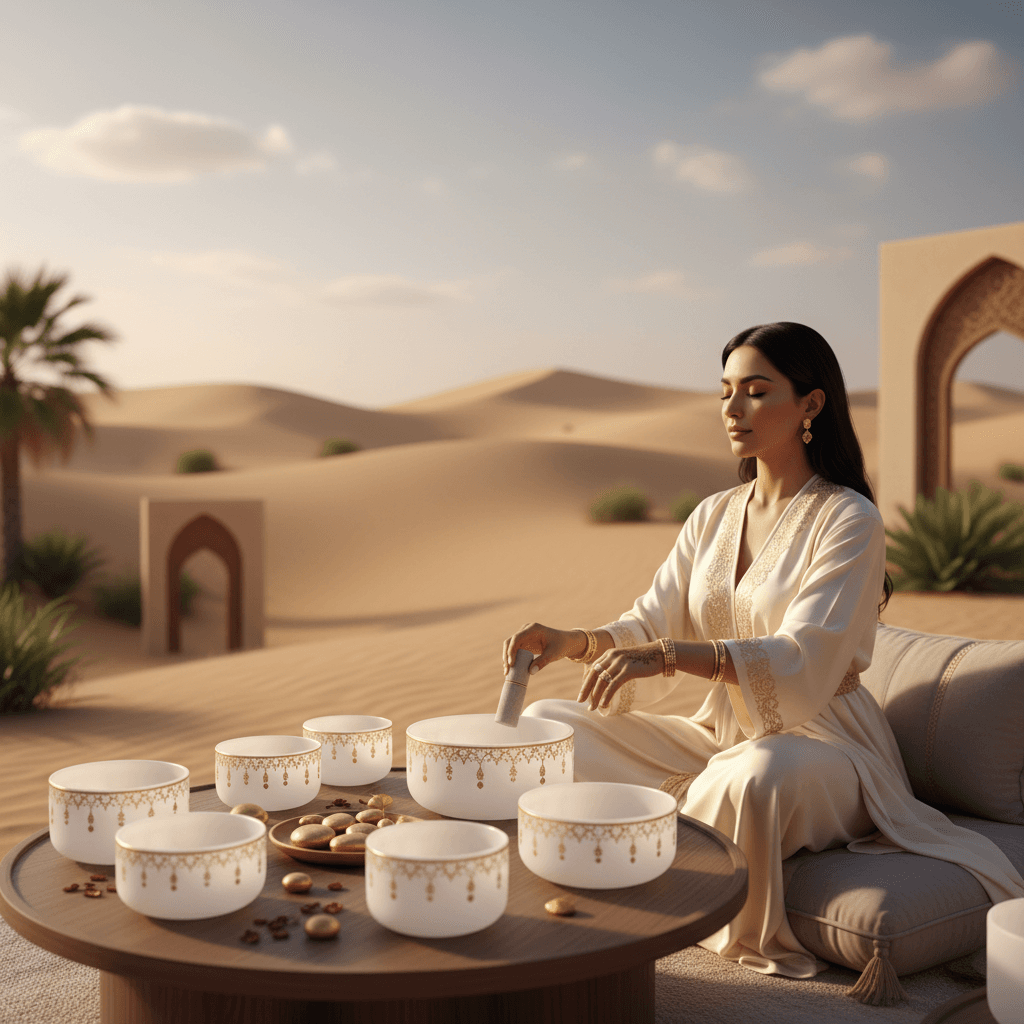
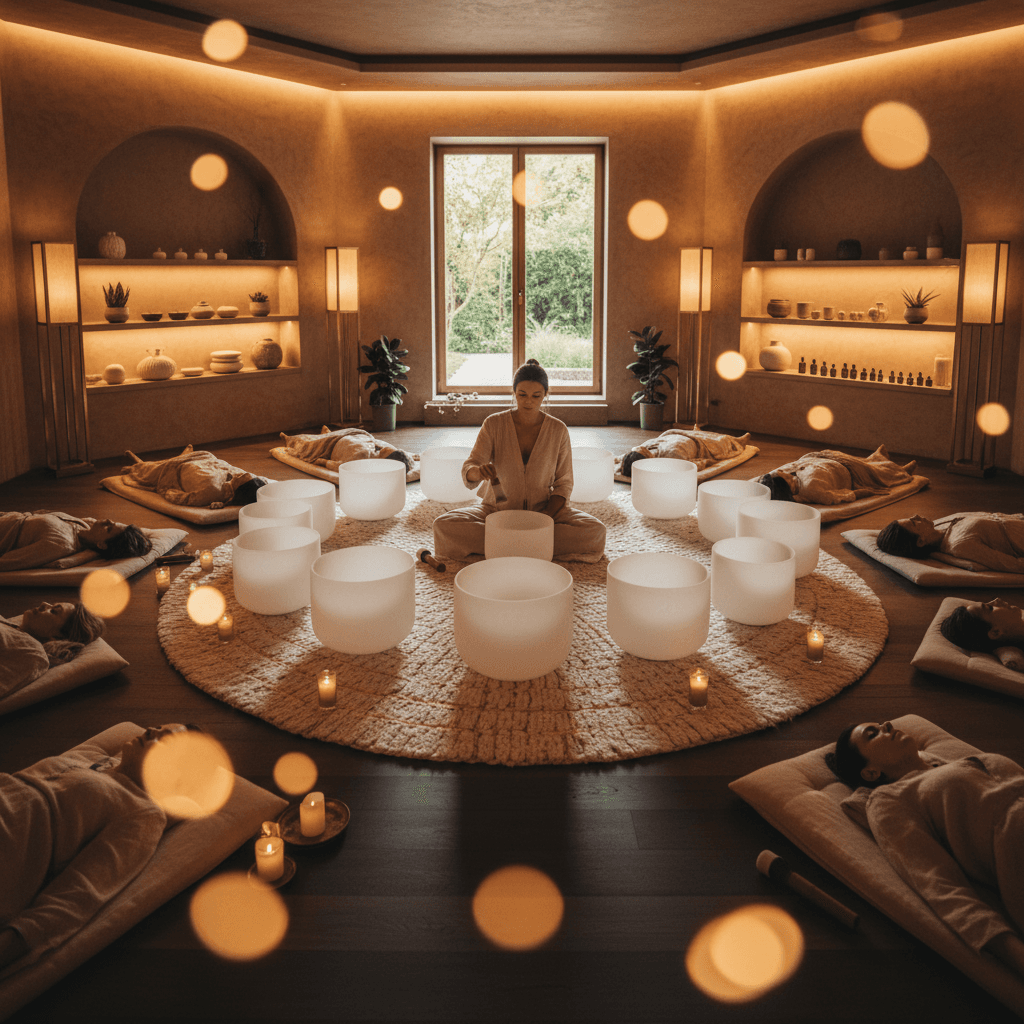
Our sessions often feature a curated collection of resonant instruments, each contributing its unique voice to the polyrhythmic tapestry. Hand-hammered Tibetan singing bowls offer deep, sustained tones, while crystal bowls provide ethereal, expansive vibrations. Frame drums and shakers introduce intricate percussive layers, creating a sense of dynamic movement within the stillness. Gongs, with their vast sonic spectrum, contribute complex overtones and sub-harmonics, further enriching the polyrhythmic experience. The combination is not random; it is thoughtfully designed to elicit specific neural responses and foster a holistic sense of well-being.
Larissa Steinbach's unique skill is in orchestrating these elements into a harmonious whole, guiding participants on a journey that balances intellectual engagement with profound relaxation. The studio environment itself is designed to amplify the benefits, creating a serene sanctuary where the subtle nuances of sound can be fully appreciated. Soul Art believes that by offering these sophisticated soundscapes, we provide more than just relaxation; we offer a pathway to enhanced self-awareness, cognitive vitality, and emotional balance through the art and science of polyrhythmic healing. This unique approach aligns with the understanding that complex rhythms can be a cross-domain mechanism impacting perception, action, and learning across multiple disciplines (sciety.org).
Your Next Steps
Embracing the potential of polyrhythmic healing doesn't require an immediate deep dive into complex musical theory. You can begin to integrate these principles into your daily life and explore their benefits through intentional practices. Here are a few actionable steps you can take today:
- Mindful Listening: Pay attention to the rhythms around you – the hum of the city, the patterns in nature, or the subtle layers in your favorite music. Try to discern multiple rhythmic streams simultaneously.
- Explore Diverse Music: Delve into genres rich in polyrhythms, such as certain forms of African drumming, jazz, or classical compositions. Notice how different patterns interact and affect your mood and focus.
- Observe Your Responses: As you listen to various rhythms, observe how your mind and body react. Does a complex rhythm feel stimulating, calming, or both? This personal insight is invaluable.
- Integrate Sound into Your Self-Care: Consider how sound can become a more deliberate part of your relaxation routine. Even short periods of focused listening can make a difference.
- Experience Professional Guidance: For a truly immersive and expertly guided experience, consider visiting a sound wellness studio. The controlled environment and masterfully crafted soundscapes offer unique benefits.
By consciously engaging with complex rhythms, you invite your brain to explore new pathways, fostering a sense of curiosity and deeper connection to the world of sound. This journey can lead to a more vibrant and adaptable mind, supporting your overall well-being.
In Summary
Polyrhythmic healing offers a sophisticated approach to wellness, leveraging the brain's innate capacity for rhythmic processing. By engaging brain networks such as the cerebellum, basal ganglia, and parietal regions, complex layered rhythms may support enhanced cognitive flexibility, attention, and deep relaxation. This neural engagement, rooted in the principle of entrainment, transforms passive listening into an active, restorative experience for the mind and body.
At Soul Art, Larissa Steinbach and her team expertly craft these powerful soundscapes, providing a unique pathway to profound well-being in Dubai. By stimulating and soothing the brain simultaneously, polyrhythmic sessions offer a complementary approach to managing stress and enhancing mental vitality. We invite you to explore this transformative practice and discover the intricate harmony within yourself.
Bookings Coming Soon
Soul Art is still in preparation. Session details and booking will be published here after launch.
Coming Soon
Wellness Disclaimer: This article is for educational and informational purposes only. It does not constitute medical advice, diagnosis, or treatment. Soul Art Dubai provides non-medical wellness experiences focused on relaxation, stress management, and general wellbeing. Sound wellness is a complementary practice and should not replace professional medical care.
Related Articles
Maori Poi & Sound: Pacific Traditions for Modern Well-being
Swedish Nyckelharpa: The Science of Nordic String Healing
Apollo's Ancient Echoes: Sound Healing & Holistic Wellness