Harmonizing Healing: Sound Therapy for Phantom Limb Pain in Dubai
Key Insights
Explore how sound therapy at Soul Art Dubai, founded by Larissa Steinbach, offers a complementary approach to managing phantom limb pain by rebalancing the nervous system.
Unveiling the Enigma: Sound Therapy Approaches for Phantom Limb Pain
Imagine experiencing persistent sensations or even intense pain in a limb that is no longer there. This profound phenomenon, known as phantom limb pain (PLP), affects a significant number of individuals who have undergone amputations, with approximately 80% reporting these sensations. For many, this isn't just a fleeting feeling; around 20% experience pain for up to two years post-amputation, profoundly impacting their quality of life.
While conventional physical therapy and advanced neuromodulation techniques offer valuable support, the quest for holistic wellness approaches that complement these treatments is vital. At Soul Art, Dubai’s premier sound wellness studio, founded by Larissa Steinbach, we explore how the intricate vibrations and frequencies of sound therapy may offer a unique pathway to ease discomfort and foster deep relaxation for those navigating the complexities of PLP.
This article delves into the scientific underpinnings of phantom limb pain and illuminates how sound wellness practices, with their gentle yet profound impact on the nervous system and brain, may support individuals seeking enhanced comfort and well-being. We will explore the mechanisms at play and shed light on the innovative methods employed at Soul Art to cultivate a harmonious inner landscape.
The Science Explained: Unraveling the Mysteries of Phantom Limb Pain
Phantom limb pain is far more than a psychological experience; it is a complex neurophysiological phenomenon rooted in the intricate workings of the brain and nervous system. Understanding its mechanisms is crucial for appreciating how diverse wellness approaches, including sound therapy, might offer supportive relief.
What is Phantom Limb Pain?
When a limb is amputated, the brain's representation of that body part does not simply disappear. Instead, a sensation that the amputated limb is still attached, known as "phantom sensation," often persists. When this sensation becomes painful, it is accurately termed "phantom limb pain" (Hsu E, Cohen SP. J Pain Res. 2013).
This pain can manifest in various ways, from dull aches and cramping to shooting, burning, or crushing sensations, often mirroring the pain experienced in the limb prior to amputation. The intensity and frequency can vary widely, making it a challenging condition to manage for many individuals (Subedi B, Grossberg GT. Pain Res Treat. 2011).
The Brain's Role: Maladaptive Neuroplasticity
The prevailing scientific understanding attributes PLP primarily to maladaptive neuroplasticity within the central nervous system. This means the brain undergoes significant reorganizational changes in response to the loss of sensory input from the amputated limb. Areas of the brain that previously received signals from the missing limb may become activated by input from other body parts or spontaneously, leading to a "misinterpretation" of signals as pain (Flor H, Elbert T, et al. Exp Brain Res. 1998; Giummarra MJ, Mosely LG. Curr Opin Anaesthesiol. 2011).
This cortical reorganization is a key factor. For example, the sensory cortex corresponding to the amputated hand might be "taken over" by inputs from the face or stump, creating a sensory mismatch that the brain struggles to reconcile. This "remapping" can perpetuate the sensation of the phantom limb and generate pain signals (Ramachandran VS, Rogers-Ramachandran D. Proc R Soc Lond B Biol Sci. 1996). The brain, in essence, is sending pain signals to a limb that is no longer physically present, creating a profound disconnect.
Current Approaches to PLP Management
A wide array of strategies are employed to manage phantom limb pain, often combining pharmacological interventions with physical and rehabilitative therapies. These conventional approaches provide critical support and often form the backbone of a patient's care plan.
Physical therapy, as highlighted by Choose PT, plays a vital role, utilizing various treatment options to help individuals with PLP. Neuromodulation techniques, such as repetitive Transcranial Magnetic Stimulation (rTMS) and transcranial Direct Current Stimulation (tDCS), have shown promise in reducing pain by directly influencing brain activity and promoting beneficial neuroplastic changes (Frontiers | Effects of neuromodulation techniques, 2025). Some studies indicate that excitatory M1 rTMS and anodal M1 tDCS can achieve clinically important pain reduction.
Innovative neuro-rehabilitation techniques like mirror therapy are also highly regarded. This method uses visual feedback from an intact limb reflected in a mirror to create the illusion of the missing limb being present and moving, effectively "tricking" the brain and helping to reconcile the conflict between visual feedback and proprioception (PainCareFlorida, 2025; Journal of Rehabilitation Research & Development, 2023). Graded Motor Imagery (GMI), another three-phase intervention, systematically retrains the brain's motor and sensory cortex.
Other complementary practices that have garnered attention include acupuncture, which stimulates specific points to release endorphins and modulate the nervous system, and mindfulness, which has been associated with changes in brain structures involved in pain processing (Orthopedic Appliance Company, Inc., 2023). These diverse approaches underscore the complex, multi-faceted nature of PLP and the need for comprehensive strategies that address both physical and neurological dimensions.
How It Works in Practice: Harmonizing the Nervous System with Sound
Given the complex neurological origins of phantom limb pain, exploring complementary wellness practices that influence brain activity and nervous system regulation becomes particularly compelling. Sound therapy, with its inherent capacity to create deeply immersive sensory experiences, offers a unique avenue for exploration.
Frequency and Vibration: A Gentle Intervention
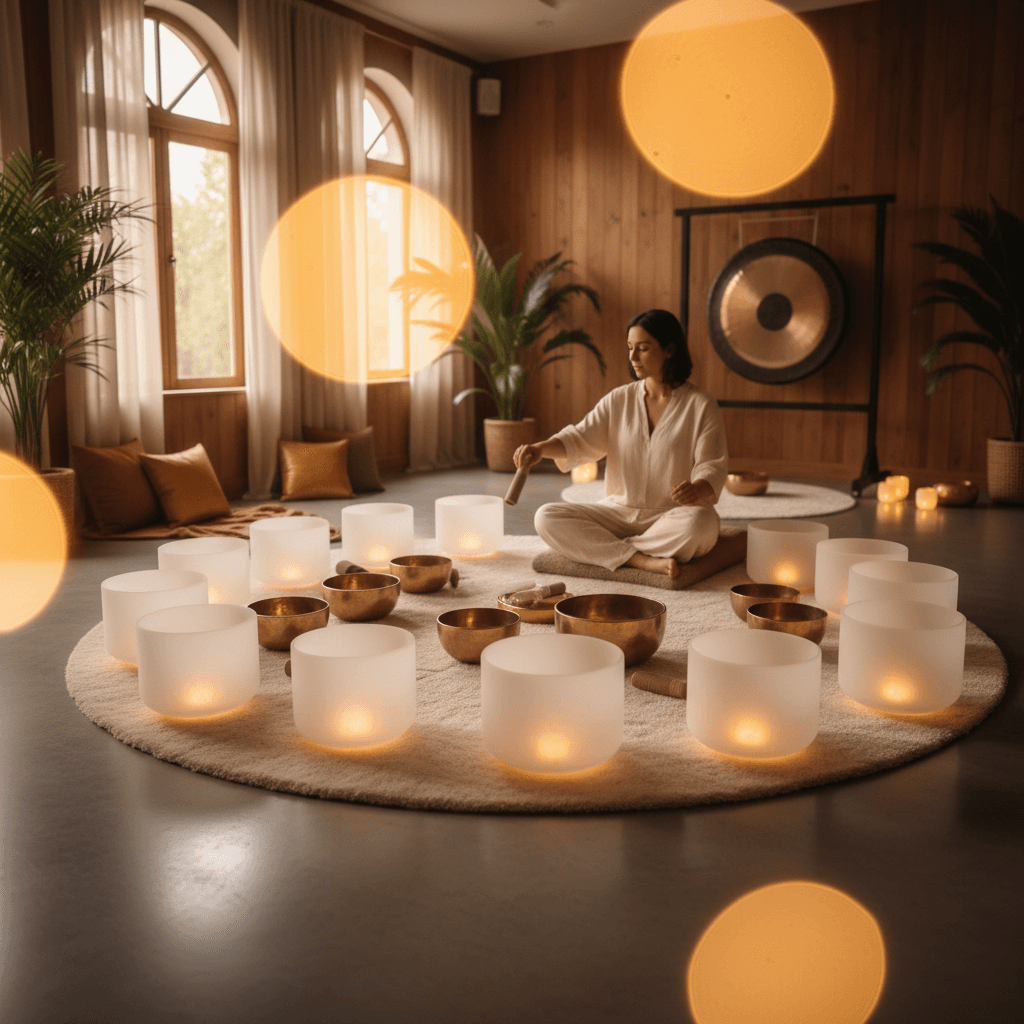
Sound therapy leverages the principles of frequency, vibration, and resonance to create an environment conducive to deep relaxation and potential neurological re-patterning. When therapeutic instruments like crystal singing bowls, gongs, or tuning forks are played, they produce specific frequencies that generate palpable vibrations. These vibrations are not only heard but also felt throughout the body, providing a unique form of sensory input.
This direct, non-invasive stimulation can engage the body's vast network of mechanoreceptors and nerve endings, offering a novel sensory experience that bypasses the missing limb yet still registers within the central nervous system. The gentle rhythmic patterns and enveloping sounds may serve as a form of sensory discrimination training, helping to enrich the brain's internal map without directly challenging the perceived absence of the limb (Moseley GL, Zalucki NM, Wiech K. Pain. 2008 mentions tactile discrimination).
Sensory Integration and Neuromodulation
The immersive nature of sound wellness may facilitate a form of sensory integration, helping the brain to process and organize new auditory and vibrational data. This can be likened to the principles behind mirror therapy, where visual feedback creates an "illusion" that helps resolve sensory conflict. While sound therapy uses auditory and kinesthetic input rather than visual, the goal is similar: to provide coherent, non-threatening sensory information that may help to retrain neural pathways.
Some preliminary studies suggest that sensory input, even if not directly tactile, can influence neuroplastic changes. By providing a consistent, soothing auditory landscape, sound therapy may indirectly support the brain's capacity for adaptive reorganization. The gentle "neuromodulation" through sound may help to shift the brain out of maladaptive pain patterns, encouraging a more balanced and harmonious state of neural activity, much like rTMS and tDCS aim to do through electrical or magnetic stimulation, but in a non-invasive, gentle way.
The Deep Relaxation Response
One of the most immediate and profound effects of sound therapy is its ability to induce a deep state of relaxation. The specific frequencies and resonant qualities of therapeutic sound instruments are designed to encourage the brain's electrical activity to shift into slower, more meditative states, such as alpha and theta brainwave patterns. This shift is characteristic of the parasympathetic nervous system activation, often referred to as the "rest and digest" response.
"When the nervous system finds a state of profound calm, the body's innate capacity for self-regulation and healing is profoundly enhanced."
This deep relaxation can significantly reduce stress, anxiety, and muscle tension, all of which can exacerbate pain perception. By creating an internal environment of calm, sound wellness may help to reduce the overall "noise" in the nervous system, potentially lessening the intensity and frequency of phantom limb pain signals. This aligns with mindfulness practices, where reducing suffering is a key outcome by altering brain structure in pain processing areas (Journal of Neuroscience, 2023). The release of natural feel-good hormones, known as endorphins, may also contribute to a sense of well-being and reduced pain perception.
The Soul Art Sanctuary: Larissa Steinbach's Vision for Sound Wellness
At Soul Art, Dubai, Larissa Steinbach has meticulously crafted a unique approach to sound wellness, grounded in both scientific understanding and profound empathy. Her methodology focuses on creating a sanctuary where individuals can gently explore the potential of sound to support their well-being, particularly for complex conditions like phantom limb pain.
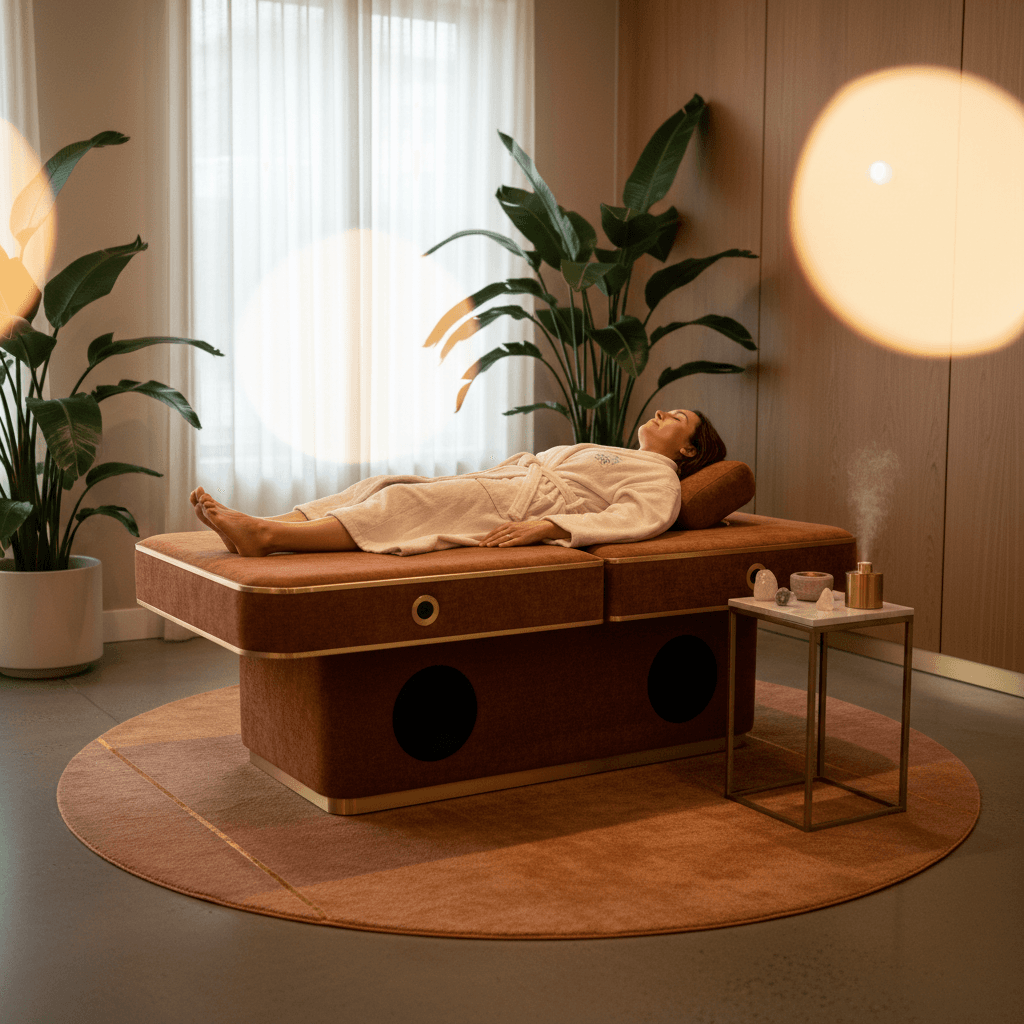
Larissa's approach is deeply personalized, recognizing that each individual's experience with PLP is unique. Sessions are designed to be a safe and supportive journey, focusing on re-establishing a sense of wholeness and calm within the nervous system. The studio's ambiance, reflecting a "quiet luxury," enhances the therapeutic experience, providing a serene escape from the everyday.
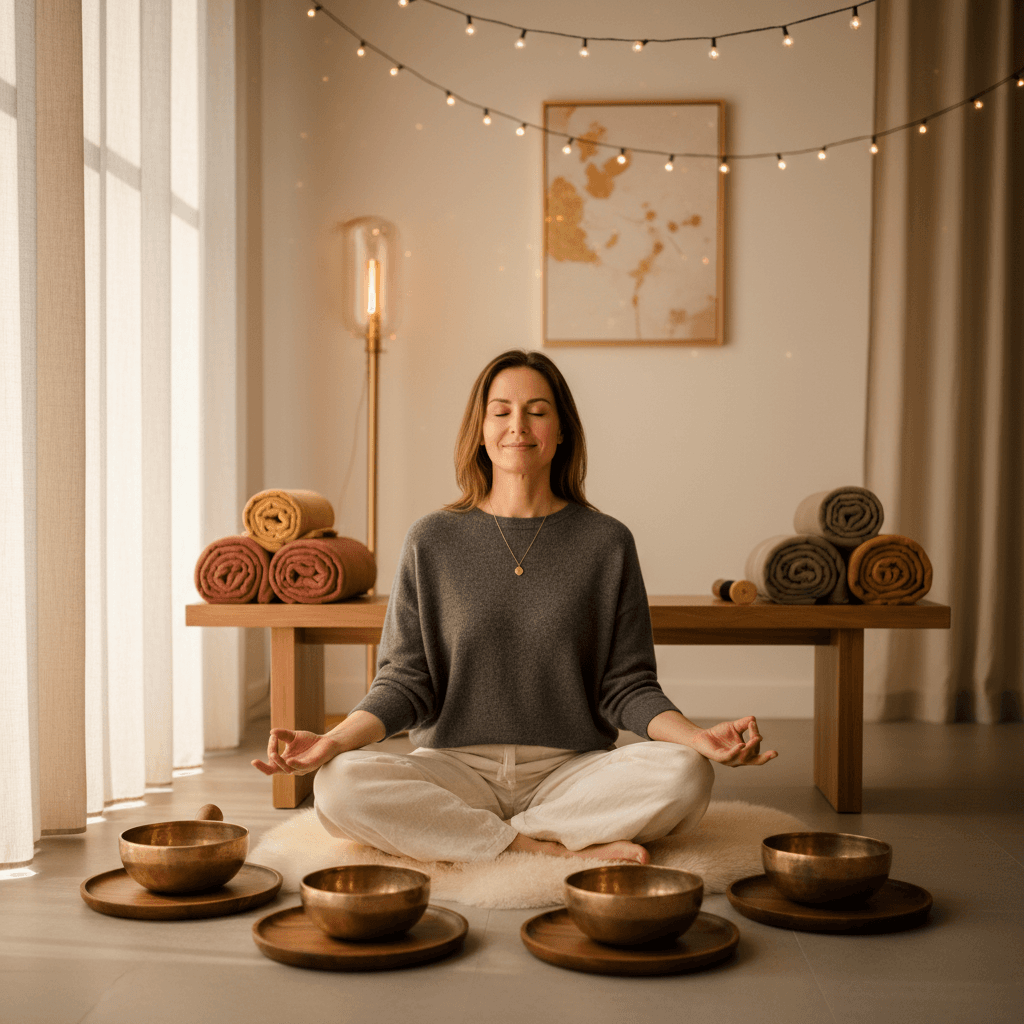
The Soul Art method integrates a diverse array of therapeutic instruments, each chosen for its specific vibrational qualities and resonant frequencies. These include carefully selected crystal singing bowls, Nepalese gongs, tuning forks, and other sacred instruments. Larissa Steinbach skillfully plays these instruments, creating immersive soundscapes that envelop the client, allowing the vibrations to penetrate gently and deeply.
Specific techniques might involve placing tuning forks on various points of the body or near the residual limb to introduce focused, gentle vibrations that encourage sensory integration and nervous system re-patterning. The aim is not to "treat" a medical condition, but to offer a complementary pathway to promote relaxation, reduce stress, and potentially help the brain reconcile its internal mapping in a non-threatening way. This focus on sensory input, nervous system regulation, and deep relaxation aligns with the foundational principles of neuroplasticity and pain modulation, offering a unique avenue for enhanced well-being.
Your Next Steps: Embracing a Path of Holistic Well-being
Navigating phantom limb pain can be a challenging journey, and finding complementary practices that resonate with your personal wellness goals is a vital step towards enhanced comfort. Sound wellness, as offered by Soul Art, may provide a gentle yet profound avenue for supporting your overall well-being.
Here are some actionable steps to consider as you explore holistic approaches to managing your well-being:
- Consult Your Healthcare Provider: Always discuss any new wellness practices with your medical doctor or physical therapist to ensure they complement your existing medical care plan. Sound wellness is a complementary practice, not a replacement for professional medical advice or treatment.
- Explore Complementary Options: Investigate various complementary therapies, including sound wellness, mirror therapy, or mindfulness. Many people find a combination of approaches most beneficial for holistic self-care.
- Prioritize Relaxation and Stress Management: Recognize the profound impact of stress on pain perception. Practices that foster deep relaxation, such as sound wellness, meditation, or gentle breathing exercises, may significantly support your comfort.
- Consistency is Key: If you choose to explore sound wellness or other complementary practices, consistency is often associated with the most noticeable benefits. Regular engagement may help to reinforce positive neurological patterns.
- Listen to Your Body: Pay close attention to how your body responds to different techniques. What feels supportive and calming for one person may differ for another. Your personal experience is your most valuable guide.
A New Harmony for Healing: In Summary
Phantom limb pain, a complex neurological phenomenon, continues to pose significant challenges for those who experience it. While medical and rehabilitative interventions form the cornerstone of management, complementary wellness practices offer valuable pathways for support. Sound therapy, as practiced by Larissa Steinbach at Soul Art Dubai, presents a sophisticated and empathetic approach to fostering deep relaxation, promoting nervous system balance, and potentially aiding in sensory integration.
By engaging the body through gentle vibrations and soothing frequencies, sound wellness may offer a unique avenue for individuals to explore enhanced comfort and a renewed sense of peace. It's a journey towards re-harmonizing the mind and body, recognizing that true well-being encompasses both the seen and unseen. We invite you to experience the tranquil embrace of Soul Art and discover how sound may support your path to a more serene existence.
Bookings Coming Soon
Soul Art is still in preparation. Session details and booking will be published here after launch.
Coming Soon
Wellness Disclaimer: This article is for educational and informational purposes only. It does not constitute medical advice, diagnosis, or treatment. Soul Art Dubai provides non-medical wellness experiences focused on relaxation, stress management, and general wellbeing. Sound wellness is a complementary practice and should not replace professional medical care.