Sound for Sick Children: A Path to Pediatric Well-being
Key Insights
Explore how intentional sound and music therapy can mitigate hospital noise, reduce anxiety, and foster healing in sick children. Discover Soul Art's approach.
The hum of medical equipment, the distant alarms, the murmur of hurried conversations – for a hospitalized child, these sounds are not merely background noise. They are often a constant, unwelcome companion, contributing to an already stressful and unfamiliar environment. Imagine a place where these harsh sounds are softened, replaced by frequencies designed to soothe, comfort, and even support healing.
This article delves into the profound impact of hospital soundscapes on sick children and explores how intentional sound practices, including music therapy and sound wellness, may offer a powerful complementary approach. We will uncover the scientific evidence behind sound's influence on pediatric well-being, from reducing anxiety to supporting sleep. Join us as we explore how pioneering centers, like Soul Art founded by Larissa Steinbach, are bringing these sophisticated, nurturing sound experiences to the forefront of holistic wellness.
The Science Explained: Unveiling the Impact of Sound on Children's Health
The environment plays a critical role in the recovery and well-being of hospitalized children. While visual stimuli and human interaction receive significant attention, the auditory environment – often overlooked – exerts a profound, physiological impact. Understanding this impact is the first step toward creating more supportive healing spaces.
Disruptive Soundscapes in Pediatric Hospitals
Modern hospitals, while beacons of medical advancement, are inherently noisy environments. The confluence of advanced medical equipment, staff communications, patient care activities, and visitor presence often creates a cacophony that significantly exceeds recommended sound levels. Studies have consistently documented average noise levels on individual hospital units ranging from 44.1 to 62.5 dB, frequently surpassing the World Health Organization's (WHO) recommendations for restful sleep.
Crucially, it is not just the sustained noise levels, but also the unpredictable variability and spikes in sound that prove most disruptive. These sudden bursts, often associated with critical care activities or night wakings, can profoundly disturb a child's delicate sleep patterns. For children already grappling with illness, these auditory interruptions compound their stress and hinder vital restorative processes.
Noise, Stress, and Anxiety: A Direct Link for Young Patients
Research into hospital soundscapes initially focused on staff well-being, demonstrating clear correlations between high sound levels and elevated stress indicators in nurses, including self-reported annoyance, fatigue, concentration problems, and even increased cortisol levels. While distinguishing noise-induced stress from activity-induced stress in adult units can be complex, the evidence regarding pediatric patients is strikingly clear.
A recent retrospective cohort study involving children hospitalized with pneumonia revealed a substantial impact of noise levels on their fears and perceptions. Pediatric patients exposed to higher noise levels (equal to or greater than 60 dB) exhibited significantly increased medical anxiety and pain perception compared to those in quieter environments (less than 60 dB). These children reported a heightened perception of illness consequences, a more intense emotional response, and amplified pain. This underscores the critical need for interventions that mitigate the adverse effects of noise on the emotional and physical well-being of hospitalized children.
Undermining Sleep and Circadian Rhythms
For sick children, restorative sleep is not a luxury, but a fundamental pillar of recovery. Yet, hospital environments often present a formidable challenge to healthy sleep and circadian rhythms. Consistent exposure to disruptive noise and light patterns actively interferes with these essential biological processes.
Nighttime noise levels frequently exceed WHO recommendations for sleep, leading to fragmented sleep and frequent night wakings. This disruption can have far-reaching consequences, potentially influencing the child's immune response, emotional regulation, and overall length of stay. Prioritizing interventions that minimize brief, problematic bursts of sound is paramount to supporting healthy sleep and promoting faster recovery in pediatric patients.
The Healing Resonance: Music and Intentional Sound
In stark contrast to the chaotic soundscapes of hospitals, carefully curated music and intentional sound offer a powerful counterbalance. There is a growing body of evidence supporting the inclusion of music therapy and music-based interventions in pediatric healthcare. These approaches move beyond mere distraction, engaging physiological and psychological pathways to foster well-being.
- Physiological Regulation: Preliminary studies indicate that music therapy may support vital physiological functions. For instance, some research suggests music therapy can help lower heart rates in severely sick children. These findings point to music's capacity to influence the autonomic nervous system, promoting states of calm and relaxation.
- Anxiety Reduction and Coping: Intentional sound practices have been associated with significant reductions in anxiety and stress-related behaviors among pediatric patients. Music can increase coping-related behaviors, improve quality of life, and even strengthen family relationships during hospitalization. It provides a unique outlet for children to process their fears and anxieties, offering a sense of control in an otherwise unpredictable environment.
- Emotional and Developmental Support: For children in unfamiliar and often scary medical settings, music can create a "safe space." It offers opportunities for choice, allowing children to express themselves freely and manage their emotional responses. In neonatal intensive care units (NICUs), music therapy may help counteract the effects of negative stimuli, encouraging positive associations with touch and sound, thereby supporting a baby's development and strengthening family bonds. Furthermore, preliminary studies suggest music may enhance cognitive abilities, facilitate verbal and nonverbal communication, and support children experiencing stressful life events or acute/chronic physical illness.
"In the delicate ecosystem of a child's hospital room, sound is a silent architect, shaping their experience of pain, anxiety, and ultimately, their path to healing."
While more research with larger sample sizes and standardized protocols is always beneficial, the existing evidence strongly suggests that intentional sound, meticulously applied, offers a profound complementary wellness tool for pediatric patients. It moves beyond merely masking noise, aiming to actively engage the body's innate capacity for self-regulation and comfort.
How It Works in Practice: Crafting Auditory Sanctuaries
Transitioning from the abstract science to tangible experience, the application of intentional sound in pediatric settings focuses on creating an auditory sanctuary. This is not about eliminating all hospital sounds – an unrealistic goal – but rather about transforming the perception and impact of the sound environment. It's about shifting the balance from overwhelming chaos to supportive calm.
In practice, this involves a multi-faceted approach, often led by trained music therapists or sound wellness practitioners. They carefully select and deliver sound experiences tailored to the individual child's age, condition, and preferences. For a young child, this might involve gentle lullabies or playful rhythmic activities. For an older child, it could be guided imagery accompanied by soothing instrumental music or even co-creating a song.
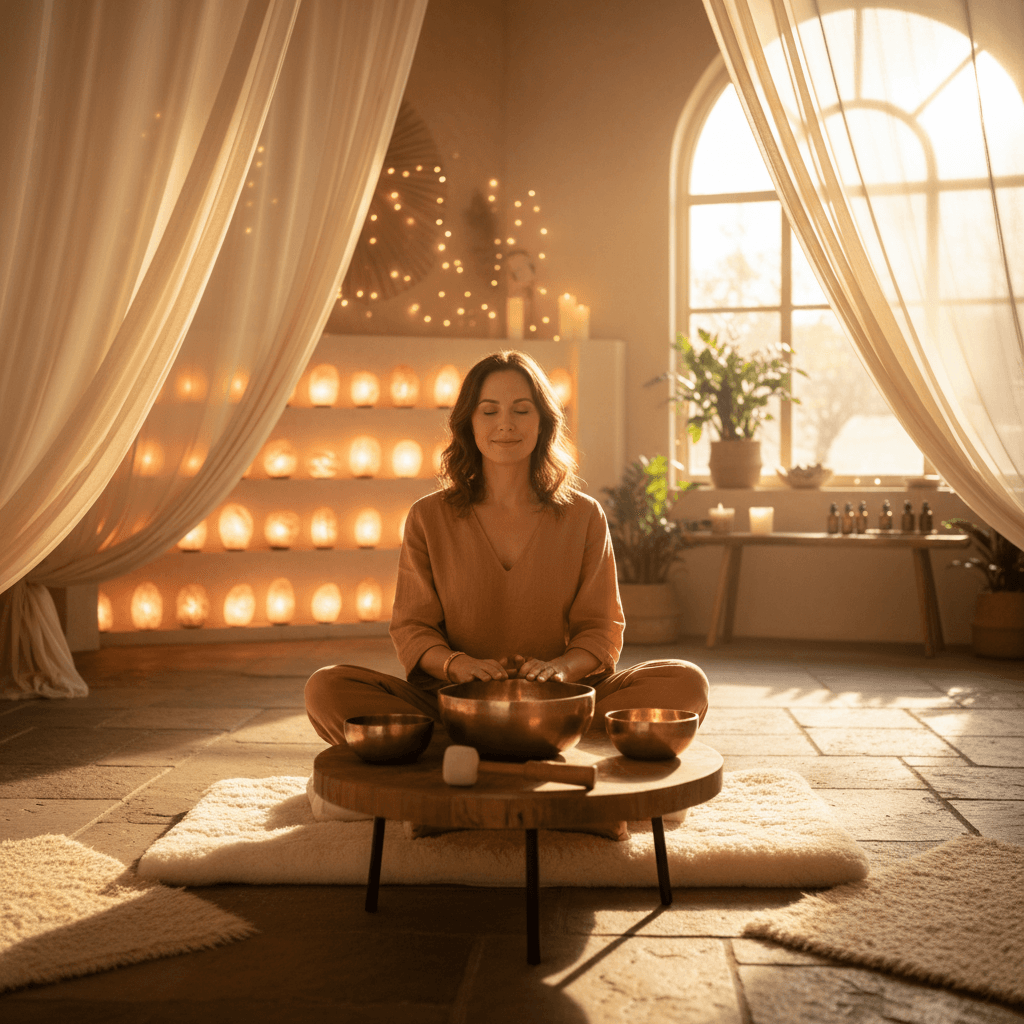
The experience is deeply sensory. Imagine a child, perhaps anxious about a procedure, listening to the resonant tones of a singing bowl. The deep, calming vibrations may help to slow their breathing, quiet their busy thoughts, and shift their focus away from discomfort. The carefully chosen melodies and frequencies are designed to entrain brainwaves towards states of relaxation, promoting a sense of safety and peace. These intentional soundscapes create a comforting cocoon, allowing children to feel more secure in an environment that often feels threatening.
This practice can help children manage their pain perception by offering a positive distraction and influencing their emotional state. It helps them regulate their emotions, provides an outlet for expression, and can reduce behavioral disturbances during medical encounters. By fostering a sense of control and providing opportunities for positive engagement, intentional sound supports a child's emotional resilience and promotes overall well-being, complementing their medical treatment plan.
The Soul Art Approach: Larissa Steinbach's Vision for Pediatric Well-being
At Soul Art, Dubai's premier sound wellness studio, Larissa Steinbach brings a sophisticated and deeply empathetic approach to the power of sound. While our primary focus is on adult wellness, the principles that underpin Soul Art's method are profoundly relevant to the needs of children, especially those in vulnerable medical environments. Larissa's vision extends to advocating for environments where intentional sound can truly flourish as a complementary wellness practice.
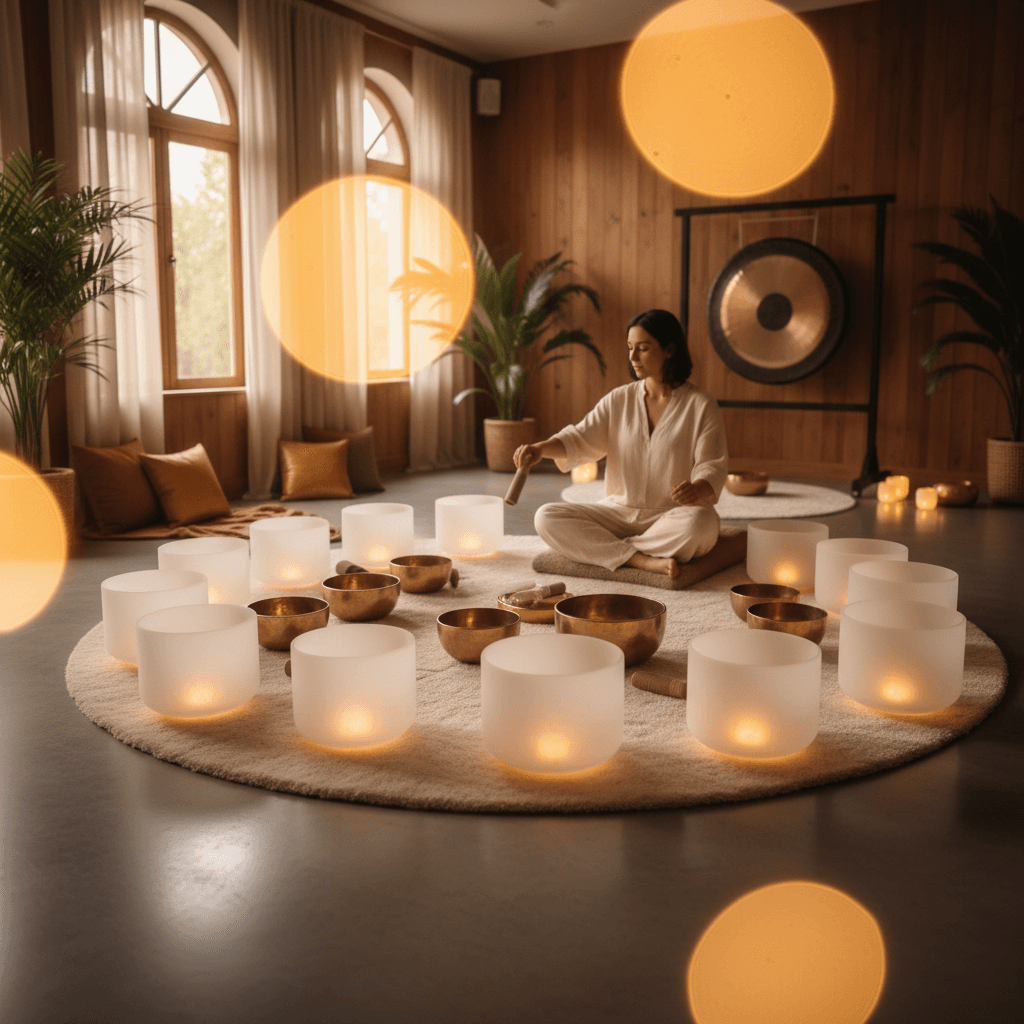
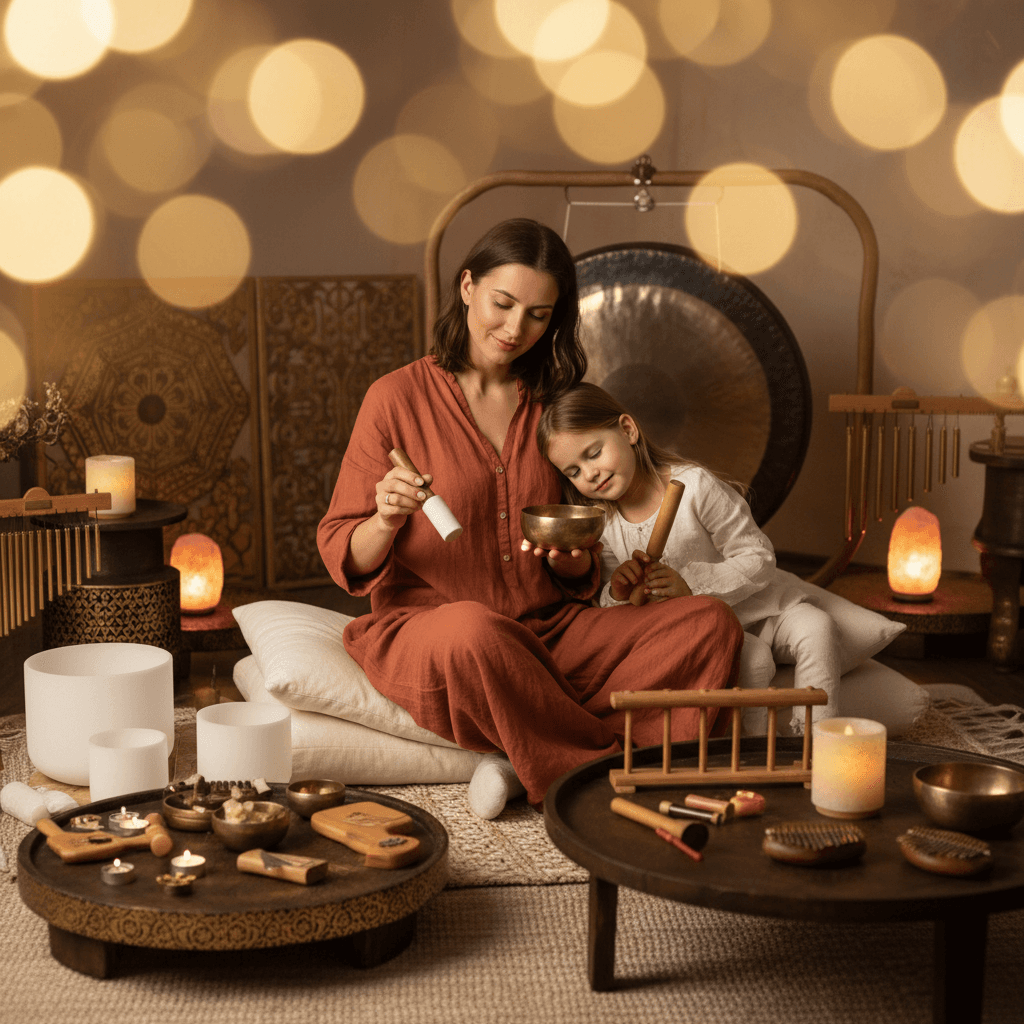
The Soul Art method is distinguished by its commitment to precisely tuned frequencies and the artful application of ancient, resonant instruments. Guests experience the profound vibrations of crystal singing bowls, meticulously crafted gongs, and delicate chimes, each chosen for its unique ability to induce deep relaxation and nervous system regulation. This is not merely background music; it is an immersive, vibrational experience designed to recalibrate the body and mind.
Larissa Steinbach's expertise lies in creating bespoke soundscapes that go beyond mere auditory pleasure. Each session is carefully constructed to foster specific states of being, from gentle rejuvenation to profound stillness. The carefully curated sound journeys at Soul Art aim to guide individuals into alpha and theta brainwave states, which are associated with deep relaxation, reduced stress, and enhanced inner peace.
What makes the Soul Art method unique is its holistic embrace of vibrational resonance as a powerful tool for self-care and stress management. Larissa's sessions are grounded in an understanding of how these specific frequencies interact with the body's energetic systems, promoting a sense of balance and calm. While Soul Art does not offer medical treatment, it provides a profoundly nurturing space where the principles of sound wellness can support overall well-being, enhance coping mechanisms, and offer solace. The techniques and instruments used are gentle, non-invasive, and focused purely on relaxation and restoring inner harmony, making them conceptually transferable to create more supportive environments for children.
Your Next Steps: Integrating Sound into Everyday Well-being
Understanding the profound impact of sound on our well-being, particularly for children, empowers us to make more conscious choices about our auditory environment. While Soul Art provides a dedicated space for deep relaxation, there are many practical ways you can begin to integrate the principles of sound wellness into your daily life and for the children in your care.
Here are a few actionable steps you can take today:
- Curate Calming Soundscapes at Home: Actively introduce gentle, soothing sounds into your living spaces. This could include nature sounds (like rain or ocean waves), soft instrumental music, or specially designed relaxation tracks. These can help mask disruptive household noises and create a more serene atmosphere.
- Prioritize Auditory Hygiene: Become aware of and limit exposure to harsh, unpredictable noise, especially during crucial rest periods for children and adults. Consider designating quiet times and spaces in your home to support relaxation and concentration.
- Explore Guided Meditations and Sound Practices: Many free and paid resources offer guided meditations with soothing sound backgrounds, or even short sound bath experiences. These can be particularly beneficial for children struggling with anxiety or sleep challenges.
- Foster Active Listening and Musical Engagement: Encourage children to engage with music in a positive, active way – whether through singing, playing simple instruments, or listening to genres they find comforting. This engagement can be a powerful tool for emotional expression and regulation.
- Create Pre-Sleep Sound Rituals: Implement a gentle sound ritual before bedtime. This might involve a calming lullaby, a quiet story with soft background music, or the consistent use of a white noise machine to create a stable, peaceful auditory environment conducive to sleep.
By thoughtfully integrating these practices, you can cultivate an environment that nurtures mental, emotional, and physical well-being. Consider this an invitation to explore the transformative power of sound further, perhaps by experiencing a personalized session at Soul Art.
In Summary: Harmonizing Healing with Sound
The pervasive and often disruptive noise in pediatric hospitals presents a significant challenge to the well-being of sick children, contributing to increased anxiety, pain perception, and disrupted sleep. Yet, the very medium causing distress—sound—also holds profound potential for healing and comfort. Intentional sound practices, including evidence-based music therapy, may offer a powerful complementary approach. These practices may help to regulate physiology, reduce stress and anxiety, and foster emotional resilience in vulnerable young patients.
Soul Art, founded by Larissa Steinbach, champions the transformative power of precisely tuned frequencies and ancient instruments to create profound states of relaxation and nervous system regulation. By understanding and harnessing the science of sound, we can advocate for more nurturing auditory environments in hospitals and cultivate serene soundscapes in our daily lives. Discover the profound capacity of sound to harmonize healing and enhance well-being; explore how Soul Art can guide you on this journey of vibrational resonance.
Bookings Coming Soon
Soul Art is still in preparation. Session details and booking will be published here after launch.
Coming Soon
Wellness Disclaimer: This article is for educational and informational purposes only. It does not constitute medical advice, diagnosis, or treatment. Soul Art Dubai provides non-medical wellness experiences focused on relaxation, stress management, and general wellbeing. Sound wellness is a complementary practice and should not replace professional medical care.