Unlocking Movement: Rhythmic Auditory Cueing for Parkinson's Disease
Key Insights
Explore how rhythmic auditory cueing, a sound wellness technique, may support gait and movement for individuals with Parkinson's disease, explained by Soul Art Dubai.
The simple act of walking, often taken for granted, can become a profound challenge for individuals navigating Parkinson's disease (PD). Difficulties with gait, balance, and performing everyday activities are common, impacting quality of life significantly. But what if a subtle, yet powerful, external stimulus—like the steady beat of a rhythm—could offer a new pathway to smoother movement?
Emerging research suggests that Rhythmic Auditory Cueing (RAC) or Rhythmic Auditory Stimulation (RAS), a fascinating sound wellness technique, may offer significant support for improving motor functions in PD. This article delves into the science behind this innovative approach, explores its practical applications, and highlights how Soul Art, under the guidance of Larissa Steinbach, embraces such principles for holistic well-being. We will uncover how sound can become a silent partner in the journey toward enhanced movement and overall vitality.
The Neuroscience of Rhythm and Movement
The human brain is an extraordinary orchestrator, constantly seeking patterns and rhythms to interpret the world and coordinate our actions. In the context of movement, especially for individuals with Parkinson's disease, this innate capacity can be harnessed to bypass neurological hurdles. Rhythmic Auditory Cueing (RAC) or Rhythmic Auditory Stimulation (RAS) stands at the forefront of this fascinating intersection between sound and motor control.
Entraining the Brain: How Rhythmic Auditory Cueing Works
At its core, RAC is a specialized technique within Neurologic Music Therapy (NMT). It leverages the brain's natural ability to synchronize with external rhythms, a phenomenon known as entrainment. When a person hears a consistent, isochronous beat – meaning equal intervals between pulses or beats – their brain subconsciously or consciously begins to align their movements with this rhythm.
Research indicates that an isochronous rhythmic stimulus structure is particularly effective as a therapeutic intervention. This steady beat acts as an anticipatory time cue, helping individuals plan and execute movements more functionally. It's like having a metronome for your steps, guiding your stride with precision.
Brain imaging studies have shed light on the sophisticated neural networks activated by auditory cues. These networks span multiple parts of the brain, including cortical, subcortical regions, and brainstem areas, illustrating the widespread impact of rhythm on motor planning and execution. In individuals with deep brain stimulation (DBS) implants for PD, studies have even shown that auditory cueing can influence beta oscillation modulation in the subthalamic nucleus (STN), a key area involved in motor control, further underscoring the deep neurological connection.
Evidence for Gait Improvement in Parkinson's Disease
A growing body of scientific evidence underscores the potential benefits of RAS for individuals with Parkinson's disease. Numerous systematic reviews and meta-analyses have consistently reported positive outcomes. For instance, studies by Ghai et al. and Rocha et al. have highlighted that rhythmically cued exercise facilitates movement and improves gait, mobility, balance, and the performance of activities of daily living (ADL).
Key gait parameters that often show significant improvement include cadence (steps per minute), velocity (walking speed), and stride length. A pilot study investigating RAC in atypical parkinsonian disorders (APD), including Progressive Supranuclear Palsy (PSP), Corticobasal Syndrome (CBS), Multiple System Atrophy (MSA), and Dementia with Lewy Bodies (DLB), demonstrated a significant improvement in both cadence and velocity. Remarkably, these improvements were often retained for 10-15 minutes after the RAC intervention, suggesting a lasting positive effect.
Furthermore, some research suggests that auditory cues may help reduce the frequency of freezing episodes, a particularly debilitating symptom where individuals suddenly feel "stuck" mid-step. While the effectiveness can vary, preliminary studies indicate that the benefits of auditory cues may even increase as the disease progresses, suggesting that the timing of intervention could be crucial for optimizing therapeutic effect. These findings provide compelling evidence that RAS is a generally safe and manageable approach that may support individuals in navigating the motor challenges associated with Parkinson's disease.
The Power of Synchronization
The reason Rhythmic Auditory Cueing is so effective lies in the brain's capacity for sensorimotor synchronization. When an individual attempts to move to a beat, their motor system begins to anticipate and align with the auditory rhythm. This anticipatory synchronization helps to re-establish more regular and functional gait patterns.
Essentially, the rhythmic cues provide a predictable external structure that helps override the internal timing deficits often seen in Parkinson's disease. By synchronizing movements to these cues, individuals may experience enhanced gait stability and speed. This method can act as a facilitative stimulus, not only for immediate movement but also for the planning and execution of subsequent steps, contributing to more fluid and confident walking.
This concept extends beyond just walking; the rhythmic framework can aid in the broader planning and execution of various motor functions. It’s a powerful example of how external sensory input can meaningfully interact with and support internal motor processes, offering a non-pharmacological avenue for managing symptoms and enhancing daily living.
Translating Science into Movement: The Practical Application of Rhythmic Cues
Understanding the scientific underpinnings of Rhythmic Auditory Cueing is one thing; experiencing its real-world impact is another. The transition from theoretical knowledge to practical application in daily life is where the true potential of this complementary approach comes alive. It's about harnessing simple sounds to foster profound changes in movement.
From Metronome to Music: Diverse Auditory Stimuli
The application of Rhythmic Auditory Cueing (RAC) is highly adaptable and can utilize various auditory stimuli. While a simple metronome application on a smartphone is a common and effective tool in clinical settings, the principles can also be applied through more engaging forms of sound.
Research has explored the use of diverse rhythmic sources:
- Metronomes: Often set at a participant's preferred cadence, or slightly adjusted (e.g., +5%, +10%, −10% of preferred cadence) to encourage specific gait changes. Frequencies typically range from 80-150 beats per minute (bpm).
- Music: Specially designed musical pieces with a strong, consistent beat, where the rhythm is adjusted to match or influence the desired cadence.
- Musical Instruments: The distinct tones of piano or percussion can provide clear, rhythmic cues.
- Other Sounds: Even synthesized sounds, such as clicking or gravel step sounds, have been investigated for their ability to correspond to and prompt specific plantar (foot) movements during gait.
The key across all these methods is the isochronous rhythmic structure—the steady, predictable beat that guides movement. The specific intensity and type of stimulus are often tailored to the individual's needs and preferences, underscoring the personalized nature of this wellness practice.
The Experience of Rhythmic Auditory Cueing
For someone engaging with Rhythmic Auditory Cueing, the experience can be quite profound, shifting the focus from the struggle of movement to the embrace of a guiding rhythm. Imagine placing headphones on, and a clear, steady beat begins. Initially, you might consciously try to match your steps to the beat. Over time, however, a more subconscious entrainment often occurs, where the body naturally falls into sync.
"The rhythm isn't just an external prompt; it becomes an internal guide, a silent conductor for the symphony of movement, helping reclaim a sense of flow and control."
Clients often report feeling a newfound stability and confidence. The consistent beat can help reduce hesitation and improve the fluidity of steps. The sensory input provides an external anchor, which may alleviate some of the cognitive load associated with walking for individuals with Parkinson's disease. This can translate into smoother, more coordinated movements, longer strides, and a more consistent pace.
This technique is valued not only for its potential effectiveness but also for its non-invasive and safe nature. It harnesses an innate human response to rhythm, offering a complementary approach to traditional therapies without medication or complex procedures. The beauty lies in its simplicity and accessibility, making it a promising tool for daily self-care and long-term wellness.
Soul Art's Harmonious Path: Integrating Rhythmic Auditory Cueing
At Soul Art in Dubai, our philosophy extends beyond conventional sound experiences. We believe in the profound power of sound to influence not just our emotional and mental states, but also our physical well-being. Under the visionary leadership of Larissa Steinbach, Soul Art offers a holistic approach that integrates principles resonating with the science of Rhythmic Auditory Cueing (RAC).
Larissa Steinbach's vision for Soul Art is to create environments where sound facilitates deep relaxation, stress management, and a reconnection to one's inner rhythm. While our sessions are not designed as direct medical interventions for conditions like Parkinson's disease, the underlying principles of rhythmic engagement and neurological modulation are deeply embedded in our practice. We understand that a regulated nervous system and a mind at ease can significantly enhance an individual's capacity for physical coordination and overall quality of life.
Our unique method at Soul Art focuses on crafting customized soundscapes that inherently carry rhythmic elements. We utilize a diverse array of instruments, each chosen for its vibrational qualities and rhythmic potential. While a clinical setting might use a precise metronome, Soul Art's approach offers a more organic, immersive rhythmic experience. This could involve:
- Live Percussion: Gentle drumming or rhythmic patterns played on various percussion instruments to create a consistent, yet fluid, auditory backdrop. This encourages natural bodily synchronization in a relaxed environment.
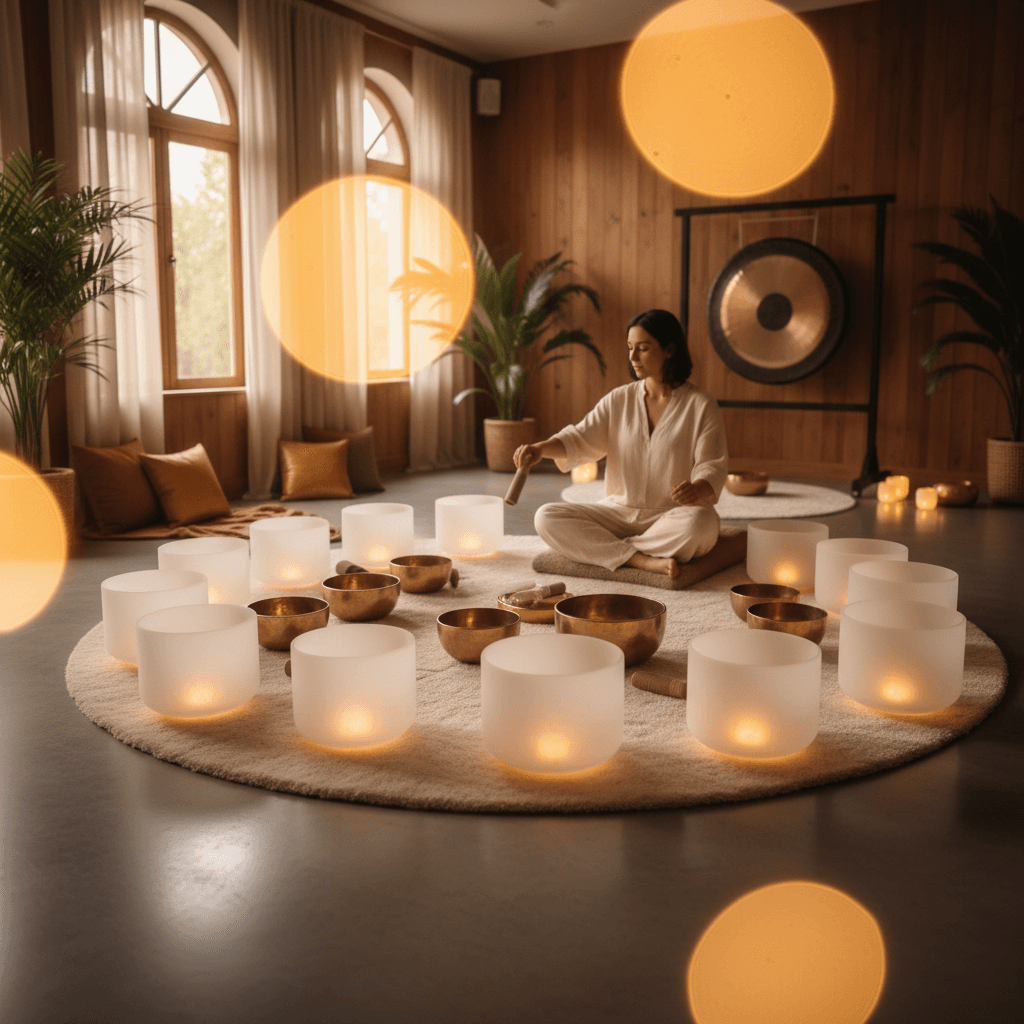
- Gongs and Singing Bowls: While known for their resonant tones, the consistent striking patterns and rhythmic cycles involved in playing these instruments can induce a profound state of rhythmic engagement.
- Chimes and Other Tonal Instruments: Used in deliberate, repetitive sequences to create a soothing, yet guiding, auditory pulse.
These elements are carefully woven into our sound wellness sessions, designed to support nervous system regulation and foster a sense of internal harmony. For individuals seeking complementary approaches, participating in such sessions may cultivate an enhanced awareness of rhythm and body, which could indirectly support better motor control and overall physical grace. Larissa Steinbach and the Soul Art team are dedicated to offering an oasis where sound can gently guide you toward a more balanced and rhythmic existence.
Empowering Your Wellness Journey: Next Steps with Rhythm
Discovering the potential of Rhythmic Auditory Cueing (RAC) opens a fascinating avenue for supporting well-being, especially for those navigating the complexities of Parkinson's disease. It's crucial to remember that RAC is a complementary approach to conventional medical care, not a replacement. Its strength lies in enhancing existing strategies and promoting a holistic sense of wellness.
Here are some practical next steps you might consider incorporating into your daily life to explore the benefits of rhythm:
- Discuss with Your Healthcare Provider: Before integrating any new wellness practice, especially if you have a medical condition like Parkinson's disease, always consult with your doctor or physical therapist. They can provide personalized advice and ensure that Rhythmic Auditory Cueing aligns with your overall treatment plan.
- Explore Rhythmic Activities: Begin by incorporating more rhythm into your daily life. This could be as simple as walking to the beat of your favorite music with a consistent tempo, or engaging in rhythmic exercises like gentle dancing or tai chi. Even simple drumming or clapping exercises can help improve your sense of timing and coordination.
- Utilize Metronome Apps: Many smartphone applications offer metronome functions. You might experiment with setting a comfortable beat and trying to match your walking pace to it, perhaps starting at your preferred cadence and making small, gradual adjustments as advised by a professional. This can be a practical tool for self-practice at home.
- Engage with Sound Wellness: Consider exploring sound wellness experiences like those offered at Soul Art. While not direct gait training, these sessions can foster deep relaxation, reduce stress, and enhance your body's natural responsiveness to sound and rhythm. Such a holistic approach may contribute to improved body awareness and nervous system regulation, which are foundational for physical function.
- Prioritize Regular Movement: Continue with any prescribed physical therapy or exercise routines. RAC is most effective when combined with consistent physical activity, acting as a supportive tool to optimize movement patterns.
Embracing rhythm as a tool for wellness can be an empowering step on your journey. Soul Art invites you to explore the profound impact that carefully curated sound experiences, guided by experts like Larissa Steinbach, can have on your overall vitality.
In Summary: The Rhythmic Promise
The journey through Parkinson's disease presents unique challenges to movement, balance, and daily living. However, the scientific exploration of Rhythmic Auditory Cueing (RAC) offers a beacon of hope, suggesting a powerful, yet gentle, way to support these motor functions. Research consistently highlights the potential of RAC to improve crucial gait parameters such as cadence, velocity, and stride length, and even reduce freezing episodes, through the brain's natural capacity for entrainment.
This non-invasive, safe, and scientifically-backed approach harnesses the power of sound to help individuals synchronize their movements, offering a complementary pathway to enhanced mobility and confidence. Soul Art, under the discerning leadership of Larissa Steinbach, champions a holistic wellness philosophy where the principles of rhythmic engagement are woven into transformative sound experiences. We believe that by nurturing the body's innate connection to rhythm, we can foster a deeper sense of well-being and empower individuals on their wellness journey.
Bookings Coming Soon
Soul Art is still in preparation. Session details and booking will be published here after launch.
Coming Soon
Wellness Disclaimer: This article is for educational and informational purposes only. It does not constitute medical advice, diagnosis, or treatment. Soul Art Dubai provides non-medical wellness experiences focused on relaxation, stress management, and general wellbeing. Sound wellness is a complementary practice and should not replace professional medical care.