Optimizing Paralympic Potential: Adapted Sound Protocols
Key Insights
Explore how adapted sound protocols, rooted in Polyvagal Theory and RAS, can empower Paralympic athletes. Discover stress resilience, improved motor control, and peak performance with Soul Art Dubai.
The world of Paralympic sports is a testament to human resilience, determination, and the relentless pursuit of excellence. Yet, beneath the inspiring narratives, Paralympic athletes face unique and profound challenges that can impact both their physical and mental well-being. From navigating specific biomechanical hurdles to enduring immense competitive pressures and societal expectations, their nervous systems are often under sustained stress.
Imagine an athlete, finely tuned for peak performance, grappling not only with physical demands but also with invisible mental blocks or chronic pain. How can we offer innovative, complementary support that addresses these multifaceted needs? This article delves into the transformative potential of adapted sound protocols, explaining the scientific underpinnings and practical applications that may empower Paralympic athletes to unlock deeper levels of performance and well-being.
At Soul Art, Dubai's premier sound wellness studio, we believe in a holistic approach that integrates cutting-edge understanding of the nervous system with ancient wisdom. We explore how targeted sound interventions, under the guidance of experts like Larissa Steinbach, can offer a sophisticated pathway to enhanced physical coordination, mental resilience, and profound nervous system regulation for these extraordinary individuals. Join us as we uncover a quiet revolution in athletic support, where tailored soundscapes become a vital component of a champion's journey.
The Science Explained: How Sound Shapes Performance and Resilience
The intricate connection between sound, the nervous system, and physical movement is a rapidly evolving field of scientific inquiry. For Paralympic athletes, understanding this connection offers a novel avenue for enhancing both mental fortitude and physical capabilities. Two key scientific frameworks, Polyvagal Theory and Rhythmic Auditory Stimulation (RAS), provide robust insights into how sound protocols can be adapted to support these elite individuals.
Polyvagal Theory: Regulating the Athlete's Nervous System
Polyvagal Theory, developed by Dr. Stephen Porges, offers a revolutionary lens through which to understand the nervous system's role in stress, trauma, and social engagement. It posits that our autonomic nervous system (ANS) is not just a simple fight-or-flight mechanism, but a sophisticated hierarchy that constantly assesses safety and danger. For athletes, particularly those in high-stakes environments like the Paralympics, this internal alarm system can become hyperactive.
Many mental health challenges in sports, such as the "yips" or performance anxiety, are not merely psychological failings. Instead, they can be behaviors elicited by changes in the brain and an overactive internal alarm system, often a result of cumulative stress and even traumatic experiences. Athletes are frequently exposed to intense stress tests, including sports injuries, verbal abuse, social rejection, public failures, chronic pain, and various traumatic experiences outside of sport. If left unchecked, these repetitive stressors can keep the internal alarm system active, leading to dysregulation and impacting performance.
Traditional sport psychology methods, like positive self-talk, often fall short because they do not directly address the physiological state of the nervous system. This is where trauma-informed approaches and Polyvagal Theory become critical. The Safe and Sound Protocol (SSP), a non-invasive auditory intervention rooted in Polyvagal Theory, uses filtered music to gently retune the nervous system. By exercising the middle ear muscles and stimulating the vagus nerve, SSP may support the nervous system in shifting from a state of defensiveness (sympathetic activation) to one of safety and social engagement (ventral vagal state). This shift can help athletes better manage stress, improve emotional regulation, and potentially alleviate mental blocks, supporting a more resilient and adaptable state for competition and recovery.
Rhythmic Auditory Stimulation (RAS): Enhancing Motor Control and Biomechanics
Beyond nervous system regulation, sound plays a powerful and direct role in optimizing physical movement and coordination. Rhythmic Auditory Stimulation (RAS) involves the use of rhythmic patterns, such as a metronome or beat-enhanced music, to facilitate and rehabilitate intrinsically rhythmical movements. This robust body of research evidence has significant implications for Paralympic athletes.
RAS has been shown to have immediate effects on various aspects of movement, including gait velocity, step cadence, and stride length. Studies indicate that it can reduce gait variability and improve walking stability, particularly in conditions affecting motor control. This is immensely relevant for adapted sports, where optimizing biomechanics is crucial for performance and injury prevention, as highlighted by research on the field of biomechanics in Paralympic sports.
Moreover, augmented auditory feedback can directly enhance athletic performance. For instance, studies have shown that auditory information provided concomitant with movement helped athletes maintain pacing and improve exercise metrics, such as repetition range and total effort in activities like weightlifting. High-intensity sounds presented during the bench-press phase, for example, have facilitated exerted mean muscle power. In precision sports, like rifle shooting, auditory signals mapping rifle alignment improved shooting performance in post- and retention tests. These findings collectively demonstrate how precisely adapted sound can provide a powerful external cue, enhancing an athlete's internal kinesthetic awareness and optimizing their physical output and precision.
The Brain-Body Connection: Sound and Neuroplasticity
The cumulative effect of these sound-based interventions lies in their ability to foster neuroplasticity – the brain's capacity to reorganize itself by forming new neural connections. By consistently providing the nervous system with cues of safety and rhythmic structure, sound protocols may help to recalibrate neural pathways. This sustained practice can lead to lasting improvements in emotional regulation, focus, and motor control. For Paralympic athletes, this means not just temporary relief but potentially long-term adaptations that support their unique physical and mental landscapes, enhancing their adaptive synergy in sport.
How It Works in Practice: The Athlete's Experience with Sound
Stepping into a sound wellness session, particularly one tailored for the specific needs of a Paralympic athlete, is an experience designed to be both deeply calming and subtly transformative. It's not merely about listening to music; it’s about engaging the entire nervous system and body in a process of regulation and enhancement. The practical application of adapted sound protocols is highly individualized, reflecting the diverse range of impairments and sporting disciplines within the Paralympic movement.
A session often begins with an intake discussion, where the sound practitioner, much like Larissa Steinbach at Soul Art, gains a nuanced understanding of the athlete's specific goals, challenges, and preferences. This might include recent injuries, areas of chronic pain, specific performance anxieties, or biomechanical goals like improving gait consistency or precision in a particular movement. Based on this, a bespoke sound protocol is designed, integrating elements of nervous system regulation and rhythmic movement support.
During a Safe and Sound Protocol (SSP) inspired session, the athlete might listen to specially filtered music through headphones. The sounds are modified to emphasize the frequencies of the human voice, which are naturally calming and signaling of safety according to Polyvagal Theory. Many people report feeling a gentle shift within their body – perhaps a release of tension, a softening of breath, or a heightened sense of awareness. The focus isn't on active engagement but on allowing the nervous system to passively receive and process these auditory signals, encouraging a gradual downshift from a state of hypervigilance. This subtle but profound re-training of the auditory neural pathways helps to recalibrate the fight-or-flight response, paving the way for greater emotional resilience and mental clarity.
When the goal is physical performance enhancement, the approach shifts towards Rhythmic Auditory Stimulation (RAS). Here, the athlete might engage in specific movements, such as a simulated rowing stroke, a throwing motion, or gait training, while synchronizing with precise rhythmic beats or auditory cues. Imagine a para-athlete rower receiving immediate auditory feedback, perhaps a brightening tone as more effort is exerted, helping them maintain pacing and improve muscle power. Or a wheelchair basketball player practicing drills with a rhythmic beat that helps them anticipate turns and maintain speed more effectively. The auditory signal acts as an external pacemaker, strengthening the neural pathways for coordinated, efficient movement. This external rhythmic anchor can significantly reduce gait variability and enhance motor control, allowing for more fluid and powerful actions.
Clients often describe a profound sense of integration – a feeling that their mind and body are working in greater harmony. The sensory experience is often one of deep relaxation combined with a sharpened focus. They might notice subtle shifts in their body awareness, improved balance, or a greater ease in performing movements that previously felt challenging. This personalized application of sound, whether for calming the nervous system or refining motor skills, provides a powerful, non-invasive pathway to unlocking untapped potential and fostering a more adaptive and resilient athlete.
The Soul Art Approach: Larissa Steinbach's Unique Methodology
At Soul Art, Dubai's premier sound wellness studio, Larissa Steinbach has cultivated a unique and deeply personalized approach to sound wellness, particularly for elite athletes. Her methodology is rooted in a profound understanding of both the scientific principles of sound and the individual needs of her clients, ensuring each protocol is not just effective but also resonates on a personal level. For Paralympic athletes, this bespoke attention is paramount.
Larissa's distinctiveness lies in her ability to seamlessly integrate the theoretical frameworks of Polyvagal Theory and Rhythmic Auditory Stimulation into practical, impactful sessions. She doesn't just apply generic soundscapes; she crafts specific sound protocols designed to address the unique physiological and psychological profiles of each athlete. This might involve custom-designed frequency blends aimed at calming an overactive nervous system, or precise rhythmic patterns to enhance a specific biomechanical movement crucial for their sport.
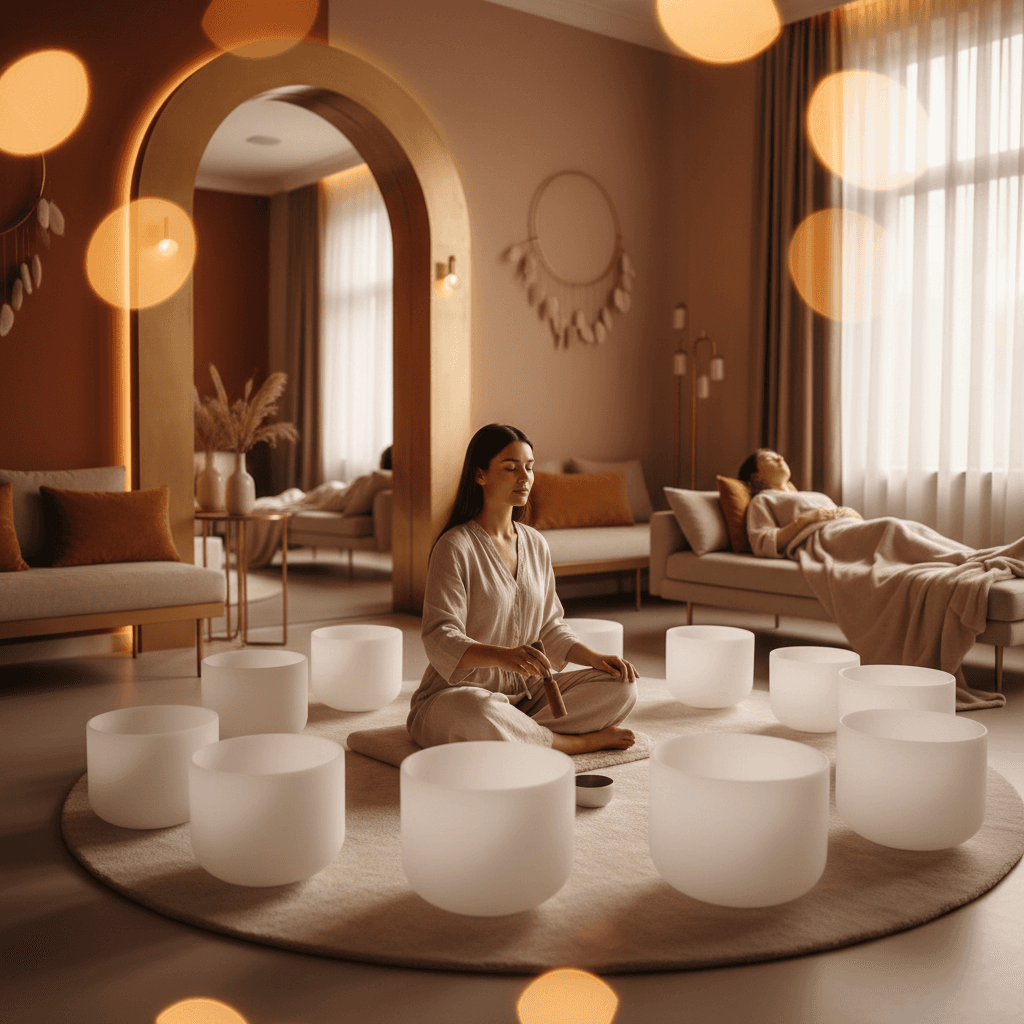
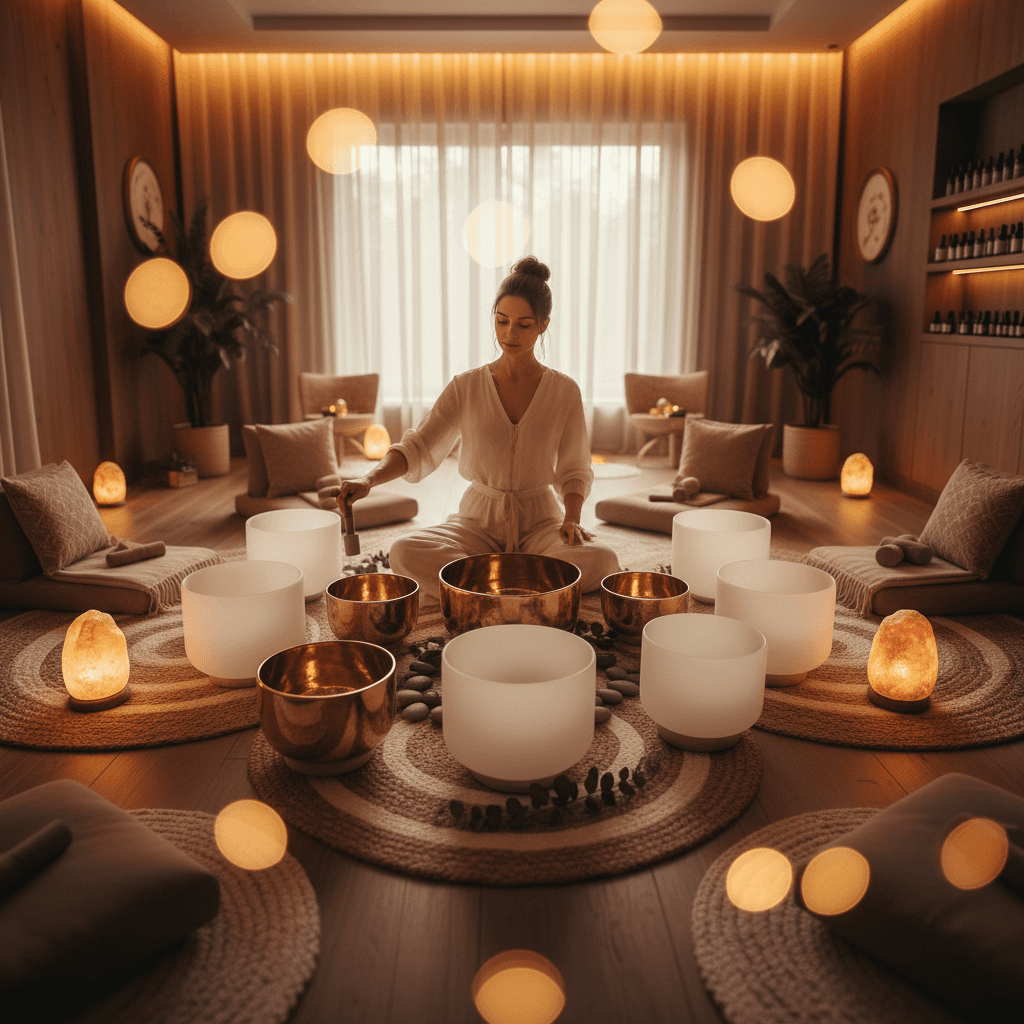
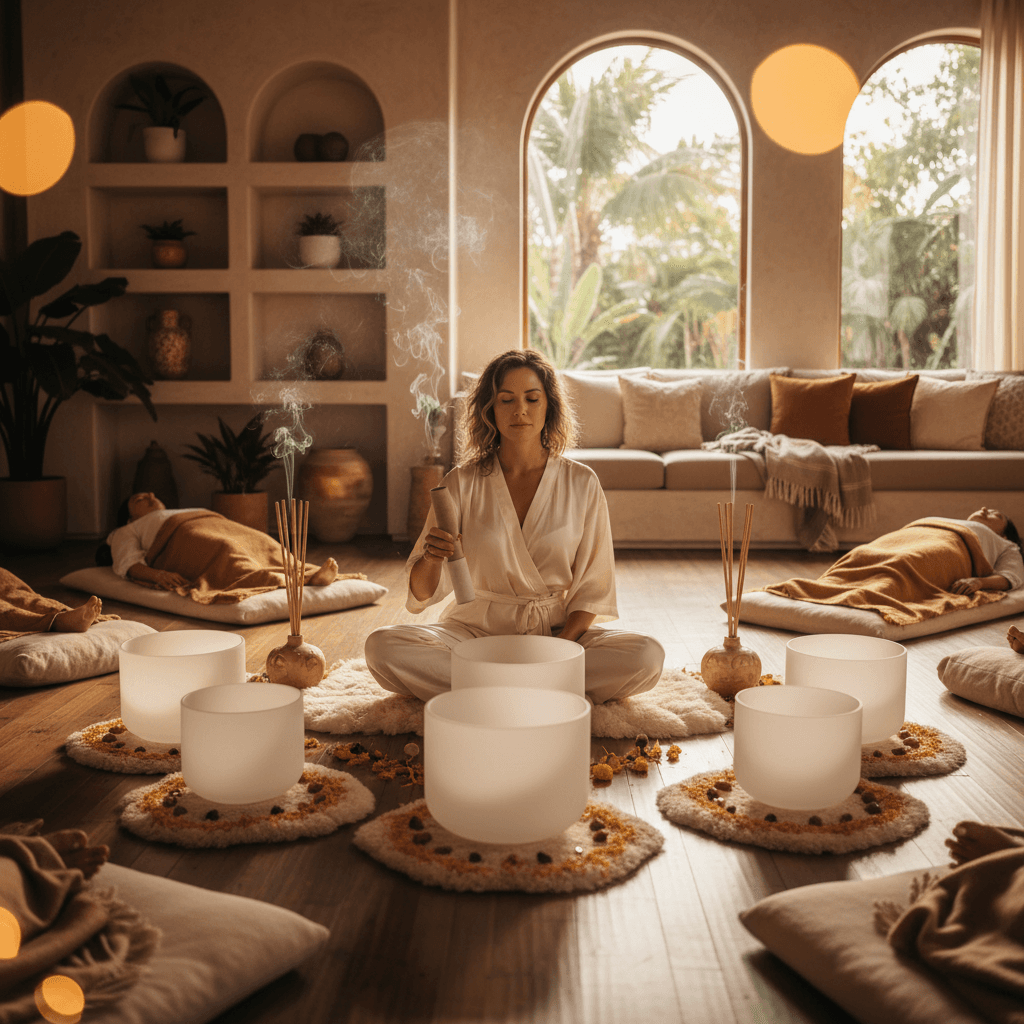
The Soul Art method begins with a comprehensive consultation to understand the athlete's sporting discipline, their physical abilities, any existing challenges, and their performance goals. This holistic assessment informs the creation of an adapted sound wellness plan. Larissa Steinbach frequently incorporates a diverse array of instruments, each selected for its specific acoustic properties and therapeutic potential. This includes the resonant vibrations of crystal and Himalayan singing bowls, the deep reverberations of gongs, and the precise frequencies of tuning forks. These instruments are not merely played; they are expertly utilized to create a rich tapestry of sound that interacts directly with the body's subtle energy systems and auditory processing centers.
For nervous system regulation, Larissa might employ deeply resonant, sustained tones that encourage the vagus nerve to downregulate, promoting a state of ventral vagal safety. This gentle immersion helps to release accumulated stress and restore emotional equilibrium. In contrast, for motor skill enhancement, she might use specific rhythmic drumming patterns or electronic beats, carefully calibrated to the athlete's desired movement tempo and precision. This targeted auditory feedback creates a synchronized experience, helping to refine muscle memory and improve coordination.
What truly sets Larissa Steinbach and Soul Art apart is the commitment to empowering the individual. The sessions are not passive experiences; they are guided explorations into self-awareness and self-regulation. Athletes are taught to attune to their body's responses, fostering a deeper mind-body connection that extends beyond the studio walls and into their training and competition. Soul Art's tailored sound protocols offer Paralympic athletes a sophisticated, complementary tool to not only excel in their sport but also to cultivate profound inner resilience and well-being.
Your Next Steps: Integrating Sound Wellness into Your Life
Understanding the profound potential of adapted sound protocols is the first step towards embracing a new dimension of well-being and performance. Whether you're an elite Paralympic athlete, a dedicated coach, or simply someone seeking to optimize your nervous system, incorporating sound wellness into your routine can offer tangible benefits. Here are some actionable steps you can take today:
- Explore Mindful Listening: Start by simply paying closer attention to the sounds around you. Notice how different sounds impact your mood and body. Dedicate five minutes daily to listening to calming music or natural sounds, observing your breath and any shifts in tension. This practice builds auditory awareness.
- Prioritize Nervous System Regulation: Recognize the impact of cumulative stress on your body and mind. Consider practices that actively support nervous system regulation, such as deep diaphragmatic breathing. Inhale slowly for a count of four, hold for four, and exhale for six, focusing on the sounds of your breath.
- Investigate Rhythmic Movement: For those focused on physical performance, explore how integrating rhythmic elements into your training might enhance coordination. Try exercising to a consistent beat or metronome, noting how it influences your pacing, fluidity, and precision.
- Seek Professional Guidance: To truly harness the power of adapted sound protocols, consider a personalized session with an experienced practitioner. An expert can assess your unique needs and design a tailored program that targets specific goals, ensuring optimal results and safety.
- Book a Discovery Session at Soul Art: Experience firsthand the transformative power of sound wellness. Connect with Larissa Steinbach and the team at Soul Art Dubai to discuss how adapted sound protocols can support your journey toward enhanced well-being and peak performance.
Embracing these steps can lead to greater self-awareness, improved stress resilience, and a more harmonized connection between your mind and body. The journey to optimal well-being and performance is continuous, and sound offers a powerful, elegant ally.
In Summary: The Harmonious Path to Peak Performance
Paralympic athletes embody extraordinary strength and dedication, yet their path is often marked by unique physical and psychological stressors. Adapted sound protocols, grounded in scientific principles like Polyvagal Theory and Rhythmic Auditory Stimulation, offer a sophisticated, complementary pathway to support their holistic well-being and enhance performance. These methods address both the invisible burden of nervous system dysregulation and the tangible needs for improved motor control and precision.
By recalibrating the nervous system for greater resilience and utilizing sound as a powerful cue for optimized movement, athletes may unlock new levels of focus, coordination, and emotional balance. Larissa Steinbach's unique methodology at Soul Art Dubai provides personalized, expert guidance in this transformative journey. We invite you to explore how the refined art and science of sound can empower you or an athlete you know to achieve profound well-being and reach peak potential.
Bookings Coming Soon
Soul Art is still in preparation. Session details and booking will be published here after launch.
Coming Soon
Wellness Disclaimer: This article is for educational and informational purposes only. It does not constitute medical advice, diagnosis, or treatment. Soul Art Dubai provides non-medical wellness experiences focused on relaxation, stress management, and general wellbeing. Sound wellness is a complementary practice and should not replace professional medical care.
Related Articles
Optimizing Athletic Performance: The Synergy of Sports Nutrition and Sound Wellness
Archery, Stillness, and Sound: Soul Art's Path to Focus
Swimming's Secret Weapon: Sound for Peak Aquatic Performance