Sound's Gentle Embrace: Comforting End-of-Life Journeys
Key Insights
Explore how sound healing, championed by Larissa Steinbach at Soul Art Dubai, offers profound comfort, emotional peace, and spiritual support for individuals in palliative care.
The journey through life's final chapter can be profoundly challenging, not just physically, but emotionally and spiritually. Individuals and their families often grapple with existential questions, a search for meaning, and the desire for peace amidst discomfort and uncertainty. While conventional medical care focuses on symptom management, there is a growing recognition of the vital role that complementary wellness practices can play in enhancing the quality of life during this delicate phase.
At Soul Art, Dubai's premier sound wellness studio, founded by the visionary Larissa Steinbach, we understand this deeply. We explore how sound healing, a practice rooted in ancient traditions and increasingly supported by modern science, offers a gentle yet powerful pathway to comfort, emotional serenity, and spiritual integration for those in palliative care. This article delves into the scientific underpinnings and practical applications of sound healing, illuminating its potential to bring a sense of solace and connection when it is needed most. Join us as we uncover how specific frequencies and vibrations may support a more peaceful end-of-life experience.
The Science of Sound's Gentle Embrace
The human body and mind respond instinctively to sound, a phenomenon that modern science is steadily unraveling. Sound healing, a distinct wellness modality that often shares principles with music therapy, leverages these inherent responses to foster profound states of relaxation, reduce discomfort, and support emotional and spiritual well-being. Understanding the physiological and psychological pathways through which sound exerts its influence is key to appreciating its potential in palliative care.
The Brain's Response to Sound and Vibration
Our brains are intricate processors of auditory information, capable of synchronizing with external rhythms and frequencies—a process known as brainwave entrainment. This foundational research, established through decades of EEG studies, suggests that specific sound frequencies may encourage the brain to shift into desired states. For instance:
- Delta waves (associated with deep sleep and healing) may be encouraged by very low frequencies.
- Theta waves (linked to deep relaxation, meditation, and creativity) can be accessed through specific sound patterns.
- Alpha waves (characteristic of relaxed, calm alertness) are often induced by soothing tones.
These shifts in brainwave activity may influence the autonomic nervous system, which governs involuntary bodily functions like heart rate, breathing, and digestion. Preliminary studies indicate that sound therapy may contribute to:
- Improved Heart Rate Variability: Suggesting enhanced cardiovascular coherence.
- Blood Pressure Reduction: Research has demonstrated lowered blood pressure following certain sound therapy sessions.
- Stress Hormone Regulation: Some studies show reduced cortisol levels and an increase in beneficial neurotransmitters like dopamine and serotonin, which are associated with mood regulation and well-being.
- Breathing Pattern Optimization: Observations suggest improved respiratory function during periods of deep sound-induced relaxation.
The vibrational aspect of sound, especially from instruments placed on or near the body, is also gaining attention. These subtle vibrations may interact with the body's cellular structures, promoting a sense of physical release and relaxation. While further robust research is needed to fully understand these intricate mechanisms, the emerging picture points to sound as a potent tool for influencing physiological states.
Music Therapy's Impact in Palliative Care
A growing body of research, primarily within the field of music therapy, provides compelling evidence for the psycho-spiritual and physical benefits of sound-based interventions for individuals nearing the end of life. These findings offer valuable insights into the potential applications of sound healing in palliative care settings.
The "Song of Life" (SOL) technique, a biographical music therapy intervention, has shown particularly promising results. A multicenter randomized trial found that the SOL technique had a positive impact on the emotional and spiritual components of palliative care patients' quality of life. Specifically, participants in the SOL group experienced:
- Higher spiritual well-being: This suggests a deeper connection to purpose and inner peace.
- Enhanced ego-integrity: Facilitating a sense of wholeness and acceptance of one's life story.
- A sense of connectedness: Providing relief from existential fears by fostering a feeling of belonging to life and oneself.
This research highlights the promising potential of biographical interventions using personally meaningful music to facilitate psycho-spiritual integration and reduce distress in terminally ill patients. The study reinforces that music therapy can serve as an effective psychosocial treatment, helping individuals process past life events and find meaning.
Beyond spiritual well-being, music therapy and sound interventions have been associated with a range of clinically relevant outcomes:
- Improved Overall Quality of Life: Both quantitative and qualitative evidence suggests that music therapy may enhance the general well-being of palliative patients.
- Reduction in Physical Discomfort and Pain: Multiple studies indicate that music therapy has the potential to reduce pain perception and physical discomfort, offering a non-pharmacological complementary approach to symptom management. One study noted that perceived pain scores were 27% lower in a music group receiving live spontaneous harp music.
- Enhanced Mood and Reduced Anxiety: Quantitative evidence suggests that music therapy can improve patients’ mood and significantly reduce anxiety levels, contributing to greater emotional stability during a vulnerable time.
- Emotional Well-being: Qualitative studies corroborate improvements in emotional well-being, allowing for expression and processing of feelings.
- Support for Caregivers: The benefits extend beyond the patient, with evidence suggesting reduced caregiver stress and anxiety, both pre- and post-bereavement, supporting a holistic care approach that encompasses the entire support system.
While many clinical reports and non-controlled trials highlight beneficial effects, it is important to acknowledge that the empirical research literature, especially high-quality randomized controlled trials (RCTs), is still developing. Some reviews indicate "insufficient evidence of high quality" for certain outcomes and call for more studies with larger sample sizes to strengthen the evidence base. Nevertheless, the consistent findings across various studies underscore the broad therapeutic potential of sound and music interventions as a valuable complementary approach in palliative care, working alongside established medical treatments to support dignity and comfort.
Bringing Tranquility: Sound Healing in Practice
Connecting the scientific understanding of sound's effects to its real-world application reveals how sound healing can manifest as a powerful and compassionate practice, particularly in palliative care. When offered with intention and sensitivity, these sessions can provide profound comfort, often transcending verbal communication and reaching individuals on a deeper, non-cognitive level.
A Personalized Journey of Sound
At Soul Art, sound healing sessions are meticulously crafted to be highly personalized, recognizing that each individual's journey and needs are unique. This tailoring is crucial, especially in palliative care, where preferences, physical comfort, and emotional states can fluctuate. A practitioner begins by understanding the individual's current condition, their comfort levels, and any expressed preferences for types of sounds or instruments.
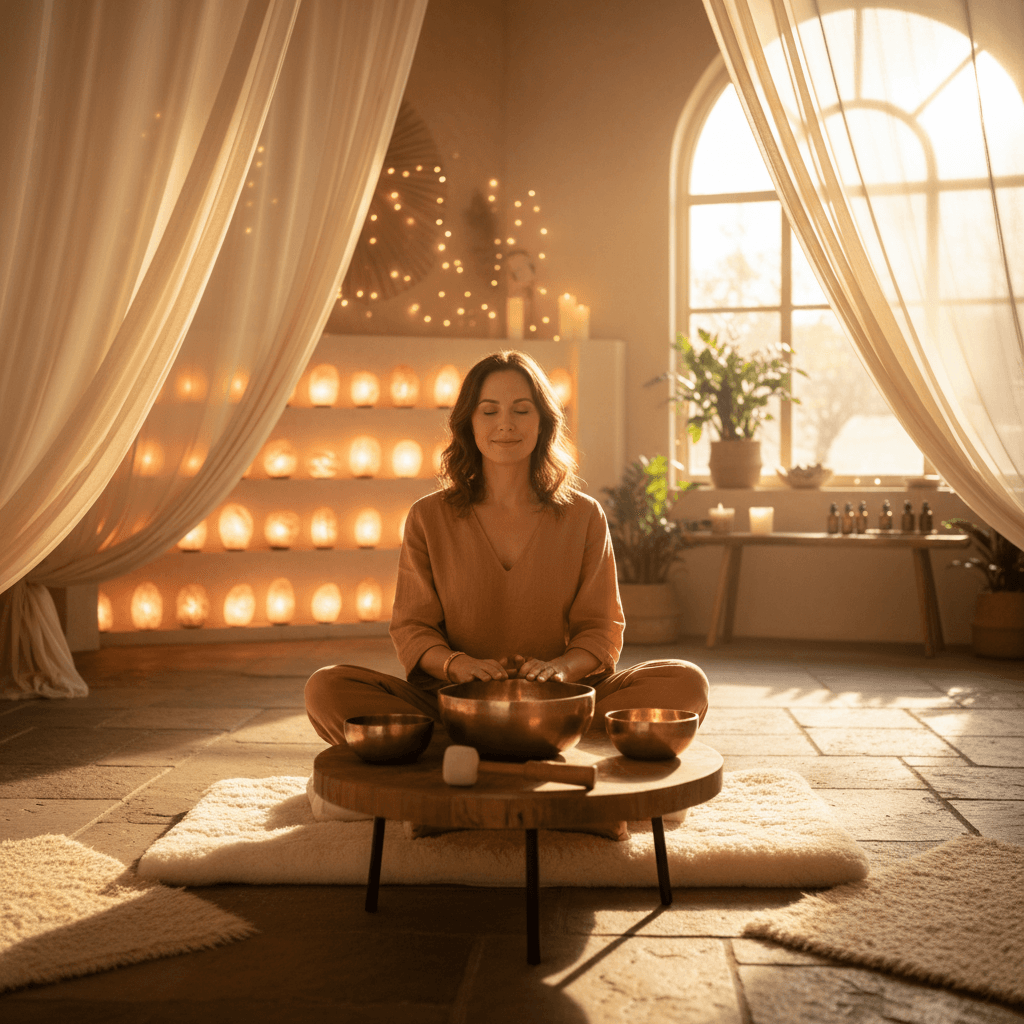
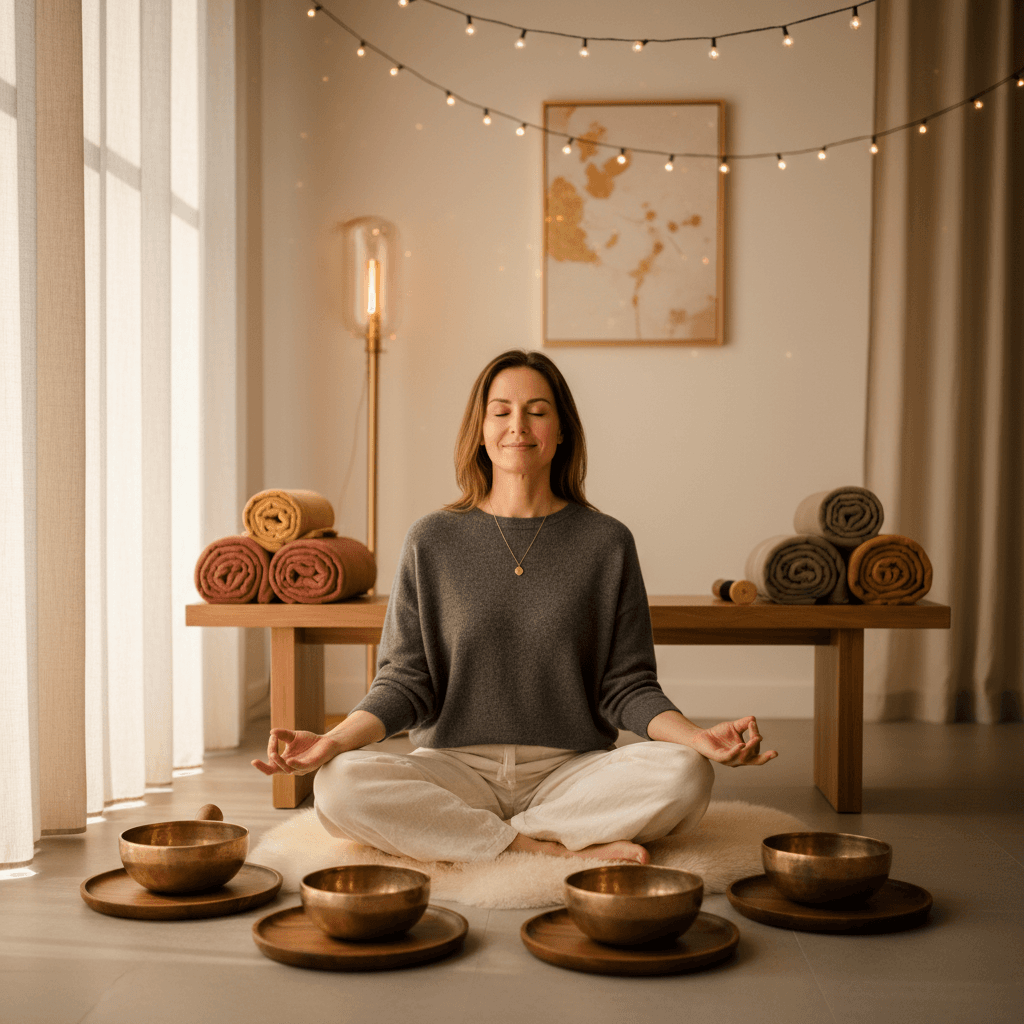
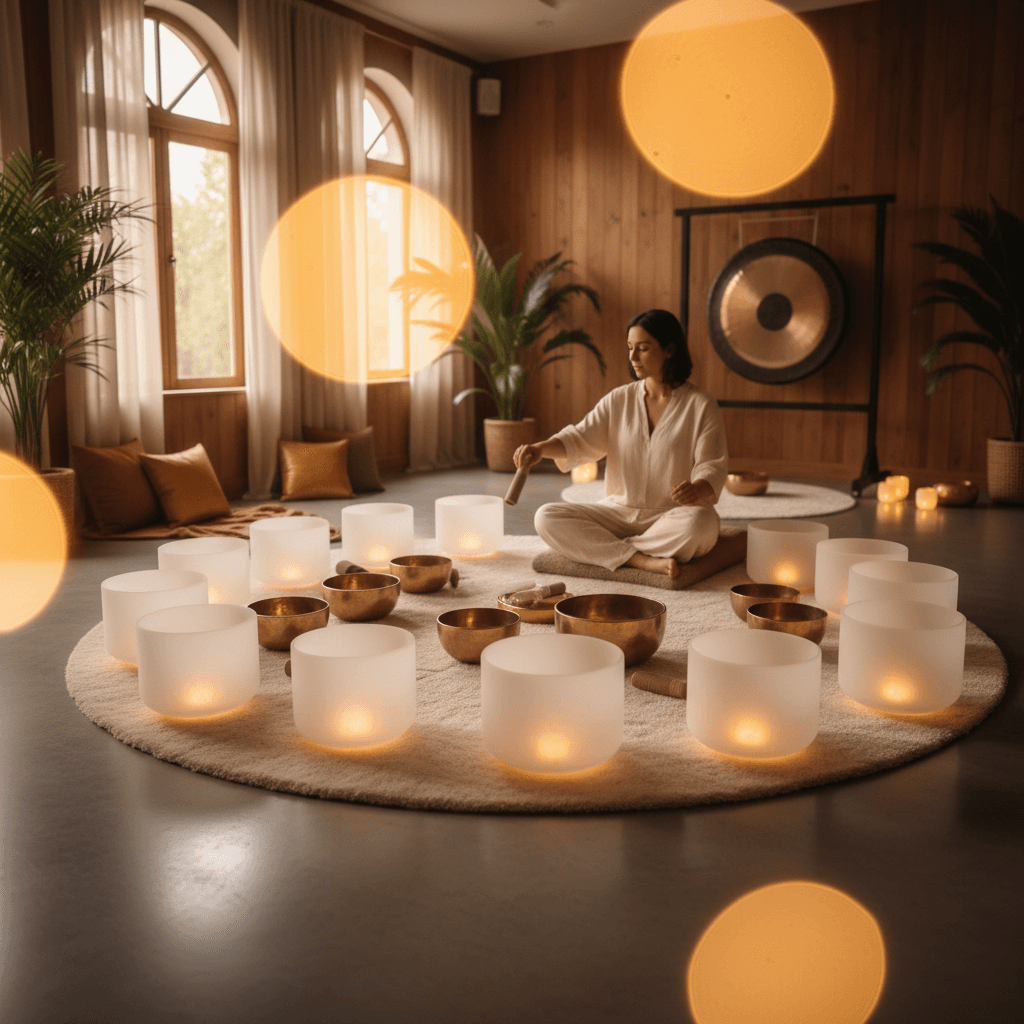
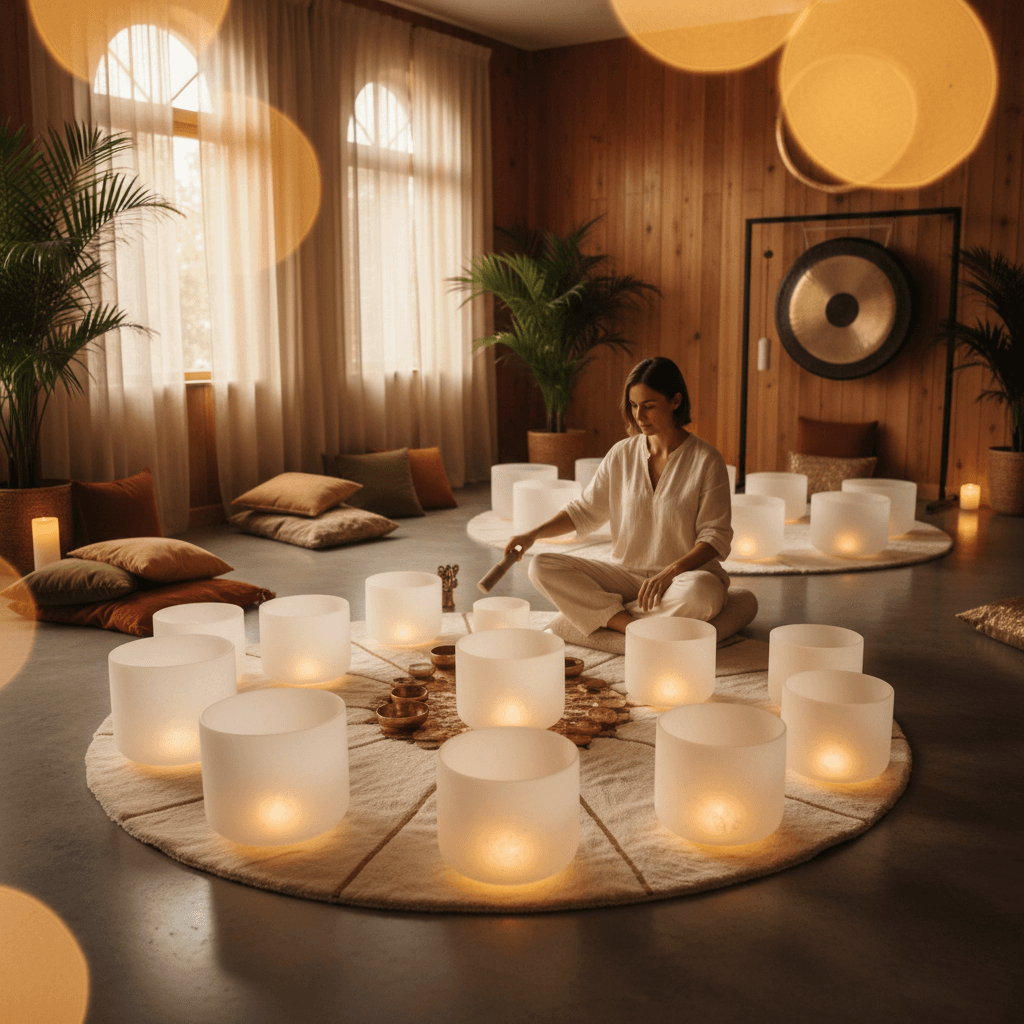
- Gentle Engagement: Sessions often involve soft, resonant instruments such as crystal singing bowls, Himalayan singing bowls, gongs, chimes, and sometimes the human voice through vocal toning. These instruments produce rich overtones and sustained vibrations that are often described as soothing and deeply calming.
- Sensory Immersion: Clients typically lie in a comfortable, supportive position, allowing the sounds and vibrations to wash over them. The experience is not merely auditory; it is a full-body immersion. The subtle vibrations from the instruments, particularly when played near the body, can be felt physically, creating a sense of being gently held or enveloped. Many people report a profound sense of peace and stillness settling over them.
- Creating a Sacred Space: The environment itself is part of the healing experience. A tranquil, softly lit space, free from distractions, is essential to foster a sense of safety and calm. This supportive atmosphere helps individuals relax and open to the experience without pressure or expectation.
Reported Benefits of Sound Healing Sessions
Clients engaging in sound healing for palliative care often report a variety of positive experiences, aligning with the research findings in music therapy:
- Deep Relaxation and Stress Reduction: The sustained tones and rhythmic pulses may guide the body and mind into a state akin to meditation, reducing feelings of stress and promoting deep relaxation. This can be particularly valuable for individuals experiencing chronic tension or agitation.
- Alleviation of Discomfort: While not a cure, many people report that the immersive nature of sound helps to distract from or reduce the perception of physical pain and discomfort. The focus shifts from the sensation of pain to the enveloping sounds, providing a temporary respite.
- Emotional Release and Processing: The gentle, non-verbal nature of sound healing can create a safe space for emotions to surface and be processed without judgment. This may facilitate a healthy emotional release, helping individuals come to terms with their situation.
- Enhanced Spiritual Connection: For many, the profound states induced by sound foster a sense of connection—to themselves, to something greater, or to their life's journey. This aligns with the "Song of Life" study's findings on increased spiritual well-being and ego-integrity, offering comfort through a deeper sense of meaning.
- Improved Sleep Quality: By promoting deep relaxation and reducing anxiety, sound healing may indirectly contribute to more restful sleep, a critical component of overall well-being.
- Support for Dignity and Peace: Ultimately, the practice aims to enhance the quality of life, affirming the individual's dignity by providing moments of peace, comfort, and connection during their final stages of life.
"In the quiet resonance of sound, we find not just distraction from discomfort, but a pathway to inner peace and a gentle affirmation of life's profound journey, even at its tender close."
The experience is deeply personal and varies for everyone. Some may drift into a peaceful sleep, while others remain consciously aware, engaging with the sounds on an emotional or spiritual level. The common thread is the creation of a supportive, non-invasive space where healing can unfold on multiple dimensions.
The Soul Art Difference: Larissa Steinbach's Vision
At Soul Art, Dubai's premier sound wellness studio, the practice of sound healing for palliative care is approached with profound reverence, expertise, and a deep understanding of its potential to bring solace. Larissa Steinbach, the founder of Soul Art, is a pioneer in the field of sound wellness in the region, bringing a unique blend of scientific grounding, intuitive wisdom, and compassionate care to her methodology.
Larissa Steinbach's vision for Soul Art extends beyond mere relaxation; it is about facilitating a journey of inner peace and holistic integration, particularly for those facing life's most challenging transitions. Her approach is characterized by:
- A Holistic and Integrated Perspective: Larissa understands that well-being encompasses the physical, emotional, mental, and spiritual aspects of an individual. The Soul Art method is designed to address all these dimensions, fostering a comprehensive sense of peace. This integrated view is especially pertinent in palliative care, where the interplay of these elements is complex and deeply felt.
- Emphasis on Personalized Care: Drawing from the insights of research that suggest tailoring biographical interventions to individual needs and cultural backgrounds, Larissa ensures that each session is deeply personalized. She considers the client's current health status, comfort levels, musical preferences, and emotional landscape to create a sound experience that truly resonates with them. This bespoke approach ensures maximum comfort and effectiveness.
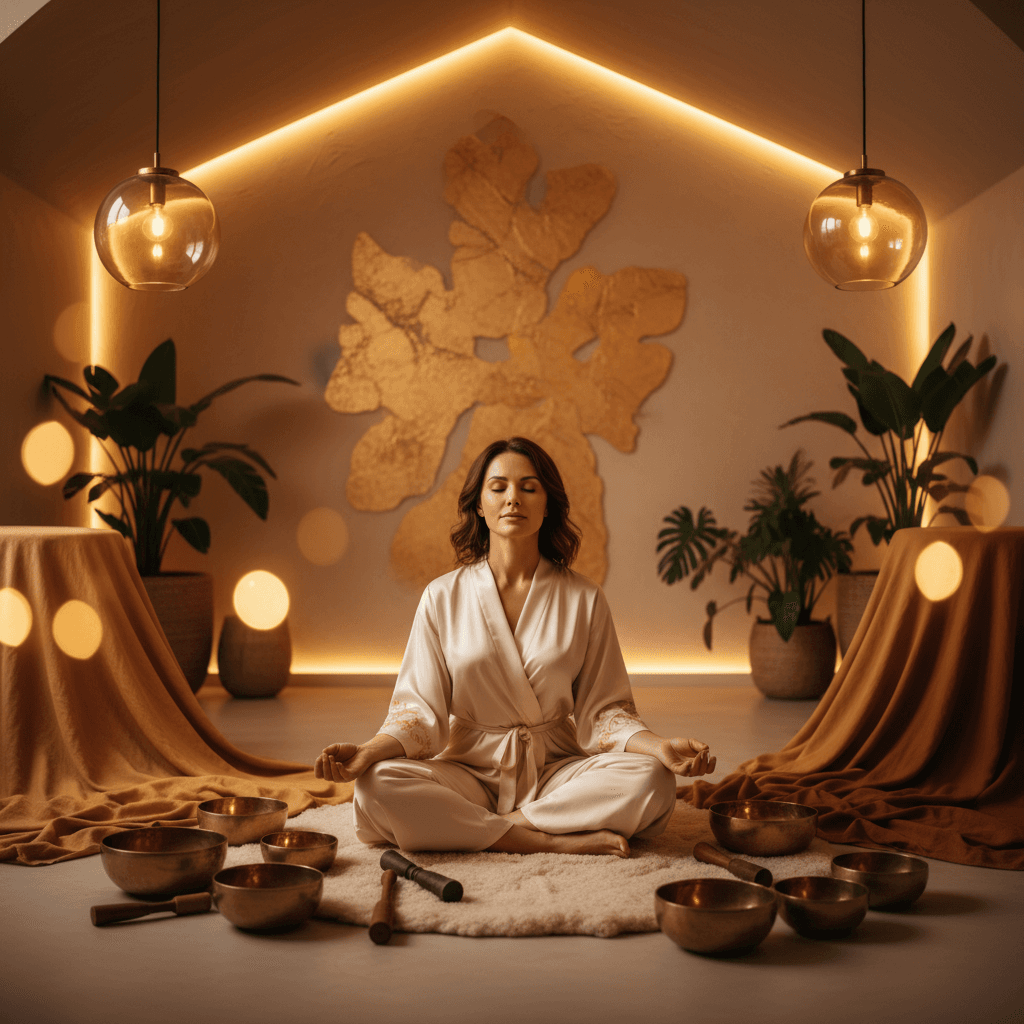
- A Curated Environment of "Quiet Luxury": Soul Art is more than a studio; it is a sanctuary. The environment is meticulously designed to exude serenity, comfort, and understated elegance, reflecting a "quiet luxury" ethos. This thoughtful setting helps clients feel safe, cherished, and deeply relaxed, allowing them to fully surrender to the sound experience without external distractions. It is a haven amidst the vibrant dynamism of Dubai, offering a space for profound introspection and calm.
- Mastery of Instruments and Techniques: Larissa and her team utilize a diverse array of resonant instruments, including:
- Crystal Singing Bowls: Known for their pure tones and powerful vibrations, often associated with energetic cleansing and chakra balancing.
- Himalayan Singing Bowls: Offering rich, earthy overtones that create a grounding and deeply relaxing effect.
- Gongs: Providing immersive soundscapes that can facilitate deep meditative states and release tension.
- Chimes and Other Percussion: Used to create delicate textures and enhance the sonic journey.
- Vocal Toning: The use of the human voice, tailored to specific frequencies, can be particularly comforting and create a profound sense of connection.
Larissa Steinbach's methodology is steeped in the intention of presence and compassion. Each session is delivered with deep empathy, acknowledging the vulnerability and strength of individuals in palliative care. The focus is not on 'fixing' or 'curing' but on providing a sacred space for comfort, acceptance, and a deeper connection to self, empowering individuals to navigate their final chapter with as much peace and dignity as possible. Soul Art’s commitment to this sensitive and sophisticated approach makes it a unique and invaluable resource for holistic wellness in Dubai and beyond.
Embracing Serenity: Your Journey Forward
For individuals and families exploring complementary approaches for end-of-life care, engaging with sound wellness offers a gentle path towards comfort and peace. While it is a wellness practice and not a medical treatment, integrating sound healing into a comprehensive palliative care plan may provide profound benefits for emotional and spiritual well-being. Larissa Steinbach and the team at Soul Art are dedicated to guiding you through this delicate journey with compassion and expertise.
Here are some practical next steps to consider if you are interested in exploring sound healing for palliative care:
- Consult with Healthcare Professionals: Always discuss any complementary wellness practices with your medical team to ensure they align with your overall care plan and health status. Sound wellness is a supportive practice and should never replace professional medical advice or treatment.
- Seek Qualified Practitioners: Choose practitioners who are trained, experienced, and demonstrate a deep understanding of the sensitivities involved in palliative care. Larissa Steinbach and her team at Soul Art uphold the highest standards of professional ethics and compassionate care.
- Start with an Introductory Session: Experience the gentle power of sound firsthand. An initial session can help you understand the process, feel the sensations, and determine if it resonates with your needs and preferences.
- Communicate Your Needs: Be open about your comfort levels, preferences, and any specific areas where you seek support. A skilled practitioner will adapt the session to best serve you, creating a truly personalized experience.
- Explore Soul Art's Offerings: Discover how Larissa Steinbach’s unique approach to sound wellness can support your journey or that of a loved one. We offer a serene environment and tailored experiences designed for profound comfort and spiritual integration.
Embracing sound wellness can be a meaningful step towards cultivating moments of peace, reducing distress, and finding a deeper sense of connection during challenging times.
A Harmony of Comfort and Connection
The journey through end-of-life care demands compassion, dignity, and a holistic approach to well-being. As explored, sound healing, drawing upon principles shared with music therapy, offers a valuable complementary practice that may support individuals in finding emotional peace, reducing discomfort, and fostering spiritual integration during this profound time. From influencing brainwave states to alleviating anxiety and enhancing a sense of connectedness, the science and practice of sound underscore its potential to bring solace.
Larissa Steinbach's vision for Soul Art in Dubai provides a sanctuary where these ancient practices are delivered with modern sensitivity and expertise. Her personalized approach, combined with a luxurious and compassionate environment, ensures that each individual receives care tailored to their unique needs. Sound wellness is not a medical treatment, but a powerful ally in enhancing the quality of life, offering a gentle embrace of harmony and comfort. We invite you to explore this transformative path towards inner peace and well-being.
Bookings Coming Soon
Soul Art is still in preparation. Session details and booking will be published here after launch.
Coming Soon
Wellness Disclaimer: This article is for educational and informational purposes only. It does not constitute medical advice, diagnosis, or treatment. Soul Art Dubai provides non-medical wellness experiences focused on relaxation, stress management, and general wellbeing. Sound wellness is a complementary practice and should not replace professional medical care.