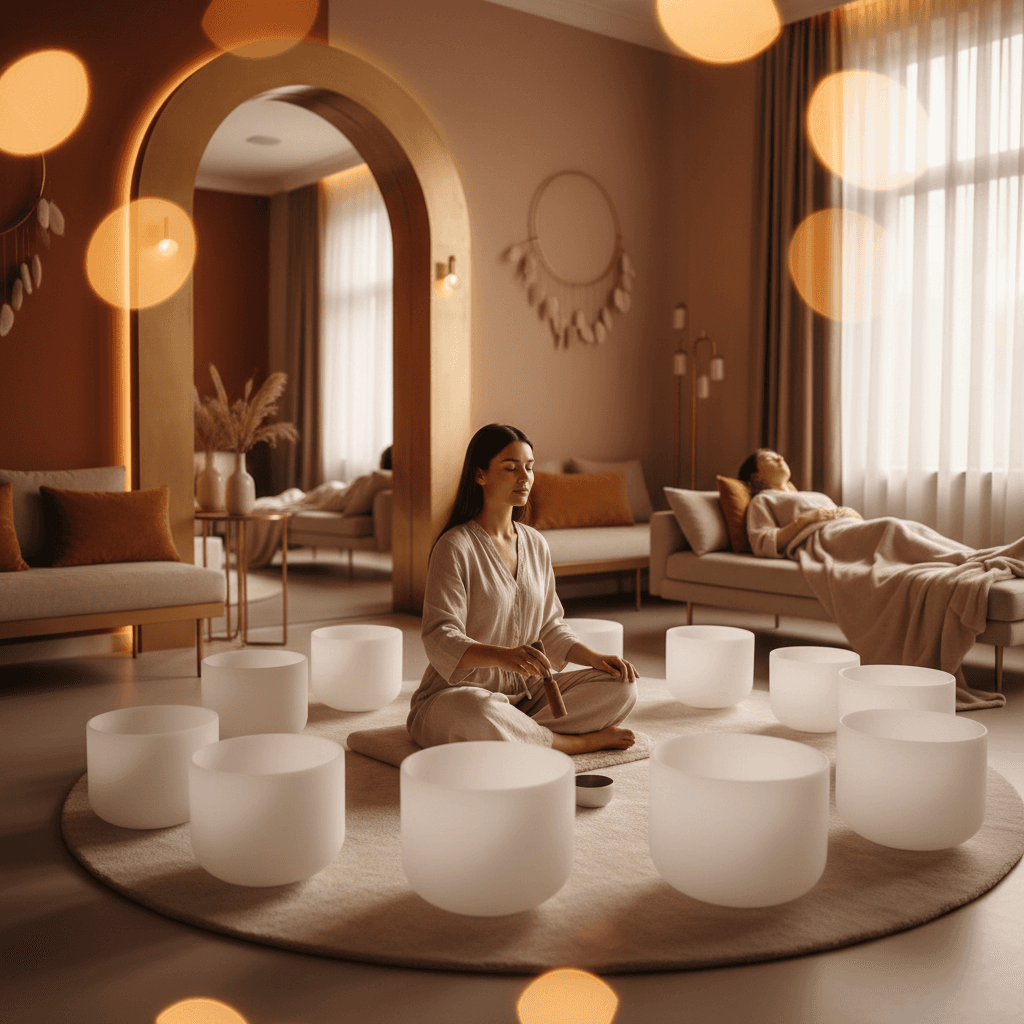
Burnout to Balance: Sound for Deep Recovery & Resilience

Key Insights
Discover how sound wellness at Soul Art Dubai supports deep recovery from burnout, promoting psychological rest and building lasting resilience.
Reclaiming Your Rhythm: The Profound Impact of Sound on Burnout Recovery
Have you ever pushed past the point of exhaustion, convinced that "more" was the only answer, only to find yourself feeling utterly depleted and disengaged? This state, often mislabeled as simply "tired," is known as burnout – a pervasive phenomenon impacting millions, from high-performing professionals to dedicated athletes. It's a critical breakdown of our physical, mental, and emotional reserves, demanding far more than just a good night's sleep to rectify.
At Soul Art, Dubai's premier sound wellness studio, we delve into the scientifically-backed methods for deep recovery. This article will explore the intricate nature of burnout, highlight the vital necessity of psychological rest, and illuminate how the profound practice of sound wellness, championed by our founder Larissa Steinbach, may support a comprehensive journey back to balance and resilience. Prepare to discover how targeted sound frequencies can be a powerful ally in restoring your vitality and preventing future overwhelm.
Understanding the Physiology of Burnout and the Science of Recovery
Burnout is not merely fatigue; it's a chronic state of physical, mental, and emotional exhaustion. The World Health Organization (WHO) describes it as an "occupational phenomenon" resulting from prolonged, unmanaged workplace stress, though personal factors can also contribute significantly. This profound depletion often manifests as decreased motivation, cynical or negative attitudes, and reduced professional performance.
What is Burnout? Beyond Just 'Being Tired'
Unlike temporary stress, burnout doesn’t tend to resolve on its own. Left unmanaged, it can escalate, increasing the risk of long-term health issues such as cardiovascular disease and depression, according to research from Mental Health UK. It can also profoundly impact personal relationships and overall well-being, creating a ripple effect across an individual's life. Recognizing the signs – exhaustion, disinterest, diminished accomplishment, and even physical symptoms like tension headaches or gastrointestinal issues – is the first crucial step toward recovery.
The American Psychological Association's Dictionary of Psychology defines burnout as "physical, emotional or mental exhaustion, accompanied by decreased motivation, lowered performance and negative attitudes toward oneself and others." It's a state where your coping mechanisms are overwhelmed, leading to a deep sense of being "too exhausted to function."
The Critical Role of Psychological Rest
Traditional approaches to recovery often emphasize physical rest, particularly for athletes dealing with overtraining syndrome. However, mounting evidence, including a critical appraisal of studies on competitive athletes, strongly supports the integration of psychological rest as an essential component in preventing and reducing burnout. Burnout results not just from physical exertion, but also from persistent cognitive and emotional load.
Structured mental breaks, mindfulness-based interventions, and practices of cognitive disengagement have been shown to be effective in ameliorating burnout symptoms. Research suggests that a break for the mind is paramount, allowing for cognitive and emotional recuperation. This psychological downtime is vital for breaking the cycle where insufficient recovery leads to compensatory effort, perpetuating and worsening stress-related disorders like burnout and depression.
How Sound and Music Influence Stress Recovery
The soothing power of sound has long been recognized, and scientific inquiry is now elucidating why it is so effective for stress recovery. Listening to certain types of music and therapeutic sound is thought to facilitate recovery through positive emotional experiences. This process activates the brain's pleasure and reward centers, which may lead to the release of beneficial neurochemicals like serotonin and dopamine.
These hormones may help downregulate the physiological and psychological load reactions that characterize the stress response. The broaden-and-build theory of positive emotions further posits that such experiences can counteract negative emotions elicited by stressors. By encouraging novel, exploratory thoughts and behaviors, positive emotions may help build resilience over time, facilitating recovery from current stressors and enhancing the ability to manage future ones.
Preliminary studies on music listening and stress recovery have indicated various physiological and psychological benefits. For instance, some research has found associations between listening to self-selected music and reductions in physiological markers like systolic and diastolic blood pressure, as well as decreases in reported anxiety levels. This suggests that sound-based practices can offer a gentle yet powerful pathway to restoring equilibrium within the body and mind.
"True recovery isn't just about stopping; it's about intentionally creating space for the mind and spirit to regenerate, allowing the body to follow."
Translating Science into Serenity: The Practical Application of Sound for Recovery
The journey from chronic stress and burnout back to a state of equilibrium requires a multifaceted approach. Sound wellness acts as a potent catalyst in this process, connecting scientific understanding with a deeply felt, restorative experience. It’s about leveraging specific frequencies and vibrations to guide the body and mind into profound states of relaxation, where true healing and recovery can begin.
Creating a Sanctuary for the Nervous System
In practice, sound wellness sessions are designed to create an environment of profound psychological rest. When you enter a sound bath, the carefully curated auditory landscape immediately begins to shift your internal state. The resonant frequencies bypass the analytical mind, which is often overactive in individuals experiencing burnout, and directly influence the parasympathetic nervous system – the body's "rest and digest" mode.
This activation helps to counteract the chronic "fight or flight" response that defines long-term stress. Clients often describe a sensation of deep release, as if a heavy burden is being lifted. The sustained vibrations and harmonious tones gently encourage cognitive disengagement, allowing the mind to quiet its incessant chatter and find a much-needed mental break.
The Sensory Journey to Inner Calm
The experience is deeply sensory and immersive. You don't just hear the sounds; you feel them resonating through your body. The vibrations from instruments like crystal singing bowls and gongs create a subtle internal massage, which may help release tension held in muscles and tissues. This physical release complements the psychological shift, creating a holistic pathway to relaxation.
As the soundscape unfolds, many people report a feeling of floating or profound calm, where the usual mental noise subsides. This allows for a deeper connection with the present moment, a core tenet of mindfulness. By integrating mindfulness into one's routine, stress may be reduced, and the capacity for self-regulation may be strengthened, which is crucial for building resilience against future stressors. This activation of the body’s relaxation response, as noted by HelpGuide.org, is the opposite of the stress response and is fundamental to recovery.
The Soul Art Sanctuary: Larissa Steinbach's Bespoke Recovery Method
At Soul Art, Larissa Steinbach understands that burnout recovery is not a one-size-fits-all journey. Drawing upon a profound knowledge of sound physics and energetic principles, she has crafted a bespoke sound wellness method that provides a sanctuary for deep healing and restoration. The Soul Art approach is distinguished by its meticulous attention to creating a truly immersive and transformative experience.
Larissa's method focuses on orchestrating a symphony of therapeutic instruments, including high-quality Himalayan singing bowls, crystal singing bowls, gongs, chimes, and other resonant tools. Each instrument is carefully selected for its unique frequency and vibrational quality, designed to guide participants into specific brainwave states conducive to relaxation and recovery, such as alpha and theta waves. This precise layering of sounds creates a deeply restorative soundscape that supports the body's innate ability to heal.
What makes the Soul Art method truly unique is Larissa Steinbach's empathetic and intuitive approach. She cultivates a space of quiet luxury, ensuring every session is not just a treatment, but a profound self-care practice. The intention is to facilitate cognitive disengagement and emotional recuperation, empowering individuals to reclaim their inner peace and build resilience against the pressures of modern life. Her sessions are not merely about relaxation; they are about cultivating an inner sanctuary where long-term well-being can flourish.
Larissa emphasizes the importance of consistent, intentional self-care as a complementary approach to traditional recovery strategies. Her sound sessions provide a unique avenue for integrating psychological rest into a regular routine, helping to prevent the accumulative process of stress that leads to burnout. Through the harmonious blend of science and ancient wisdom, Soul Art offers a powerful pathway to restoring balance and vitality.
Cultivating Resilience: Actionable Steps for Your Recovery Journey
Recovery from burnout is a journey that requires commitment and intentional self-care. While sound wellness offers a powerful aid, integrating other evidence-backed strategies can significantly enhance your path back to vitality. Here are practical steps you can implement today to support your well-being and build lasting resilience:
-
Prioritize Psychological Rest: Just as physical rest is crucial, dedicating time for mental breaks is non-negotiable. Engage in activities that promote cognitive disengagement, such as reading for pleasure, spending time in nature, or creative hobbies that have nothing to do with work or stress. Even small, structured breaks throughout your day can make a difference.
-
Integrate Mindfulness and Deep Breathing: Practices like meditation and deep breathing can help you stay grounded in the present moment, reducing the impact of stress. As HelpGuide.org notes, these techniques activate the body’s relaxation response. Larissa Steinbach’s sound sessions naturally encourage a mindful state, providing an excellent foundation.
-
Move Your Body Regularly: Physical activity is a powerful antidote to stress, improving mood and boosting energy. Even a 20-minute walk can reduce stress hormones. Studies suggest that even small amounts of daily activity, such as 5,000 steps, may help keep mental exhaustion at bay, as highlighted by Psychiatry.org.
-
Nourish Your Body and Mind: Prioritize sleep, aiming for 7-9 hours of consistent rest each night. Sleep deprivation can exacerbate stress and hinder rational thought. Complement this with a balanced, varied diet rich in proteins, healthy fats, and fiber to stabilize energy levels and support overall health.
-
Set Boundaries and Seek Fulfillment Elsewhere: Identify the contributors to your burnout and learn to say no. Cultivate hobbies, volunteer work, or social connections that provide balance and perspective, reminding you of the parts of life that are fun and relaxing. This helps create distance from the source of stress, fostering a sense of control and joy outside of demanding responsibilities.
Embracing these steps, alongside the deep restorative power of sound wellness at Soul Art, may support your journey toward sustainable well-being.
Reclaiming Your Calm: A Journey Towards Sustainable Well-being
Burnout is a profound state of exhaustion, signaling an urgent need for holistic recovery. This critical breakdown of physical, mental, and emotional reserves demands more than just superficial rest; it requires intentional psychological recuperation. As research consistently shows, incorporating practices that foster mental and emotional breaks is paramount for true healing and building resilience.
Soul Art, under the compassionate guidance of Larissa Steinbach, offers a powerful, scientifically-grounded complementary approach through sound wellness. Our bespoke sessions provide a sanctuary where the harmonizing frequencies may support the downregulation of your nervous system, encourage cognitive disengagement, and promote positive emotional experiences. By embracing the therapeutic power of sound, you may find a profound pathway back to balance, vitality, and sustained well-being.
Bookings Coming Soon
Soul Art is still in preparation. Session details and booking will be published here after launch.
Coming Soon
Wellness Disclaimer: This article is for educational and informational purposes only. It does not constitute medical advice, diagnosis, or treatment. Soul Art Dubai provides non-medical wellness experiences focused on relaxation, stress management, and general wellbeing. Sound wellness is a complementary practice and should not replace professional medical care.
Related Articles
Optimizing Athletic Performance: The Synergy of Sports Nutrition and Sound Wellness
Archery, Stillness, and Sound: Soul Art's Path to Focus
Swimming's Secret Weapon: Sound for Peak Aquatic Performance