Unlock Your Voice: A Gentle Path to Overcoming Vocal Shyness
Key Insights
Discover how sound wellness, informed by neuroscience, can help you overcome vocal shyness and build confidence with Soul Art Dubai.
Unlocking Your Inner Voice: A Gentle Path to Overcoming Vocal Shyness
Do you ever feel a hesitation, a subtle tightening, or even outright fear when invited to use your voice, even in a gentle, non-performative way? You are far from alone. Many individuals experience a profound shyness when it comes to vocal sound, often manifesting as a breathy or weak tone, or an outright reluctance to make any sound at all. This isn't merely about singing; it's about the innate human connection between our voice, our sense of self, and our nervous system.
At Soul Art, Dubai's premier sound wellness studio founded by Larissa Steinbach, we understand that your voice is not just an instrument for communication, but a powerful tool for self-regulation and emotional well-being. This article delves into the fascinating science behind vocal shyness and offers a compassionate, evidence-informed pathway to reclaim your natural vocal expression, fostering calm and confidence in the process. We will explore how gentle sound practices can become a profound self-care ritual, supporting a more settled and resilient you.
The Science Explained: Your Voice, Your Nervous System, Your Safety
The reluctance to use one's voice, particularly in vulnerable ways, is deeply rooted in our physiology and psychology. It’s not simply a character trait, but often a protective response orchestrated by our nervous system. Understanding this connection is the first step towards compassionate self-discovery.
The Vagus Nerve and Vocal Regulation
At the heart of this connection lies the vagus nerve, a major component of our autonomic nervous system that plays a critical role in regulating our internal organs and, crucially, our social engagement system. When we feel safe, our ventral vagal complex is active, promoting states of calm, connection, and open vocal expression. Conversely, when we perceive threat, our nervous system might shift into a defensive state, often leading to inhibited vocalization or a quiet, cautious voice.
Gentle vocal sounds, such as humming and toning, have been associated with stimulating the vagus nerve. This stimulation may support a shift towards a more regulated nervous system state, fostering feelings of calm and safety. Kelly Vogel, creator of Sound Passage, highlights this, stating: "By making gentle sounds such as humming and toning, you can begin to reset the nervous system and experience more ease."
Mindfulness: A Foundation for Vocal Confidence
Mindfulness practice offers a potent pathway to address vocal shyness by enhancing self-awareness and reducing anxiety. A study by Tang et al. (2007) involving participants engaging in 20 minutes of mindful practice for five days showed significant decreases in anxiety, depression, and stress-related cortisol, alongside increases in vigor and immunoreactivity. These findings suggest that even brief mindfulness interventions can have profound positive impacts on emotional and physical well-being.
For those grappling with vocal shyness, mindfulness can cultivate a non-judgmental awareness of physical sensations and internal dialogue. Participants in a study exploring mindfulness for singers became progressively aware of unnecessary vocal or physical tension, and more capable of retraining habits. This increased awareness helped improve their mindset for practice, making them more receptive and effective. This present-moment awareness is crucial for understanding and gently shifting the patterns that contribute to vocal inhibition.
The Psychological Underpinnings of Vocal Shyness
Vocal shyness is often intertwined with self-consciousness and the fear of judgment. The Modern Vocalist World notes that "Often, when people who are shy sing, their sound is also shy," appearing breathy or weak. This reflects an internal narrative shaped by self-criticism, a common experience explored by Dr. Ethan Kross, a psychologist specializing in the inner voice. Our internal monologue can either empower or hinder us, and for those with vocal shyness, it often leans towards the latter.
Overcoming this requires a shift in perspective, moving away from the pressure of "performance" towards an emphasis on exploration and self-acceptance. This doesn't mean ignoring areas for improvement, but rather adopting a healthier mindset: "I know I still have weaknesses in my vocal technique, but I'm working to improve my voice." This compassionate internal dialogue, supported by mindful practice, can gradually erode the fear of peer criticism and foster a more confident vocal presence.
How It Works in Practice: Embodied Sound for Self-Regulation
Translating scientific principles into a tangible, beneficial practice involves creating a safe and nurturing environment where vocal exploration feels natural and unthreatening. This is where embodied vocal practices truly shine, offering a gentle yet powerful approach to connecting with your voice.
In a sound wellness setting, the emphasis shifts entirely from performance to personal exploration and nervous system regulation. This means there is no "right" or "wrong" sound, no pressure to achieve a certain vocal quality. Instead, the focus is on the experience of making sound, observing its vibrations within your body, and noticing its effects on your emotional state.
One highly effective approach is Sound Passage, an embodied vocal and movement practice that helps to settle the nervous system. As Kelly Vogel explains, it's not about singing, but about "connecting with the nervous system in tender and gentle ways." This typically begins with the breath, the very foundation of vocal sound. Even if making audible sounds feels too daunting, focusing on the subtle sounds of inhalation and exhalation can be a profound practice in itself.
Practical techniques involve vocal exploration activities that are unaccompanied and free from correction. Imagine experimenting with vocal roller coasters, gentle animal sounds, or subtle sirens – these playful approaches allow individuals to discover the vast capabilities of their voice without the stress of perfection. The "no-correction" rule is paramount, fostering confidence and curiosity rather than inhibition.
Many people report that these practices generate a palpable sense of calm. The gentle vibrations from humming and toning can be felt internally, resonating through the chest, skull, and sinuses, which may contribute to a feeling of inner massage and release. This sensory feedback reinforces a sense of safety and presence, gradually reducing the psychological barriers associated with vocal shyness. Furthermore, group voice therapy has been shown to reduce anxiety in patients with dysphonia (Trajano et al., 2020), suggesting that a supportive group environment can significantly contribute to overcoming vocal discomfort and shyness.
The Soul Art Approach: Larissa Steinbach's Unique Vision
At Soul Art, Larissa Steinbach has meticulously crafted an environment and methodology specifically designed to nurture vocal confidence and nervous system regulation. The Soul Art approach recognizes that true vocal freedom stems from inner safety, not outward perfection.
Larissa Steinbach integrates the principles of Sound Passage and mindful awareness into every session, creating a sanctuary where vulnerability is met with compassion. Her unique method focuses on embodied sound experiences, guiding participants through a journey of self-discovery rather than performance. This means:
- Breath as Foundation: Every session begins with conscious breathwork, emphasizing the subtle sounds of the breath itself before progressing to audible vocalization. This builds a strong, gentle foundation for vocal release, aligning with the idea that "the breath is the foundation of vocal sound."
- Gentle Toning and Humming: Participants are encouraged to explore simple, sustained vocal tones and hums. These low-stakes vocalizations are potent tools for vagal nerve stimulation and nervous system regulation. The focus is on the feeling of the vibration, not the melodic quality.
- Intuitive Vocal Exploration: Drawing inspiration from play-based learning, Soul Art sessions incorporate intuitive vocalization – allowing sounds to emerge naturally, without judgment or expectation. This might involve exploring different pitches, textures, and durations, much like a child discovers their voice through play.
- Supportive Group Settings: While individual sessions are available, Soul Art often leverages the power of a supportive group environment. As research suggests, group settings may significantly reduce vocal discomfort and anxiety, creating a shared experience of safety and acceptance.
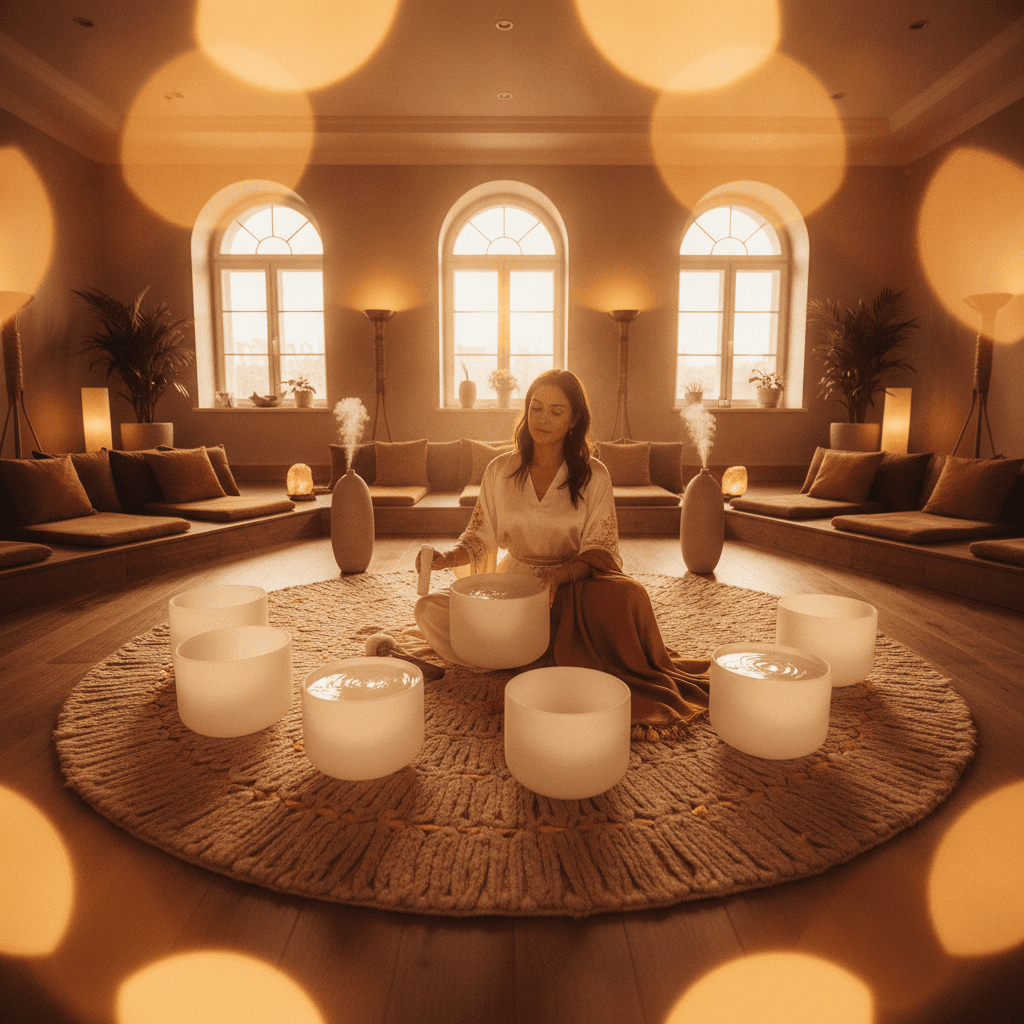
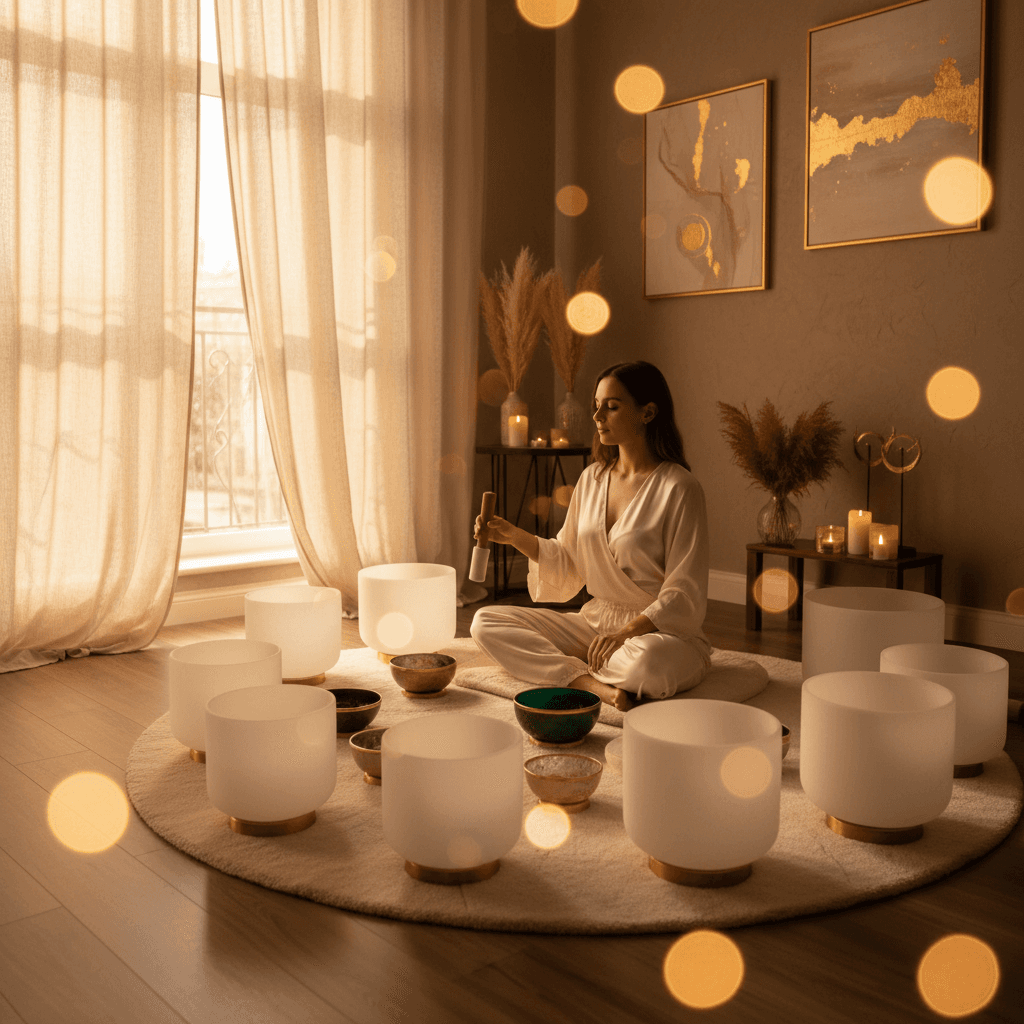
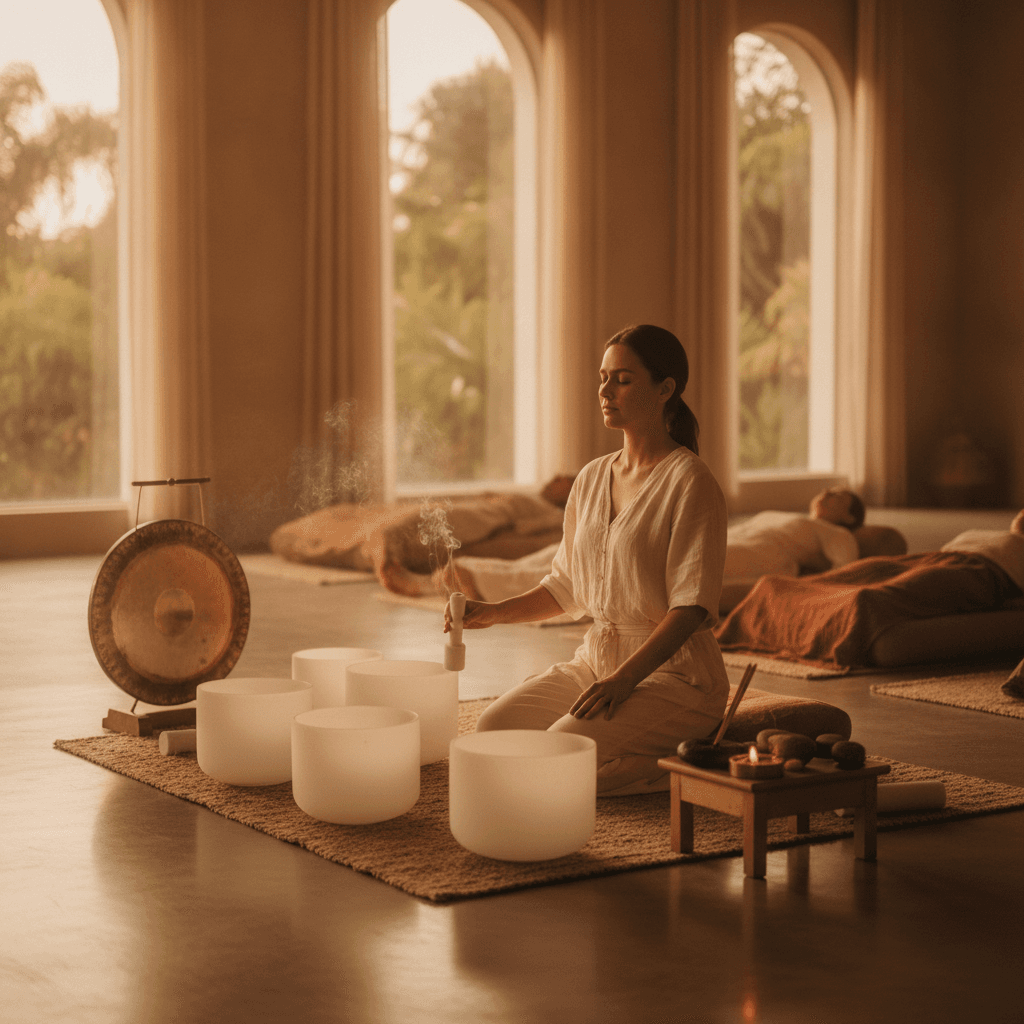
- Curated Soundscapes: Beyond individual vocalization, Larissa Steinbach incorporates a variety of sacred sound instruments – such as crystal singing bowls, gongs, and chimes – to create deeply immersive and resonant soundscapes. These frequencies may further enhance relaxation, facilitate deeper states of self-awareness, and offer a supportive sonic blanket that encourages participants to feel safe enough to explore their own voice.
"Your voice is not meant to be perfected, but to be expressed. It's a unique vibration of your essence, a tool for your well-being. At Soul Art, we simply create the space for you to remember that." – Larissa Steinbach
Through this holistic and empathetic approach, Larissa Steinbach guides individuals to rediscover their authentic vocal expression, fostering a profound sense of calm and a resilient inner voice.
Your Next Steps: Embracing Your Vocal Journey
Embarking on a journey to overcome vocal shyness is a gentle process of self-discovery and consistent, compassionate practice. You don't need a stage or a perfect voice to begin; you just need a willingness to explore.
Here are a few actionable steps you can take today to start cultivating a more confident relationship with your voice:
- Start with Conscious Breath: Before making any sound, simply bring awareness to your breath. Notice the subtle sounds of your inhales and exhales. Practice deep, slow breaths, allowing your diaphragm to engage. This grounds you and prepares your nervous system.
- Gentle Humming Practice: Find a quiet moment and simply hum softly. Notice the vibrations in your mouth, nose, and chest. There's no need for a specific tune or pitch; just let the sound emerge naturally. Try this for a few minutes daily, observing any shifts in your internal state.
- Explore Unaccompanied Vocal Play: When you feel ready, experiment with gentle, uncorrected vocal sounds. Try making soft "oohs" and "aahs," or create your own simple vocal roller coasters by moving your voice up and down in pitch. The key is curiosity and non-judgment.
- Listen to Calming Soundscapes: Immerse yourself in restorative sound. Listening to ambient music, nature sounds, or guided sound meditations can help to regulate your nervous system, creating an internal environment of safety that may make vocal exploration feel more accessible.
- Consider a Guided Sound Wellness Session: If you're seeking a supportive and expertly guided experience, explore the offerings at Soul Art. Under the compassionate guidance of Larissa Steinbach, you can experience practices tailored to gentle vocal reconnection and profound nervous system support.
In Summary: Reclaiming Your Authentic Vocal Self
Overcoming vocal shyness is a journey of self-compassion, rooted in understanding the intricate connection between your voice and your nervous system. It's about shifting from a place of fear to one of playful exploration, using gentle sound and breath to cultivate inner safety and self-regulation. Scientific insights highlight how practices like mindful vocalization and vagal nerve stimulation can significantly reduce anxiety and foster a more confident vocal presence.
At Soul Art, Larissa Steinbach provides a unique and nurturing space where these principles come alive. Through embodied sound practices, conscious breathwork, and a supportive environment, Soul Art empowers you to rediscover your authentic voice as a tool for calm, confidence, and profound well-being. Embrace the quiet luxury of self-discovery and let your true voice resonate.
Bookings Coming Soon
Soul Art is still in preparation. Session details and booking will be published here after launch.
Coming Soon
Wellness Disclaimer: This article is for educational and informational purposes only. It does not constitute medical advice, diagnosis, or treatment. Soul Art Dubai provides non-medical wellness experiences focused on relaxation, stress management, and general wellbeing. Sound wellness is a complementary practice and should not replace professional medical care.
Related Articles
The Science of Connection: Call and Response Chanting for Wellness
Deepen Your Bond: Couples Breath & Tone Practice at Soul Art
Harmonize Your Voice: Humming for Public Speaking Nerves