Sound Wellness: A Complementary Path for Opioid Recovery & Pain

Key Insights
Explore Soul Art Dubai's sound wellness. Larissa Steinbach offers a complementary approach to pain management and opioid recovery, fostering deep relaxation and well-being.
The global challenge of chronic pain and opioid dependence casts a long shadow, prompting a critical search for effective, non-pharmacological solutions. Imagine finding a pathway to significant pain relief and enhanced well-being that doesn't involve the risks of addiction or the side effects of conventional medication. For many, this has been an elusive quest.
Individuals like Abrams, whose persistent lower back pain often confines him to bed, voice legitimate concerns about building tolerance to opioids and needing them for future acute pain events. The quest for sustainable, safer pain management is a universal priority. This article delves into how sound wellness, offered at premier studios like Soul Art Dubai, may provide a powerful complementary approach to support pain management and opioid recovery journeys.
We will explore the robust scientific underpinnings of sound's influence on pain perception and relaxation, demonstrating how this ancient practice is finding renewed relevance in modern wellness. Prepare to discover how targeted vibrational frequencies can create an environment conducive to holistic healing, fostering a deeper sense of peace and resilience.
Understanding the Opioid Crisis and the Search for Alternatives
The opioid crisis continues to be a significant public health concern, with many individuals grappling with chronic pain finding themselves reliant on medications that carry inherent risks of addiction and tolerance. Opioid medicines, while effective for blocking pain messages and boosting pleasure, can also be dangerous due to their addictive potential and the body's tendency to build tolerance over time. This can lead to a cycle where higher doses are needed, or alternative solutions become imperative for long-term health.
The search for effective non-opioid alternatives is intensifying, driven by both patient concerns and medical recommendations. While new non-opioid drugs, such as Journavx, are emerging for acute pain, their accessibility can be limited by cost and insurance coverage, and their application might be specific to certain types of pain. For conditions like diabetic peripheral neuropathy or lumbosacral radiculopathy, ongoing research is exploring these options, but the broader landscape of chronic pain still demands diverse strategies.
Recognizing these challenges, the Centers for Disease Control and Prevention (CDC) strongly advocates for maximizing the use of nonpharmacologic and non-opioid pharmacologic therapies. These approaches do not carry the same risks as opioids and can empower patients with active participation in their care plan. This vital shift highlights the importance of exploring mind-body interventions, behavioral treatments, and other holistic wellness practices.
The Neuroscience of Pain and Sound
Pain perception is a complex interplay of physical sensations and neurological processes. When we experience pain, our brain receives signals from the affected area, triggering a cascade of responses. Opioids work by attaching to specific receptors in brain cells, effectively blocking these pain messages and often inducing feelings of pleasure or euphoria.
Sound, however, offers a different pathway to pain modulation. Research suggests that music and therapeutic sound interventions can influence the primary nociception, which is the processing of noxious stimuli by the nervous system. The mesolimbic dopaminergic system, involved in the brain's reward and pleasure pathways, also contributes to the emotional or affective component of pain perception, and this system can be influenced by sound.
Sound wellness practices, such as those employing resonant frequencies, may help activate the body's natural relaxation response. This involves shifting the autonomic nervous system from a "fight or flight" (sympathetic) state to a "rest and digest" (parasympathetic) state. This physiological shift can reduce muscle tension, lower heart rate and blood pressure, and create a calmer internal environment where pain signals may be perceived with less intensity.
Sound, Mindfulness, and Pain Perception
The power of sound in supporting pain management is often intertwined with mindfulness. Mindfulness-based interventions teach individuals to observe their thoughts, sensations, and emotions without judgment, which can significantly alter their relationship with pain. When sound is introduced, it provides a focal point for this mindful awareness, redirecting attention away from the pain itself and towards the soothing vibrations and tones.
Several studies underscore the effectiveness of mindfulness and relaxation techniques in the context of pain and opioid use. Systematic relaxation, for instance, has been shown to relieve postoperative pain. Mindfulness-Oriented Recovery Enhancement (MORE) has demonstrated significant improvements in opioid misuse, opioid craving, and time to opioid cessation in patients with chronic pain. These findings suggest a strong correlation between cultivating a mindful state and reducing reliance on opioids.
Beyond mindfulness, the introduction of music and therapeutic suggestions during general anesthesia has been associated with improved recovery outcomes. In the context of chronic pain, music-based treatments have emerged as an efficacious and safe means to enhance management, providing low-cost, easily applicable complementary pain treatments. While more robust evidence is always beneficial for analyzing reductions in pain medication use, the ability of music therapy to provide greater relief of cancer pain than analgesics alone in some instances highlights its profound potential as a wellness practice.
"The symphony of sound can become a silent guide, gently leading the mind away from the cacophony of pain towards a resonant space of calm and restoration."
Mindful breathing combined with Acceptance and Commitment Therapy (ACT) and brief mindfulness training with hypnotic suggestion have also shown promise for acute pain relief. These interventions leverage the mind's capacity to alter pain perception, and sound-based practices naturally complement these approaches by providing an immersive sensory experience that facilitates deep meditative states. The collective body of research points towards sound wellness as a valuable tool, not just for relaxation, but for actively participating in the modulation of pain and supporting healthier recovery pathways.
The Experiential Journey: Sound Wellness in Action
Stepping into a sound wellness session is an immersive experience designed to gently guide you into a profound state of relaxation and inner peace. The journey often begins by finding a comfortable position, typically lying down, allowing your body to fully surrender to the present moment. Here, the expert practitioner uses a curated selection of instruments to create a tapestry of sound.
As the session unfolds, you are enveloped by a rich symphony of vibrational frequencies and resonant tones. These sounds are not merely heard with the ears; they are felt throughout the entire body, creating a subtle, internal massage. The vibrations from instruments like crystal singing bowls and gongs permeate your being, encouraging tension to release and the mind to quiet. This deep sensory engagement serves to shift your focus away from discomfort, offering a welcome respite from persistent pain signals.
The experience is deeply personal, yet universally impactful. Many people report a sense of weightlessness, a dissolving of boundaries between their physical self and the surrounding vibrations. This altered state of consciousness can facilitate a powerful reset for the nervous system, encouraging it to move towards balance and healing. It creates an optimal environment where the body's innate self-repair mechanisms may be supported and engaged.
Regular engagement with sound wellness practices may foster improved stress management, reduced anxiety, and enhanced sleep quality—all factors known to exacerbate pain when disrupted. This active participation in one's well-being, through mindful listening and vibrational immersion, empowers individuals to cultivate resilience. It provides a holistic self-care practice that complements other forms of support on a journey towards a more comfortable and balanced life.
Soul Art's Signature Sound Wellness for Holistic Support
At Soul Art, Dubai's premier sound wellness studio, Larissa Steinbach has meticulously crafted an approach that integrates scientific understanding with profound intuitive practice. Her vision is to offer a sanctuary where individuals can discover the transformative power of sound for holistic well-being. Larissa Steinbach and her team are dedicated to creating bespoke experiences that address the unique needs of each client.
What makes the Soul Art method truly unique is its thoughtful fusion of ancient wisdom and modern scientific principles. Larissa Steinbach utilizes a diverse array of sacred instruments, each carefully chosen for its specific vibrational qualities. Clients immerse themselves in the rich tones of crystal singing bowls, the deep resonating frequencies of gongs, and the precise vibrations of tuning forks.
These instruments are played with intention, creating a soundscape designed to harmonize the body's energy centers and encourage deep cellular relaxation. The personalized nature of each session ensures that the sound frequencies are tailored to support individual wellness goals, whether it’s alleviating stress, enhancing sleep, or fostering a complementary path for pain management. Soul Art creates an environment where every vibration works towards cultivating inner peace and physical ease.
Larissa Steinbach's expertise lies in her ability to guide clients through this vibrational journey, fostering a profound connection between mind, body, and spirit. The Soul Art experience is more than just listening to sounds; it's about actively engaging with the frequencies to cultivate inner resources for resilience and well-being. It is a complementary approach that respects the complexity of individual health journeys, offering a nurturing space for self-discovery and restorative healing.
Cultivating Your Path to Well-being: Practical Steps
Embarking on a journey towards reduced reliance on opioids and enhanced pain management requires a multi-faceted approach. Sound wellness, while incredibly supportive, is a complementary practice and should not replace professional medical advice or prescribed treatments. It is essential to integrate these practices thoughtfully into your broader wellness plan.
Here are some practical steps you can implement today to explore and cultivate your path to well-being:
- Consult Your Healthcare Provider: Always discuss any new complementary practices, including sound wellness, with your doctor or pain specialist. This ensures that your self-care practices align with your overall medical treatment plan, especially when managing opioid-treated pain. They can help you understand how sound wellness may support your current regimen.
- Explore Non-Pharmacological Options: Educate yourself about the various non-pharmacological pain management techniques recommended by health organizations like the CDC. This includes mind-body practices like yoga, tai chi, mindfulness-based stress reduction, and psychological therapies such as cognitive behavioral therapy. Sound wellness harmonizes beautifully with many of these approaches.
- Practice Mindful Listening and Deep Breathing: Start simple. Dedicate a few minutes each day to mindful listening—paying close attention to sounds around you without judgment—and combining it with slow, deep breathing. This can help calm your nervous system, reduce stress, and shift your focus from pain. Even short bursts of this practice can be beneficial.
- Consider a Guided Sound Wellness Session: To truly experience the potential of sound, consider booking a session at a reputable studio like Soul Art Dubai. A professional practitioner can guide you through an immersive experience, helping you relax deeply and connect with the therapeutic vibrations in a safe and supportive environment. This is an excellent way to introduce your body and mind to the profound benefits.
- Adopt a Holistic Wellness Perspective: Remember that well-being is holistic. Incorporate aspects like balanced nutrition, regular gentle movement, adequate sleep, and strong social connections into your daily routine. Sound wellness serves as a powerful tool within this comprehensive framework, supporting your body’s natural capacity for healing and resilience against chronic pain.
Bookings Coming Soon
Soul Art is still in preparation. Session details and booking will be published here after launch.
Coming Soon
In Summary: Embracing a Sounder Path
The journey of managing chronic pain and navigating opioid recovery is profoundly personal and often challenging. As we've explored, sound wellness offers a scientifically-grounded, complementary pathway that may support individuals in cultivating greater ease and well-being. By engaging the body's natural relaxation response and redirecting focus from pain, sound practices facilitate a calmer internal state.
The work pioneered by Larissa Steinbach at Soul Art Dubai provides a sophisticated and nurturing environment for exploring these benefits. Through resonant vibrations and mindful engagement, clients are offered a unique opportunity to modulate pain perception and reduce stress. This holistic approach supports the body's innate healing capabilities, offering a promising avenue for those seeking alternatives or supplements to conventional pain management.
Embrace the potential of sound wellness as a powerful self-care practice on your path to a more balanced and comfortable life. Discover the serene yet impactful experiences awaiting you at Soul Art.
Wellness Disclaimer: This article is for educational and informational purposes only. It does not constitute medical advice, diagnosis, or treatment. Soul Art Dubai provides non-medical wellness experiences focused on relaxation, stress management, and general wellbeing. Sound wellness is a complementary practice and should not replace professional medical care.
Related Articles

LGBTQ+ Recovery: Sound Wellness for Inclusive Healing & Regulation
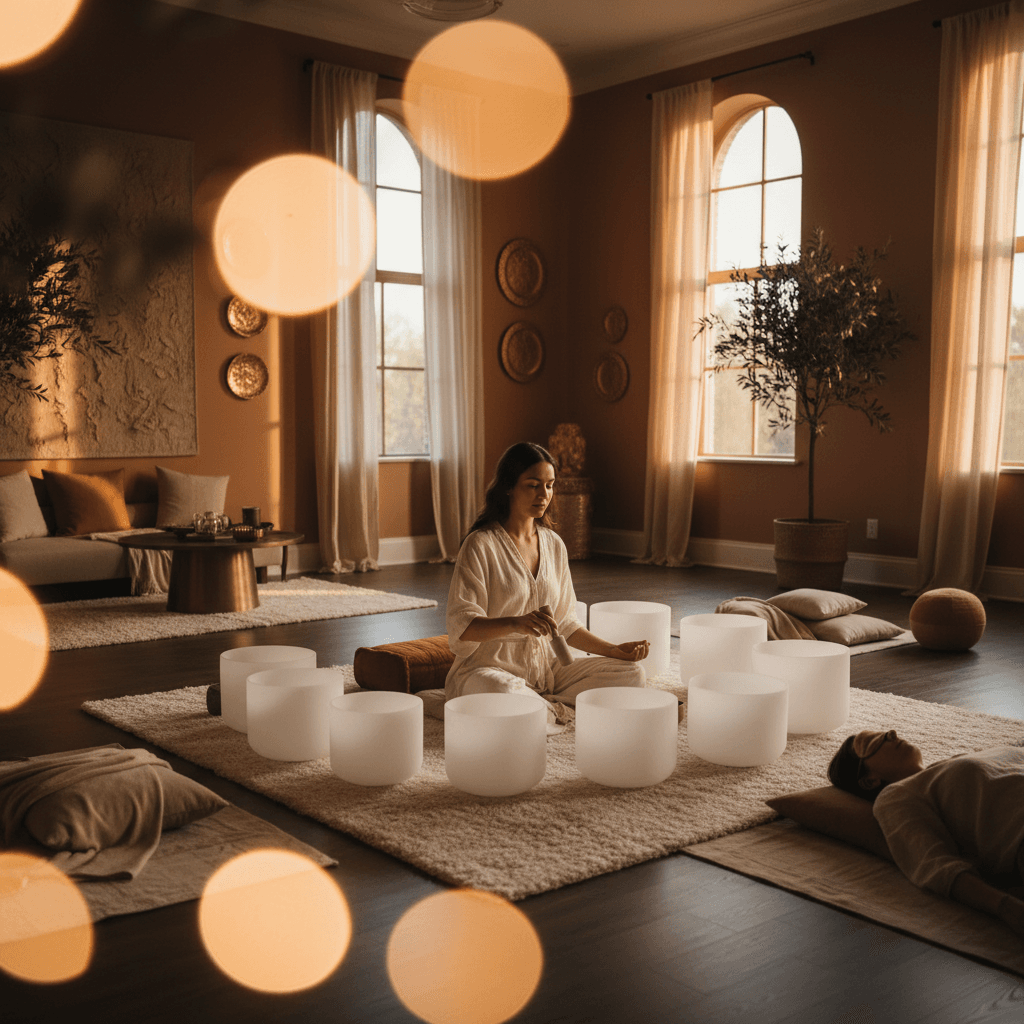
Relationship Recovery: The Science of Sound for Intimacy
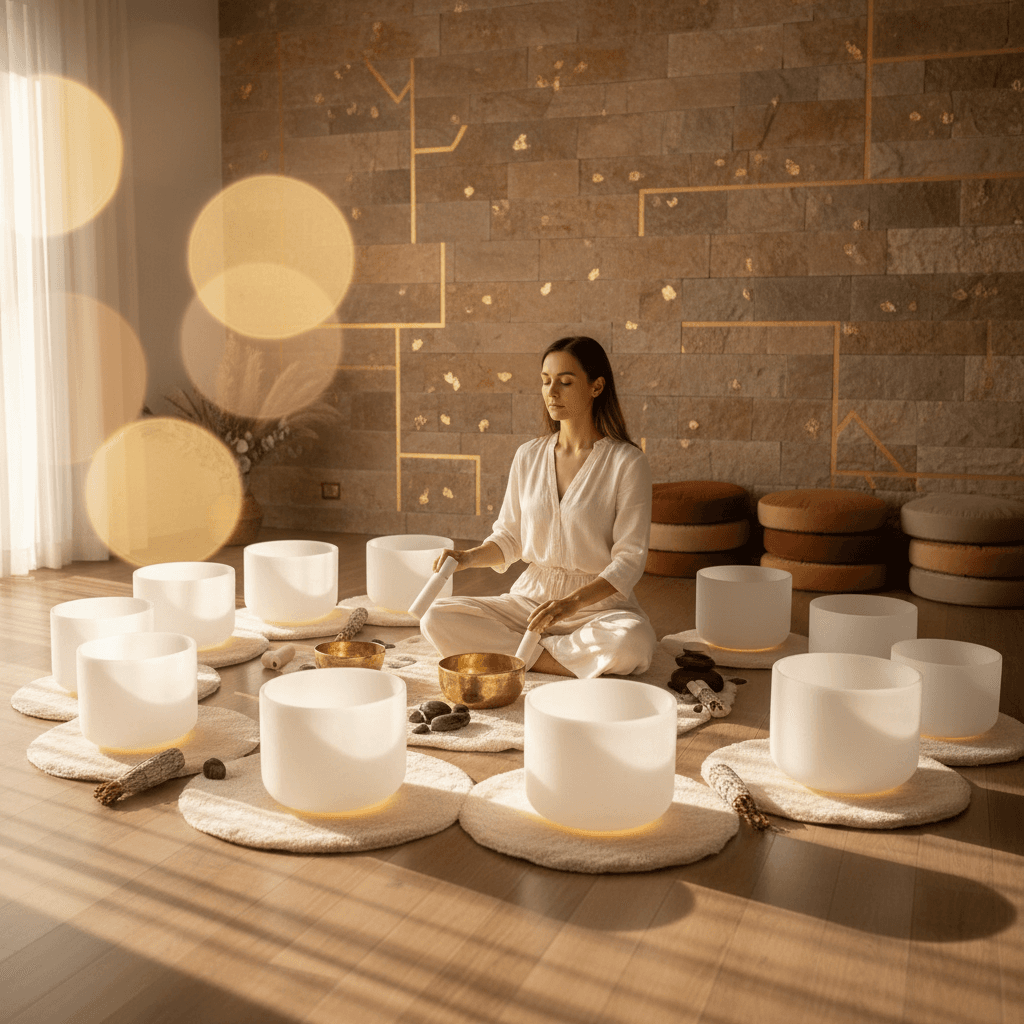
Soulful Connections: The Science of Shared Sound Practices and Well-being Sponsorship