Oncology Music Therapy: Integrating Sound for Wellness

Key Insights
Explore the profound benefits of oncology music therapy for cancer patients, supporting anxiety, pain, and quality of life. Discover Soul Art's integrative approach.
Have you ever noticed how a specific piece of music can instantly shift your mood, calm your nerves, or even evoke a forgotten memory? Imagine harnessing that profound power of sound to navigate one of life’s most challenging journeys: cancer. Oncology music therapy is emerging as a powerful complementary approach, offering solace and support where it’s often most needed.
This article delves into the scientific underpinnings and practical applications of oncology music therapy, exploring how it can significantly enhance the well-being and quality of life for cancer patients. We will explore the latest research, understand its therapeutic mechanisms, and discover how innovative wellness studios like Soul Art, founded by Larissa Steinbach, are integrating these principles to provide profound comfort and healing. Prepare to uncover a harmonious path to resilience and serenity amidst adversity.
The Science Explained: How Sound Supports Healing
The human body and mind are intricately connected, and the impact of sound and music on our physiological and psychological states is increasingly understood through scientific research. In the context of oncology, music therapy offers a non-invasive, patient-centered approach to manage a spectrum of symptoms and enhance overall well-being. This modality leverages the unique properties of music to engage multiple brain regions, influencing everything from emotional regulation to pain perception.
Numerous studies have rigorously documented the beneficial effects of music therapy in cancer care. A systematic review of 52 clinical trials involving 3,731 patients revealed that music produced notable improvements in anxiety, pain, fatigue, and quality of life. These findings underscore music’s capacity to address both the emotional and physical burdens that often accompany cancer and its treatments.
Neurological and Physiological Pathways
The brain's response to music is complex and multifaceted, involving neural networks associated with emotion, memory, reward, and motor function. When we engage with music, our brains release neurochemicals such as dopamine, which is linked to pleasure and motivation, and oxytocin, associated with bonding and trust. These neurochemical responses may contribute to feelings of comfort and reduced distress.
Music also has a direct influence on the autonomic nervous system, which controls involuntary bodily functions. Some research suggests that music can lead to small, yet measurable, effects on vital signs like heart rate, respiratory rate, and blood pressure. By promoting a state of relaxation, music may help to shift the body from a 'fight or flight' response to a 'rest and digest' state, which is conducive to healing and recovery.
Alleviating Common Cancer-Related Symptoms
The journey through cancer treatment often involves a challenging array of symptoms, both physical and psychological. Music therapy has demonstrated its potential as a valuable tool in mitigating many of these difficulties.
- Anxiety and Mood Disturbance: Cancer diagnosis and treatment can provoke significant anxiety, fear, and mood disturbances. Music therapy has been reported to effectively reduce anxiety and improve mood, even during highly stressful procedures like hematopoietic stem cell transplantation. The structured engagement with music can provide a sense of control and a healthy distraction from worry.
- Pain Management: While not a replacement for medical pain management, music therapy may support pain reduction. By activating different neural pathways and promoting relaxation, music can alter pain perception and help patients cope with discomfort. This is particularly valuable for chronic pain associated with cancer or its treatments.
- Fatigue: Cancer-related fatigue is a pervasive and debilitating symptom. Engaging with music, especially in an active way, may offer a sense of invigoration or a calming respite that helps manage fatigue levels. Studies have shown positive effects on energy levels and overall vitality.
- Quality of Life: Ultimately, music therapy aims to enhance the overall quality of life for patients. By addressing symptoms like anxiety, pain, and fatigue, and by fostering emotional expression and social connection, music helps patients maintain a greater sense of well-being and dignity throughout their cancer journey. This holistic approach supports living more fully, even in challenging circumstances.
The Power of Active Engagement
While simply listening to music can offer comfort, several studies highlight that active music engagement is often significantly more beneficial. Activities such as singing, playing instruments, or composing music allow for deeper self-expression and provide a greater sense of agency. This active participation can foster improved coping skills, enhance positive facial affect, and encourage active engagement in treatment processes. For instance, in pediatric oncology, active music engagement has been shown to increase comfort and reduce pain during procedures like lumbar punctures, improving coping behaviors in young patients.
The Society for Integrative Oncology recommends music therapy to reduce stress, anxiety, depression, and fatigue, and to improve quality of life. As a non-invasive, cost-effective, and highly acceptable technique, its integration into comprehensive cancer care frameworks continues to grow, with a focus on refining protocols and expanding large-scale research.
How It Works in Practice: Connecting Theory to Experience
Moving from scientific evidence to practical application, oncology music therapy translates its theoretical benefits into tangible experiences for patients. It's not merely about playing a soothing playlist; it's a carefully crafted, therapist-led intervention designed to meet individual needs and preferences. This distinction is crucial, differentiating music therapy from general music medicine or passive listening.
When a client embarks on a music therapy journey, the process begins with an assessment of their physical, emotional, and psychological state. A board-certified music therapist then designs personalized interventions that might include receptive listening, active music-making, songwriting, or guided imagery with music. The beauty of this approach lies in its adaptability, catering to patients of any age and in various settings, from hospital bedsides to clinics or even within the comfort of their homes.
A Personalized Journey Through Sound
In practice, a music therapy session may look different for each individual, reflecting their unique challenges and goals. For someone grappling with anxiety before a radiotherapy session, a therapist might introduce specific meditative sounds or guide them through a visualization set to gentle rhythms. Research, including studies on patients undergoing radiation therapy, suggests that both live and prerecorded music can produce significant reductions in distress and anxiety, especially when administered in focused, short sessions.
For a patient experiencing pain or discomfort, the therapist might explore instrumental improvisation, allowing them to express their feelings non-verbally through sound. This active engagement can serve as a powerful distraction, redirecting attention away from pain and towards creative expression. Sensory details, such as the resonance of a singing bowl or the tactile sensation of playing a drum, can deepen the immersive experience and promote a state of flow and calm.
Beyond Symptom Management
While symptom relief is a primary goal, music therapy extends its benefits to broader aspects of a patient’s life. It may enhance coping mechanisms, providing a creative outlet for processing difficult emotions and experiences. For individuals undergoing intensive treatments like hematopoietic stem cell transplantation, music has been reported to improve social integration and reduce feelings of isolation. The shared experience of music, even in a one-on-one setting, can foster connection and understanding.
Moreover, music therapy can be a powerful tool for emotional support from diagnosis through end-of-life care, supporting individuals in finding meaning and peace. It has also been associated with enhancing treatment adherence, as patients who feel more supported and have better coping strategies may be more engaged in their medical plans. The ability of music to tap into core human experiences means it can support profound personal growth and resilience, even in the face of immense challenge.
"Music therapy delves beyond the surface of symptoms, touching the human experience that shapes them, offering a pathway to express the inexpressible and find solace in sound."
The non-invasive and highly acceptable nature of music therapy makes it a preferred complementary approach for many. It supports holistic, patient-centered care by addressing the whole person—mind, body, and spirit—and may help to reduce reliance on pharmacological interventions for symptom management, where appropriate. The aim is always to integrate seamlessly with medical treatment, providing a valuable layer of comfort and support.
The Soul Art Approach: Larissa Steinbach's Vision for Well-being
At Soul Art, Dubai's premier sound wellness studio, Larissa Steinbach integrates the profound principles of music therapy with the ancient wisdom of sound healing, creating a unique and deeply supportive experience for individuals facing health challenges, including those navigating cancer. Larissa's vision is to offer a sanctuary where the transformative power of sound can facilitate deep relaxation, emotional release, and a strengthened sense of inner peace. Her approach is rooted in empathy, scientific understanding, and a commitment to holistic well-being.
Larissa Steinbach understands that the journey through cancer is profoundly personal and requires tailored support. The Soul Art method emphasizes a personalized experience, where the selection of sounds, instruments, and therapeutic techniques are meticulously chosen to resonate with each client's specific needs and comfort levels. This bespoke approach ensures that every session is not just relaxing but therapeutically aligned with their wellness goals.
Uniquely Designed Soundscapes for Healing
What makes the Soul Art method unique is its thoughtful blend of evidence-based music therapy techniques with an immersive sound healing experience. While traditional music therapy might involve active engagement like singing or playing instruments, Soul Art also specializes in receptive sound baths and guided meditations using specific frequencies and instruments known for their calming properties. These practices are designed to complement medical care, focusing on the reduction of stress, anxiety, and the enhancement of overall comfort.
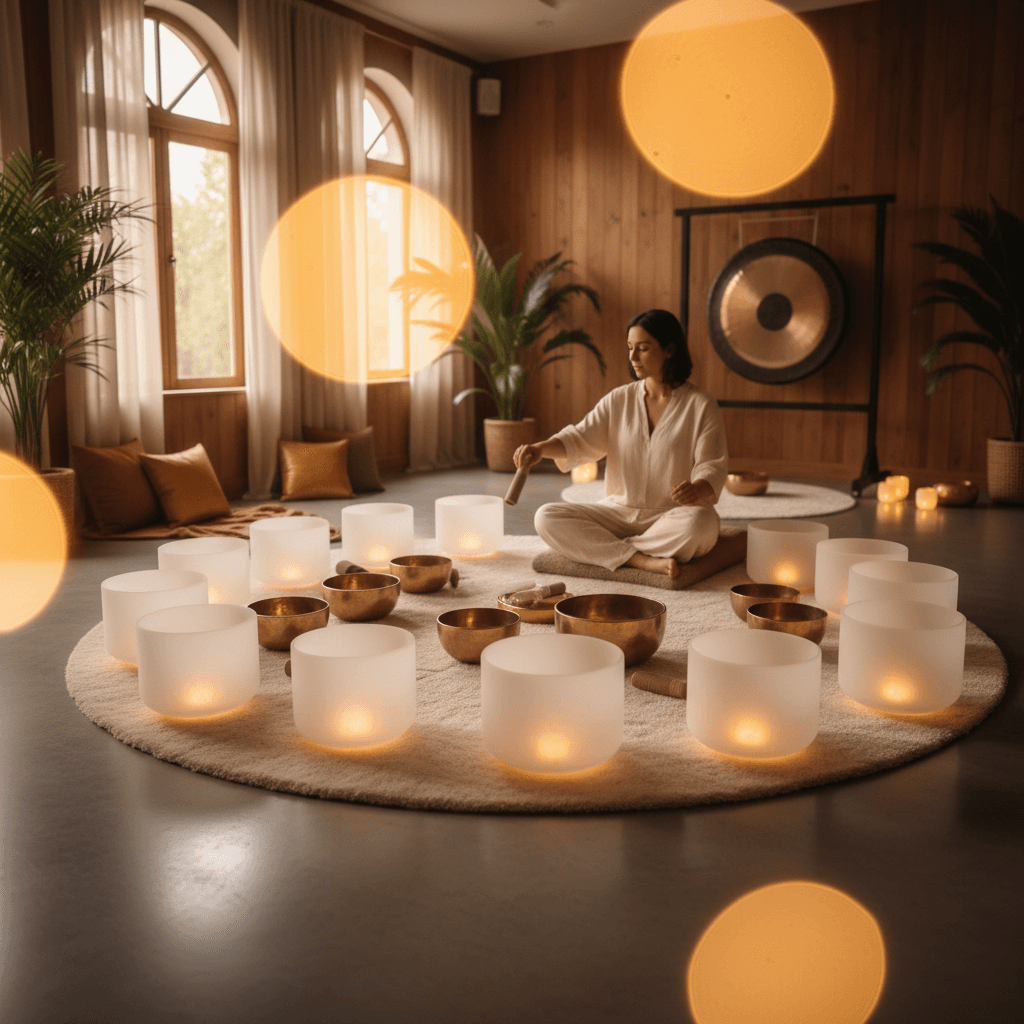
Larissa Steinbach carefully curates sound environments using a diverse array of instruments. Clients may experience the deep, grounding vibrations of large planetary gongs, the resonant tones of crystal singing bowls, or the gentle rhythms of chimes and percussion. These instruments are chosen not only for their beautiful sounds but also for their ability to induce specific brainwave states, such as alpha and theta waves, associated with deep relaxation and meditative states. The carefully chosen frequencies may help in regulating the nervous system, potentially supporting a sense of calm and well-being.
Cultivating Inner Resilience
The Soul Art approach extends beyond immediate symptom relief. It aims to cultivate inner resilience, helping clients develop coping strategies and a greater sense of emotional regulation. Through guided sonic journeys, clients are invited to explore their inner landscape, release emotional blockages, and connect with a deeper sense of self. This process can be incredibly empowering, allowing individuals to reclaim a sense of agency and find moments of tranquility amidst their challenging circumstances.
Larissa Steinbach and her team ensure a safe and nurturing environment, where clients feel heard, understood, and supported. The studio's ambiance, combined with the expertly facilitated sound experiences, provides a space where individuals can gently process their emotions, find respite from discomfort, and nurture their spirit. Soul Art offers a complementary pathway to well-being, enhancing the holistic support system for those on their cancer journey, always in consultation with their medical care team.
Your Next Steps: Embracing Sound for Well-being
Understanding the potential benefits of oncology music therapy and sound wellness is the first step toward integrating these powerful tools into your or a loved one's care plan. At Soul Art, we believe in empowering individuals with accessible, complementary practices that support their journey toward holistic well-being. Here are some actionable steps you can take today to explore the world of sound for comfort and healing:
- Consult Your Healthcare Team: Always discuss any complementary wellness practices with your medical oncologist or healthcare provider. This ensures that any new approach aligns safely and effectively with your ongoing medical treatment. Sound wellness is a supportive practice, not a replacement for medical care.
- Seek Certified Practitioners: When exploring music therapy, look for board-certified music therapists (MT-BC). For sound healing, seek practitioners with reputable training and experience, like those at Soul Art, who understand the nuances of working with sensitive populations. Their expertise ensures a safe and therapeutically beneficial experience.
- Explore Different Modalities: Music therapy encompasses a wide range of activities, from receptive listening to active music-making. Sound healing, as offered by Larissa Steinbach at Soul Art, often involves immersive sound baths. Experiment to find what resonates most deeply with you and provides the greatest sense of calm and relief.
- Prioritize Personal Preference: The effectiveness of sound wellness often hinges on personal connection to the music or sounds used. Pay attention to what genuinely soothes or uplifts you. Whether it's ambient soundscapes, classical music, or instrumental improvisation, your preference is key.
- Start with Gentle Exploration: Begin with shorter sessions to acclimate to the experience. Many people find that even short durations, like the 15-20 minute sessions cited in some research for anxiety reduction, can yield significant benefits.
These steps can help you thoughtfully integrate sound into your wellness routine. The intention is to provide layers of support, helping to manage stress, alleviate discomfort, and enhance your quality of life during a challenging time. Embrace the possibility of finding profound peace through sound.
Bookings Coming Soon
Soul Art is still in preparation. Session details and booking will be published here after launch.
Coming Soon
In Summary: Harmonizing Care with Sound
Oncology music therapy and sound wellness represent a powerful, complementary approach in the landscape of cancer care. Backed by growing scientific evidence, these practices offer tangible benefits in managing anxiety, pain, fatigue, and enhancing the overall quality of life for patients. By engaging both the mind and body, sound interventions may support the nervous system, foster emotional regulation, and provide a vital sense of comfort and coping.
Larissa Steinbach's Soul Art studio stands as a beacon for this integrative wellness, providing meticulously crafted sound experiences designed to bring profound peace and resilience. While not a medical treatment, embracing the frequency of well-being through professional sound wellness practices may significantly improve one's journey through cancer. We invite you to explore how the gentle yet powerful vibrations of sound can become a harmonious part of your holistic care.
Wellness Disclaimer: This article is for educational and informational purposes only. It does not constitute medical advice, diagnosis, or treatment. Soul Art Dubai provides non-medical wellness experiences focused on relaxation, stress management, and general wellbeing. Sound wellness is a complementary practice and should not replace professional medical care.