Om Mani Padme Hum: The Tibetan Mantra for Compassionate Well-being
Key Insights
Explore the ancient Tibetan mantra, Om Mani Padme Hum, its scientific backing for stress reduction, and how Soul Art Dubai fosters compassion and calm.
Have you ever considered that a simple sequence of sounds, repeated with intention, could reshape your emotional landscape and foster profound inner peace? In our fast-paced world, the quest for serenity often leads us down complex paths, yet ancient wisdom offers a surprisingly elegant solution. The Tibetan mantra "Om Mani Padme Hum" is not merely a string of syllables; it is a gateway to cultivating compassion, wisdom, and a deeper sense of well-being.
At Soul Art Dubai, founded by the visionary Larissa Steinbach, we understand the transformative power of intentional sound and vibration. This article delves into the rich history and compelling scientific insights behind "Om Mani Padme Hum," exploring how this six-syllable mantra can serve as a potent tool for stress reduction, emotional regulation, and fostering a heart-centered approach to life. Prepare to discover how this ancient chant, steeped in centuries of tradition, resonates with modern scientific understanding, offering tangible benefits for your holistic wellness journey.
The Science of Sacred Sound: Unlocking Compassion's Neural Pathways
The practice of chanting mantras has been revered across cultures for millennia, offering a powerful avenue for focus, meditation, and spiritual connection. Modern science is increasingly exploring the measurable impacts of these ancient practices, particularly the celebrated Tibetan mantra, "Om Mani Padme Hum." This mantra is not just a devotional phrase; it's a precisely structured sonic tool designed to influence the mind and body.
The Power of Mantric Chanting
"Om Mani Padme Hum" is a six-syllabled Sanskrit mantra, deeply associated with Avalokiteśvara, the Bodhisattva of compassion. Its origins trace back to the Mahayana Kāraṇḍavyūha Sūtra, where it is described as the sadaksara (six-syllabled) and paramahrdaya, the "innermost heart" of Avalokiteśvara. In this foundational text, the mantra is considered the condensed essence of all Buddhist teachings, making its understanding and recitation a profound spiritual practice.
Research into the acoustic properties of mantras, such as a comparative study of "Om Mani Padme Hum" and the Hindu mantra "Om Namah Shivaya," has revealed fascinating insights. Strong similarities in frequency patterns have been observed, suggesting that both mantras possess the ability to generate positive energies within the body when chanted repeatedly. This resonance, stemming from the specific sounds and vibrations produced, may play a role in their reported therapeutic effects. The repeated vocalization creates a subtle vibrational frequency that interacts with the body's energy systems, potentially leading to a state of calm and focused awareness.
Compassion Meditation and Brain Activity
The practice of cultivating compassion, often intertwined with mantra recitation, has shown notable effects on brain function. Studies involving Tibetan Buddhist monks with extensive meditation experience, as well as new practitioners, have provided intriguing preliminary findings. For instance, researchers observed significant activity in the insula portion of the brain when monks were exposed to emotional vocalizations. The insula plays a crucial role in the bodily representation of emotions and empathy. The strength of this insula activation was found to be associated with the intensity of their meditation practice.
Furthermore, another study investigating Tibetan Buddhist meditation revealed increases in EEG coherence, specifically in the gamma range of frequencies (25–42 Hz), during the contemplative technique of 'Compassion.' Highly experienced practitioners exhibited coherent gamma activity coinciding with the onset of their practice. This suggests that compassion-focused meditation may be associated with distinct neural signatures related to heightened awareness and cognitive processing. Such findings highlight how compassion meditation, often facilitated by mantras, may actively re-pattern neural pathways to support emotional balance and empathetic responses.
The Physiological Impact of Compassionate Practice
Beyond brain activity, compassion meditation (CM), a broader category that includes practices like "Om Mani Padme Hum," has been linked to several physiological benefits. Preliminary studies indicate that CM may support the body's stress response. For example, research by Pace and colleagues (2009) found that while CM training did not show significant differences in plasma cortisol or interleukin-6 concentration directly, increased meditation practice was associated with decreased stress-induced interleukin-6 and subjective reports of distress in the meditation group. Interleukin-6 is an inflammatory marker often elevated during stress, suggesting a potential anti-inflammatory effect or improved stress resilience.
These results suggest that CM may reduce subjective stress and related physiological markers. While the research literature is still limited and techniques vary, findings indicate that elements of Loving-Kindness Meditation (LKM) and CM can be trained within a relatively short period. Even brief sessions, as short as seven minutes, may produce small improvements in positive feelings toward others and oneself. In broader contexts, compassion meditation has been associated with decreased burnout and increased resilience in healthcare workers, underscoring its potential as a valuable stress management tool.
The Union of Wisdom and Compassion
At its philosophical core, "Om Mani Padme Hum" embodies the inseparability of wisdom and compassion, central to Mahayana Buddhism. In its most literal translation, mani means "jewel," symbolizing compassion, while padme translates to "lotus," representing wisdom. The mantra, often interpreted as "the jewel in the lotus," invokes the blessings of Chenrezig (Avalokiteshvara), the Buddha of compassion.
This union is not merely symbolic; it reflects a practical approach to life. As one insightful perspective suggests:
"Compassion without wisdom easily falls into pity and to only immediate actions, without perceiving the consequences, whereas with wisdom one acts with the vision of the past and future; it is patient and courageous. Wisdom without compassion can easily fall into intellectualization, freezing the mind from taking any true action."
Reciting this mantra is believed to evoke these qualities, fostering bodhicitta—the awakened mind of compassion. It's a practice that encourages a balanced, proactive engagement with suffering, both within oneself and in the world, guided by profound insight.
Embodied Compassion: Experiencing Om Mani Padme Hum
The profound impact of "Om Mani Padme Hum" extends far beyond its scientific underpinnings, manifesting as a tangible, felt experience for those who engage with it. The practice of chanting this mantra is a direct invitation to cultivate an inner environment of peace and active kindness. It's a journey of transforming intention into embodied reality, where the simple act of vocalization becomes a powerful tool for self-discovery and connection.
When clients at Soul Art Dubai engage with this mantra, they often describe a unique sensory experience. The repeated syllables create a rhythmic vibration that can be felt throughout the body, particularly in the chest and throat. This physical resonance serves as an anchor, drawing attention inward and away from external distractions. The sound becomes a focal point, guiding the mind into a state of sustained, gentle awareness.
The sustained repetition of "Om Mani Padme Hum" is not just about making sounds; it's about deeply immersing oneself in the meaning and intention behind each syllable. Many people report a gradual purification of mental afflictions such as desire, anger, ignorance, pride, and jealousy. As these unskillful states begin to subside, they make way for the inherent wisdom these emotions have been shrouding. This process may lead to a clearer mind, a more open heart, and an enhanced capacity for empathy.
Clients often share experiences of increased emotional regulation and a greater sense of inner calm. The mantra helps to quiet the incessant chatter of the mind, allowing for moments of profound stillness and clarity. It's a practice that builds resilience, helping individuals navigate life's challenges with a more centered and compassionate perspective. The Karandavyuha Sutra itself refers to "Om Mani Padme Hum" as "the most beneficial mantra," stating that by repeating it and understanding its meaning, we can purify our ordinary bodies and realize the six perfections. This fosters the perfect union of compassion and wisdom, guiding us towards liberation from suffering.
Integrating this mantra into daily life can be a simple yet transformative practice. It can be chanted silently during commutes, whispered during moments of stress, or voiced aloud in a dedicated meditation space. This consistent engagement cultivates a habitual state of compassion and mindfulness, bringing the profound teachings of the mantra into every aspect of one's being. It's about consciously choosing to align with compassion, offering it to oneself and extending it outwards to the world.
Larissa Steinbach's Vision: The Soul Art Difference
At Soul Art, Dubai's premier sound wellness studio, Larissa Steinbach has meticulously crafted an environment where ancient wisdom meets contemporary well-being practices. Her vision transcends traditional meditation; it’s about creating an immersive sanctuary where clients can profoundly connect with their inner landscape, guided by the power of sound and intention. The "Om Mani Padme Hum" mantra holds a special place within the Soul Art methodology, integrated as a foundational element for fostering compassion and deep relaxation.
Larissa's unique approach combines the vibrational healing of sound with mindful practices like mantra chanting. She understands that the sonic frequencies created during chanting can amplify the meditative state, helping to quiet the mind and open the heart more effectively. At Soul Art, the mantra is not just recited; it is embodied. During specialized sound baths and guided meditation sessions, Larissa Steinbach often weaves in the resonance of "Om Mani Padme Hum," sometimes through gentle vocalization, or through the subtle echoes of instruments attuned to specific healing frequencies.
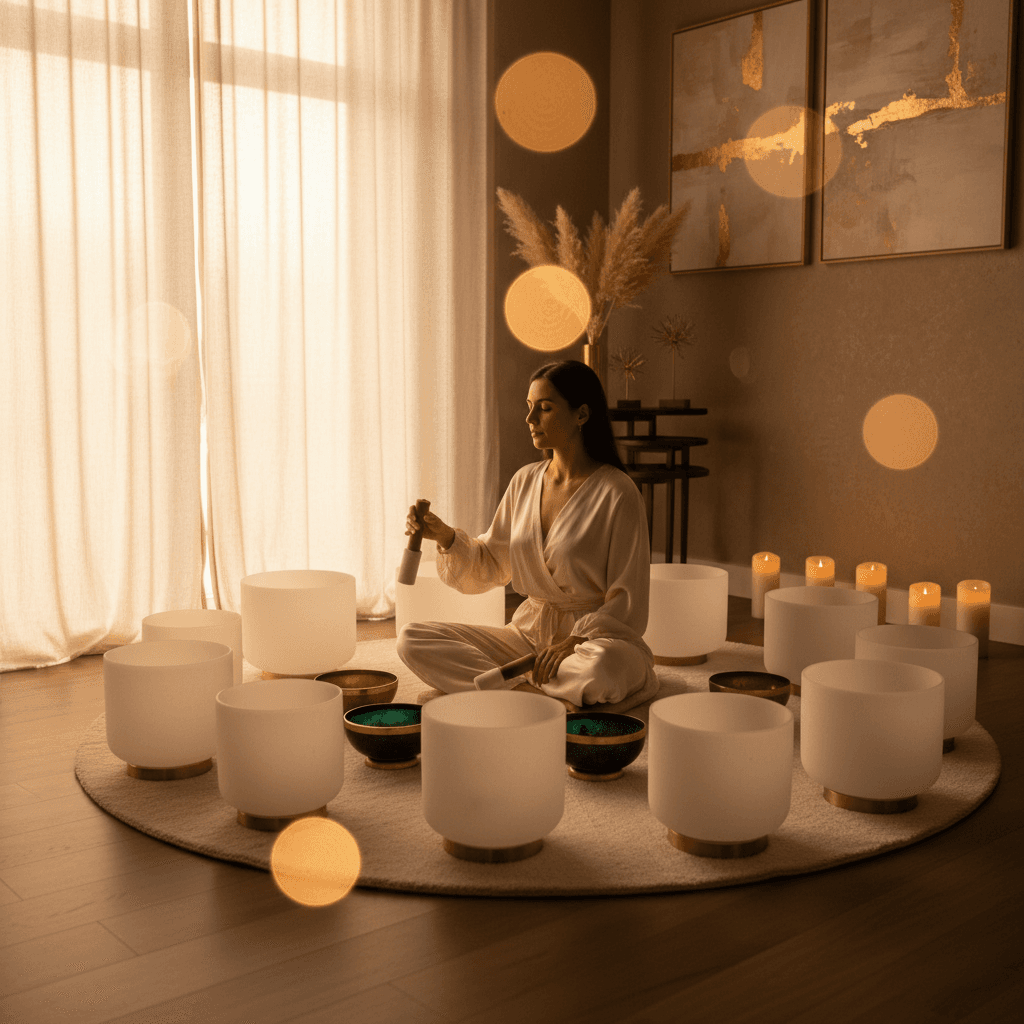
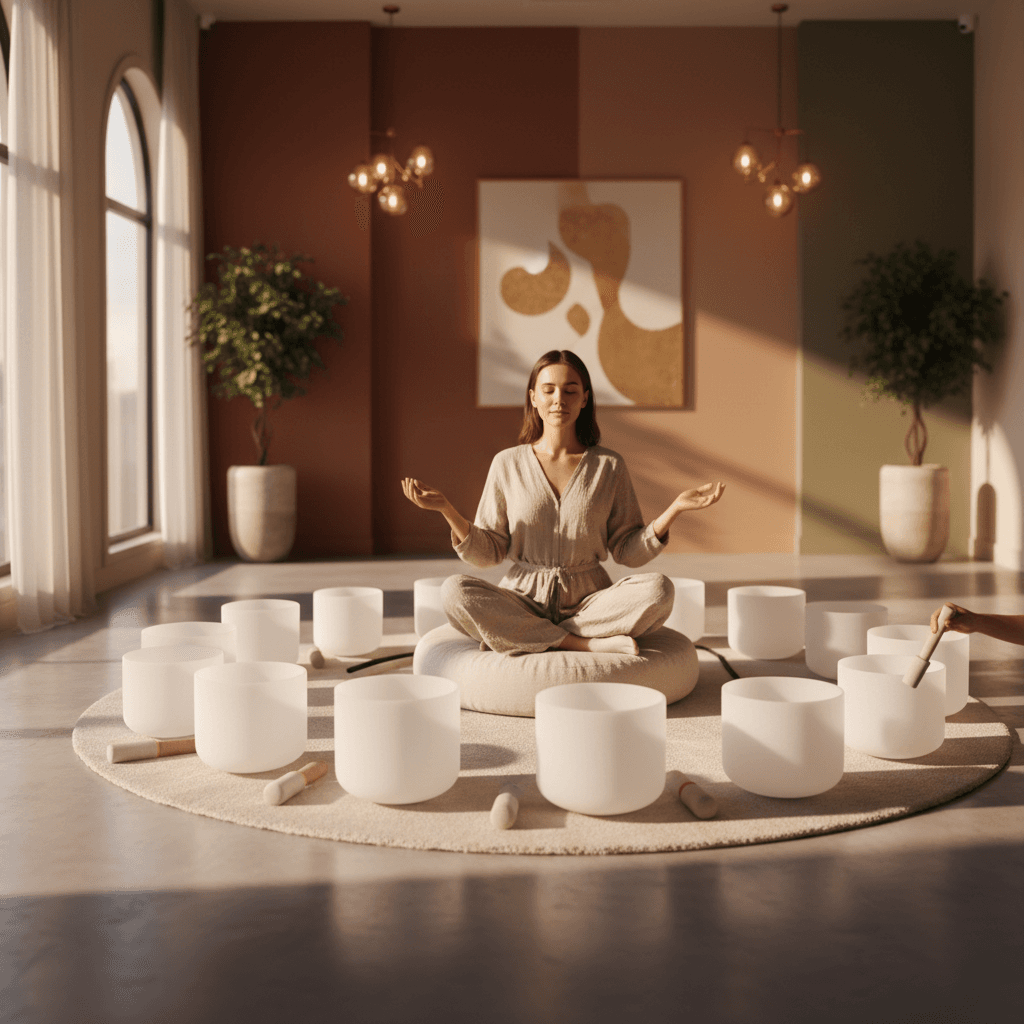
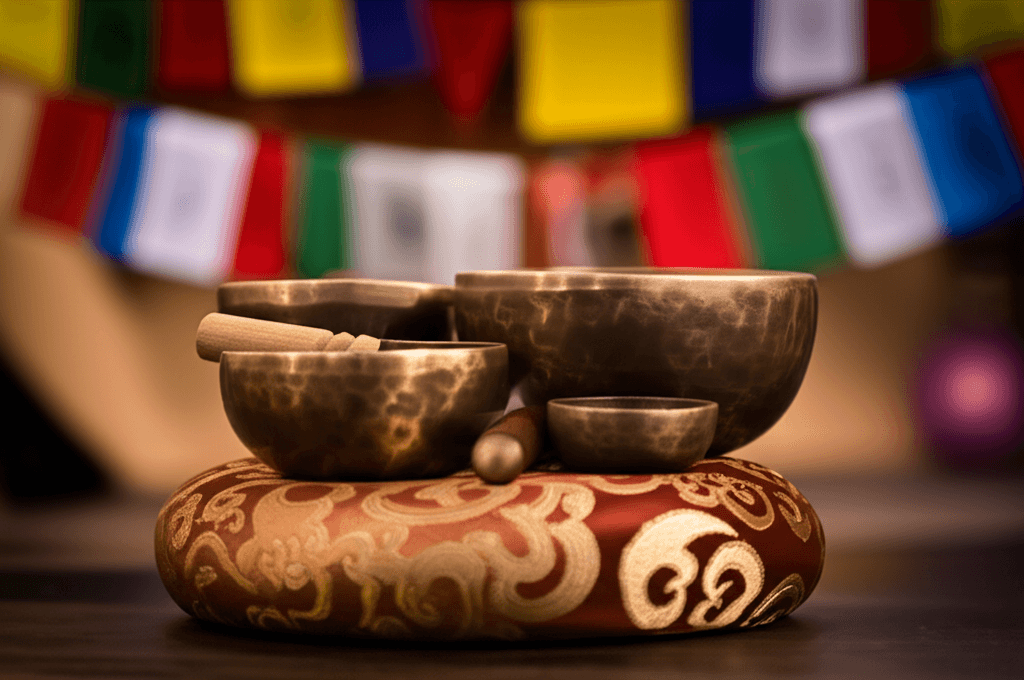
What makes the Soul Art method unique is its holistic integration of practices. While the mantra provides a powerful focal point for intention, it is complemented by an array of carefully selected instruments—Tibetan singing bowls, crystal bowls, gongs, and tuning forks—all meticulously chosen for their capacity to create an enveloping soundscape. This synergistic approach allows the vibrational energy to penetrate deeply, facilitating a release of tension and an opening to deeper emotional states. Clients may experience a profound sense of calm as the mantra's frequencies align with the therapeutic sounds of these instruments, creating a truly transformative experience.
Larissa's expertise ensures that each session is more than just relaxation; it's an opportunity for self-discovery and emotional recalibration. She guides participants to understand the meaning behind the "Om Mani Padme Hum" mantra, encouraging them to infuse their practice with genuine intention. This conscious engagement elevates the experience from mere sound exposure to a potent personal journey. At Soul Art, the mantra serves as a key that unlocks inner compassion, resilience, and a deeper connection to the universal flow of well-being, reflecting Larissa Steinbach's commitment to authentic, impactful wellness.
Cultivating Your Inner Jewel: Practical Steps for Daily Well-being
Integrating the wisdom and compassion of "Om Mani Padme Hum" into your daily life doesn't require hours of dedicated meditation. Even small, consistent practices can yield significant benefits, helping you navigate modern life with greater grace and inner peace. Larissa Steinbach and the team at Soul Art encourage you to explore these simple yet powerful steps to foster a more compassionate and balanced existence.
Here are some actionable ways to begin your journey:
- Listen to Guided Mantra Meditations: Start by listening to guided "Om Mani Padme Hum" meditations. This allows you to familiarize yourself with the pronunciation and rhythm without the pressure of active chanting. Soul Art offers resources and sessions that can introduce you to this practice in a supportive environment.
- Incorporate Short Chanting Sessions: Dedicate 5-10 minutes each day to either silently or audibly chant "Om Mani Padme Hum." Find a quiet space where you won't be disturbed. Focus on the sound, the vibration, and the intention of compassion. Consistency is more important than duration.
- Practice Mindful Awareness with Intention: Throughout your day, whenever you encounter a challenging situation or feel stressed, pause and silently repeat the mantra. Let it serve as a reminder to approach the moment with patience, wisdom, and compassion, both for yourself and others.
- Journal on Compassion: Reflect on experiences where you've given or received compassion. How did it feel? What obstacles prevent you from being more compassionate? Use the mantra as a focal point for your reflections, exploring its meaning and how it resonates with your personal journey.
- Experience a Sound Wellness Session: To deepen your practice and experience the full immersive power of sacred sound, consider booking a session at Soul Art Dubai. Larissa Steinbach's expertly guided sound baths, infused with intentional energy, offer a unique pathway to profound relaxation and the cultivation of inner peace.
Embracing "Om Mani Padme Hum" is a gentle yet powerful way to nurture your emotional and spiritual well-being. It's a practice that reminds us of our interconnectedness and our innate capacity for kindness.
Bookings Coming Soon
Soul Art is still in preparation. Session details and booking will be published here after launch.
Coming Soon
In Summary: The Enduring Resonance of Compassion
The ancient Tibetan mantra "Om Mani Padme Hum" offers far more than a spiritual incantation; it presents a scientifically resonant practice for enhancing holistic well-being. From its deep roots as the condensed essence of Buddhist teachings to its measurable impact on brain activity and physiological stress markers, this mantra serves as a powerful tool for cultivating compassion and wisdom. Preliminary studies suggest its ability to reduce subjective distress, improve resilience, and foster emotional regulation, reminding us of the profound connection between sound, intention, and inner peace.
Larissa Steinbach's Soul Art Dubai thoughtfully integrates this timeless mantra into its premier sound wellness experiences, providing a sanctuary where these ancient practices are made accessible and deeply impactful. By embracing "Om Mani Padme Hum," whether through personal chanting or immersive sound baths, you invite a powerful frequency of compassion and calm into your life. We invite you to explore this transformative journey at Soul Art, where your path to profound well-being awaits.
Wellness Disclaimer: This article is for educational and informational purposes only. It does not constitute medical advice, diagnosis, or treatment. Soul Art Dubai provides non-medical wellness experiences focused on relaxation, stress management, and general wellbeing. Sound wellness is a complementary practice and should not replace professional medical care.