Occupational Therapy: Sound for Enhanced Functional Recovery and Wellbeing
Key Insights
Explore how sound wellness, pioneered by Larissa Steinbach at Soul Art Dubai, complements occupational therapy to boost functional recovery, reduce delirium, and enhance daily living.
Compelling Introduction
Could the subtle vibrations of sound hold a key to unlocking greater functional independence and accelerating recovery, particularly when combined with traditional care? Occupational therapy (OT) is a vital discipline focused on helping individuals achieve or regain the skills needed for daily living, work, and leisure, profoundly impacting quality of life. Emerging research is now revealing the powerful, complementary role that sound-based interventions may play in this journey towards enhanced function.
This article delves into the scientifically-grounded intersection of occupational therapy and sound wellness, exploring how targeted acoustic stimulation can support the body and mind in recovering essential functions. We will uncover the neuroscience behind sound's therapeutic potential, examine its practical applications in enhancing recovery, and illuminate how Larissa Steinbach at Soul Art Dubai integrates these principles into a unique, transformative experience. Prepare to discover how the ancient wisdom of sound meets modern science to foster holistic well-being and functional resilience.
The Science Explained
The human body is an intricate symphony of systems, constantly responding to its environment, including auditory and vibratory inputs. Scientific inquiry into sound wellness reveals profound mechanisms through which specific frequencies and rhythmic patterns may influence physiological and neurological function. This understanding forms the bedrock for integrating sound into a comprehensive wellness strategy, especially in conjunction with fields like occupational therapy.
The Impact of Occupational Therapy on Functional Recovery
Occupational therapy is widely recognized for its efficacy in promoting functional recovery across various populations. A systematic review and meta-analysis highlighted OT's significant benefits for critically ill patients, including those with stroke. These benefits encompass enhanced functional independence, a notable reduction in delirium, increased muscle strength, and a shortening of mechanical ventilation duration. Such findings affirm OT’s crucial role in addressing post-intensive care syndrome and supporting a return to daily activities.
The evidence, though of low to moderate certainty in some areas, consistently points to OT’s value in interdisciplinary teams. Occupational therapists, with their unique expertise in functional recovery, cognitive rehabilitation, and psychosocial support, are integral members of modern care teams. They employ "top-down" strategies, focusing on functional goals and client-centered problem-solving.
The Neurological Underpinnings of Sound-Based Interventions
Sound-based interventions operate on fundamental principles of physics and biology, influencing the body through multiple pathways. Vibroacoustic therapy (VAT), which utilizes low-frequency sine wave vibrations, typically between 30-120 Hz, is one of the most studied forms. These vibrations are detected by mechanoreceptors, particularly Pacinian corpuscles, which can sense frequencies up to 1,000 Hz, translating acoustic energy into physiological responses.
Research indicates that specific frequencies can promote distinct physiological and neurological effects. For instance, 40 Hz stimulation has been associated with activating gamma brain waves, which are crucial for cognitive processing, memory consolidation, and neural synchronization. This suggests that targeted acoustic input may enhance cognitive functions vital for daily tasks and learning new adaptive strategies.
Sound, Neuroplasticity, and Motor Function
Sound’s influence extends to promoting neuroplasticity, the brain's ability to reorganize itself by forming new neural connections. This capacity is particularly critical for individuals recovering from neurological injuries such as stroke or traumatic brain injury. Music practice and rhythmically cued interventions, for example, have been shown to stimulate brain activity and promote neural connectivity.
Studies have demonstrated that 40 Hz vibroacoustic therapy may improve motor function in individuals with certain neurological conditions, such as Parkinson’s disease. Significant improvements in both tremor and dyskinesia symptoms were observed following targeted vibrotactile stimulation. This aligns with broader research suggesting that specific frequencies can enhance neuroplasticity and stimulate alpha-motor neurons, potentially offering complementary avenues for managing movement challenges.
For stroke survivors, music-based therapies, including rhythmically cued training, have shown promise in improving upper limb function. By incorporating a metronome during gross motor tasks like shoulder flexion or arm-reaching, patients may experience greater improvements in motor capacity. Similarly, children with spastic diplegia who exercised with music showed significantly higher gains in gross motor capacity than those who exercised without. This indicates that auditory entrainment may serve as a powerful guide, enhancing motor skill development and functional movement.
Bottom-Up Approaches and Sensory Processing
While occupational therapists traditionally employ "top-down" strategies focused on functional goals, sound-based interventions often serve as "bottom-up" therapies. These approaches target foundational sensory and neurological processes, which in turn may enhance the effectiveness of "top-down" rehabilitation. A systematic review on sound-based interventions for children highlighted their potential to improve social behavior, language, communication, auditory sensitivity, and emotional regulation.
Though the evidence for some sound-based approaches in children, such as the SSP (Safe and Sound Protocol), includes numerous case studies and smaller trials, the findings suggest promise. These bottom-up strategies, which aim to regulate the nervous system and improve sensory processing, may promote greater benefit from traditional occupational therapy. This holistic approach, integrating both bottom-up and top-down methods, offers a comprehensive pathway to support improved functional outcomes and overall well-being.
How It Works in Practice
Translating the science of sound into practical applications for functional recovery involves creating immersive and precisely tuned experiences. In a sound wellness session, the goal is to harness the vibrational qualities of sound to encourage a state of deep relaxation, nervous system regulation, and heightened sensory awareness, which can ultimately support functional gains. It's a journey where the client’s body becomes a resonator, absorbing and responding to specific frequencies.
The Client Experience: A Symphony of Sensation
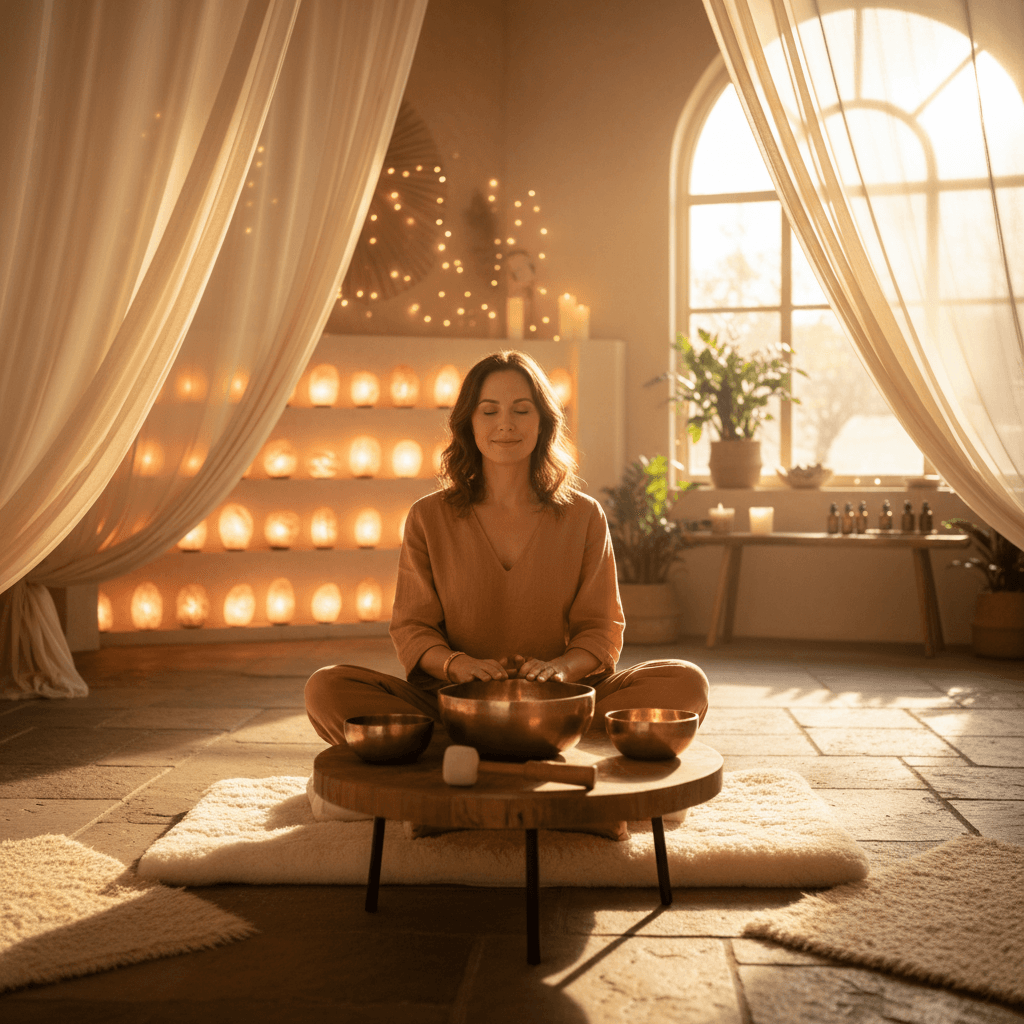
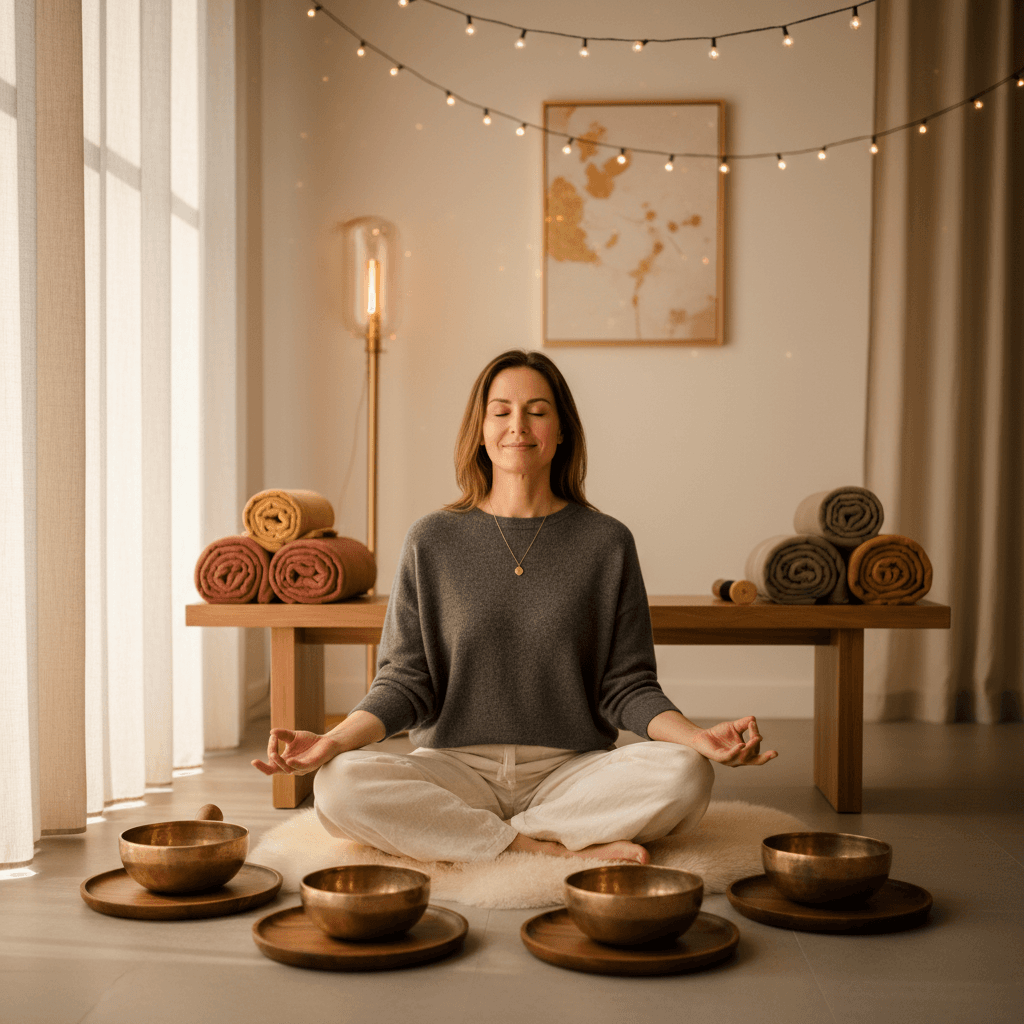
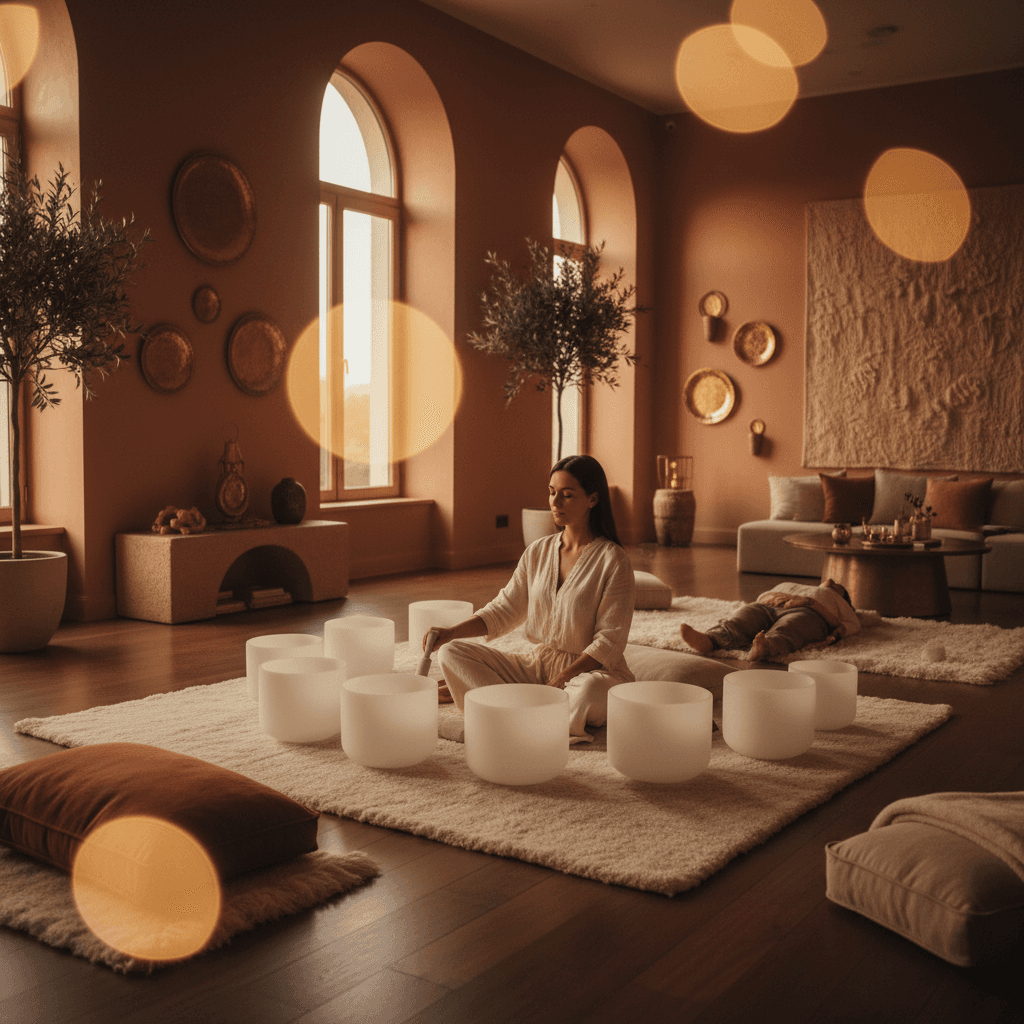
Clients typically experience sound wellness in a peaceful, quiet environment, often reclining comfortably. The session begins with guided breathwork or gentle mindfulness cues, helping them transition into a receptive state. Instruments such as singing bowls, gongs, tuning forks, and chimes are then played, producing a rich tapestry of sounds and vibrations.
These aren't merely auditory experiences; they are profoundly somatic. As the sounds wash over and through the body, clients often report a tingling sensation, a feeling of deep resonance, or a sense of inner spaciousness. The low-frequency vibrations from instruments like gongs or specialized vibroacoustic beds can be deeply felt, stimulating mechanoreceptors throughout the body. This direct physical input can contribute to muscle relaxation and a reduction in perceived tension, creating a more conducive state for movement and function.
Enhancing Connection and Awareness
The focused listening and bodily awareness cultivated during sound sessions can have a ripple effect on daily functioning. By training the auditory system to process specific frequencies, individuals may experience enhanced auditory sensitivity and improved sensory integration, particularly beneficial for children or those with sensory processing challenges. For adults, this heightened awareness can translate into greater proprioception and body control.
Sound wellness may also support improved cognitive function by fostering states associated with gamma brain waves, linked to focus and memory. Many people report leaving sessions with a clearer mind, improved concentration, and a greater sense of emotional balance. This mental clarity can be invaluable for engaging more effectively in occupational therapy exercises, learning new coping strategies, or simply navigating the complexities of daily life with greater ease.
"The subtle power of sound can re-tune the body's internal rhythms, creating a harmonious state where intrinsic healing and functional recovery are not just possible, but encouraged."
Furthermore, the profound relaxation induced by sound can significantly reduce stress and anxiety, which are often barriers to functional recovery. When the nervous system shifts from a state of fight-or-flight to rest-and-digest, the body's capacity for healing and integration is optimized. This state of calm promotes better sleep, reduces chronic pain, and allows individuals to approach their functional goals with renewed energy and resilience.
The Soul Art Approach
At Soul Art, Dubai's premier sound wellness studio, Larissa Steinbach has meticulously crafted an approach that harmonizes ancient sound wisdom with contemporary scientific understanding. Her method is not merely about playing instruments; it's about creating a bespoke sonic environment designed to support profound self-regulation and functional well-being. Larissa’s expertise ensures each session is a deeply intentional and transformative experience.
Larissa Steinbach’s Unique Philosophy
Larissa Steinbach’s philosophy is rooted in the belief that true well-being arises from a balanced and harmonized internal state. She recognizes that the challenges to functional recovery often extend beyond the physical, encompassing emotional and neurological dimensions. Her Soul Art method integrates these aspects, offering a holistic pathway to restore equilibrium and enhance the body’s innate capacity for self-healing and adaptation.
Her approach is characterized by its personalized nature, where sessions are often tailored to the individual’s specific needs and goals, whether they seek stress reduction, enhanced cognitive clarity, or support for motor function. Larissa’s deep understanding of sound frequencies and their physiological impacts allows her to craft experiences that are both deeply relaxing and strategically beneficial. She emphasizes that while sound wellness is a complementary practice, its potential to prime the system for greater receptivity to other therapeutic interventions, like occupational therapy, is immense.
Specific Instruments and Techniques
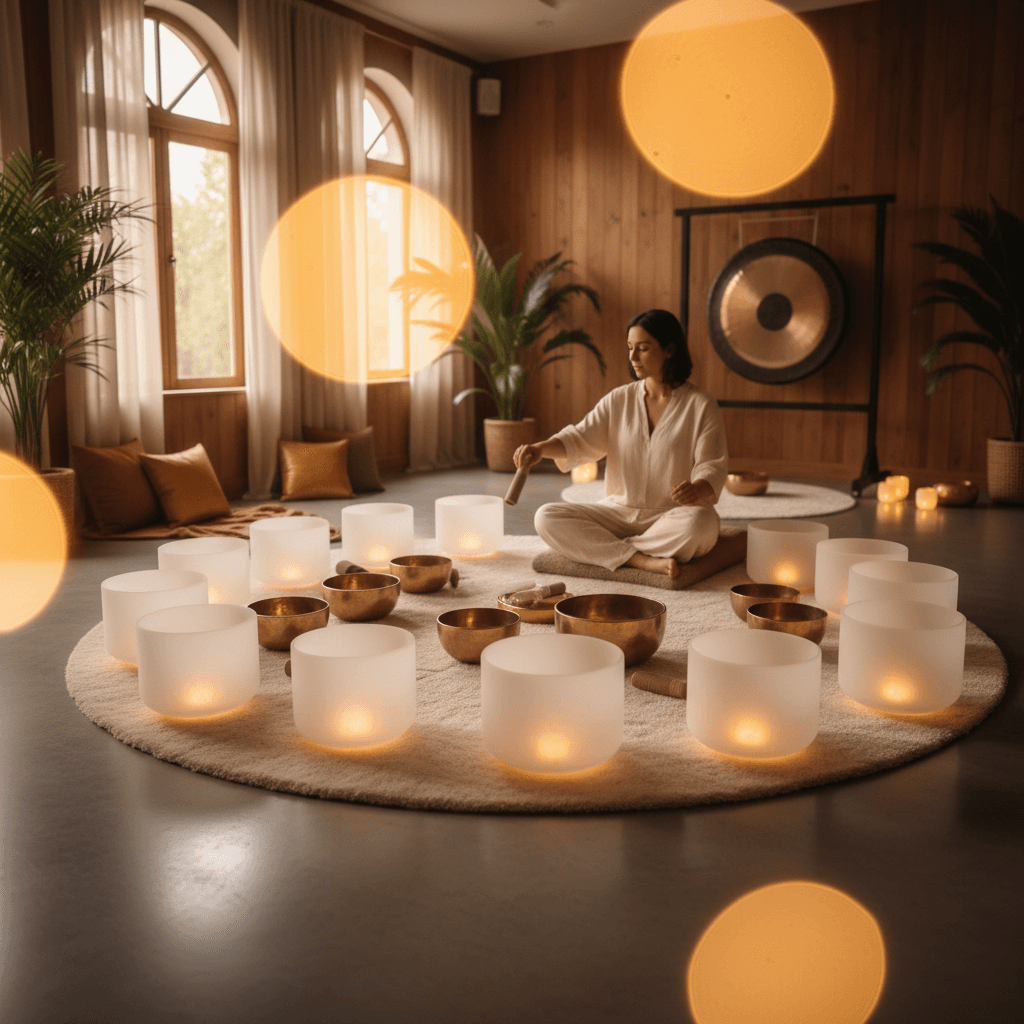
The Soul Art studio is a sanctuary of carefully selected instruments, each chosen for its unique vibrational quality and potential impact. Larissa frequently utilizes a diverse array of tools:
- Himalayan Singing Bowls: Hand-hammered bowls that produce rich, sustained tones and palpable vibrations, often placed directly on the body to facilitate deep cellular resonance.
- Gongs: Large, powerful instruments that generate a broad spectrum of frequencies, creating an immersive sound bath that can induce profound states of relaxation and altered consciousness.
- Tuning Forks: Precisely calibrated instruments that emit specific frequencies, often used on acupuncture points or around the body's energy field to promote balance and vitality.
- Crystal Singing Bowls: Made from pure quartz, these bowls produce pure, ethereal tones that are believed to resonate with the body's energetic centers.
- Chimes and Other Percussion: Used to add texture, rhythm, and gentle auditory stimulation, guiding the mind into deeper meditative states.
Larissa's mastery lies in her intuitive and skilled application of these instruments, weaving them together to create a dynamic and coherent soundscape. She pays close attention to rhythm, timbre, and frequency, consciously guiding the session to foster specific outcomes, such as nervous system regulation, enhanced sensory integration, or the activation of brainwave states associated with relaxation and focus. The Soul Art method is an elegant blend of artistry and scientific intention, designed to support individuals in their journey towards optimal function and serene well-being.
Your Next Steps
Embracing sound wellness as a complementary approach to functional recovery can be a profoundly enriching journey. Whether you're exploring ways to support occupational therapy goals or simply seeking to enhance your daily well-being, integrating sound into your life is an accessible and powerful practice. Here are a few actionable steps you can take today to begin exploring the benefits of sound.
- Mindful Listening: Start by simply paying closer attention to the sounds around you. Notice the nuanced qualities of natural sounds, music, or even silence. This practice can enhance auditory processing and sensory awareness, laying a foundation for deeper engagement with sound.
- Incorporate Therapeutic Sound: Seek out high-quality sound recordings designed for relaxation and focus. Many apps and online platforms offer guided meditations with ambient soundscapes, binaural beats, or specific frequencies known to promote relaxation. Even 10-15 minutes a day can make a difference.
- Explore Vibroacoustic Experiences: If available, consider experiences that offer direct physical vibration, such as specialized sound beds or cushions. These can provide a deeper somatic experience, potentially influencing muscle relaxation and nervous system regulation.
- Learn About Brainwave Entrainment: Research the benefits of specific frequencies like 40 Hz, which has been associated with gamma brain waves and cognitive enhancement. Understand how different sound patterns can guide your brain into beneficial states.
- Connect with a Professional: To truly experience the depth and intentionality of sound wellness, consider booking a session with a qualified practitioner. A guided session can offer a tailored experience designed to meet your specific wellness goals.
Integrating sound as a self-care practice may support your overall resilience and functional capacity. It's a gentle yet profound way to nurture your nervous system, enhance your sensory perception, and promote a holistic sense of well-being.
Bookings Coming Soon
Soul Art is still in preparation. Session details and booking will be published here after launch.
Coming Soon
In Summary
Occupational therapy is an indispensable field dedicated to restoring functional independence and enhancing the quality of life for countless individuals. As this article has explored, sound-based interventions offer a powerful, complementary avenue to amplify these efforts. Scientific evidence, though continuously evolving, suggests that targeted acoustic stimuli can influence neuroplasticity, enhance motor function, reduce delirium, and improve sensory processing. These "bottom-up" approaches may prime the body and mind, making them more receptive to the "top-down" strategies of traditional occupational therapy.
Larissa Steinbach's Soul Art in Dubai embodies this synergy, offering expertly guided sound wellness sessions designed to foster deep relaxation, nervous system regulation, and cognitive clarity. By integrating specific instruments and frequencies, Soul Art provides a sophisticated wellness experience that supports functional recovery and holistic well-being. We invite you to explore the profound potential of sound to transform your journey towards optimal function and inner harmony.
Wellness Disclaimer: This article is for educational and informational purposes only. It does not constitute medical advice, diagnosis, or treatment. Soul Art Dubai provides non-medical wellness experiences focused on relaxation, stress management, and general wellbeing. Sound wellness is a complementary practice and should not replace professional medical care.