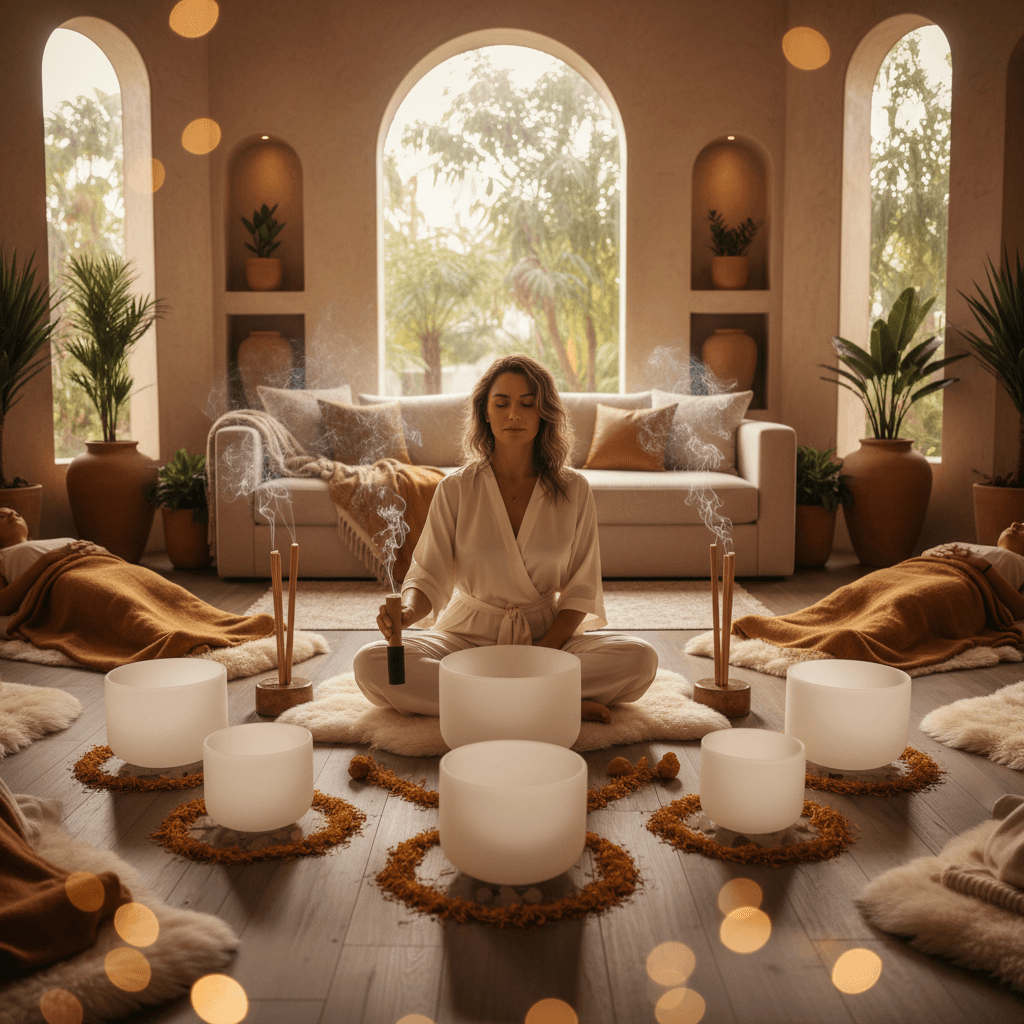
Night Sounds: Unlock Nocturnal Healing for Restful Sleep
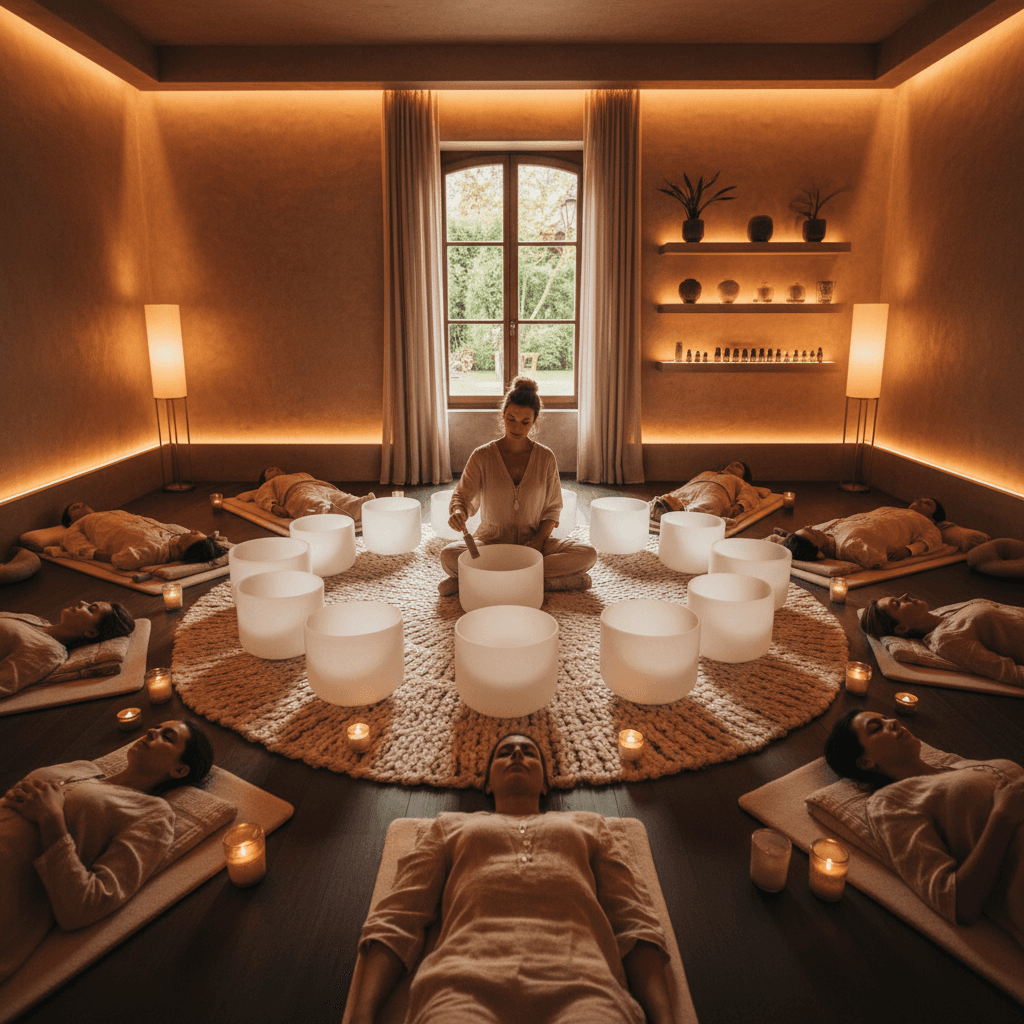
Key Insights
Explore the science behind 'Nocturnal Healing' through sound. Learn how frequencies and biophilic soundscapes from Soul Art Dubai, founded by Larissa Steinbach, may enhance sleep quality and restore wellbeing.
Can the subtle whispers of the night truly unlock a deeper realm of healing while you sleep? In our fast-paced world, restorative sleep often feels like an elusive luxury rather than a nightly certainty. Yet, a growing body of scientific research suggests that intentionally curated sounds, known as Nocturnal Healing, may hold a profound key to transforming our sleep experience.
At Soul Art, Dubai's premier sound wellness studio, we believe in harmonizing the ancient wisdom of sound with cutting-edge scientific understanding. This article delves into the fascinating world of how specific frequencies and auditory landscapes can gently guide your mind and body towards profound rest. We will explore the latest findings, reveal practical methods, and illuminate how Larissa Steinbach's unique approach at Soul Art integrates these insights to foster genuine nocturnal healing for our cherished community.
The Science Explained: Unveiling Sleep's Auditory Secrets
The intricate relationship between sound and sleep is a rich area of scientific exploration, revealing how carefully chosen acoustic environments can profoundly influence our physiological and psychological states. This isn't merely about blocking out noise; it's about leveraging specific sound profiles to encourage the body's natural restorative processes.
Subjective Well-being Versus Objective Measures
Recent research offers compelling insights into how sound can impact our perception of sleep. A significant 2025 systematic review and meta-analysis by Wang et al., published in Frontiers in Neuroscience, pooled results from 8 randomised controlled trials involving 419 participants. This comprehensive analysis found that acoustic stimulation produced a statistically significant improvement in sleep quality, evidenced by a 2.68-point reduction in PSQI scores, and a notable decrease in insomnia severity, with a 2.26-point reduction in ISI scores. These findings underscore a powerful benefit: participants reported feeling better rested and experiencing less insomnia.
However, the meta-analysis also revealed a nuanced distinction. While subjective sleep quality improved, the analysis indicated no significant improvement in objective measures such as sleep efficiency or total sleep time. This suggests that the primary benefit of sound healing for sleep may be psychological, leading to a reduction in pre-bedtime anxiety. When individuals feel less anxious and more at ease before sleep, they are more likely to perceive their sleep as better quality, even if the duration or physiological efficiency remains similar. This psychological shift is incredibly valuable for overall well-being.
The Power of Specific Frequencies and Waves
Beyond general acoustic stimulation, specific frequencies play a critical role in influencing brain activity associated with sleep. Research highlights the particular efficacy of certain frequency ranges:
- 432 Hz Music: Studies indicate that music tuned to 432 Hz has been associated with measurable physiological benefits. A 2022 pilot study found that listening to 432 Hz music before bed may improve deep sleep stages in participants. Calamassi et al. (2020) demonstrated that 432 Hz music helped improve sleep quality in patients with spinal cord injuries. Furthermore, 2022 research on emergency nurses suggested that 432 Hz music helped reduce anxiety and promoted recovery sleep, underscoring its potential in stressful environments.
- Low-Frequency Tones: The latest research, particularly from Serendipity Sounds, emphasizes that not all sounds are equal for deep sleep. Low-frequency tones, specifically those in the range of 0.5 to 8 Hz, are particularly significant. These frequencies, encompassing delta and theta waves, mirror your brain's natural deep-sleep rhythms, potentially encouraging the brain to enter and sustain these restorative states more effectively.
These studies consistently point to one conclusion: frequency matters, but so too does your individual emotional response to the sound. Some individuals find scientifically tuned frequencies deeply relaxing, while others may sleep best with familiar, self-chosen music, as a 2024 study noted, when the listener feels calm and connected to the music.
Biophilic Soundscapes and Circadian Rhythms
The concept of biophilic soundscapes, which mimic the natural world, offers another powerful dimension to nocturnal healing. Soundscapes that evoke nature—such as the gentle patter of rain, the rhythmic rush of ocean waves, or the ambient sounds of a forest—can actively help maintain restorative sleep throughout the night. This isn't merely aesthetic preference; it's deeply rooted in our biology.
Researchers at Brighton and Sussex Medical School in England have determined that nature's sounds, in contrast to artificial noise, actively build up the "rest-digest" response. This is the opposite of the body's stress-induced "fight-or-flight" reaction, which releases cortisol, adrenaline, and noradrenaline, making restful sleep difficult. Functional magnetic resonance imaging (fMRI) scans showed that when listening to nature sounds, the brain decreased its fight-or-flight activity and increased the rest reaction.
The most compelling evidence for biophilic soundscapes sits at the intersection of sound and circadian rhythm. Research has shown that dynamic soundscapes aligned with circadian phases – energising in the morning, restorative in the evening – may improve sleep onset, reduce night-time wakefulness, and help regulate stress responses. As noted by HMN24, "the right sound at the right time can help reset the body clock." This is particularly relevant in our modern world, where travel, late-night work, and screen exposure routinely disrupt our natural rhythms.
Auditory Masking and Conscious Listening
While the subtle influence of specific frequencies and biophilic sounds is profound, another mechanism at play is auditory masking. This is a psychoacoustic process where the presence of a continuous, gentle sound raises the threshold for hearing other, more disruptive noises. For instance, in urban environments where a truly quiet sleep space is often impossible, products like BOSE Sleepbuds II use curated nature sounds as auditory masking against sudden disturbances.
This is distinct from simply playing random background music or generic white noise. While white noise machines are popular, systematic reviews, such as one in ScienceDirect, highlight that "listening to a sound without meaning can actually be an unpleasant rather than a helpful experience." Comparatively, pink noise, which emphasizes lower frequencies, may be perceived as more effective and less abrasive than white noise because the brain often finds its characteristics particularly calming. Sound healing practitioners use specific instruments like singing bowls to produce complex wave patterns and overtones, or binaural beats that present slightly different frequencies to each ear to generate a perceived third, calming tone in the brain. The intention and specific composition of the sound are key.
How It Works in Practice: Crafting Your Auditory Sanctuary
Transitioning from scientific understanding to practical application involves creating a conscious ritual around sound. The experience is not passive; it invites engagement, even if subtle, transforming your bedtime routine into an intentional act of self-care. It's about curating an environment that signals safety and encourages your nervous system to unwind.
When clients at Soul Art embrace nocturnal healing, they often report a profound shift in their pre-sleep state. The gentle resonance of carefully chosen frequencies can feel like a comforting embrace, guiding the mind away from the day's anxieties and towards a state of serene calm. The sensory details are paramount: the soft hum that fills the room, the subtle vibration felt in the body, the deep sense of peace that permeates the space.
Choosing Your Method and Setting the Tone
To begin your journey into nocturnal healing, consider these research-backed methods:
- Pink Noise for Continuous Background: If you are new to sound healing, pink noise offers a strong evidence base and ease of use. It works exceptionally well as a continuous background sound throughout the night, requiring only a speaker or phone. Its emphasis on lower frequencies tends to be particularly calming for the brain, providing a consistent, gentle auditory blanket that can mask disruptive ambient noises.
- Binaural Beats for Intentional Pre-Sleep: For a more focused and intentional approach, consider binaural beats. These require headphones and are best used during the 20 to 30 minutes before sleep. By presenting slightly different frequencies to each ear, the brain perceives a third "beat," which can guide brainwave activity towards states conducive to relaxation and sleep. This method allows for a concentrated, immersive experience.
The Critical Role of Volume
Volume matters significantly more than many people realize when it comes to sound healing for sleep. The goal is to create an auditory presence that is felt rather than actively listened to. For pre-sleep relaxation, sound healing should be set below conversational level, ideally around 40 to 50 decibels (dB) – akin to the quiet hum of a refrigerator or a hushed library. If you can clearly discern every note or tone, it is likely too loud and may inadvertently stimulate rather than soothe.
For overnight use, the volume should be even lower, aiming for approximately 30 to 40 dB. This ensures the sound remains a gentle, background presence that supports continuous rest without becoming a point of focus. The objective is for the sound to be supportive and ambient, subtly influencing your environment without demanding conscious attention.
Creating a Consistent Ritual
Sound healing works most effectively as a consistent ritual – a dependable cue that signals to your body and mind that it's time to safely transition into rest. Begin your auditory ritual 20-30 minutes before your intended sleep time. This pre-bed window allows your nervous system to gradually downshift. Dim the lights, consciously slow your breathing, and then begin your chosen soundscape or frequency session.
This mindful preparation, combined with the carefully selected sounds, tells your body it is safe to let go of the day's stresses. It’s about more than just playing sounds; it’s about intentionally creating a sanctuary where deep restoration can unfold. Many people report that this consistent practice not only helps them fall asleep more easily but also enhances their overall sense of peace and preparedness for sleep.
The Soul Art Approach: Harmonizing Science and Intuition
At Soul Art, Larissa Steinbach and her dedicated team are pioneers in integrating the cutting-edge science of sound with intuitive, holistic wellness practices. Our approach to Nocturnal Healing is deeply rooted in personalized care, recognizing that while the science provides a powerful framework, each individual’s journey to restorative sleep is unique. We bridge the gap between abstract research and tangible, transformative experiences.
Larissa Steinbach's vision for Soul Art is to create a sanctuary where the profound benefits of sound are made accessible and deeply impactful. We don't just play sounds; we curate intentional auditory environments designed to resonate with your unique needs, guided by both scientific evidence and a deep understanding of energy and vibration.
Unique Instruments and Calibrated Frequencies
The Soul Art method distinguishes itself through its meticulous selection of instruments and precise calibration of frequencies. We utilize a range of bespoke instruments, including:
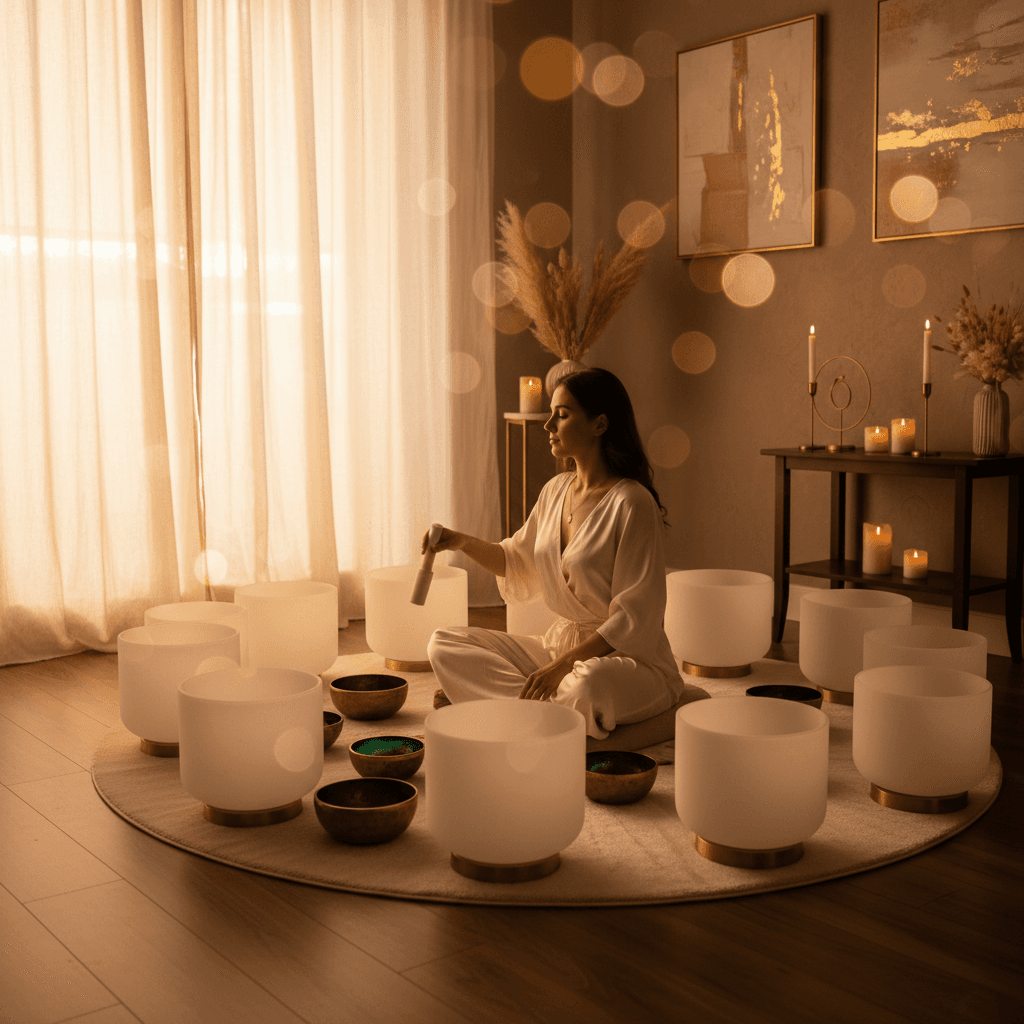
- Alchemy Crystal Singing Bowls: These bowls, crafted from pure quartz crystal infused with precious gemstones and minerals, produce pure, sustained tones and rich overtones. The complex wave patterns generated by these bowls are renowned for their profound ability to induce relaxation and bring the body's energy centers into harmony. Their vibrational qualities are especially conducive to calming the nervous system.
- Gongs: The deep, expansive sounds of gongs create an immersive sound bath experience that can shift brainwave states, helping to release tension and prepare the mind for deeper rest.
- Precision-tuned Chimes and Tuning Forks: Used to introduce specific frequencies, these tools are often employed to help balance the body’s subtle energy systems and encourage a state of deep meditative calm, drawing on the research supporting frequencies like 432 Hz.
Larissa Steinbach personally oversees the curation of our soundscapes, ensuring that each session harnesses the power of specific frequencies known to support sleep and stress reduction. This includes not only the calming 432 Hz but also carefully selected low-frequency tones (e.g., delta and theta waves, below 8 Hz) that gently encourage the brain into its natural deep-sleep rhythms.
Personalized Biophilic Sound Journeys
Understanding that emotional response is as crucial as frequency, Soul Art creates personalized biophilic sound journeys. We move beyond generic nature sounds by crafting immersive auditory experiences that resonate deeply with each client. These soundscapes are designed not merely for relaxation, but to actively reintroduce "missing cues" into environments that often lack natural auditory stimulation. This aligns with the HMN24 research, emphasizing that biophilic soundscapes, when integrated with other wellness practices, can help reset the body clock and regulate stress responses.
Our practitioners intuitively blend these elements, guiding clients to discover the specific combinations of sounds and frequencies that foster their most profound sense of peace and preparedness for sleep. This holistic approach ensures that every Soul Art experience is a bespoke journey toward enhanced well-being and deeply restorative sleep.
Your Next Steps: Integrating Nocturnal Healing into Your Life
Embracing the power of nocturnal healing is a compassionate act of self-care that can profoundly enhance your overall well-being. By integrating sound intentionally into your evening routine, you create a powerful signal for your body and mind to unwind and restore.
Here are practical steps you can take today to begin your journey:
- Choose Your Sound Strategy: Experiment with both continuous pink noise for background calm throughout the night and focused binaural beats (with headphones) for 20-30 minutes before sleep. See what resonates most deeply with your personal preference and lifestyle.
- Master the Volume: Remember that subtle is superior. Aim for a volume below conversational level, around 40-50 dB for pre-sleep, and even lower, 30-40 dB, for overnight use. The sound should be present but never demanding attention.
- Establish a Consistent Ritual: Sound healing thrives on routine. Commit to starting your sound practice 20-30 minutes before bedtime every night. Dim the lights, practice slow, deep breathing, and allow the chosen sounds to gently guide you into a state of relaxation.
- Explore Biophilic Soundscapes: Incorporate nature-mimicking sounds – gentle rain, ocean waves, or forest ambiance – into your routine. These natural soundscapes have been shown to reduce the "fight-or-flight" response and enhance the body's "rest-digest" functions, fostering a deeper sense of tranquility.
- Integrate with Holistic Wellness: View sound healing as a complementary tool within a broader wellness framework. Combine your auditory practice with good sleep hygiene, balanced nutrition, adequate hydration, and mindful light exposure to maximize its benefits for your circadian rhythm and nervous system regulation.
By taking these thoughtful steps, you may unlock a new dimension of restorative sleep and holistic healing.
In Summary: The Symphony of Rest
The journey into Nocturnal Healing reveals a sophisticated interplay between sound, brain activity, and our innate capacity for deep restoration. Scientific insights, from the 2025 meta-analysis highlighting improved subjective sleep quality to studies on specific frequencies like 432 Hz and the profound impact of biophilic soundscapes on our nervous system, underscore the powerful potential of intentional acoustic stimulation. This isn't just about masking noise; it's about actively cultivating an environment that encourages the body's natural "rest-digest" response and aligns with our circadian rhythms.
At Soul Art, Larissa Steinbach and her expert team are dedicated to translating this science into a tangible, luxurious wellness experience. Through the meticulous use of crystal singing bowls, gongs, and calibrated frequencies, we offer personalized sound journeys designed to support your nervous system and guide you toward truly restorative sleep. We invite you to discover how the gentle, intentional sounds of the night can become your most powerful ally in achieving a deeper, more profound sense of peace and well-being.
Bookings Coming Soon
Soul Art is still in preparation. Session details and booking will be published here after launch.
Coming Soon
Wellness Disclaimer: This article is for educational and informational purposes only. It does not constitute medical advice, diagnosis, or treatment. Soul Art Dubai provides non-medical wellness experiences focused on relaxation, stress management, and general wellbeing. Sound wellness is a complementary practice and should not replace professional medical care.
Related Articles
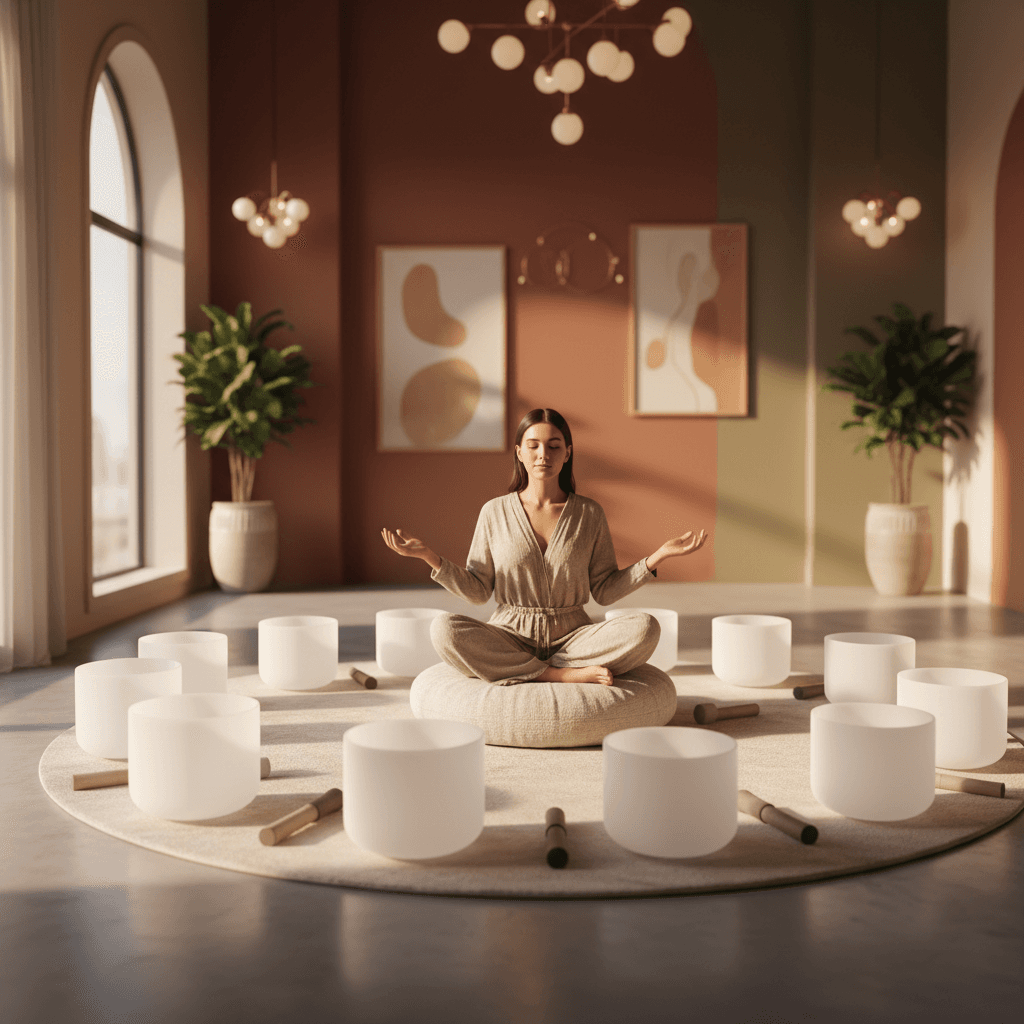
Harmonic Paws: Unveiling Animal-Assisted Sound Therapy at Soul Art Dubai
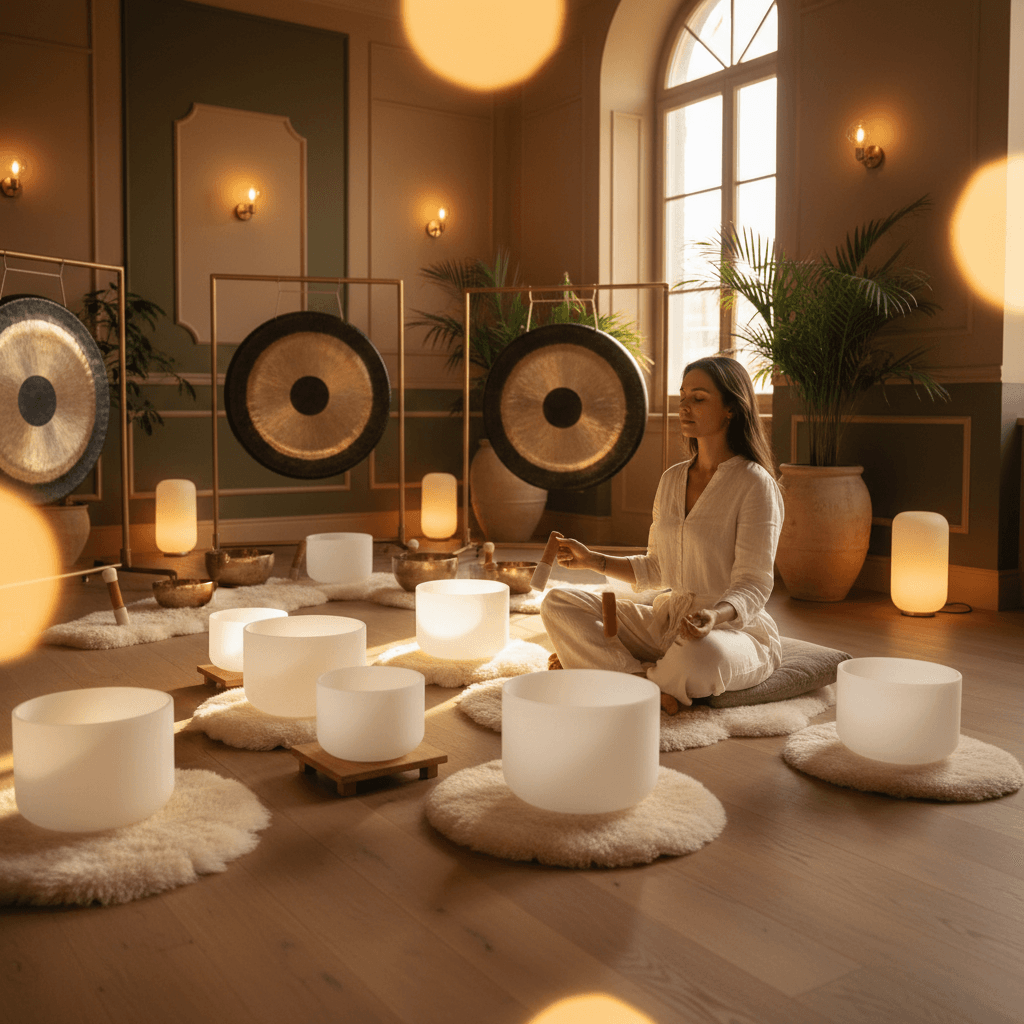
Biophilic Soundscapes: Designing Wellness Through Nature's Acoustics
City Noise vs Nature Sound: A Soul Art Path to Serenity